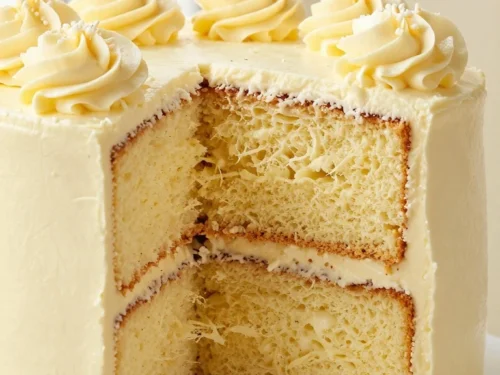
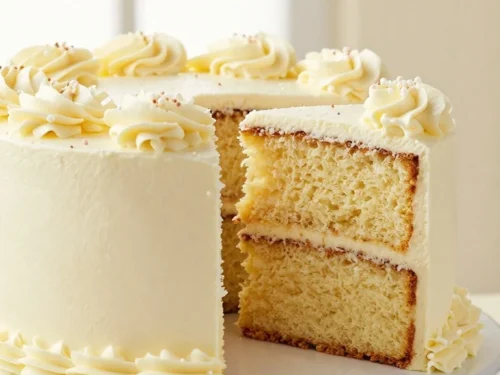
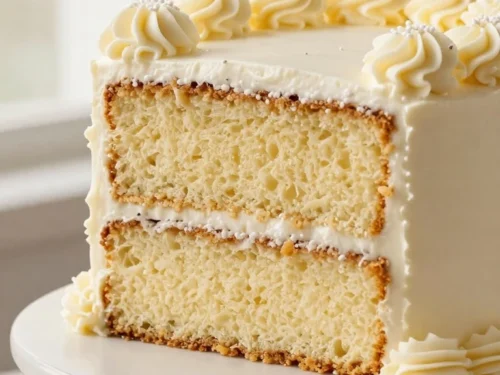
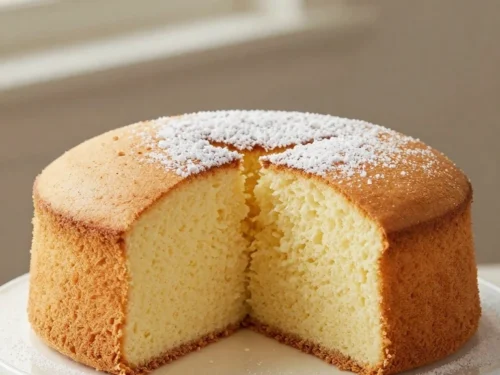
This foolproof vanilla cake recipe makes one tender, buttery two-layer cake using everyday ingredients and a simple creaming method. Prepare the batter in about 15 to 20 minutes, bake the two layers for 25 to 30 minutes at 175°C/350°F, and cool completely before frosting.
Every bite has a delicate golden crumb, creamy vanilla flavor, and just enough sweetness for birthdays, afternoon tea, or an easy weekend dessert. The method is dependable because softened butter, room-temperature eggs and milk, careful mixing, and a short bake create a cake that is light without being fragile.
Jump to RecipeWhy You’ll Love This Recipe
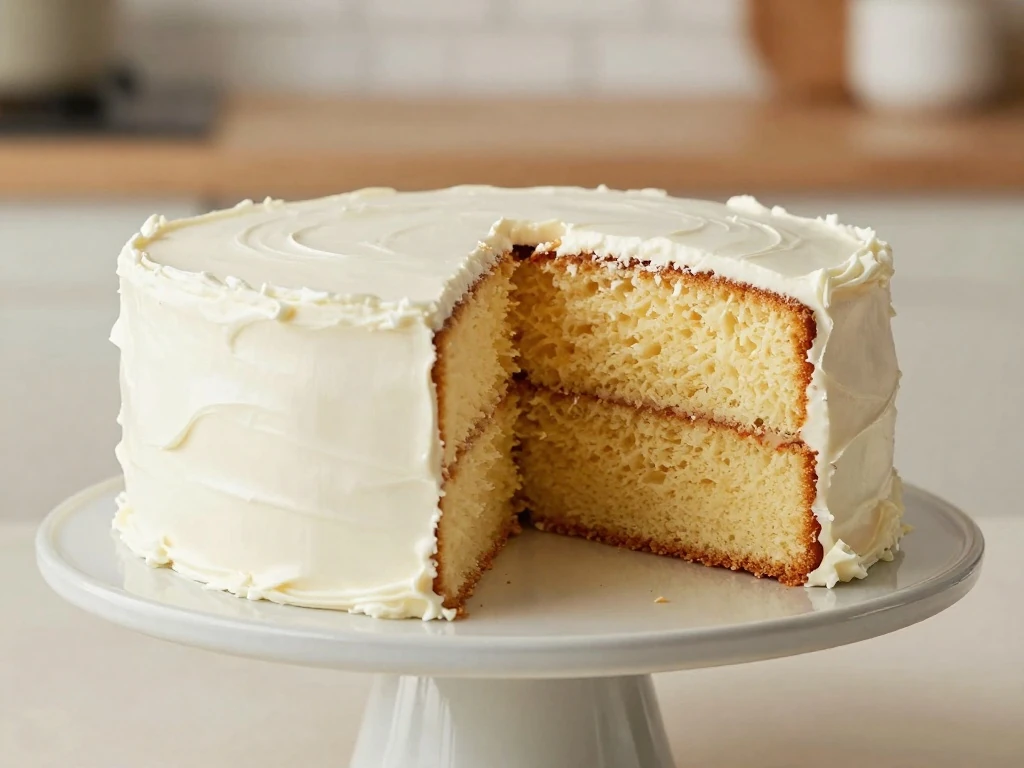
A reliable vanilla cake should be simple enough for a first-time baker and delicious enough to serve at a birthday celebration. This recipe meets both goals with a short ingredient list, one mixing bowl for the wet ingredients, and a classic butter-based crumb that tastes homemade rather than overly sweet.
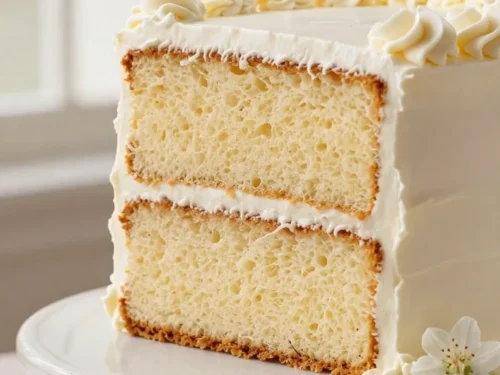
The texture is soft and tender, but it has enough structure to stack into two layers. Pure vanilla extract gives the cake a warm, fragrant flavor, while whole milk keeps the crumb moist and pleasantly rich.
The recipe is also flexible. Bake it as two 8-inch layers for a traditional decorated cake, or use one 9-inch pan for a single deeper cake. If you prefer a larger flat dessert, our sheet-cake option is a useful recipe to keep nearby.
Ingredients You’ll Need
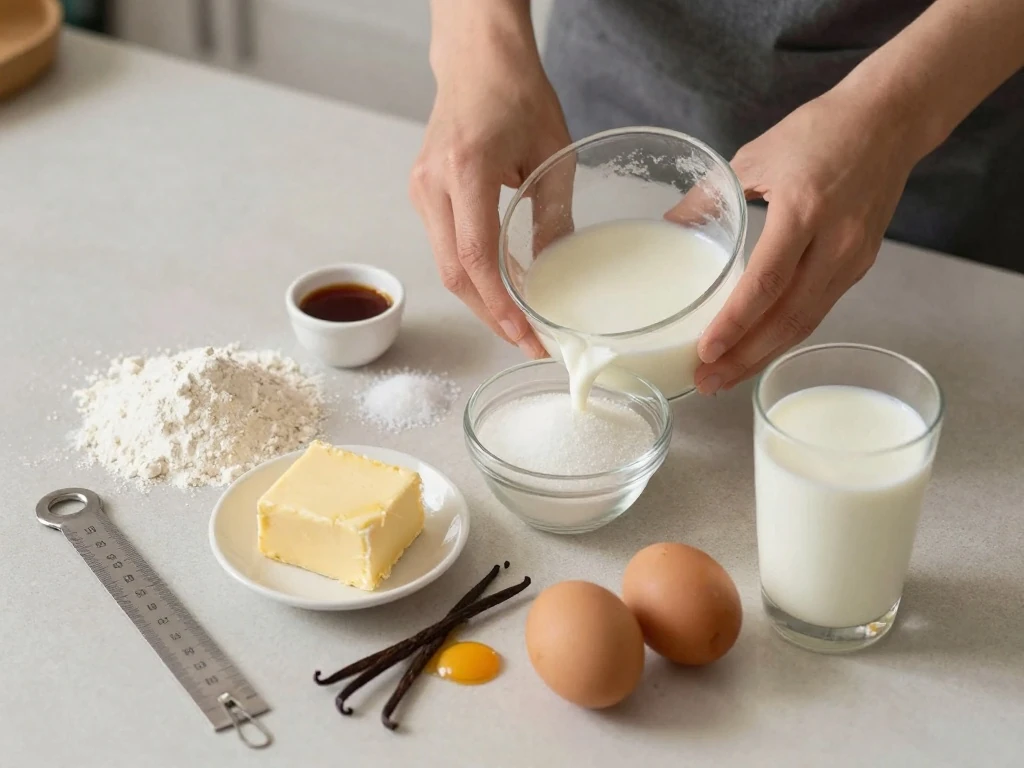
Each ingredient has a specific job, so a few small details make a noticeable difference. Use unsalted butter so you can control the salt, and choose pure vanilla extract for the clearest classic flavor.
- 225 g flour: All-purpose or plain flour gives the cake enough structure while keeping the crumb tender.
- 2 teaspoons baking powder: This provides the lift needed for light layers.
- Butter and sugar: Creaming 170 g butter with 200 g sugar creates tiny air pockets that help the cake rise.
- Three eggs: Room-temperature eggs blend into the butter mixture more easily and add structure and richness.
- Whole milk: The 120 ml of milk adds moisture and helps produce a soft crumb.
- Vanilla and salt: Vanilla supplies the main flavor, while a small amount of salt keeps the sweetness balanced.
For the optional buttercream, use 115 g softened butter, 225 to 250 g powdered sugar, 1 to 2 teaspoons vanilla, 2 to 3 tablespoons milk or cream, and a pinch of salt. You can use the lower amount of sugar for a softer, less sweet frosting or the higher amount for a firmer finish.
How to Make It Step-by-Step
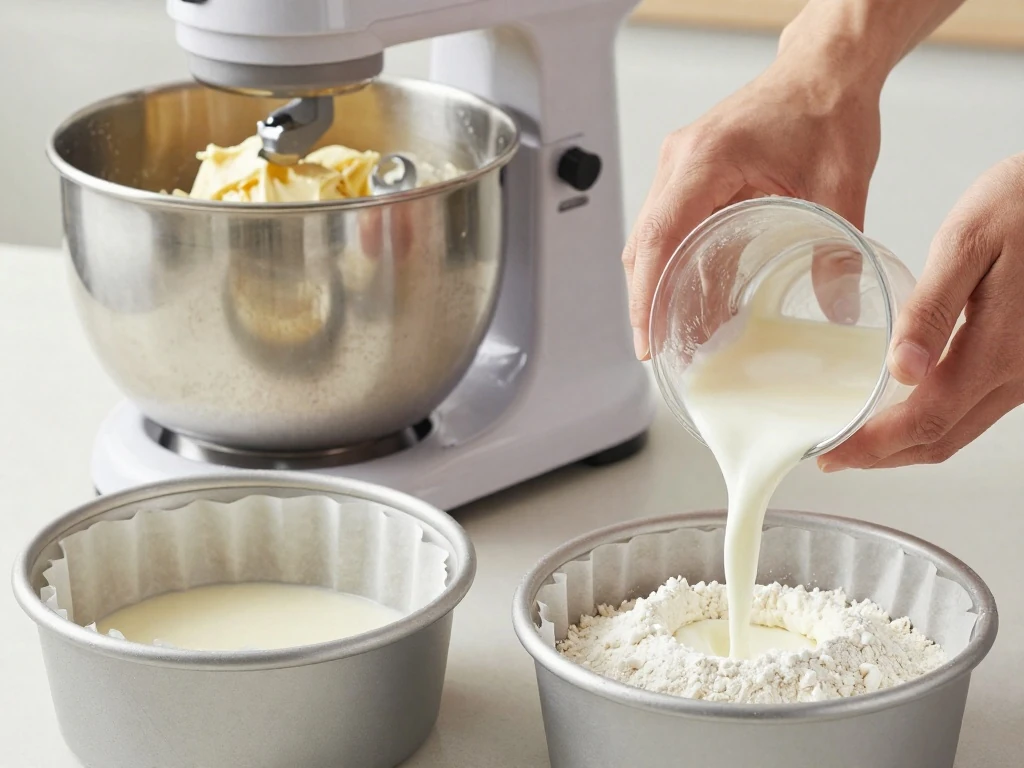
Step 1: Start by bringing the butter, eggs, and milk to room temperature. This is important because ingredients with similar temperatures combine more smoothly, helping the batter stay well mixed instead of curdling.
Step 2: Heat the oven to 175°C/350°F conventional, or about 160°C/325°F fan-assisted. Grease two 8-inch/20-cm round cake pans, line the bottoms with parchment, and lightly grease over the parchment so the baked layers release easily.
Step 3: Whisk the flour, baking powder, and fine salt in a bowl until evenly distributed. Mixing these ingredients before they enter the batter prevents pockets of baking powder or salt in the finished cake.
Step 4: Beat the softened butter and sugar for 3 to 4 minutes, stopping to scrape the bowl once or twice. The mixture should look pale, creamy, and fluffy rather than dense; this creaming stage incorporates air and is central to the cake’s light texture.
Step 5: Add the eggs one at a time, beating well after each addition and scraping down the bowl. Mix in the vanilla once the eggs are incorporated, and do not worry if the mixture looks slightly loose at this stage.
Step 6: Add the flour mixture in two or three additions, alternating with the milk. Begin and end with the dry ingredients, and mix only until no visible streaks of flour remain; extended mixing after flour is added can make the cake tough.
Step 7: Divide the batter evenly between the prepared pans and smooth the tops with a spatula. If you want especially even layers, weigh the pans after filling and move a small amount of batter from one pan to the other before baking.
Step 8: Bake for 25 to 30 minutes, checking near the shorter end of the range. The tops should spring back lightly when touched, and a skewer inserted into the center should come out clean or with a few moist crumbs.
Step 9: Let the cakes cool in their pans for 10 minutes, then turn them onto a wire rack. Peel away the parchment and let the layers cool completely before frosting, since even mild warmth can soften buttercream.
Step 10: Make the buttercream by beating the butter until smooth, then gradually adding the powdered sugar. Add vanilla, salt, and enough milk or cream to make the frosting easy to spread, then assemble the cake with one layer of buttercream between the cakes.
Pro Tips for a Tender Cake
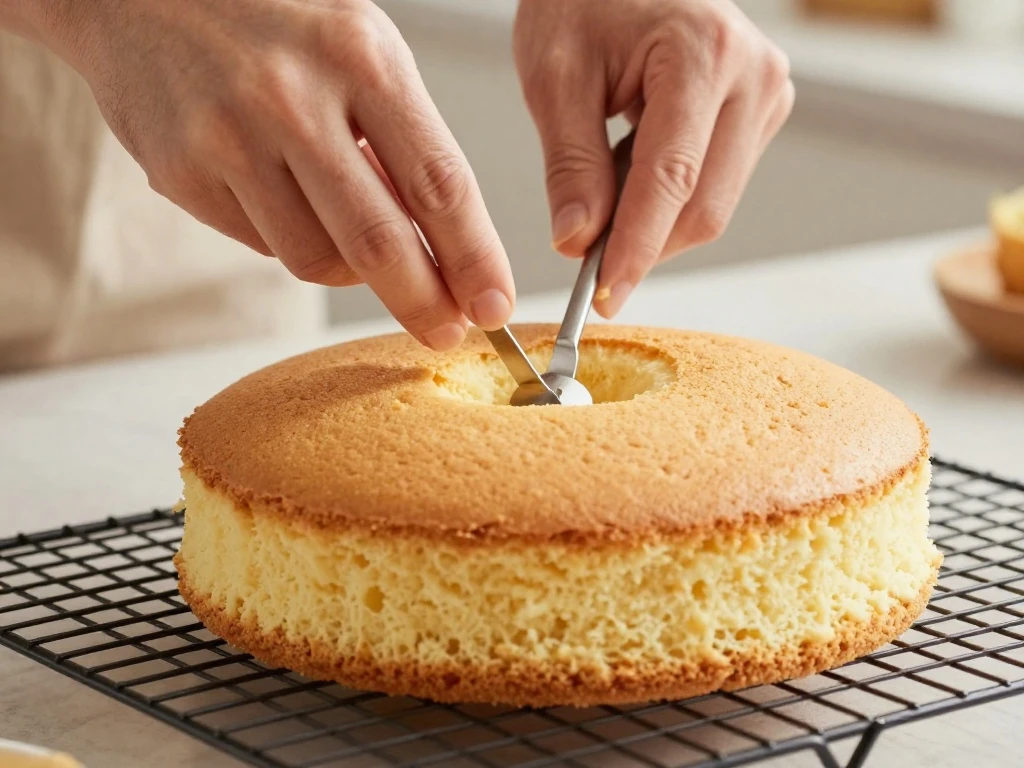
Room-temperature ingredients are one of the easiest ways to improve the batter. Cold eggs or milk can make the butter mixture look curdled, while softened butter blends with sugar and flour more evenly.
Measure flour by weight whenever possible. If you use cups, spoon flour into the measuring cup and level it with a straight edge instead of scooping directly from the bag, which can pack in too much flour and produce a dry cake.
Pay attention to the butter texture. It should be soft enough to press with a finger but not shiny, melted, or oily; melted butter cannot hold the air created during creaming.
Do not judge doneness by color alone. Vanilla cake can look beautifully golden before the center is ready, so rely on the spring-back test and a skewer showing a few moist crumbs.
For another approach to this classic flavor, compare the method with our perfect vanilla version. The comparison can help when choosing between a simple layer cake and a slightly different style for your occasion.
Easy Decorating and Serving Ideas
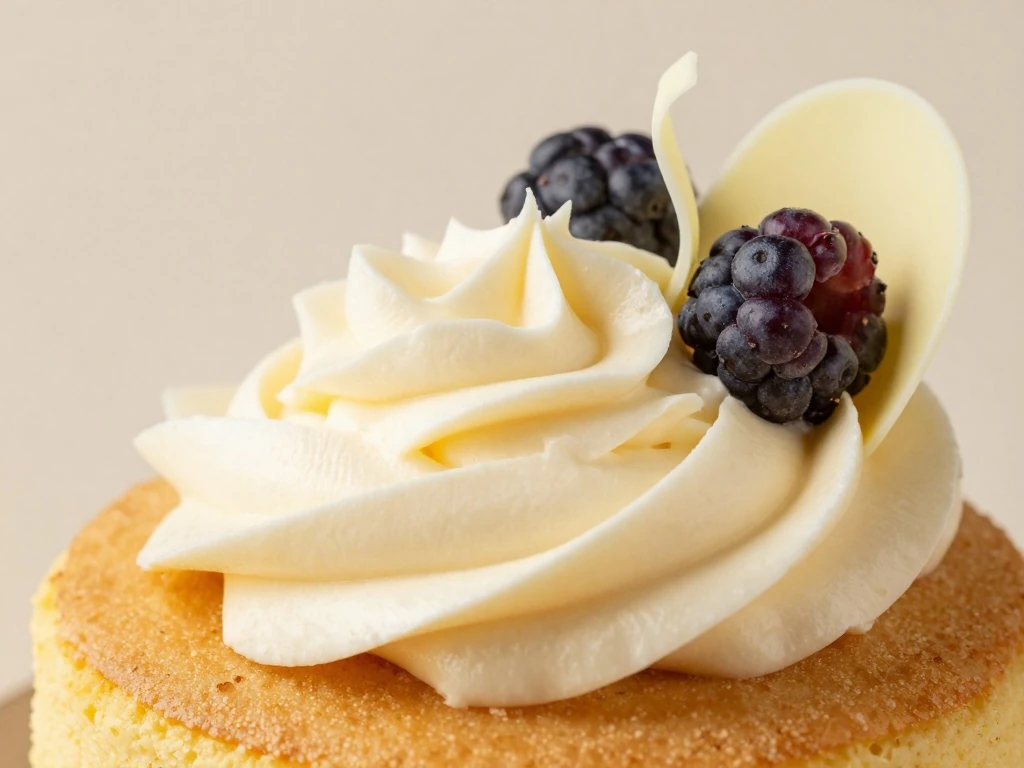
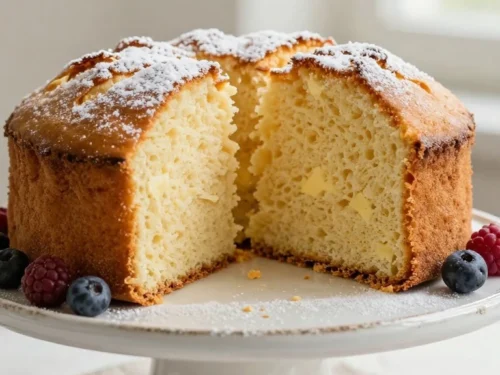
Leave the buttercream smooth for a clean, classic finish, or create gentle swirls with the back of a spoon. A light dusting of powdered sugar works beautifully when you want the cake to look understated and you do not need a full frosting layer.
Fresh berries, thin strawberry slices, or a few curls of white chocolate make attractive toppings without changing the vanilla flavor. For a birthday, add sprinkles immediately after frosting so they adhere before the buttercream forms a crust.
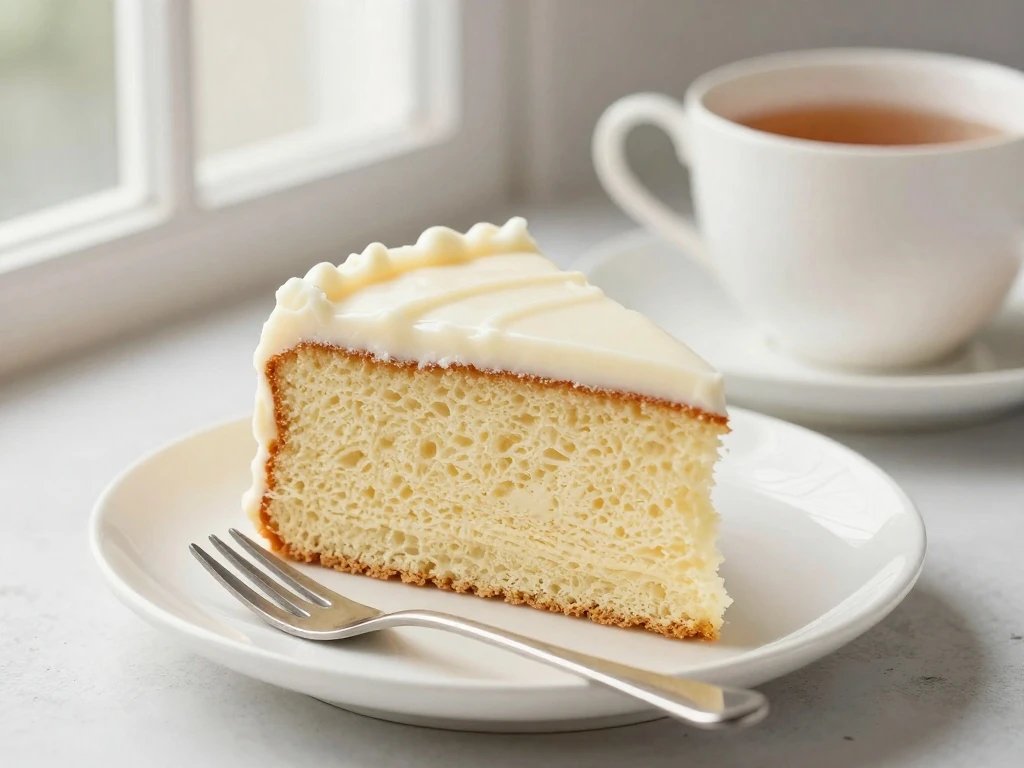
Serve slices at room temperature for the softest texture and fullest butter flavor. This cake pairs well with tea, coffee, berries, whipped cream, or a scoop of vanilla ice cream.
Storage, Make-Ahead, and Variations
Keep the finished cake covered at room temperature for up to 2 days. If your kitchen is warm or the cake has a generous layer of buttercream, refrigerate it in an airtight container, then let it sit at room temperature before serving.
The unfrosted layers can be made ahead and wrapped once completely cool. Store them well covered so the cut surfaces do not lose moisture, and frost them when you are ready to serve.
For a single deeper 9-inch/23-cm cake, use the same batter and bake for about 30 to 35 minutes. Begin checking at 30 minutes, since pan depth and oven performance can affect the final timing.
British-style bakers may substitute 225 g self-raising flour for the plain flour and baking powder, omitting the additional 2 teaspoons of baking powder. For a particularly airy texture, you can also browse our fluffy vanilla variation for another useful comparison.
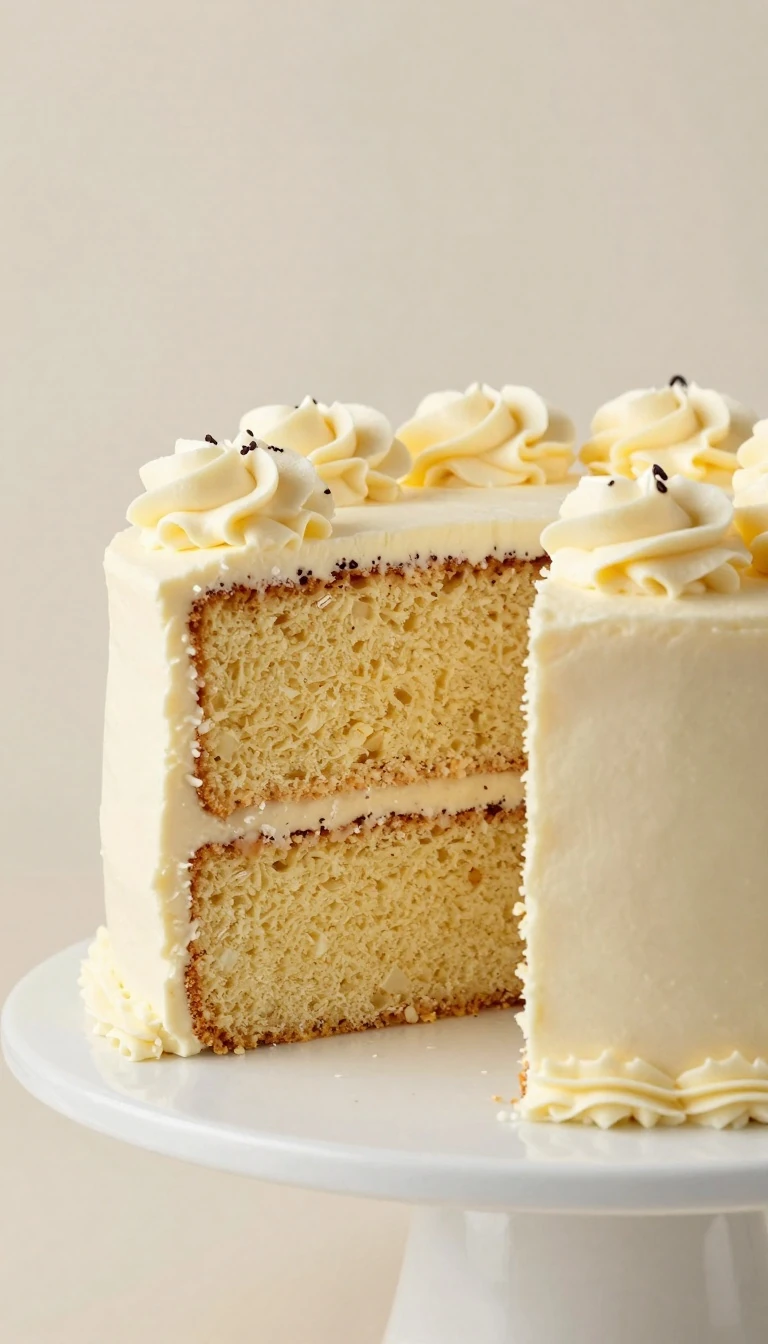
Foolproof Vanilla Cake
Ingredients
Method
- Heat the oven to 175°C/350°F conventional, or about 160°C/325°F fan-assisted. Grease two 8-inch/20-cm round cake pans and line the bottoms with parchment.
- Whisk the flour, baking powder, and salt together in a medium bowl. Set this dry mixture aside while you prepare the batter.
- Beat the softened butter and sugar for about 3 to 4 minutes, until pale and fluffy. Add the eggs one at a time, scraping down the bowl after each addition, then mix in the vanilla.
- Add the flour mixture in two or three additions, alternating with the milk. Begin and end with the dry ingredients, mixing only until the batter is combined.
- Divide the batter evenly between the prepared pans and smooth the tops. Bake for 25 to 30 minutes, until the cakes spring back lightly and a skewer comes out clean or with a few moist crumbs.
- Cool the cakes in their pans for 10 minutes, then turn them onto a wire rack and cool completely. Do not frost warm layers, as the buttercream can melt and slide.
- For the buttercream, beat the softened butter until smooth. Gradually add the powdered sugar, then add the vanilla, salt, and enough milk or cream to create a spreadable consistency.
- Place one cooled cake layer on a serving plate, spread it with buttercream, and top with the second layer. Cover the top and sides with the remaining buttercream, then slice and serve.
Notes
Final Thoughts
This foolproof vanilla cake earns its name through a handful of dependable habits: use room-temperature ingredients, cream the butter and sugar thoroughly, add the flour gently, and remove the cake from the oven as soon as it is baked. Those steps produce tender layers with a fine crumb and a clean vanilla taste every time.
Once the cake is fully cool, finish it with the simple vanilla buttercream or serve it with berries and cream. It is an approachable base for birthdays, holidays, afternoon tea, and any day when a soft homemade cake is exactly what you need.
Make the two-layer version for a polished celebration dessert, or choose the deeper single-layer format when you want less decorating. Either way, this is an easy vanilla cake worth adding to your regular baking list.