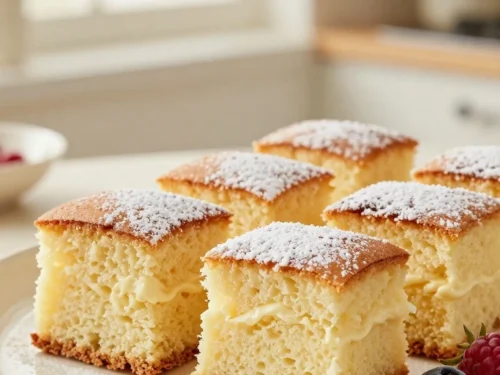
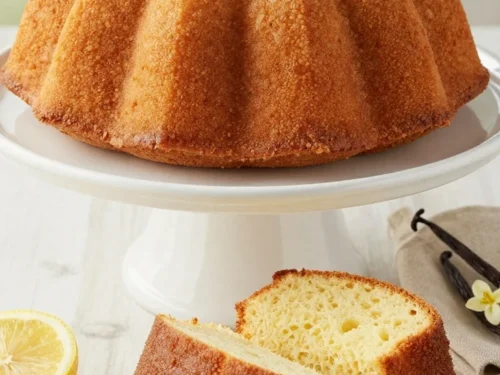
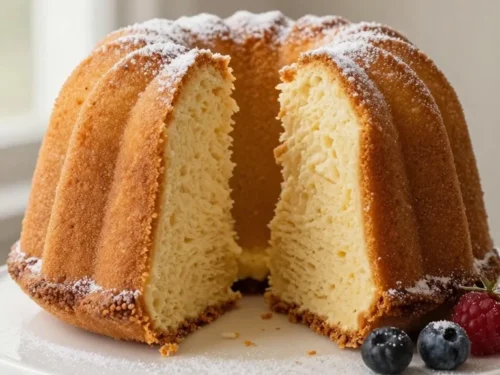
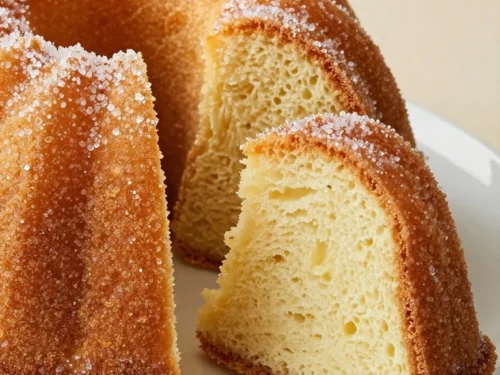
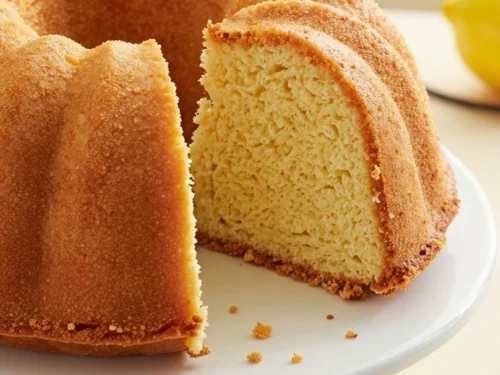
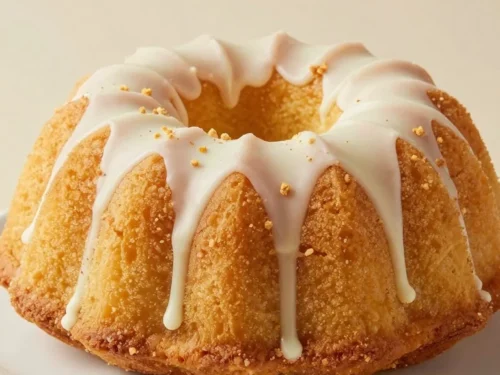
Grandma’s old fashioned butter cake is a tender American-style cake made with softened unsalted butter, sugar, eggs, flour, baking powder, salt, vanilla, and whole milk. Bake it at 350°F (175°C) for 40–50 minutes in a 9-by-13-inch pan, and you will have 12–16 generous servings of golden, buttery cake for family gatherings, afternoon coffee, or an easy dessert.
This classic butter cake has a soft, fine crumb, lightly crisp golden edges, and a rich buttery flavor without the dense texture of a traditional pound cake. Serve it plain, dusted with powdered sugar, or topped with berries and whipped cream for the comforting taste of an old-fashioned homemade dessert.
Jump to RecipeWhy You’ll Love This Recipe
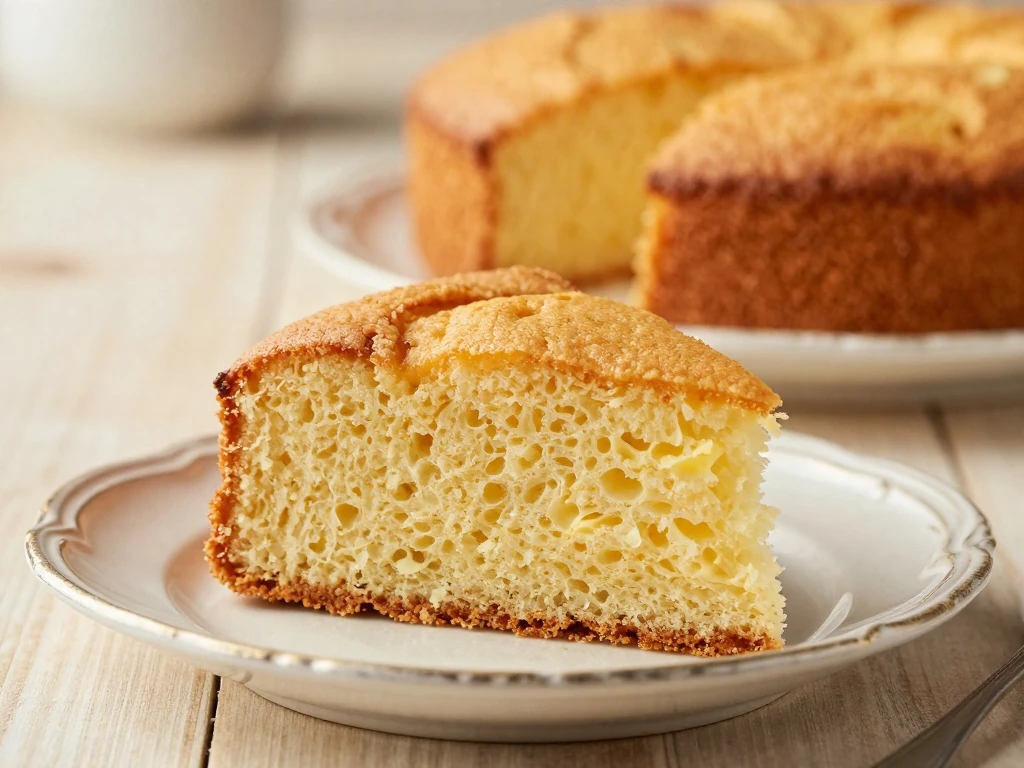
There is a reason old-fashioned butter cake remains a favorite in home kitchens. It uses familiar pantry ingredients, requires no special filling or frosting, and produces a generous cake that feels festive enough for guests while still being easy enough for a weekday bake.
The flavor is rich but balanced. Butter gives the cake its unmistakable creamy taste, while vanilla adds a warm bakery note and whole milk keeps the crumb soft without making it heavy.
Unlike a traditional pound cake, this recipe is a tender butter cake rather than a dense cake made with equal weights of butter, sugar, eggs, and flour. The result is light enough for an afternoon snack but sturdy enough to serve with fruit, cream, or a drizzle of glaze.
If you enjoy comparing classic family-style cakes, you may also like this old-fashioned pound cake, which has a denser and more traditional crumb.
Ingredients You’ll Need
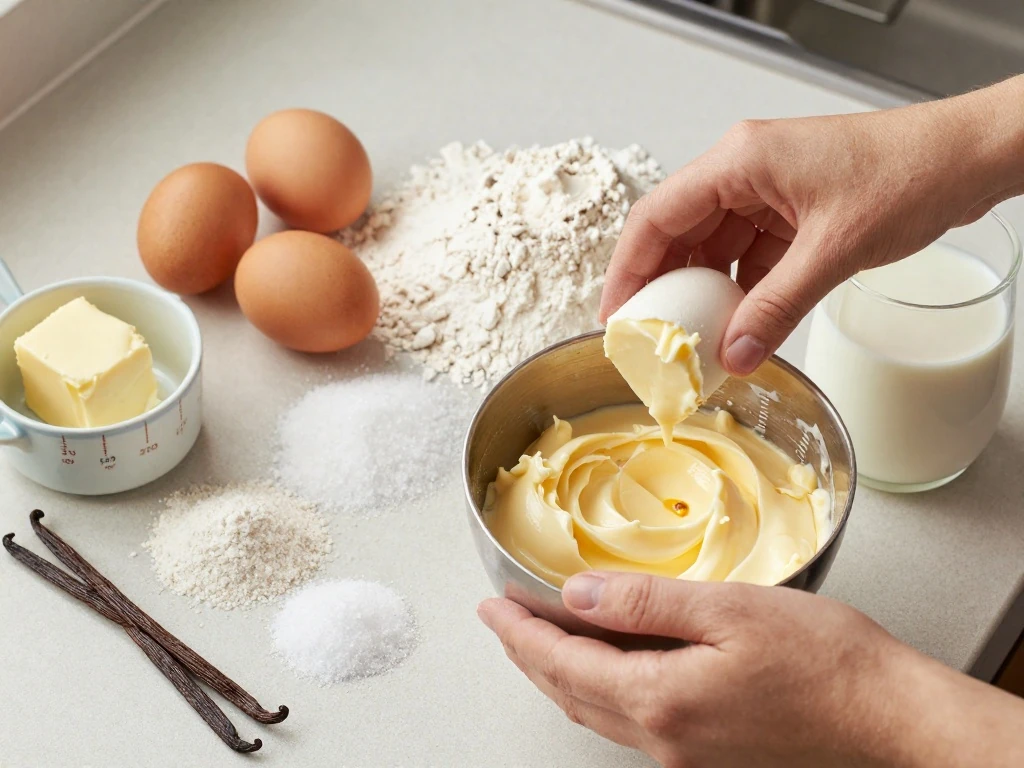
The ingredient list is short, but each item has an important job. Gather everything before mixing so the batter can be prepared without interruptions.
- Butter: One cup of unsalted butter provides the main flavor and helps create a delicate crumb. It must be softened, not melted.
- Sugar: Two cups of granulated sugar sweeten the cake and help the butter become light and airy during creaming.
- Eggs: Four large room-temperature eggs add structure, richness, and moisture.
- Vanilla: One teaspoon gives the cake a familiar, fragrant finish.
- Flour, baking powder, and salt: These form the dry base, provide lift, and keep the sweetness balanced.
- Whole milk: One cup adds moisture and helps create a smooth, tender batter.
Room-temperature ingredients are especially helpful here. Cold eggs or milk can cause the creamed butter to look curdled, while softened butter blends more evenly with the sugar.
For another buttery dessert to keep in your baking collection, see this approachable easy butter cake recipe for a related take on the same beloved style.
How to Make It Step-by-Step
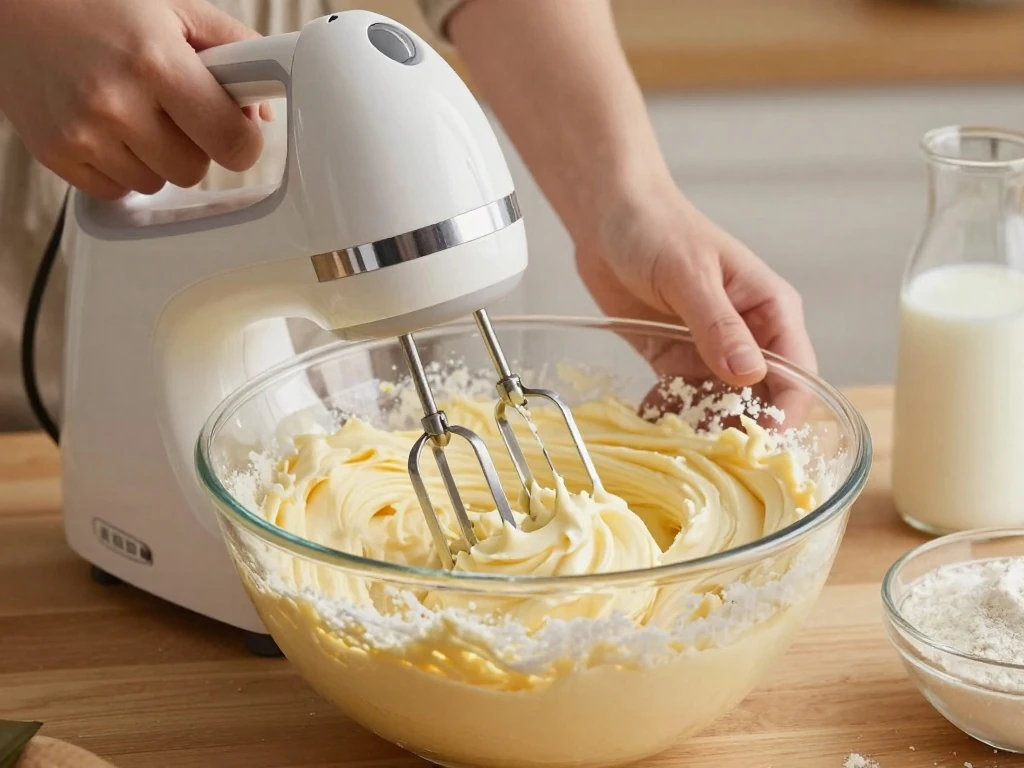
Step 1: Prepare the pan and oven.
Grease and flour a 9-by-13-inch baking pan, making sure the corners and sides are covered. Preheat the oven to 350°F (175°C) so the cake goes into a fully heated oven as soon as the batter is ready.
Step 2: Combine the dry ingredients.
Whisk the all-purpose flour, baking powder, and salt in a medium bowl until evenly distributed. This quick step helps prevent pockets of baking powder or salt from remaining in the finished cake.
Step 3: Cream the butter and sugar.
Place the softened butter and granulated sugar in a large mixing bowl and beat for about 3–5 minutes. Stop when the mixture looks pale, fluffy, and noticeably lighter in texture, because this creaming step incorporates much of the air that helps the cake rise.
Step 4: Add the eggs and vanilla.
Beat in the eggs one at a time, mixing well after each addition before adding the next. Stir in the vanilla extract, scraping down the sides of the bowl if needed so the mixture stays evenly blended.
Step 5: Alternate the flour and milk.
Add the dry mixture in portions, alternating with the whole milk, and begin and end with the dry ingredients. Mix only until no obvious streaks of flour remain, since excessive mixing after flour is added can make the cake tough.
Step 6: Fill the pan.
Transfer the batter to the prepared pan and spread it evenly into the corners with a spatula. A level surface helps the cake bake uniformly and makes it easier to cut into neat pieces later.
Step 7: Bake until golden.
Bake for 40–50 minutes, watching for a golden top and set edges. Insert a toothpick into the center; it should come out clean or with a few moist crumbs, but not with wet batter.
Step 8: Cool and serve.
Let the cake cool in the pan for 10–15 minutes before transferring it to a rack. Slice it once it is comfortably warm or fully cool, then serve plain or add powdered sugar, fruit, whipped cream, or a simple glaze.
Pro Tips for a Tender Crumb
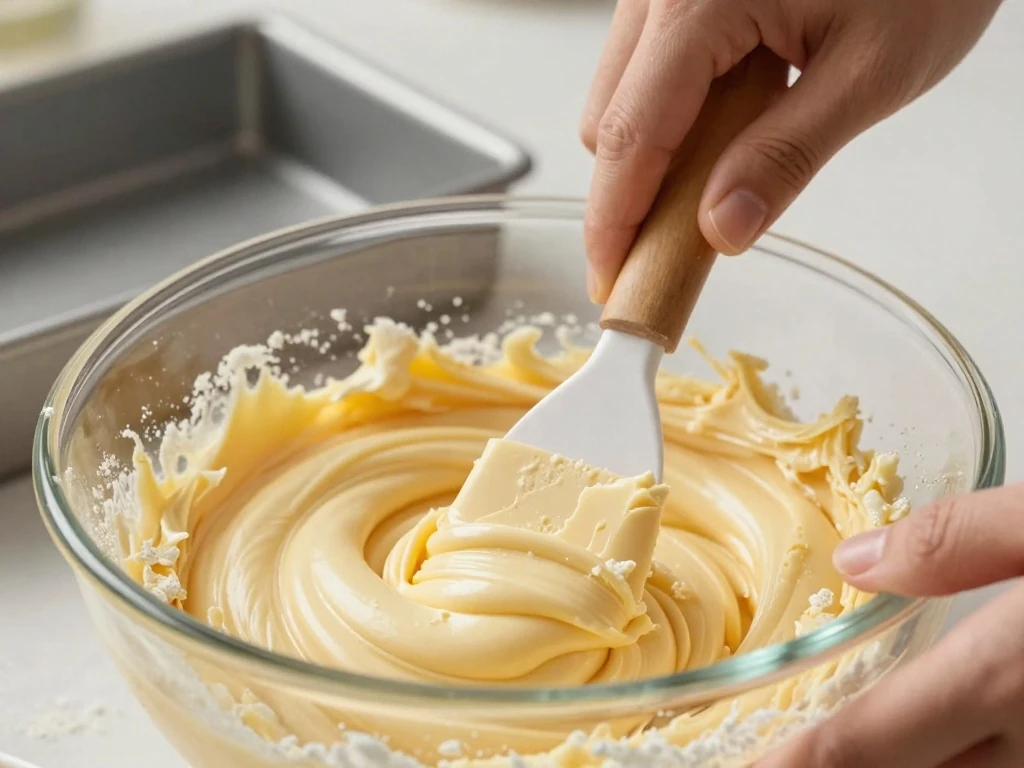
Proper creaming is the most important technique in this recipe. Beat the butter and sugar for the full 3–5 minutes rather than stopping as soon as they are blended; the mixture should be pale and fluffy, not merely smooth.
Softened butter should yield when pressed with a finger but should still hold its shape. If it is melted or greasy, it cannot trap air in the same way, and the cake may bake with a heavier texture.
Bring the eggs and milk to room temperature before beginning. Ingredients with similar temperatures combine more readily, which helps the batter stay smooth and gives the cake a finer, more even crumb.
- Measure flour carefully, preferably by weight, or spoon it into measuring cups and level the tops.
- Scrape the bowl once or twice during mixing so no butter or flour remains at the bottom.
- Do not keep beating after the last flour streak disappears.
- Begin and end the alternating additions with the dry ingredients.
- Use the toothpick test in the center, where the cake takes longest to finish baking.
If you choose a Bundt or tube pan instead of a 9-by-13-inch pan, grease every groove carefully and dust the inside with flour. Bake for 50–60 minutes, since the deeper shape needs more time than a shallow rectangular pan.
Serving Ideas and Simple Toppings
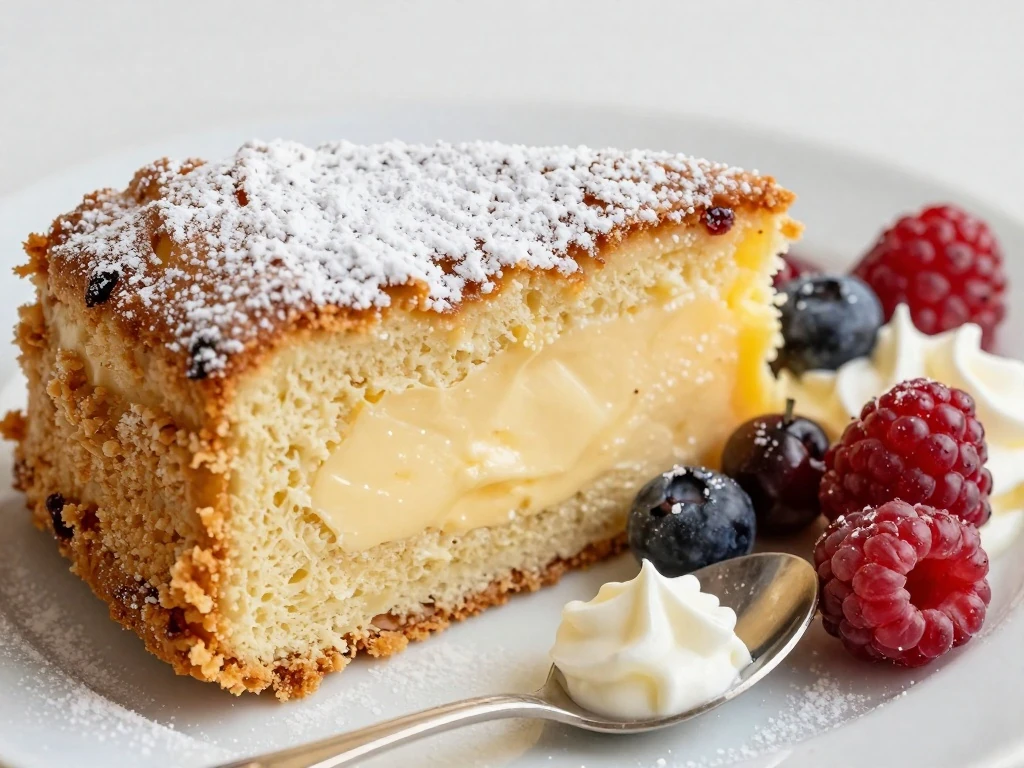
This cake is delicious with no topping at all, especially while it is still slightly warm. The buttery crumb and golden edges provide plenty of flavor for a simple coffee-time slice.
For a classic presentation, sift powdered sugar over the cooled cake just before serving. The sugar adds a delicate sweetness and gives the plain cake a pretty finish without hiding its golden surface.
- Serve with fresh berries and softly whipped cream.
- Add a thin vanilla or milk glaze after the cake has cooled.
- Pair a warm slice with tea, coffee, or a glass of cold milk.
- Cut smaller squares for a dessert tray or larger pieces for a family-style meal.
Fruit lovers can also serve this cake alongside a spoonful of pineapple topping. For another nostalgic dessert with fruit built into the recipe, take a look at this old-fashioned pineapple cake.
Storage and Make-Ahead Advice
Once completely cool, keep the cake covered at room temperature for short-term storage. A cake keeper, tightly wrapped pan, or airtight container helps protect the crumb from drying out.
Wait to add powdered sugar, berries, whipped cream, or glaze until serving time. This keeps the surface neat and prevents juicy fruit or moist toppings from changing the texture of the cake during storage.
For gatherings, bake the cake earlier in the day and let it cool fully before slicing. The flavor remains buttery and pleasant as it rests, and the slices become easier to handle once the crumb has set.
If using a Bundt or tube pan, allow the cake to cool in the pan for 10–15 minutes before turning it out. Cooling briefly helps the structure settle, while leaving it in the pan too long can make releasing it more difficult.
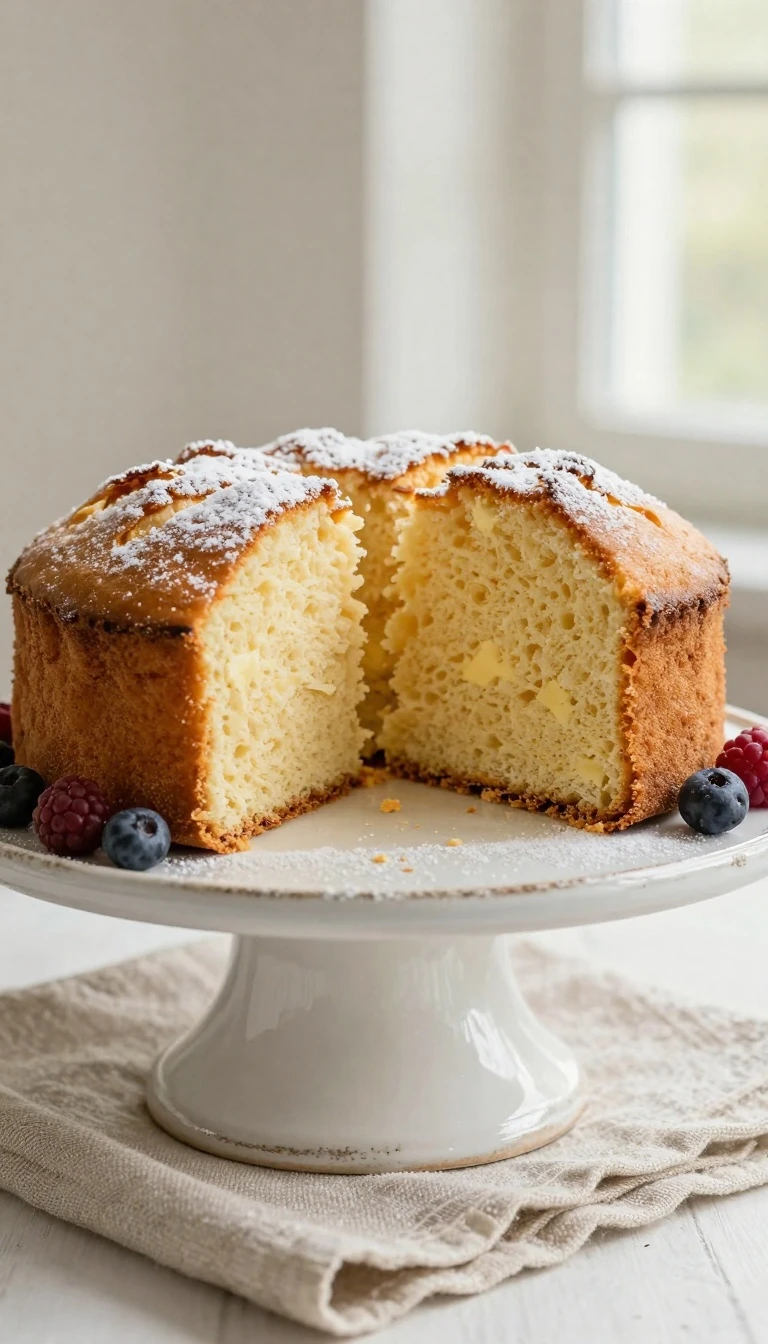
Grandma's Old Fashioned Butter Cake
Ingredients
Method
- Grease and flour a 9-by-13-inch baking pan. Preheat the oven to 350°F (175°C).
- Whisk the flour, baking powder, and salt together in a medium bowl.
- Beat the softened butter and granulated sugar for 3–5 minutes, until pale, light, and fluffy.
- Add the room-temperature eggs one at a time, beating well after each addition. Mix in the vanilla extract.
- Add the dry ingredients alternately with the whole milk, beginning and ending with the dry ingredients. Mix only until the batter is combined.
- Spread the batter evenly in the prepared pan and bake for 40–50 minutes, until golden and a toothpick comes out clean or with a few moist crumbs.
- Cool the cake in the pan for 10–15 minutes, then transfer it to a rack. Serve plain or with your favorite topping.
Notes
Final Thoughts
Grandma’s old fashioned butter cake is the kind of recipe that earns a permanent place in a family cookbook. With one bowl for the dry ingredients, one bowl for the creamed butter mixture, and a straightforward baking method, it delivers a tender golden cake without complicated decoration.
Remember the essentials: use room-temperature ingredients, cream the butter and sugar until truly fluffy, alternate the flour mixture with the milk, and stop mixing as soon as the batter comes together. Those small details make the difference between an ordinary cake and the soft, flavorful crumb this classic recipe is known for.
Serve it plain for a nostalgic treat, or add powdered sugar, berries, whipped cream, or glaze when you want something more festive. However you present it, this butter cake brings the warm, familiar comfort of a homemade dessert to the table.