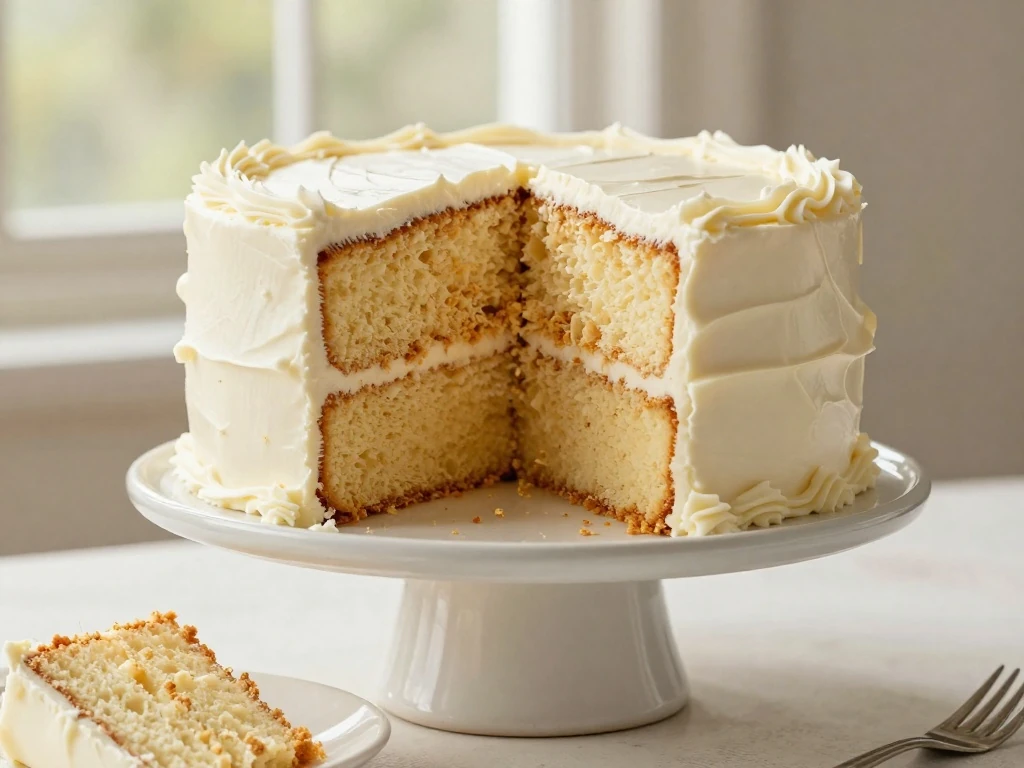
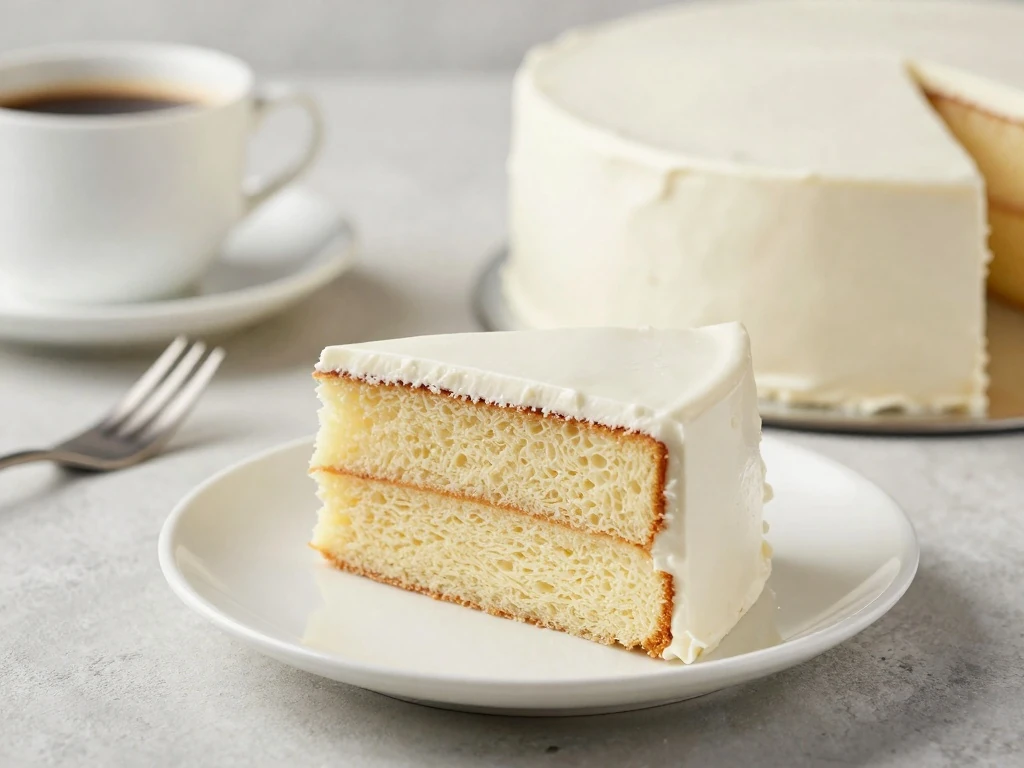
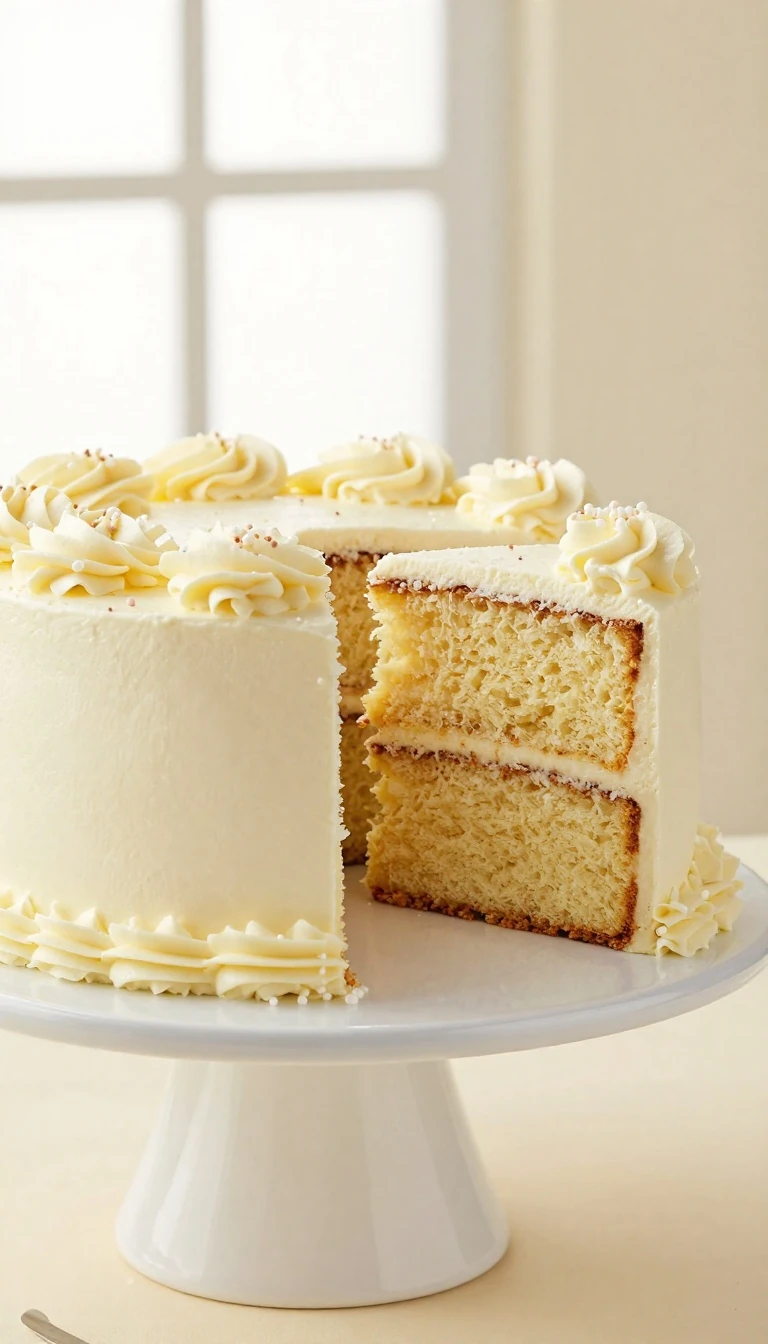
This classic vanilla cake recipe makes one tender two-layer 8-inch cake in about 1 hour and 15 minutes, excluding frosting. The buttery batter uses all-purpose flour, granulated sugar, softened unsalted butter, eggs, vanilla extract, whole milk, baking powder, and salt for a dependable homemade cake that serves approximately 8 to 12 people.
Every bite has a soft, fine crumb, a warm vanilla aroma, and a gently buttery flavor that pairs beautifully with vanilla buttercream, chocolate frosting, fresh berries, or whipped cream. It is simple enough for a weekday baking project yet special enough for birthdays, showers, anniversaries, and family celebrations.
A classic vanilla cake earns its place in every home baker’s collection because it is familiar, flexible, and wonderfully comforting. The butter-and-sugar base gives the cake a delicate richness, while whole milk keeps the crumb soft without making the batter complicated.
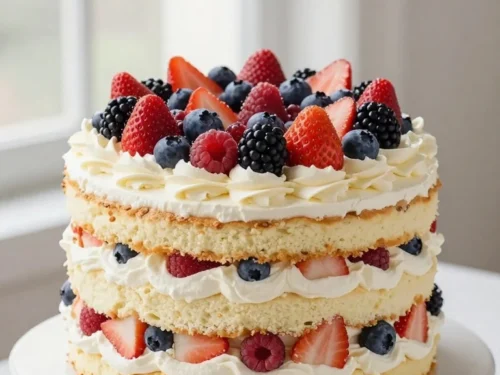
This recipe is also easy to adapt at serving time. Frost the layers with vanilla buttercream for a traditional birthday cake, add strawberry jam for a fruity filling, or serve slices with berries and lightly sweetened whipped cream.
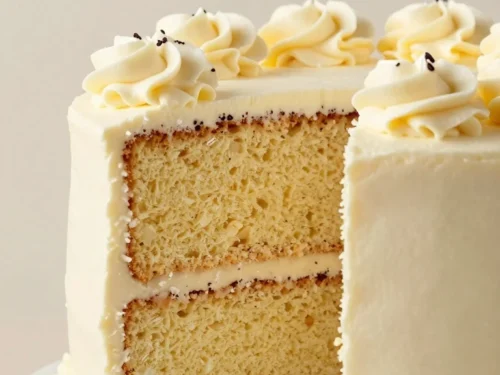
The finished cake has enough structure to stack neatly but remains tender when sliced. For another soft vanilla option, you can also try this soft vanilla cake when you want to compare textures and styles.
Ingredients You’ll Need
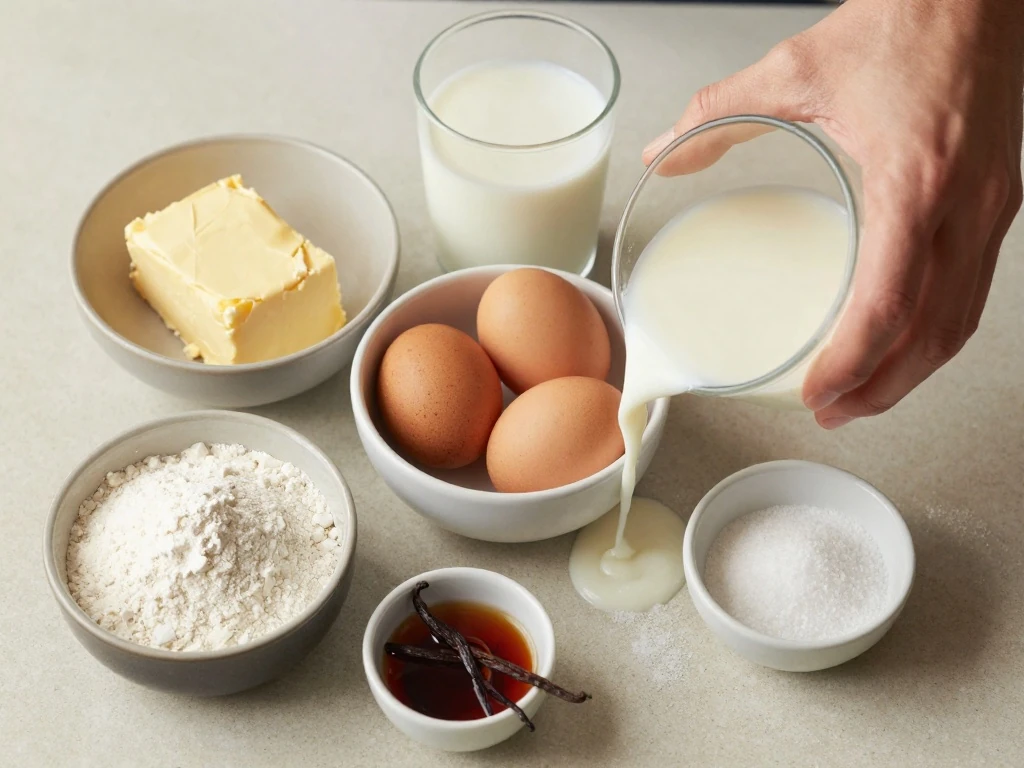
Gather the ingredients before mixing, and bring the butter, eggs, and milk to room temperature. Ingredients at similar temperatures blend more evenly, which helps create a uniform crumb and prevents the batter from looking curdled.
All-purpose flour: Two cups, or 240 grams, provide the cake’s structure. Weighing the flour is the most reliable method because a packed measuring cup can add too much and result in a dry cake.
Granulated sugar: The 1 1/2 cups, or 300 grams, sweeten the cake and help create a tender texture.
Unsalted butter: Use 1/2 cup, or 113 grams, softened enough to beat smoothly with the sugar. Unsalted butter lets you control the salt in the recipe.
Eggs: Two large room-temperature eggs add richness, structure, and moisture.
Whole milk: One cup, or 240 milliliters, gives the batter a smooth consistency and a soft crumb.
Flavor and lift: Two teaspoons of pure vanilla extract provide the signature flavor, while two teaspoons of baking powder help the layers rise. One teaspoon of salt keeps the sweetness balanced.
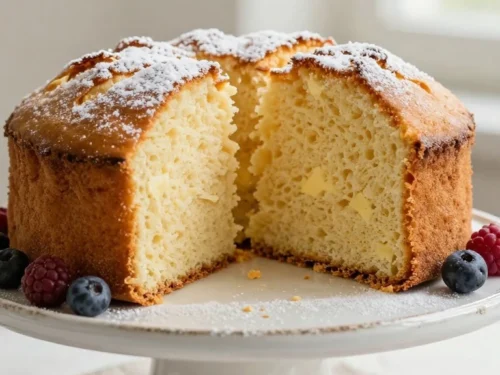
For a different approach to this familiar bake, take a look at our favorite vanilla cake variation. The proportions and method here remain focused on a straightforward butter-cake style.
How to Make It Step-by-Step
Step 1: Heat the oven to 350°F (175°C), then grease two 8-inch round cake pans. Line the bottoms with parchment so the layers release easily after baking, while leaving the sides greased to help prevent sticking.
Step 2: Add the flour, baking powder, and salt to a bowl and whisk until evenly distributed. This short step prevents pockets of baking powder or salt from hiding in the finished cake.
Step 3: Place the softened butter and sugar in a separate large bowl. Beat them for 2 to 3 minutes, until the mixture looks noticeably lighter, fluffy, and creamy; this aeration supports a lighter cake texture.
Step 4: Beat in the eggs one at a time, allowing each egg to blend into the butter mixture before adding the next. Mix in the vanilla extract, scraping the sides and bottom of the bowl so the flavor is evenly distributed.
Step 5: Add the dry mixture in three additions, alternating with the milk in two additions. Begin and end with the dry ingredients, and mix only until no obvious streaks of flour remain; overmixing can develop gluten and make the cake tough.
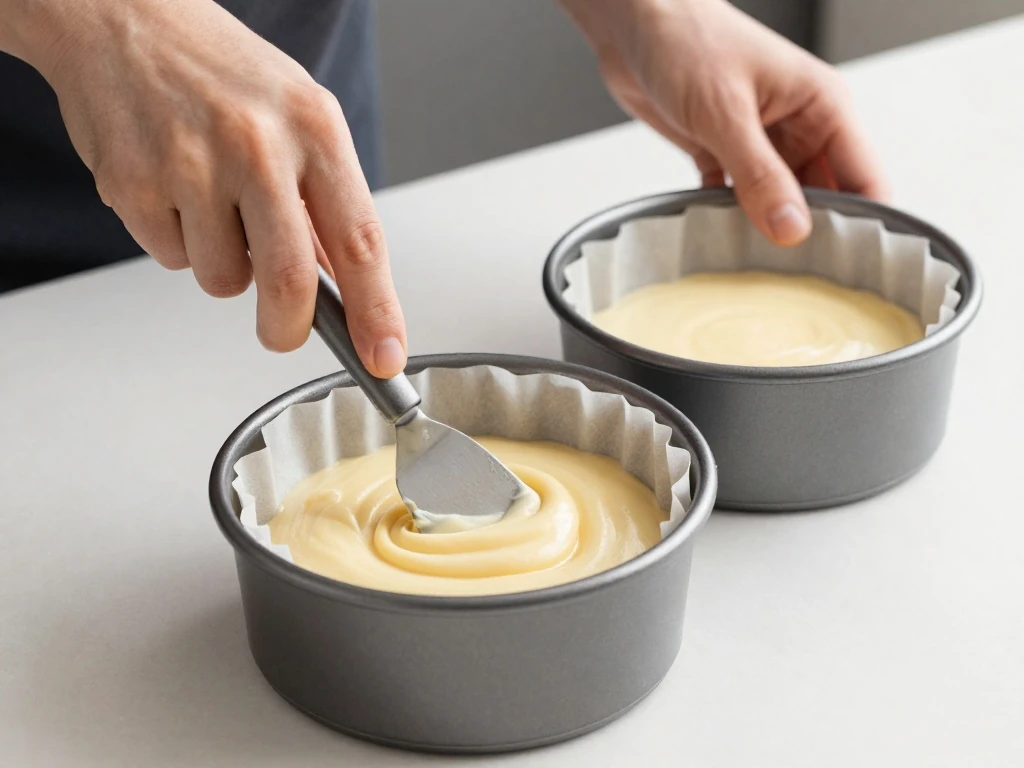
Step 6: Divide the batter evenly between the prepared pans, using a scale if you want especially uniform layers. Smooth the tops with a spatula so both cakes bake at the same rate.
Step 7: Bake for 30 to 35 minutes, but begin checking a few minutes before that range ends. The cakes are ready when the centers spring back lightly and a toothpick inserted in the middle comes out clean or with a few moist crumbs.
Step 8: Let the cakes cool in their pans for about 10 minutes, then carefully turn them onto a wire rack. Allow them to cool completely for 30 to 60 minutes before filling or frosting, since warm layers can melt frosting and slide apart.
Pro Tips for a Tender Crumb
Room-temperature ingredients are one of the easiest ways to improve this cake. Soft butter can trap air as it is beaten with sugar, and room-temperature eggs and milk incorporate into that mixture more smoothly.
Measure the flour by weight whenever possible. If using cups, fluff the flour, spoon it into the measuring cup, and level it with a straight edge instead of dipping the cup into the bag.
Pay close attention once the flour enters the bowl. Scrape down the sides as needed, but stop mixing as soon as the batter is combined; a few tiny lumps are preferable to a heavily worked batter.
Ovens, pan colors, and pan materials can change baking speed. Begin checking a few minutes early, and rely on the lightly springing center and toothpick test rather than time alone.
Frosting and Decorating Ideas
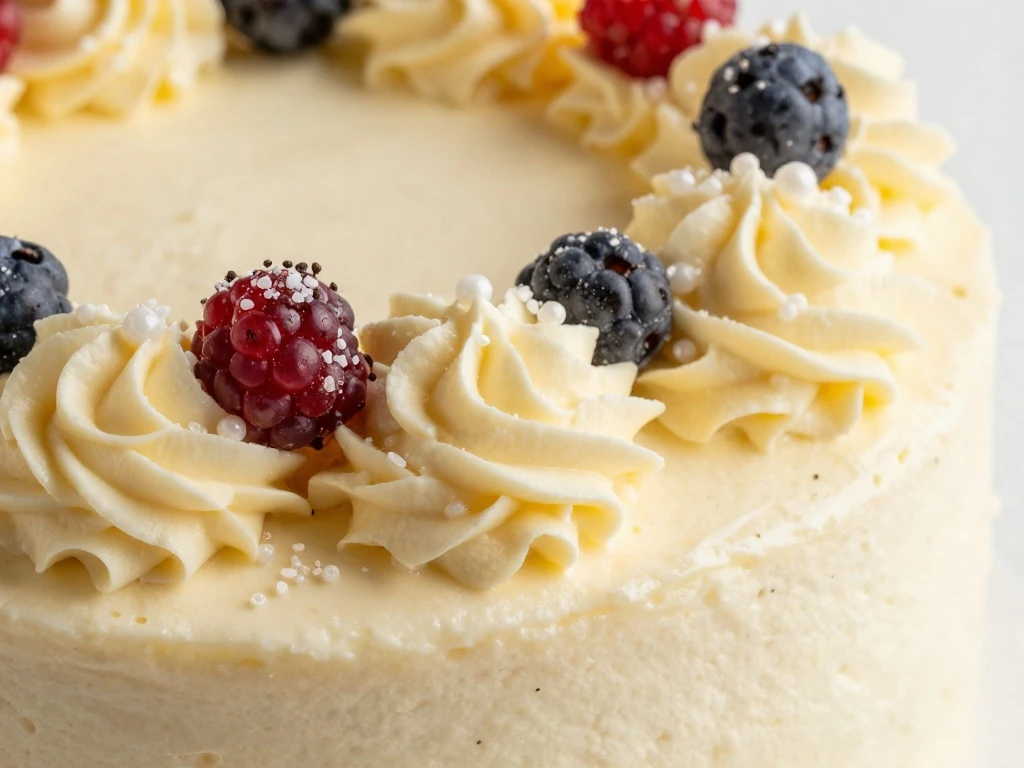
Once the layers are completely cool, trim any domed tops if needed and place one layer on a serving plate. Spread frosting over it, add the second layer, then cover the top and sides with the remaining frosting.
Choose vanilla buttercream for a traditional birthday-cake finish.
Add thin layers of raspberry or strawberry jam beneath the frosting for bright fruit flavor.
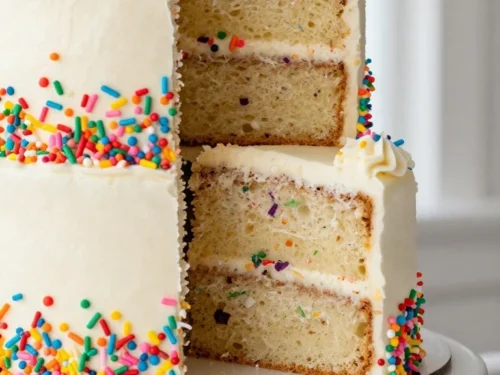
Decorate with fresh berries, white chocolate curls, colorful sprinkles, or a light dusting of powdered sugar.
Serve each slice with whipped cream and seasonal fruit for a simple dessert presentation.
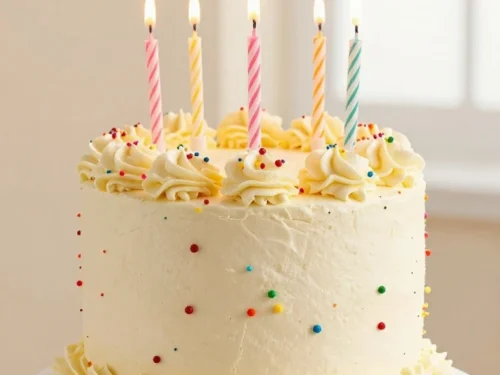
For a celebration-specific version, see this guide to a beautiful vanilla birthday cake. It can inspire your decorating plan while this recipe supplies the dependable cake layers.
Storage, Serving, and Make-Ahead Advice
Unfrosted cake layers can be wrapped well once fully cool and kept at room temperature for a short period before assembly. If you need to prepare them farther in advance, wrap them securely and refrigerate them, then let them lose their chill before frosting.
A fully frosted cake is best kept covered so the crumb does not dry out. Bring it to room temperature before serving for the most fragrant vanilla flavor and the softest bite.
To make the work easier, bake the layers earlier in the day and frost them after they have cooled completely. Cooling for the full 30 to 60 minutes is important because it gives the crumb time to set and makes assembly cleaner.
Common Questions About Vanilla Cake
Can I use cold ingredients? It is better to use room-temperature butter, eggs, and milk. Cold ingredients may not combine as evenly, which can affect the batter’s texture and the cake’s final crumb.
Why did my cake turn out dry? Too much flour is a common cause, especially when flour is packed into measuring cups. Overbaking can also dry the layers, so start checking before the 30-minute mark and remove them when the toothpick shows clean or moist crumbs.
Why is the cake tough? Excess mixing after the flour is added develops gluten. Alternate the dry ingredients and milk as directed, scrape the bowl gently, and stop mixing as soon as the batter comes together.
Can I frost the cake while it is warm? Wait until the layers are completely cool. Warm cake can soften or melt frosting and make the assembled layers difficult to keep in place.
Classic Vanilla Cake Recipe
A tender two-layer butter cake with a delicate crumb and pure vanilla flavor. This dependable 8-inch cake serves about 8 to 12 people and is ready for frosting after it cools completely.
Heat the oven to 350°F (175°C). Grease two 8-inch round cake pans and line the bottoms with parchment paper.
Whisk the flour, baking powder, and salt together in a medium bowl.
Beat the softened butter and granulated sugar for about 2 to 3 minutes, until light and fluffy.
Beat in the eggs one at a time, then mix in the vanilla extract.
Add the dry ingredients in three additions, alternating with the milk in two additions. Mix only until the batter is combined, scraping down the bowl as needed.
Divide the batter evenly between the prepared pans and smooth the tops.
Bake for 30 to 35 minutes, checking a few minutes early, until the centers spring back lightly and a toothpick comes out clean or with a few moist crumbs.
Cool the cakes in their pans for about 10 minutes, then turn them out onto a rack. Cool completely for 30 to 60 minutes before filling or frosting.
Notes
Use room-temperature butter, eggs, and milk for an even batter and lighter crumb. Weigh the flour when possible, avoid overmixing after adding it, and begin checking the cakes a few minutes before the end of the baking time.
Final Thoughts
This classic vanilla cake recipe delivers the kind of homemade dessert people remember: soft golden layers, a delicate buttery crumb, and clear vanilla flavor in every slice. Its simple ingredient list makes it approachable, while the two-layer format gives you plenty of room for frosting and decoration.
For the best result, measure the flour carefully, use room-temperature ingredients, mix gently after adding the flour, and check the cakes before the stated baking time ends. After the layers cool completely, finish them with your favorite frosting and serve this timeless cake for any occasion.
Whether you keep the decoration simple or add colorful details, this cake is a dependable starting point for celebrations and everyday treats alike. Slice it generously, pair it with coffee or milk, and enjoy a homemade vanilla dessert that never goes out of style.