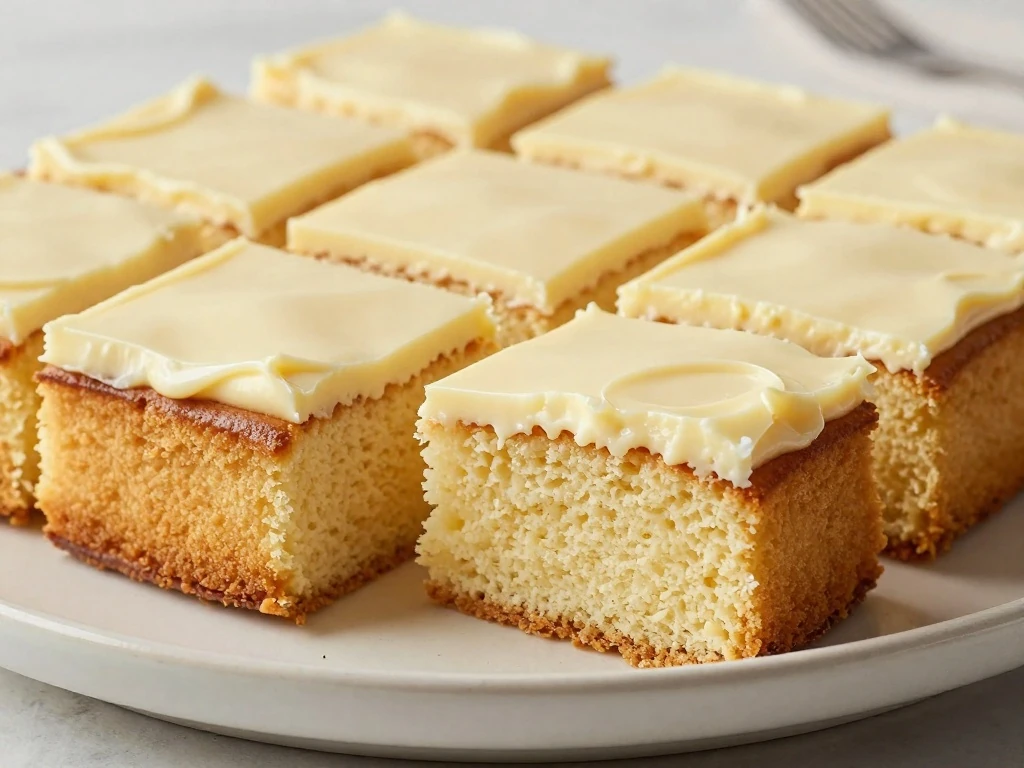
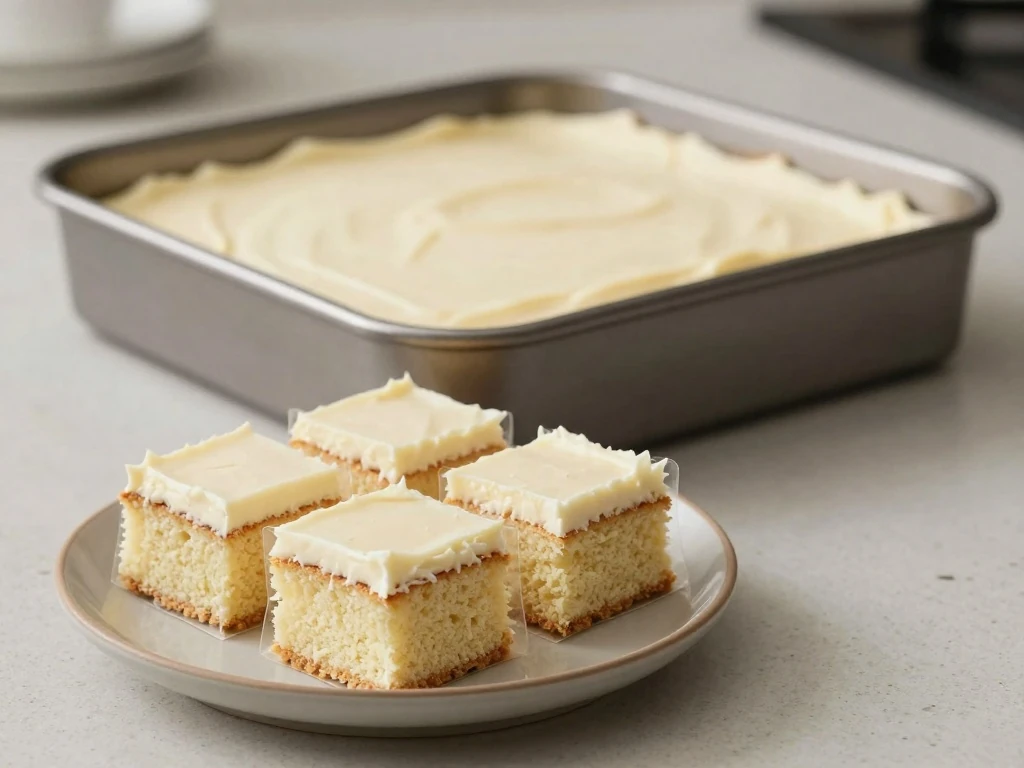
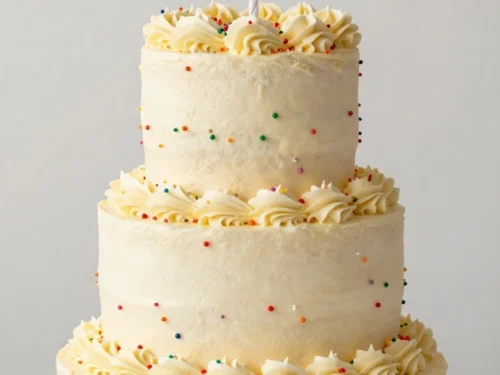
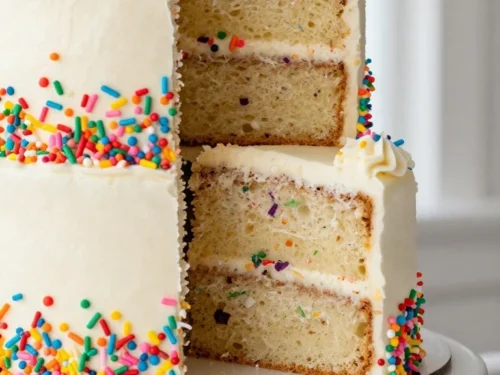
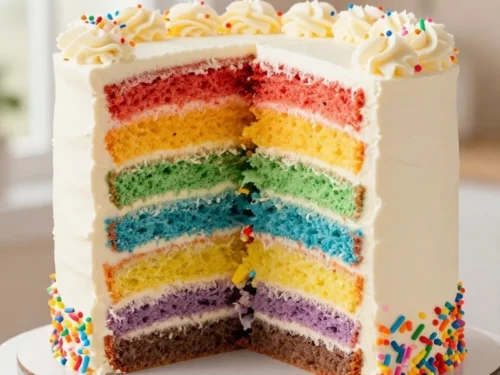
This easy vanilla sheet cake recipe makes a soft, buttery 9 x 13-inch cake topped with fluffy vanilla buttercream. It takes about 20–25 minutes to prepare, bakes at 350°F (175°C) for 25–32 minutes, and yields 12–16 servings, making it a dependable dessert for birthdays, potlucks, bake sales, and family dinners.
The crumb is tender and lightly moist from room-temperature buttermilk, while the buttercream is sweet, creamy, and full of pure vanilla flavor. You do not need special decorating skills: simply spread the frosting over the cooled cake, add sprinkles if desired, and slice it directly from the pan.
This is the kind of vanilla cake that earns a permanent place in a home baker’s recipe collection. It uses familiar ingredients, mixes in one bowl for the dry ingredients and one for the wet mixture, and bakes in a standard 9 x 13-inch metal pan. There is no need to stack layers, trim edges, or fuss with complicated decorations.
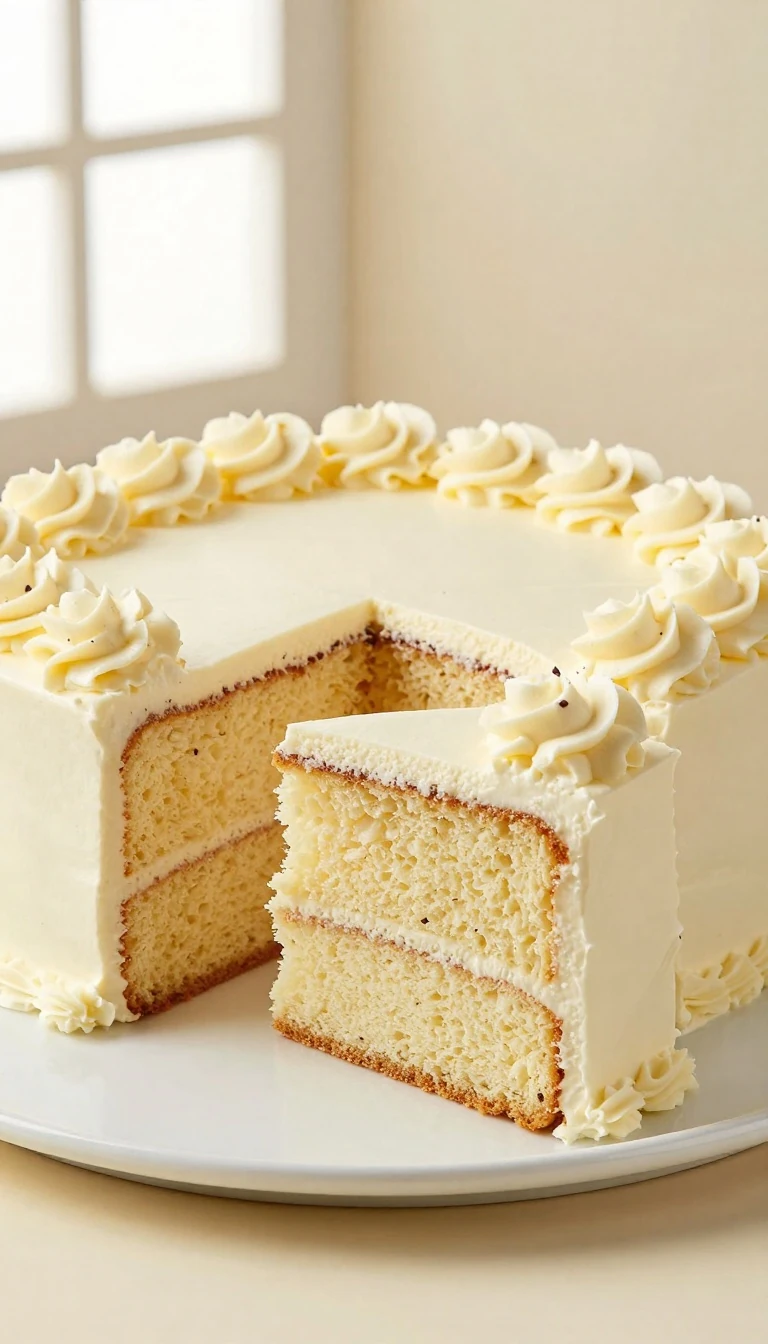
The finished cake has a fine, tender crumb with a rich butter flavor and a clear vanilla fragrance. The buttermilk adds gentle tang and moisture, balancing the sweetness of the cake and buttercream. For another classic dessert with a different flavor profile, you can also try this chocolate sheet cake variation.
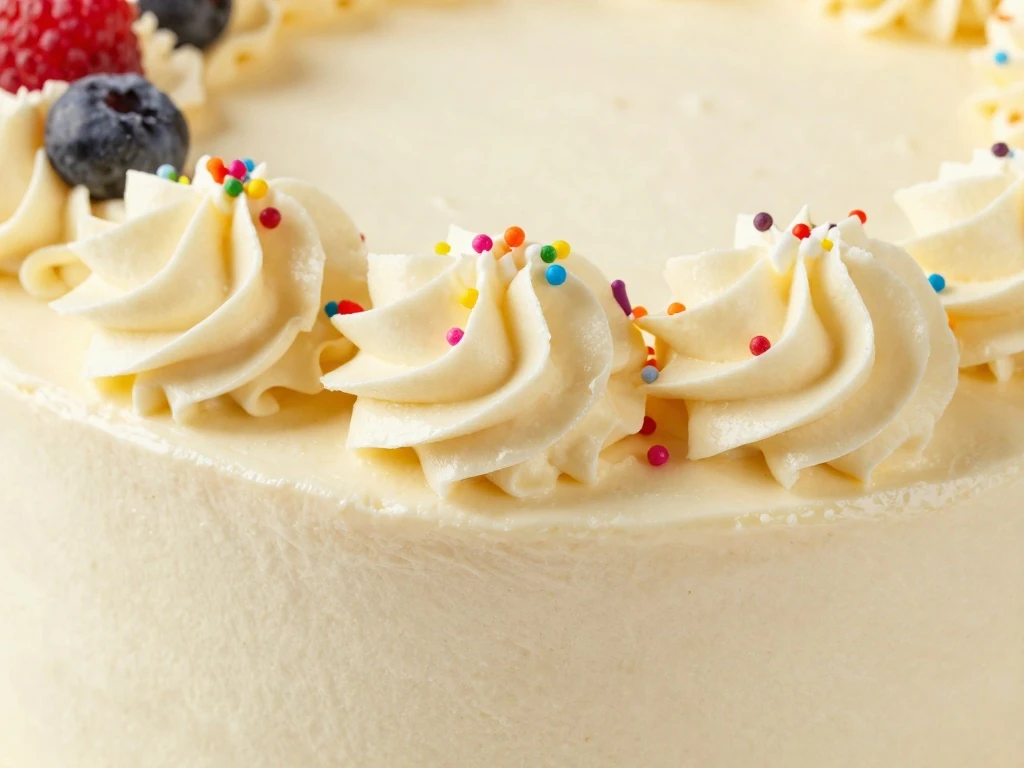
It is also wonderfully flexible. Keep the frosting plain for a simple everyday dessert, or add colorful sprinkles, toasted coconut, fresh berries, or a scattering of finely chopped nuts for a party-ready finish.
Ingredients You’ll Need
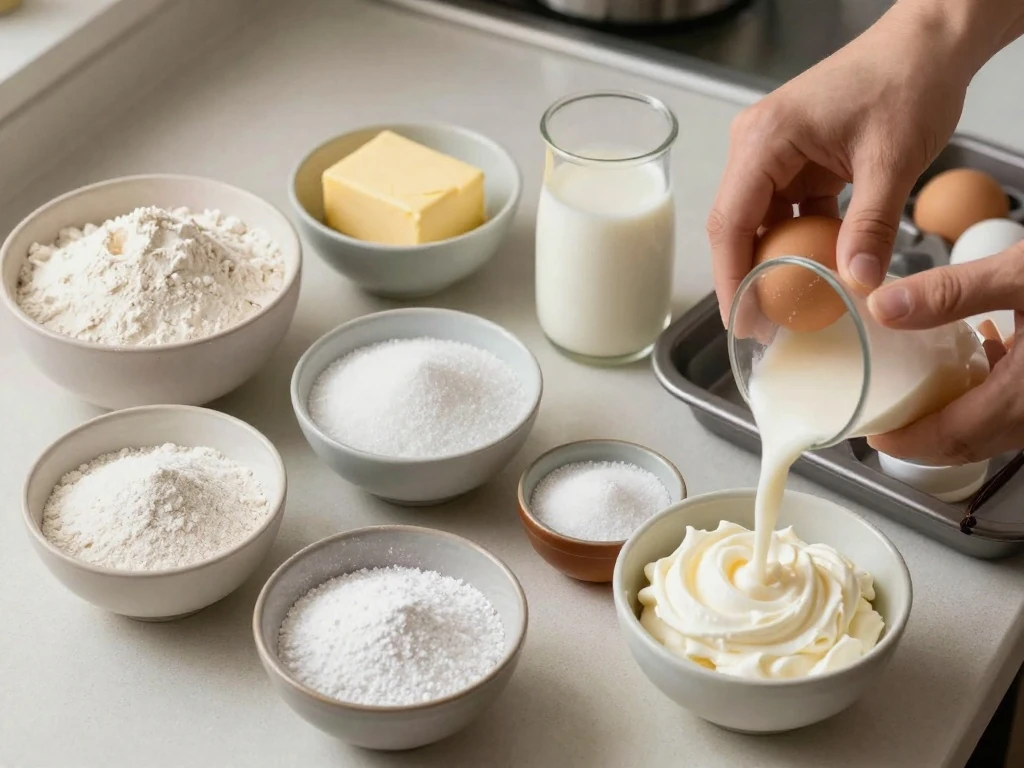
The cake begins with 2 cups (240 g) all-purpose flour, 1 1/2 cups (300 g) granulated sugar, 2 teaspoons baking powder, 1/2 teaspoon baking soda, and 1/2 teaspoon fine salt. The two leaveners provide a light texture, while the salt keeps the sweetness from tasting flat.
You will also need 1 cup (226 g) softened unsalted butter, 4 large room-temperature eggs, 2 teaspoons pure vanilla extract, and 1 cup (240 ml) room-temperature buttermilk. Soft butter creams properly with the sugar, and room-temperature eggs and buttermilk blend into the batter without making it lumpy or chilled.
For the buttercream, gather 1 cup (226 g) softened unsalted butter, 4 cups (480 g) sifted powdered sugar, 2 teaspoons pure vanilla extract, 1/4 cup (60 ml) heavy cream or milk, and 1/4 teaspoon salt. Sifting the sugar helps create a smoother frosting that spreads easily across the cake.
How to Make It Step-by-Step
Step 1: Heat the oven to 350°F (175°C), then prepare one 9 x 13-inch metal baking pan. Grease the pan thoroughly and line the bottom with parchment if you want especially easy serving and cleanup.
Step 2: In a medium bowl, whisk together the flour, baking powder, baking soda, and fine salt. Breaking up any small lumps now helps the dry ingredients distribute evenly throughout the batter later.
Step 3: Place the softened butter and granulated sugar in a large mixing bowl and beat for 2–3 minutes. Stop when the mixture looks pale and fluffy, since this creaming step helps create the cake’s delicate texture.
Step 4: Add the eggs one at a time, beating well after each addition. Mix in the vanilla extract, scraping down the sides of the bowl so the butter mixture stays evenly combined.
Step 5: Add the dry ingredients in three additions, alternating with the buttermilk in two additions. Begin and end with the dry ingredients, and mix only until no obvious streaks of flour remain; overmixing can make the cake dense.
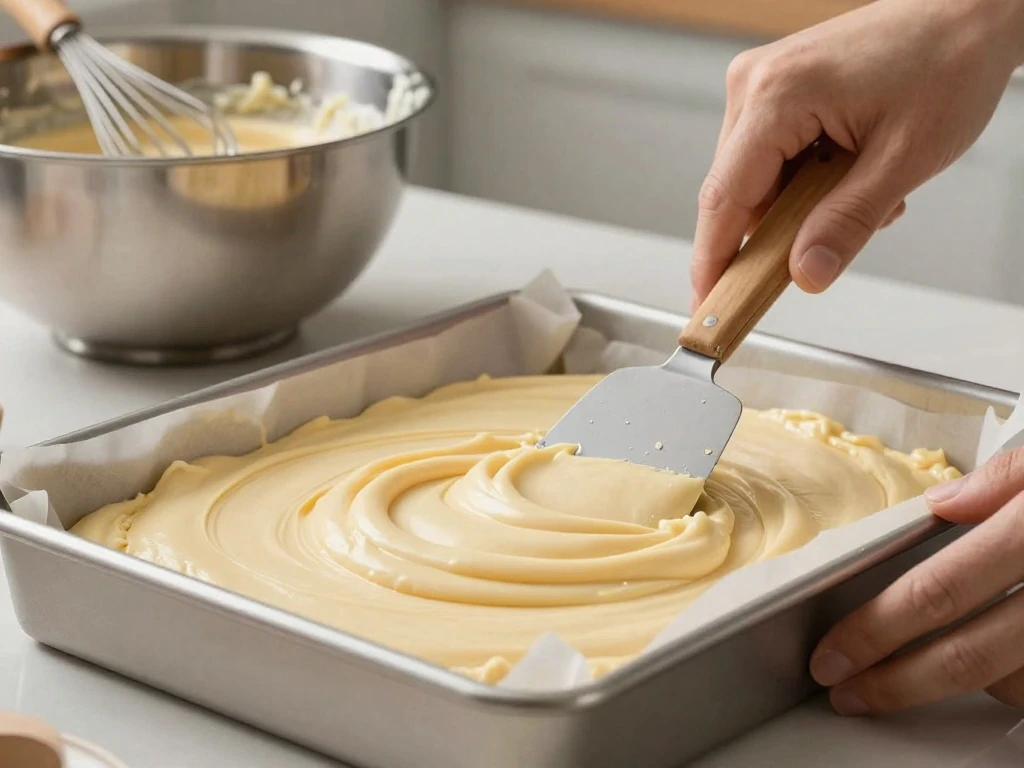
Step 6: Transfer the batter to the prepared pan and spread it into an even layer. Smooth the surface with a spatula, paying attention to the corners so the cake bakes at the same rate from edge to edge.
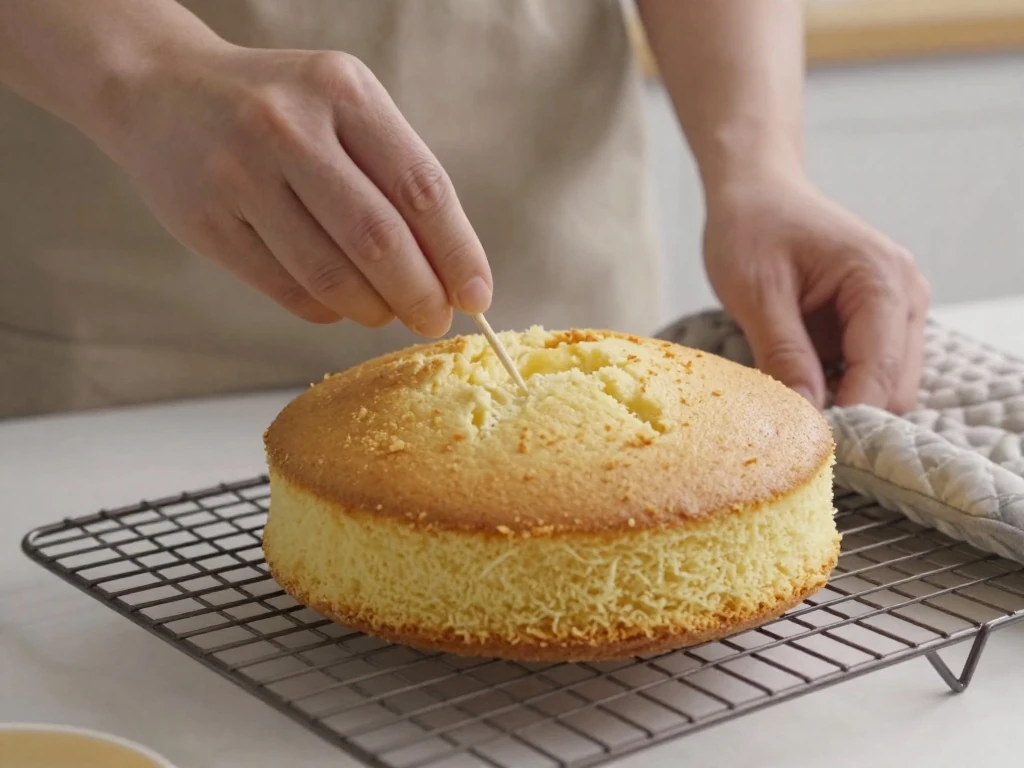
Step 7: Bake for 25–32 minutes, beginning to test at the 25-minute mark. The center should spring back lightly, and a toothpick should come out clean or show a few moist crumbs rather than wet batter.
Step 8: Let the cake cool in the pan for 10–15 minutes, then continue cooling until completely cool. Allow at least 45–60 minutes before frosting so the buttercream does not soften or slide off the surface.
Step 9: To make the frosting, beat the softened butter until smooth, then gradually add the sifted powdered sugar. Mix in the vanilla, salt, and cream, and beat for 2–3 minutes until light and fluffy.
Step 10: Spread the finished buttercream over the completely cooled cake, using the back of a spoon or an offset spatula. Cut the cake into 12–16 squares and add optional sprinkles or other toppings just before serving.
Pro Tips for a Tender Vanilla Cake
Room-temperature ingredients are one of the simplest ways to improve the texture. Cold eggs or buttermilk can make the creamed butter seize, while room-temperature ingredients blend more evenly and help produce a lighter crumb.
Measure flour carefully by spooning it into a measuring cup and leveling the top, or use a kitchen scale for the listed 240-gram amount. Too much flour can make a sheet cake heavy and dry, especially when paired with a few extra minutes in the oven.
Start checking the cake at 25 minutes. The best stopping point is when the tester has a few moist crumbs, not when it looks completely dry, because the cake continues cooking briefly from the heat held in the pan.
For a more pronounced vanilla taste, use 1 tablespoon vanilla extract instead of 2 teaspoons, or add 1 teaspoon vanilla bean paste. If you prefer a thinner cake, the batter can be baked in a 15 x 10-inch jelly-roll pan; begin checking it after approximately 18–22 minutes.
Buttercream, Variations, and Serving Ideas
The simple vanilla buttercream is intentionally easy to adjust. If it seems too thick to spread, add a small amount of cream or milk; if it seems too loose, add a little more sifted powdered sugar. Beat it for the full 2–3 minutes so it becomes airy and smooth.
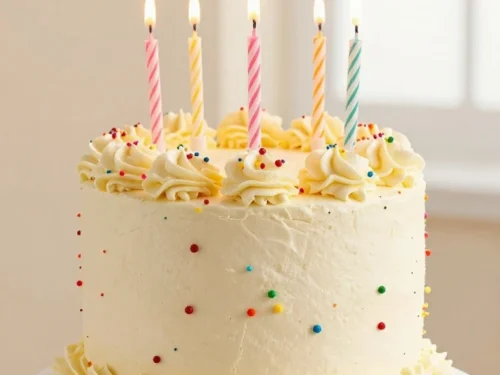
Whole milk can replace the buttermilk in the cake, although buttermilk gives a slightly more tender result. You can also keep the cake classic or decorate it with rainbow sprinkles for a birthday, pastel sprinkles for a shower, or fresh berries for a summer gathering.
Serve squares at cool room temperature, when the buttercream is soft and the vanilla aroma is most noticeable. If you enjoy baking traditional cakes with fruit and warm spices, this easy fruit cake idea makes a nice contrast to this light vanilla version.
Storage and Make-Ahead Advice
Because this is a sheet cake, it stores neatly right in its baking pan. Cover the frosted cake and keep it at room temperature for a short serving window, or refrigerate it when your kitchen is warm; bring chilled pieces toward room temperature before serving for the softest texture.
The unfrosted cake can be prepared ahead and cooled completely before covering. Frost it once cool, then slice as needed. Keep the cake protected from air so the cut edges remain moist and the buttercream does not absorb refrigerator odors.
If you are transporting it, chill the frosted cake briefly so the topping firms up, then carry it flat in its covered pan. A sheet cake is especially convenient for gatherings because it travels well and can be portioned into either 12 generous pieces or 16 smaller squares.
Helpful Related Baking Ideas
If you are comparing vanilla cake methods, our classic vanilla cake guide is another useful option to keep nearby. This sheet cake is the better choice when you want simple pan-to-table serving, while a layer-style cake works well for more formal decorating.
For the cleanest slices, use a sharp knife and wipe it between cuts. Add the final garnish after slicing if you want every piece to look distinct, or decorate the entire surface first for a cheerful party presentation.
Easy Vanilla Sheet Cake Recipe
A tender 9 x 13-inch vanilla sheet cake finished with simple, fluffy vanilla buttercream. This easy dessert serves 12–16 and is ready in about 1 hour 30 minutes, including cooling time.
1/4cup (60 ml), plus more if neededHeavy cream or milk
1/4teaspoonSalt
Method
Step-by-Step
Heat the oven to 350°F (175°C). Grease one 9 x 13-inch metal baking pan and line the bottom with parchment if desired.
Whisk the flour, baking powder, baking soda, and salt together in a medium bowl.
Beat the softened butter and granulated sugar for 2–3 minutes, until pale and fluffy. Add the eggs one at a time, beating well after each addition, then mix in the vanilla.
Add the dry ingredients in three additions, alternating with the buttermilk in two additions. Mix only until the batter is combined.
Spread the batter evenly in the prepared pan. Bake for 25–32 minutes, beginning to check at 25 minutes, until the center springs back lightly and a toothpick comes out clean or with a few moist crumbs.
Cool the cake in the pan for 10–15 minutes, then cool completely before frosting. The total cooling time should be at least 45–60 minutes.
Beat the butter for the frosting until smooth. Gradually add the powdered sugar, then mix in the vanilla, salt, and cream. Beat for 2–3 minutes until light and fluffy, adjusting with a little more cream or powdered sugar if needed.
Spread the buttercream over the completely cooled cake. Slice into 12–16 servings and serve.
Notes
Use room-temperature eggs, butter, and buttermilk for an even, light crumb. Begin checking the cake at 25 minutes and remove it when the tester shows a few moist crumbs, since overbaking is the main cause of a dry sheet cake. Whole milk may replace buttermilk, though buttermilk gives a slightly more tender cake.
Final Thoughts
This easy vanilla sheet cake delivers everything a dependable homemade dessert should: a tender buttery crumb, a fragrant vanilla flavor, and a soft, creamy frosting that comes together without complicated techniques. The 9 x 13-inch pan makes it practical for sharing, and the straightforward method leaves plenty of room for your favorite decorations.
Remember the most important details: use room-temperature ingredients, avoid overmixing, and start checking the cake at 25 minutes. Once it has cooled completely, spread on the fluffy buttercream, slice it into 12–16 portions, and enjoy a classic vanilla dessert that is just as welcome at a celebration as it is beside an afternoon cup of coffee.