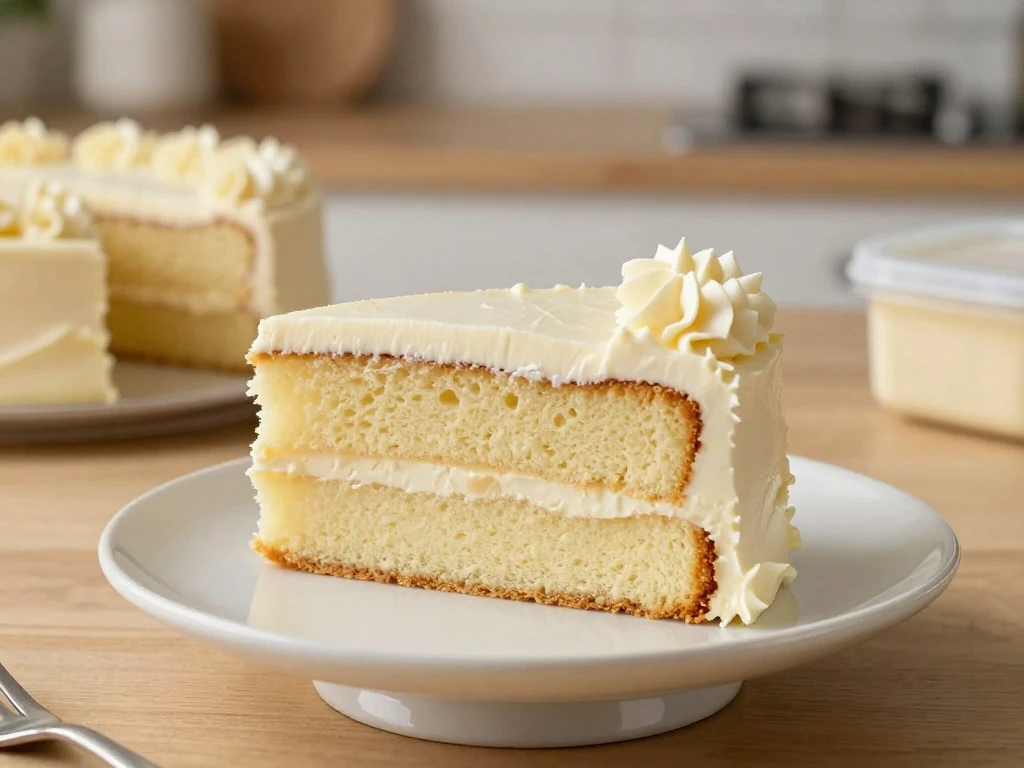
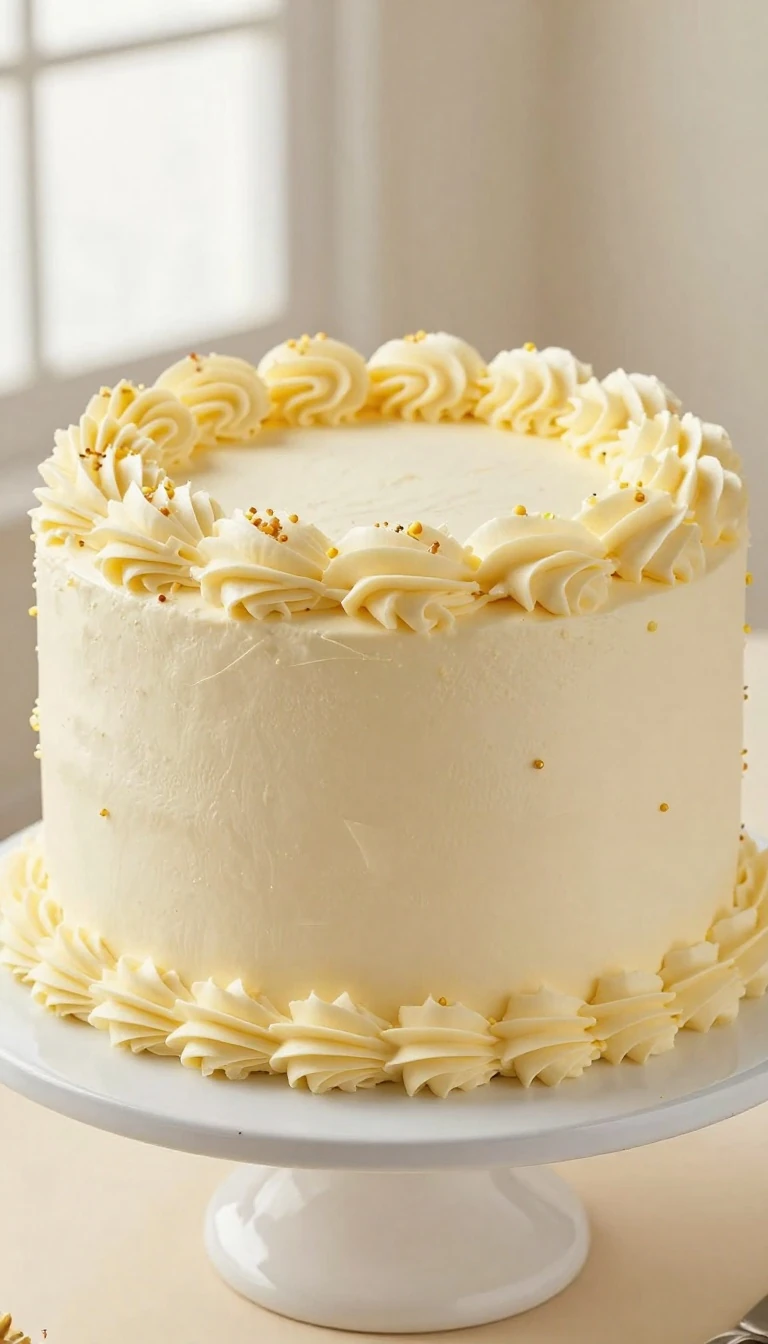
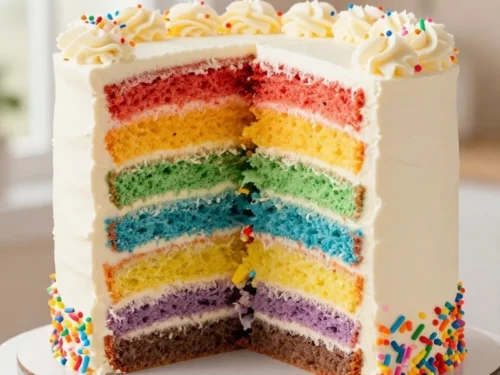
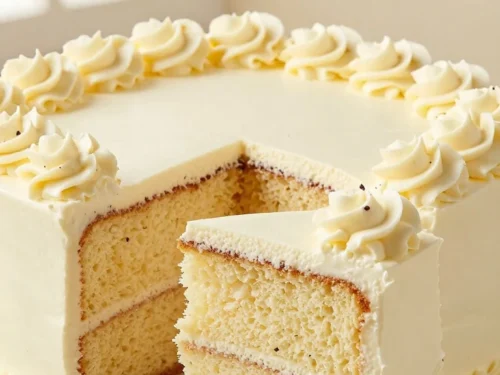
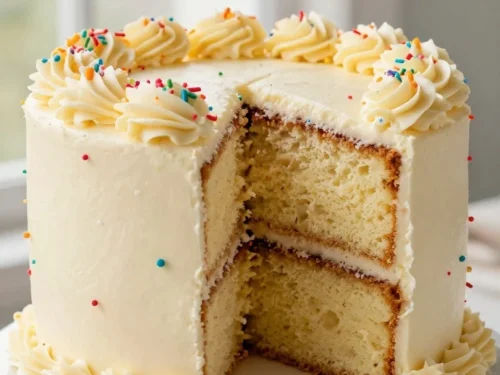
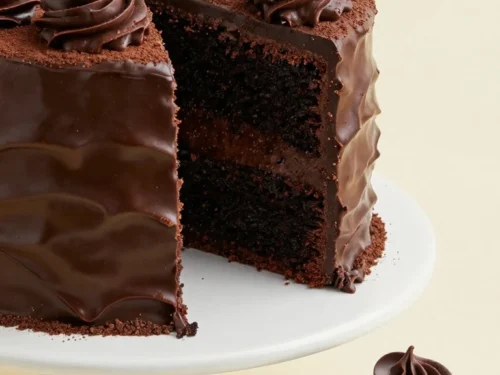
This easy cake frosting recipe makes a smooth, fluffy vanilla buttercream with just five simple ingredients: softened butter, powdered sugar, vanilla extract, salt, and a little milk or cream. Beat the butter until creamy, gradually add the powdered sugar, then mix in the vanilla, salt, and enough liquid to create a spreadable frosting.
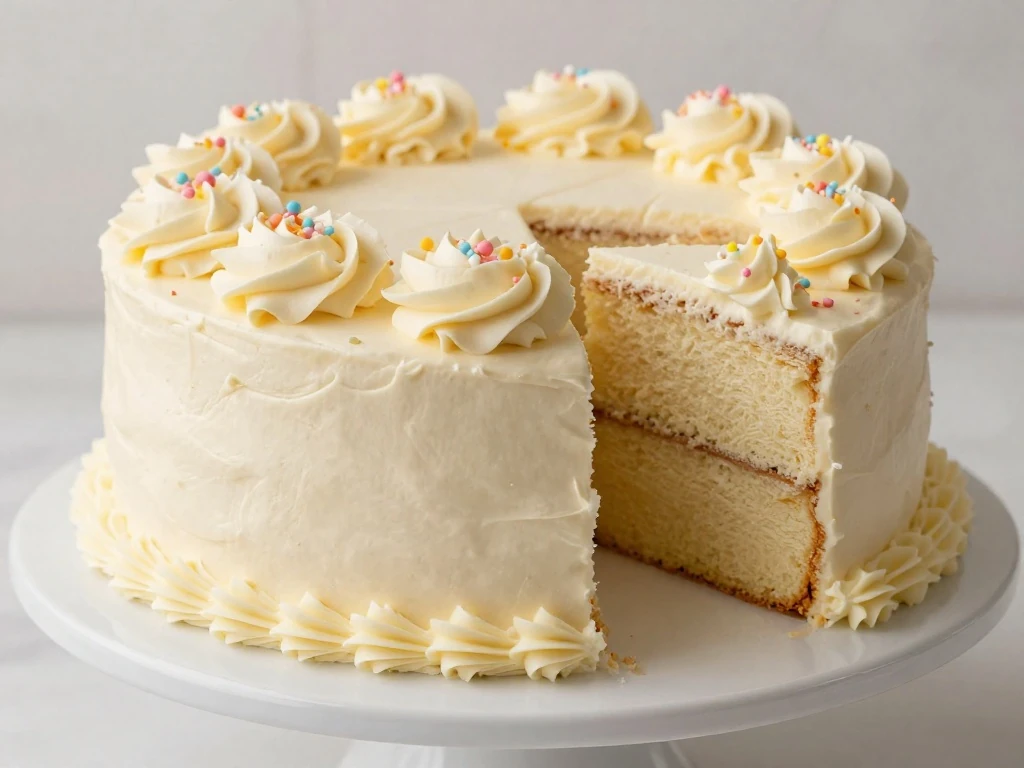
The finished frosting is rich without being heavy, gently sweet, and easy to pipe or spread over cupcakes, sheet cakes, birthday cakes, and layer cakes. It takes about 15 minutes to prepare and can be customized with food coloring, cocoa powder, citrus zest, or your favorite baking extracts.
This easy cake frosting recipe is a reliable choice when you need a beautiful finish without complicated techniques. The ingredients are familiar, the method is straightforward, and the frosting can be ready before your cake has fully cooled.
Its texture is soft enough to spread smoothly across a sheet cake but sturdy enough to hold decorative swirls on cupcakes. With a mixer and a little patience, the buttercream becomes airy and silky rather than dense or greasy.
The flavor is sweet, buttery, and fragrant with vanilla. A small amount of salt keeps the sugar balanced, while cream or milk gives the frosting a tender finish that melts pleasantly on the tongue.
This recipe is also flexible for different baking projects. Use a thinner batch for a rustic snack cake, a medium consistency for filling and covering layers, or a slightly thicker batch for piped borders, rosettes, and simple flowers.
Ready in about 15 minutes.
Works on cakes, cupcakes, cookies, and brownies.
Easy to tint with gel food coloring.
Can be made ahead and stored.
Simple to adjust for spreading or piping.
Ingredients You’ll Need
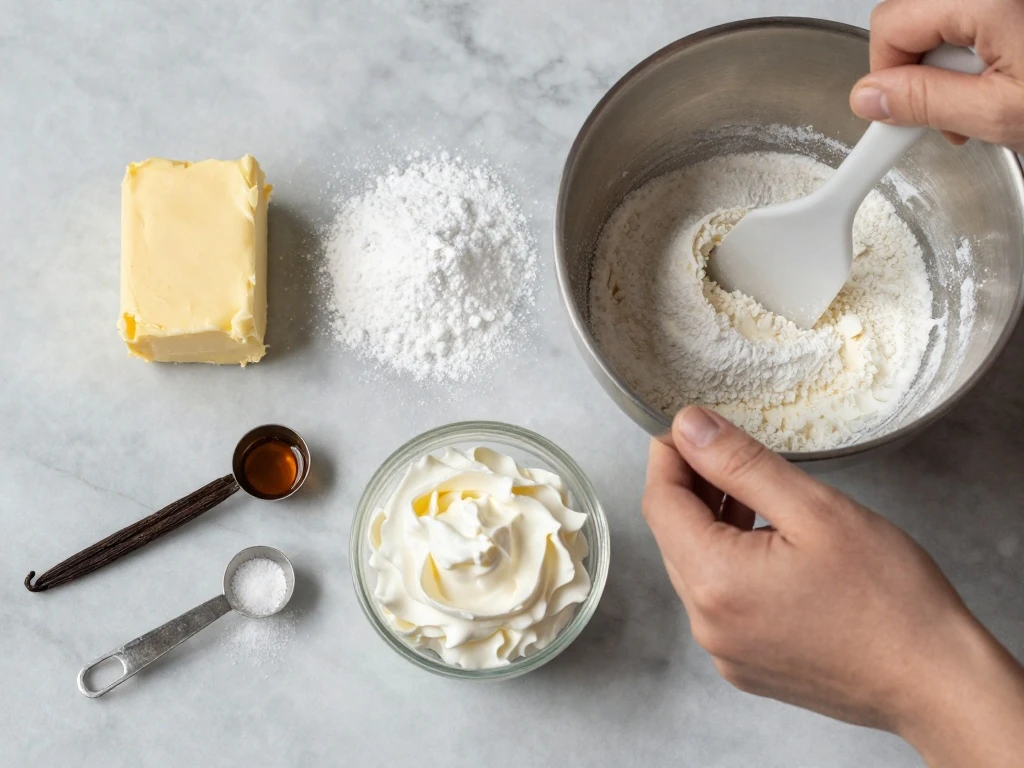
Unsalted butter forms the creamy base of this frosting. Choose a good-quality butter with a fresh flavor, and let it soften at room temperature until it gives slightly when pressed but still holds its shape.
Powdered sugar dissolves more easily than granulated sugar and creates the smooth texture associated with classic buttercream. Sifting is helpful, especially if the sugar has been stored for a while or contains small lumps.
Pure vanilla extract gives the frosting its familiar bakery aroma. Vanilla bean paste can be used for a more pronounced flavor and tiny vanilla flecks, while almond extract can replace part of the vanilla for a warm, nutty note.
Heavy cream produces the richest, silkiest result, but whole milk also works well. Add the liquid slowly because the exact amount depends on the softness of the butter, the brand of sugar, and whether you want a spreadable or pipeable consistency.
Salt may seem like a small detail, but it makes a noticeable difference. It helps keep the frosting from tasting flat or overly sugary, particularly when the buttercream is paired with a sweet cake.
How to Make It Step-by-Step
Step 1: Bring the butter to the right temperature before mixing. It should be soft enough for a beater to press through easily, but it should not look shiny, oily, or partially melted.
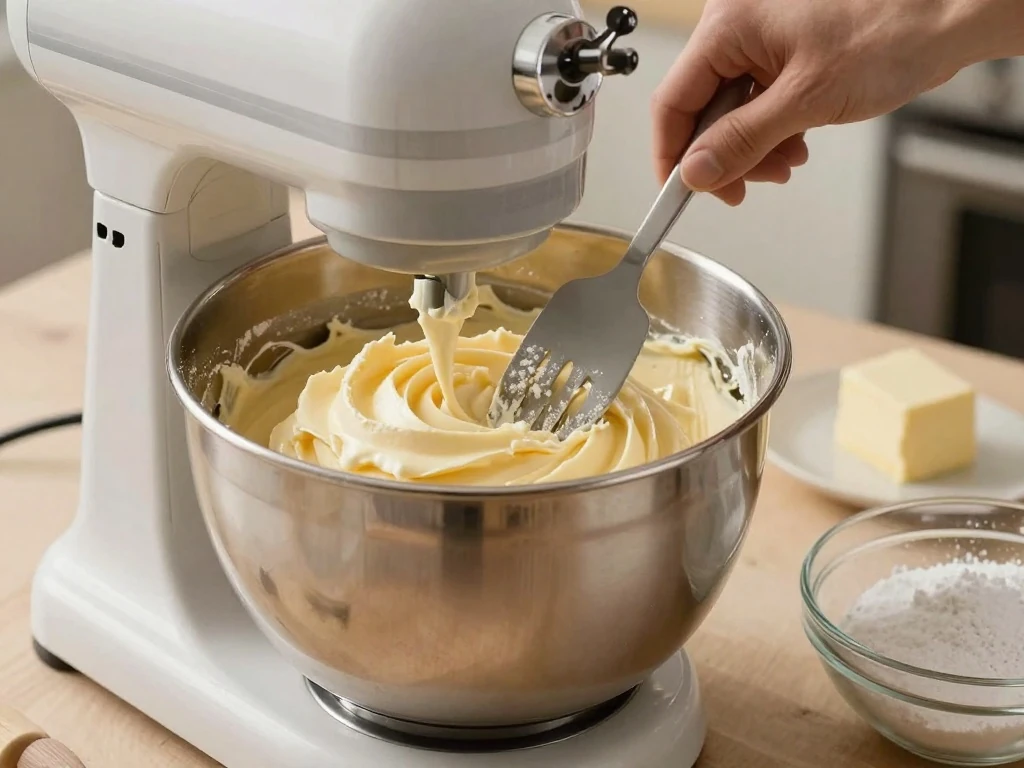
Step 2: Beat the butter alone in a large bowl on medium speed for 3 to 5 minutes. Stop once or twice to scrape the sides, then continue until the color becomes lighter and the texture looks smooth and creamy.
Step 3: Add the powdered sugar in small portions while mixing on low speed. Mixing slowly at this stage prevents sugar from flying out of the bowl and helps the butter absorb each addition evenly.
Step 4: Increase the mixer speed to medium-high after all the sugar has been added. Beat for 2 to 3 minutes, scraping the bowl as needed, until the mixture becomes fluffy and holds soft peaks.
Step 5: Add the vanilla extract, salt, and 2 tablespoons of cream or milk. Mix on low speed briefly to combine the liquid, then beat on medium speed for another 2 minutes to create a light, smooth frosting.
Step 6: Check the consistency with a spatula. If the frosting feels too stiff, add more cream or milk one teaspoon at a time; if it seems too loose, mix in powdered sugar one tablespoon at a time.
Step 7: Taste before frosting the cake. Add a tiny pinch of salt to balance excess sweetness, or add another splash of vanilla if you want a stronger flavor.
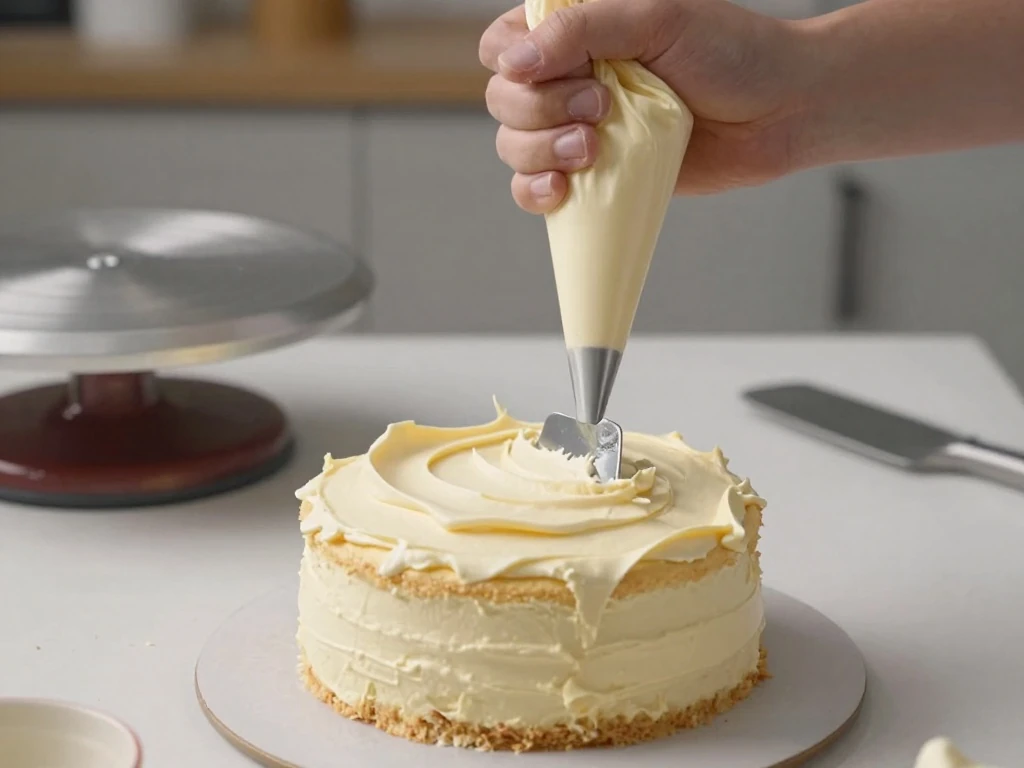
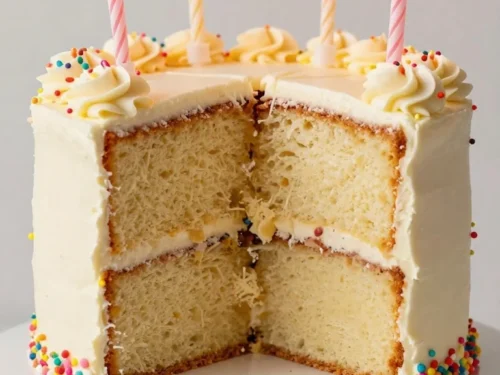
Step 8: Frost only after the cake layers have cooled completely. Spread a small amount between the layers, apply a thin crumb coat if desired, chill the cake briefly, and finish with the remaining buttercream.
Pro Tips for Smooth Frosting
Soft butter is the most important starting point. If the butter is too cold, the frosting can look lumpy and resist spreading, while melted butter can create a loose mixture that will not hold its shape.
Do not rush the first beating stage. Whipping the butter before adding sugar adds air and gives the finished frosting a lighter mouthfeel.
Scrape the bowl frequently, especially when using a stand mixer. Butter and sugar can cling to the bottom or sides, leaving small streaks and uneven sweetness in the final batch.
For an especially smooth finish, beat the completed frosting on low speed for 1 to 2 minutes. This helps remove some large air bubbles that can show up as holes when you spread the buttercream over a cake.
Use an offset spatula for broad, even layers and a piping bag with a star tip for swirls. If the frosting is sticking to the spatula, dip the blade in warm water, wipe it dry, and continue smoothing.
Always frost a cooled cake. Warm cake can soften the buttercream, pull crumbs into the surface, and cause layers to slide apart.
Flavor Variations and Decorating Ideas
Chocolate buttercream is easy to make from this base. Replace 1/2 cup of the powdered sugar with 1/2 cup of unsweetened cocoa powder, then add an extra tablespoon or two of cream to maintain a soft, spreadable texture.
For lemon frosting, add 1 teaspoon of finely grated lemon zest and replace 1 teaspoon of the vanilla with fresh lemon juice. Lime and orange work beautifully too, particularly with vanilla, coconut, or berry cakes.
For strawberry frosting, fold in 2 to 3 tablespoons of finely ground freeze-dried strawberries after the buttercream is fully mixed. This gives a bright fruit flavor without adding excess moisture.
To make a cinnamon version, add 1 to 1 1/2 teaspoons of ground cinnamon and a small pinch of nutmeg. It is especially good with carrot cake, apple cake, spice cake, and banana cupcakes.
Gel food coloring is preferable to liquid coloring because it gives strong color without thinning the frosting. Add a small amount with a toothpick, mix thoroughly, and continue gradually until the desired shade appears.
For simple decoration, pipe small rosettes around the border and finish with sprinkles, toasted coconut, chopped nuts, chocolate curls, or fresh berries. Add delicate garnishes shortly before serving so they stay crisp and bright.
Storage, Make-Ahead, and Serving
Store unused frosting in an airtight container in the refrigerator for up to 5 days. Press plastic wrap directly against the surface before sealing to reduce exposure to air and prevent a dry skin from forming.
When ready to use, let the frosting sit at room temperature for 30 to 60 minutes. Beat it briefly with a mixer or stir vigorously by hand until it returns to a smooth, spreadable consistency.
You can freeze this buttercream for up to 2 months. Place it in a freezer-safe container, label it with the date, and thaw it overnight in the refrigerator before bringing it to room temperature.
A frosted cake can usually sit at a cool room temperature for several hours. If the room is warm, or if the cake contains a perishable filling, refrigerate it and allow it to sit out for 20 to 30 minutes before serving.
This frosting is best served on a fully cooled cake with a tender crumb. It pairs well with vanilla, chocolate, red velvet, carrot, spice, lemon, banana, and funfetti cakes.
Common Questions and Troubleshooting
If the frosting is too sweet, add a small pinch of salt and mix thoroughly. A teaspoon of lemon juice or sour cream can also add a gentle tang, but add it gradually so the texture stays stable.
If the frosting is too thin, chill it for 10 to 15 minutes and beat again. If it remains loose, add powdered sugar one tablespoon at a time until it reaches the consistency you need.
If the frosting is too thick, add cream or milk one teaspoon at a time. Mixing after each addition is important because a small amount of liquid can make a surprisingly large difference.
If the buttercream looks curdled, the ingredients may have been at different temperatures. Continue beating for several minutes, or gently warm the outside of the bowl for a few seconds before mixing again.
If the frosting contains lumps, the powdered sugar may not have been sifted or the butter may have been too cold. Beat longer, scrape the bowl well, and press stubborn lumps against the side of the bowl with a spatula.
For a professional-looking cake, apply a thin crumb coat first. This initial layer traps loose crumbs, and a short chill makes it much easier to spread the final layer cleanly.
Easy Vanilla Cake Frosting
This quick homemade buttercream is creamy, fluffy, and dependable for cakes and cupcakes. It spreads easily, pipes beautifully, and needs only a handful of everyday ingredients.
Place the softened butter in a large mixing bowl and beat on medium speed for 3 to 5 minutes, until pale, smooth, and creamy.
Add the powdered sugar gradually, mixing on low speed after each addition to prevent a cloud of sugar. Once incorporated, increase the speed and beat until the frosting looks light and fluffy.
Add the vanilla extract, salt, and 2 tablespoons of cream or milk. Beat for another 2 minutes, then adjust the texture with the remaining liquid as needed.
Taste the frosting and adjust with a pinch more salt, a little extra vanilla, or a spoonful of powdered sugar. Spread immediately over a completely cooled cake or chill briefly if a firmer texture is preferred.
Notes
Use room-temperature butter for the smoothest texture, and add liquid one teaspoon at a time when adjusting consistency. Store covered in the refrigerator for up to 5 days or freeze for up to 2 months. Bring chilled frosting to room temperature and beat briefly before using.
Final Thoughts
This easy cake frosting recipe is the kind of dependable kitchen staple worth memorizing. It transforms basic ingredients into a creamy vanilla buttercream that tastes homemade, spreads beautifully, and adapts to nearly any cake flavor.
The key is simple: use softened butter, add the powdered sugar gradually, whip the mixture well, and adjust the liquid slowly. Once you know how the texture should look, you can create a frosting that is fluffy for cupcakes, firm for piping, or silky for a smooth layer cake.
Make a batch for a weeknight dessert, a birthday celebration, or a weekend baking project. Finish it with colorful sprinkles, fresh fruit, chocolate shavings, or a few graceful piping details, then serve and enjoy every buttery, vanilla-scented bite.