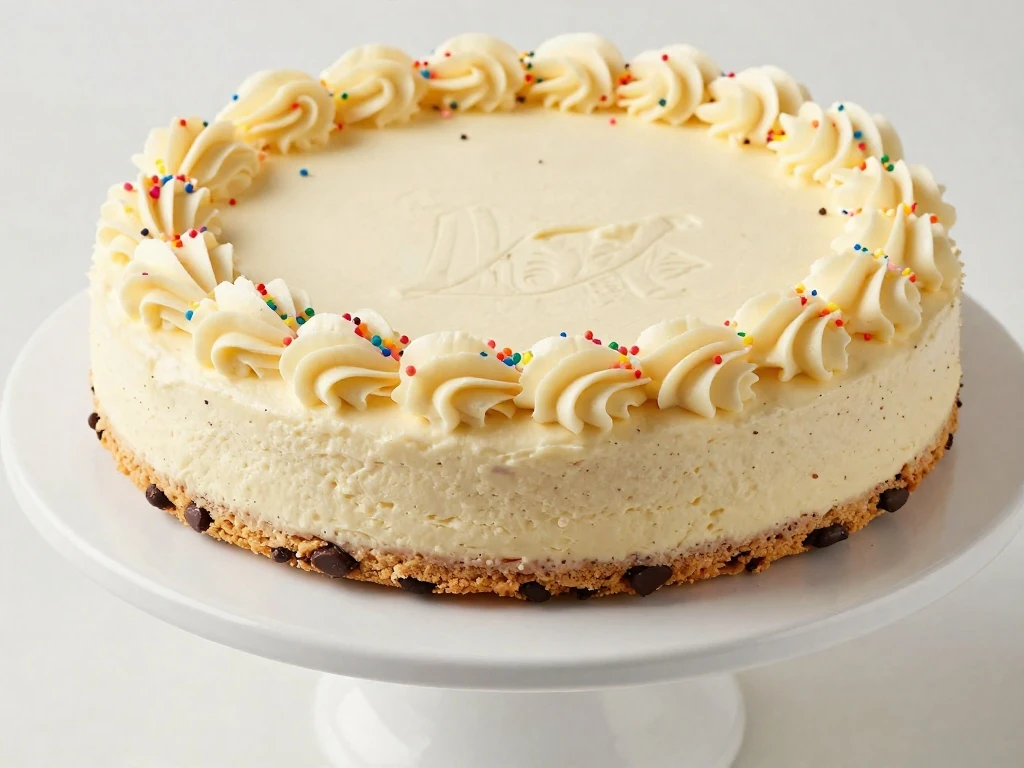
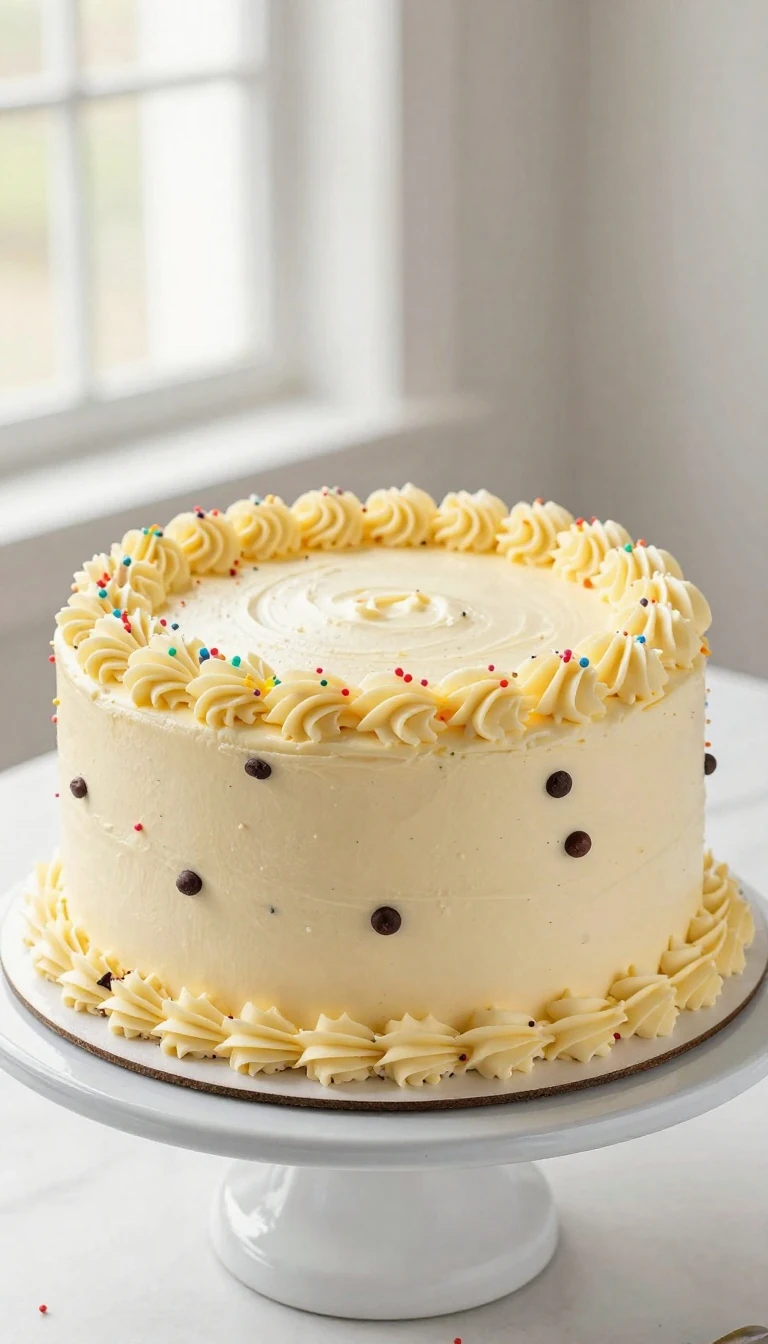
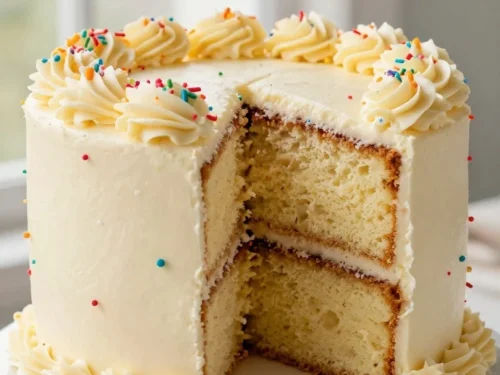
The easiest cookie cake icing recipe is a soft vanilla buttercream made with softened butter, powdered sugar, vanilla extract, a pinch of salt, and a little milk or cream. Beat the butter until smooth, gradually add the powdered sugar, mix in the vanilla and salt, then adjust the texture with milk until the icing spreads easily across a completely cooled cookie cake.
This icing is creamy, sweet, and sturdy enough for borders, birthday messages, swirls, and colorful sprinkles. It stays soft when sliced, holds its shape at room temperature for several hours, and takes about 15 minutes to prepare with no cooking required.
A cookie cake deserves an icing that is simple enough for a weeknight dessert but pretty enough for a celebration. This vanilla buttercream checks both boxes because it uses pantry-friendly ingredients and comes together in one bowl.
The texture is soft enough to spread across a chewy cookie without tearing the surface. It is also firm enough to hold a piped border, a birthday greeting, or small rosettes around the edge.
The flavor is pleasantly sweet with a buttery center and a clear vanilla finish. A small amount of salt keeps the icing from tasting flat and helps it pair beautifully with chocolate chip, peanut butter, oatmeal, or sugar cookie cakes.
Ready in about 15 minutes.
No stovetop, mixer attachments, or special cooking skills are required.
Easy to tint with gel food coloring.
Suitable for spreading, piping, writing, and dipping.
Can be prepared ahead and stored for later.
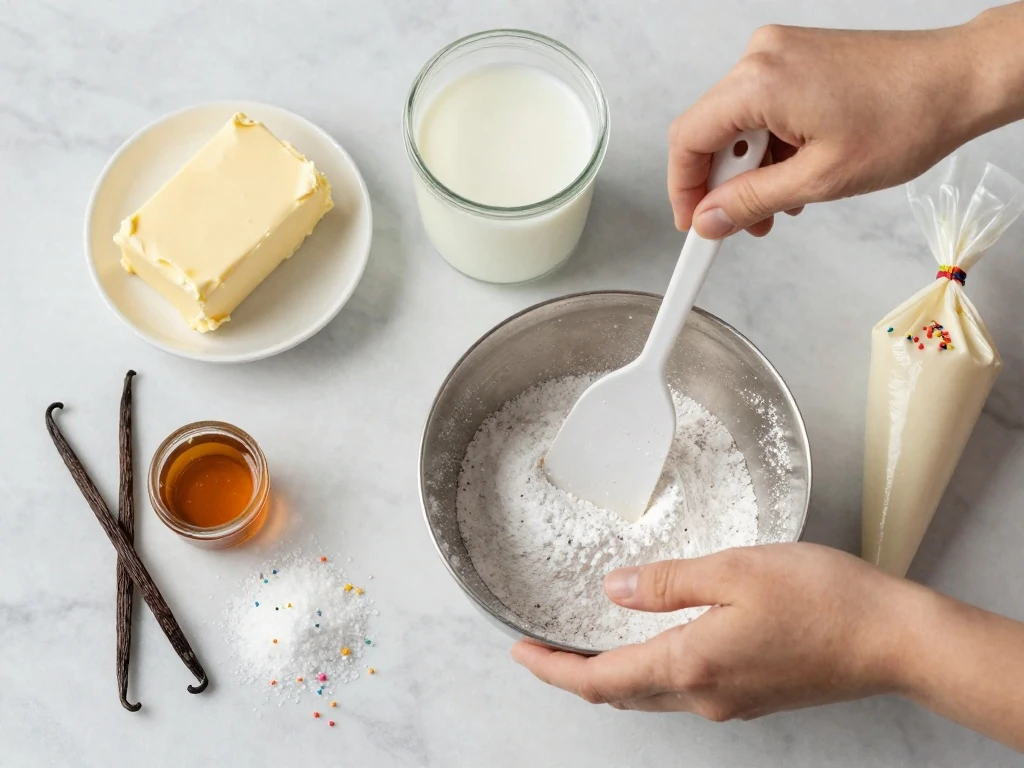
Ingredients You’ll Need
Start with unsalted butter that has softened at room temperature. The butter should give when pressed with a fingertip, but it should not look shiny, greasy, or partially melted.
Powdered sugar creates the smooth texture needed for cookie cake decoration. If your sugar has visible lumps, sift it before mixing, especially if you plan to pipe fine lettering or small stars.
Vanilla extract provides the main flavor, while fine salt balances the sweetness. Whole milk makes a soft, creamy icing, and heavy cream produces a slightly richer mouthfeel.
Butter: Use unsalted butter so you can control the final flavor.
Powdered sugar: Measure it by spooning it into a dry measuring cup and leveling the top.
Vanilla: Pure vanilla extract gives the cleanest flavor, though vanilla bean paste also works.
Milk or cream: Add it slowly because different brands of butter and sugar may need different amounts.
Color and toppings: Gel coloring, sprinkles, mini candies, and chocolate chips are optional but festive.
How to Make It Step-by-Step
Step 1: Bring the butter to the right temperature before mixing. Leave it on the counter for about 30-60 minutes, then place it in a bowl and beat for 2-3 minutes until it looks pale, fluffy, and completely smooth.
Step 2: Add the powdered sugar gradually rather than dumping it all in at once. Mix on low speed after each addition, scrape the bowl, and continue until no dry streaks remain.
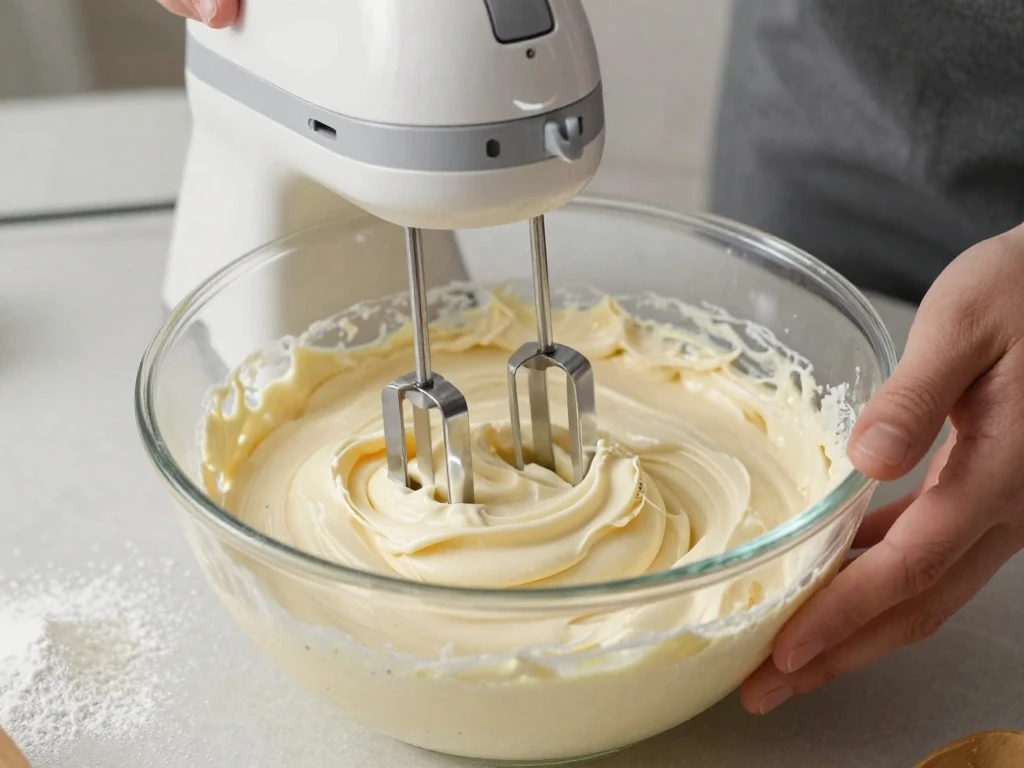
Step 3: Add the vanilla, salt, and 2 tablespoons of milk or cream. Beat on medium-high speed for several minutes so the icing becomes lighter, creamier, and easier to spread.
Step 4: Check the consistency with a spatula. If the icing feels stiff or pulls at the cookie surface, mix in the remaining tablespoon of liquid a teaspoon at a time until it moves smoothly.
Step 5: Taste a small amount and make final adjustments. Add a pinch more salt for balance, a little vanilla for a stronger flavor, or a spoonful of powdered sugar if the icing has become too loose.
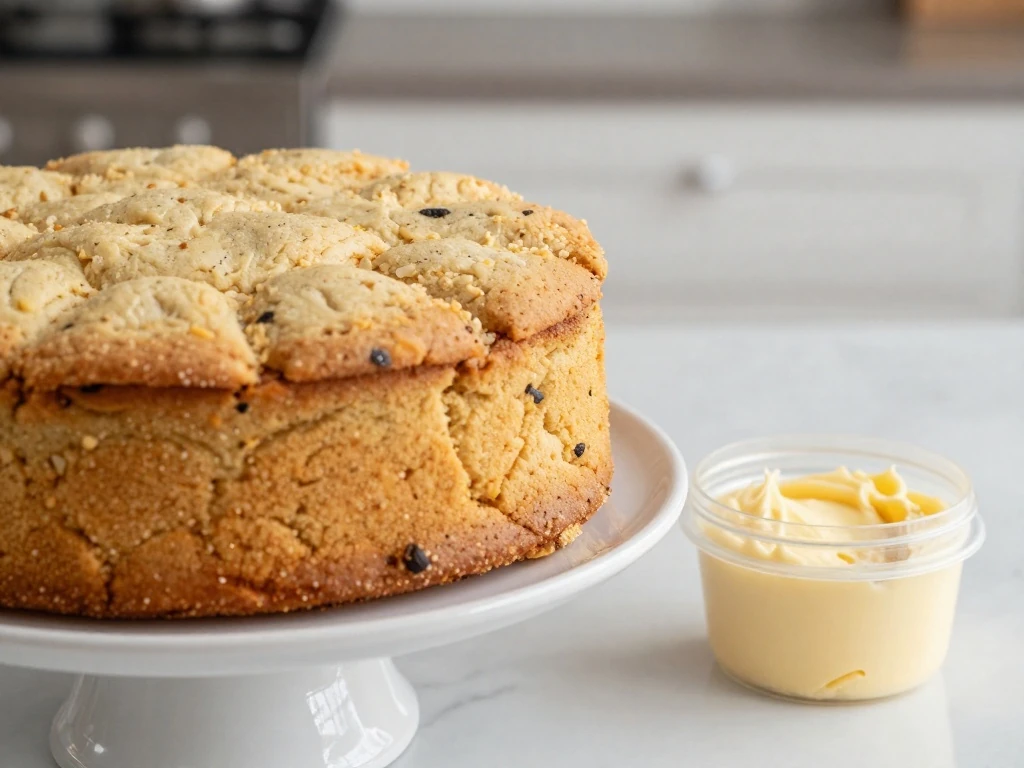
Step 6: Make sure the cookie cake is fully cool before decorating. Warm cookie cake can soften the buttercream and cause the design to slide or lose its shape.
Step 7: Spread the icing with an offset spatula for a simple finish, or place it in a piping bag fitted with a star or round tip. Add sprinkles while the icing is still fresh so they adhere properly.
Getting the Perfect Icing Consistency
The ideal cookie cake icing should be thick enough to stay where you place it but soft enough to glide over the cookie. When lifted with a spatula, it should form a gentle peak that slowly bends instead of standing rigidly.
If the icing is too thick, add milk or cream in very small amounts. One teaspoon can make a noticeable difference, so mix completely before adding more.
If the icing is too thin, add powdered sugar one tablespoon at a time. Chilling the bowl for 10-15 minutes can also help the buttercream firm up before piping.
For spreading: Keep the icing soft and creamy.
For borders: Use a medium-thick consistency that holds a clean ridge.
For writing: Make the icing slightly softer so the tip does not drag.
For rosettes: Use a thicker mixture that keeps sharp ridges.
Decorating Ideas for Cookie Cake
A smooth layer of white icing makes a classic cookie cake, but this recipe can become a different dessert with a few small changes. Divide the finished buttercream into bowls and tint each portion with gel food coloring for a simple rainbow design.
For a birthday cake, pipe a border around the edge and write a message in the center. Add rainbow sprinkles, confetti candies, or small chocolate chips before the icing sets.
For a chocolate version, replace 1/4 cup of the powdered sugar with unsweetened cocoa powder. Add an extra teaspoon of milk if the cocoa makes the mixture thicker than desired.
For a seasonal finish, try crushed peppermint candies in winter, pastel sprinkles in spring, orange and black decorations for Halloween, or toasted coconut for a tropical theme.
Pipe stars around the edge for a bakery-style border.
Add a contrasting color for lettering.
Use a spoon to create soft swirls across the surface.
Press toppings gently into the fresh icing.
Leave a narrow cookie border visible for extra texture.
Pro Tips for the Best Results
Do not rush the butter-softening step by microwaving it until liquid. Melted butter cannot hold air properly, and the resulting icing may be greasy, loose, or difficult to pipe.
Scrape the bowl several times during mixing. Butter and sugar often cling to the bottom or sides, and scraping helps prevent firm pockets from appearing in the finished icing.
Use gel food coloring instead of liquid coloring when possible. Gel colors provide stronger shades without adding enough moisture to change the consistency.
If you are making a message, practice on parchment paper first. This lets you check the pressure needed for an even line before writing directly on the cookie cake.
For the cleanest slices, chill the decorated cookie cake for about 20 minutes before cutting. Let it stand for a few minutes afterward so the cookie and icing are pleasantly soft rather than cold and firm.
Storage and Make-Ahead Advice
Leftover icing keeps well in an airtight container in the refrigerator for up to one week. Press plastic wrap directly against the surface before sealing the container to reduce air exposure and prevent a dry crust.
When you are ready to use chilled icing, let it sit at room temperature for 30-60 minutes. Beat it briefly with a mixer or stir it firmly with a spatula, adding a teaspoon of milk only if it needs help becoming spreadable.
The decorated cookie cake can sit covered at cool room temperature for several hours. For longer storage, refrigerate it in a container that protects the decoration, then let it rest at room temperature before serving.
Freezing is also possible for the buttercream alone. Place it in a freezer-safe container for up to two months, thaw it overnight in the refrigerator, and remix it until smooth before decorating.
Common Questions
Can I use salted butter? Yes, but reduce or omit the added salt. Taste the finished icing before making another adjustment because salt levels vary between brands.
Why is my icing gritty? The powdered sugar may have lumps, or the butter may not have been beaten long enough. Sift the sugar and mix the buttercream for an additional 2-3 minutes.
Can I make this without a mixer? You can use a sturdy spatula and a large bowl, though the process will take more effort. Allow the butter to become very soft, then mix patiently until the icing looks creamy.
How much icing covers one cookie cake? This recipe gives a generous layer on one 10-12 inch cookie cake, with enough extra for a piped border or short message. For a very thick layer or extensive piping, make one and a half batches.
Can I flavor it with something besides vanilla? Absolutely. Try almond extract, peppermint extract, lemon zest, orange zest, espresso powder, or a spoonful of smooth peanut butter.
Easy Cookie Cake Icing Recipe
A smooth vanilla buttercream made especially for decorating cookie cakes. It spreads easily, pipes neatly, and can be tinted or flavored for birthdays, holidays, and everyday desserts.
Place the softened butter in a large mixing bowl and beat on medium speed for 2-3 minutes, until pale and creamy. Scrape the sides of the bowl so the butter mixes evenly.
Add the powdered sugar in three additions, mixing on low speed after each addition to prevent a cloud of sugar. Once incorporated, beat the mixture for 1 minute until thick and smooth.
Add the vanilla extract, salt, and 2 tablespoons of milk or cream. Beat on medium-high speed for 2-3 minutes, then add the final tablespoon of liquid only if the icing needs to be softer.
Taste the icing and adjust the flavor or texture as needed. Spread it over a fully cooled cookie cake, or transfer it to a piping bag for borders, lettering, and decorative swirls.
Notes
Use room-temperature butter for the smoothest texture, but do not melt it. Store leftover icing in an airtight container in the refrigerator for up to 1 week, and let it soften at room temperature before remixing and using.
Final Thoughts
This easy cookie cake icing recipe is a dependable choice whenever you need a quick, creamy topping that tastes homemade. Its smooth vanilla flavor complements a chewy cookie cake without hiding the buttery, chocolatey, or nutty character of the cookie underneath.
Keep the butter soft but not melted, add the liquid slowly, and decorate only after the cookie cake has cooled completely. With those simple details in place, you can create clean borders, colorful messages, or a relaxed swirl of icing in just a few minutes.
Make the buttercream your own with cocoa, citrus zest, food coloring, or favorite toppings. Whether it is for a birthday, school celebration, holiday table, or casual family dessert, this icing turns an ordinary cookie cake into a cheerful centerpiece.