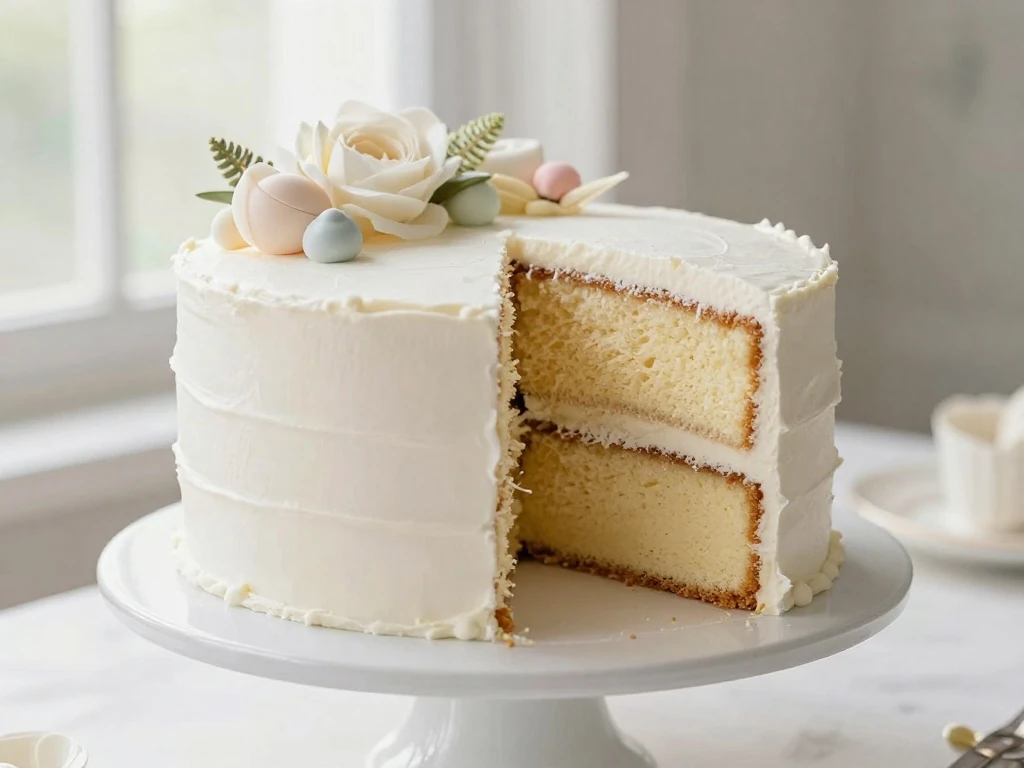
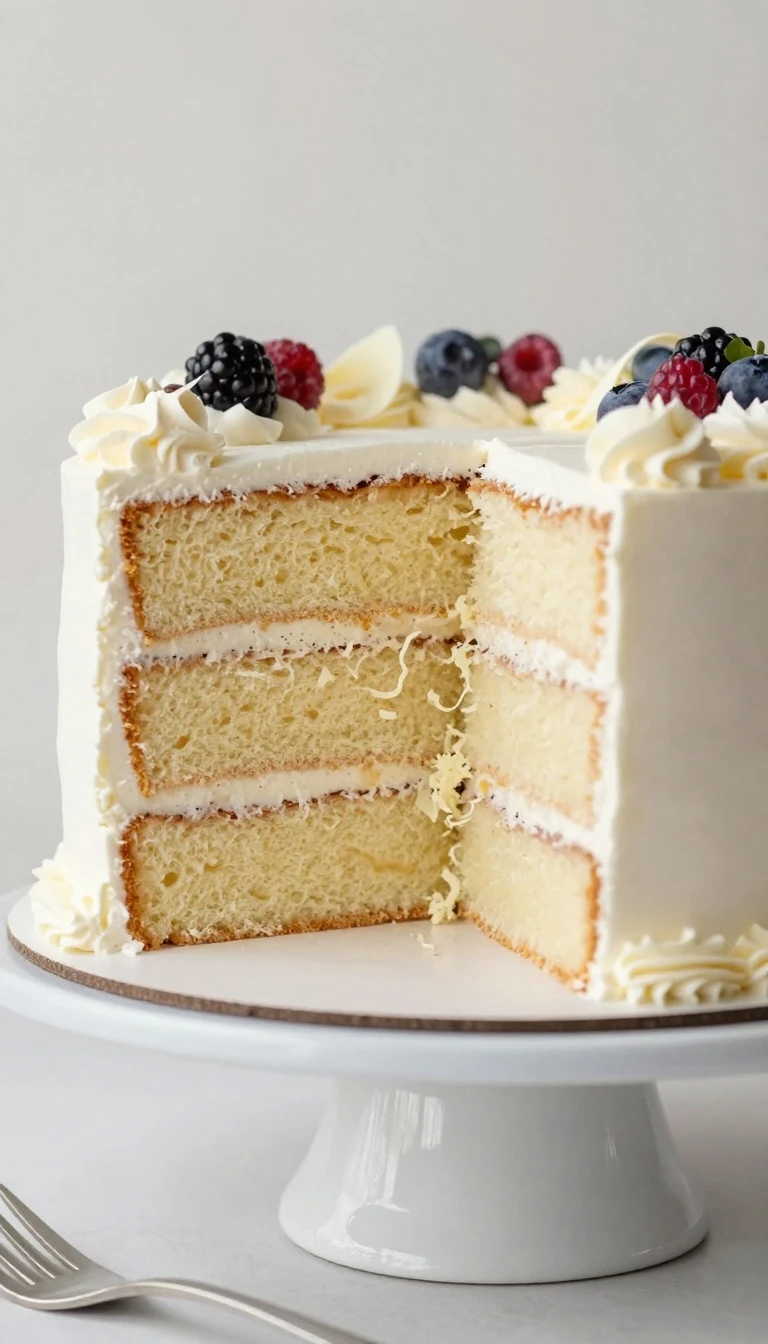
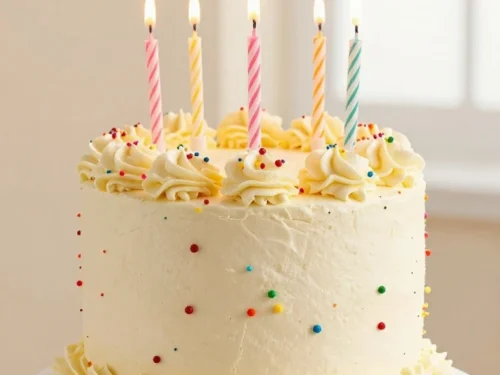
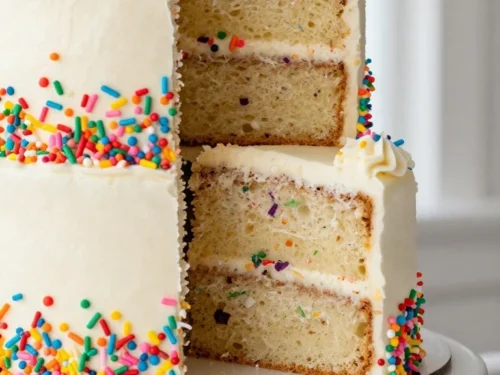
This White Velvet Cake recipe makes three tender 8-inch layers with a fine, soft crumb and a beautifully bright white color. Made with cake flour, buttermilk, egg whites, butter, oil, vanilla, and a small amount of vinegar, it serves about 12–16 people and is ideal for birthdays, showers, anniversaries, weddings, and other special occasions.
Every bite is delicately vanilla-scented, lightly tangy from the buttermilk, and wonderfully moist without feeling heavy. The combination of butter for flavor and neutral oil for lasting tenderness gives this cake the soft texture people expect from a classic velvet cake, while egg whites keep the layers pale and elegant.
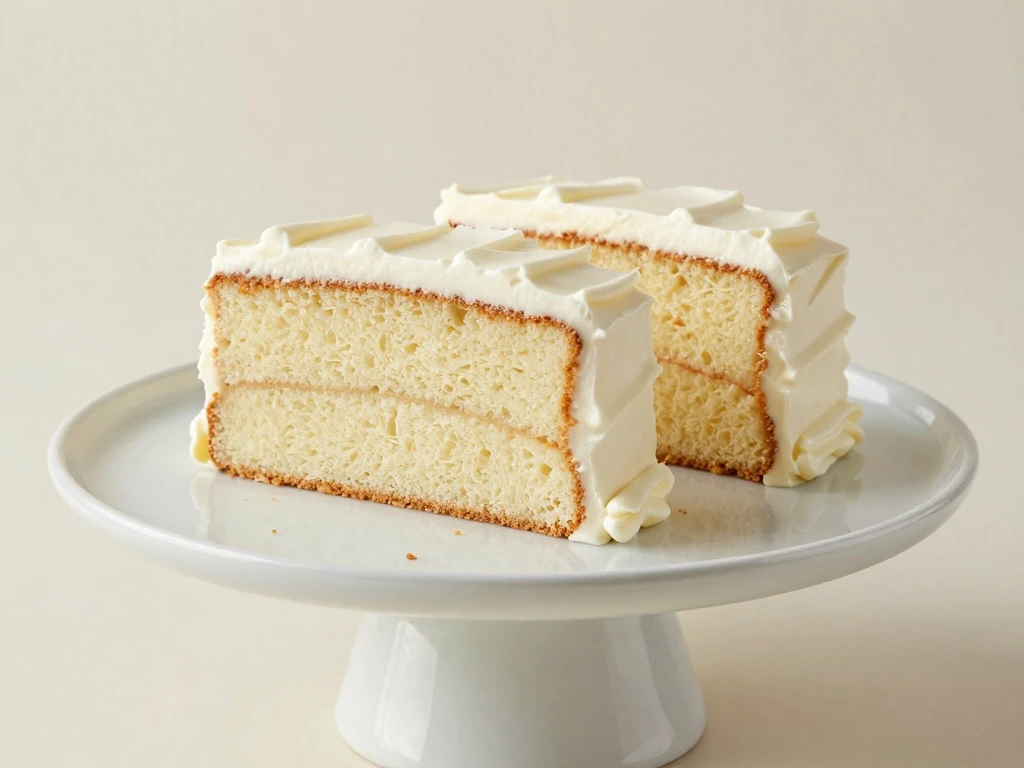
This White Velvet Cake has the graceful appearance of a traditional white cake but a richer, more satisfying texture. The crumb is fine and delicate, yet the oil helps the layers stay moist after chilling and keeps leftover slices pleasant the next day.
Egg whites are the key to the cake’s bright color. They add structure without the deeper golden shade that comes from egg yolks, making this recipe an excellent canvas for pale buttercream, fresh flowers, berries, or a simple dusting of white chocolate curls.
The flavor is gentle enough to suit almost any celebration. It is vanilla-forward, softly buttery, and touched with the pleasant tang of buttermilk, so it works equally well with creamy frosting or fruit-filled layers.
Yield: Three 8-inch cake layers
Servings: About 12–16, depending on slice size
Prep time: 25–35 minutes
Baking time: 25–30 minutes
Cooling time: At least 1 hour before frosting
Total time: Approximately 2 hours, including cooling
If you enjoy softly flavored celebration cakes, you may also like this soft vanilla cake for another classic dessert option.
Ingredients You’ll Need
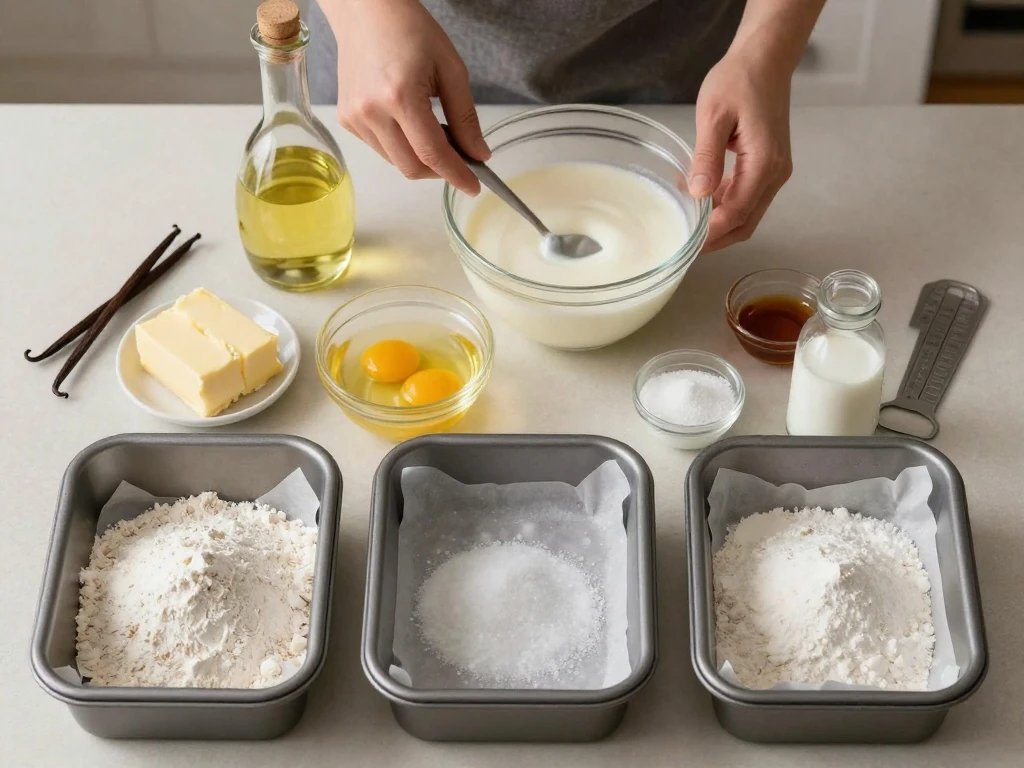
The ingredient list is straightforward, but each item has an important role. Cake flour gives the layers their tender, fine crumb, while granulated sugar adds sweetness and helps retain moisture.
2 1/2 cups cake flour: Weighing 285 grams is the most accurate method. If measuring by volume, spoon the flour into the cup and level it rather than scooping directly from the bag.
1 1/2 cups granulated sugar: The 300 grams of sugar balances the tang of the buttermilk and supports a soft texture.
1 tablespoon baking powder and 1/2 teaspoon salt: Baking powder provides lift, while salt sharpens the vanilla and buttery notes.
1/2 cup softened unsalted butter: Butter brings a rounded, classic cake flavor. It should be soft enough to blend but not melted.
1/4 cup neutral vegetable oil: Oil adds moisture and helps the cake remain tender after refrigeration.
1 cup room-temperature buttermilk: Buttermilk contributes moisture, gentle tang, and tenderness.
6 room-temperature egg whites: Egg whites keep the batter light in color and provide structure without adding yolk color.
2 teaspoons vanilla extract and 1 teaspoon white vinegar: Vanilla gives the cake its inviting aroma. The small amount of vinegar works with the buttermilk and leavening to support tenderness without creating a noticeable sour taste.
Before mixing, set out the buttermilk and egg whites so they can lose their chill. Ingredients at similar temperatures blend more readily, which helps create an even batter and consistent rise.
How to Make It Step-by-Step
Step 1: Heat the oven to 350°F (175°C). Grease three 8-inch round cake pans, then line the bottoms with parchment paper. The parchment makes releasing the delicate layers much easier, especially if the cakes are being prepared for a celebration.
Step 2: Sift or whisk the cake flour, sugar, baking powder, and salt in a large mixing bowl. Breaking up any lumps now gives the finished batter a smoother texture and distributes the leavening evenly throughout all three layers.
Step 3: Add the softened butter to the dry ingredients and mix until the mixture resembles fine, damp sand. This unusual-looking step coats the flour with fat, helping limit excess gluten development and contributing to the cake’s tender crumb.
Step 4: Add the neutral oil and mix briefly, just until it disappears into the sandy mixture. Avoid mixing for longer than needed, since the goal is to combine the ingredients without making the batter dense.
Step 5: In a separate bowl, whisk together the room-temperature buttermilk, egg whites, vanilla extract, and white vinegar. Make sure the egg whites are fully blended into the liquid, but there is no need to whip them into a foam.
Step 6: Add the liquid mixture to the dry ingredients in two or three additions, mixing just until smooth after each addition. Scrape the sides and bottom of the bowl as needed, stopping as soon as no dry streaks remain.
Step 7: Divide the batter evenly among the three prepared pans. For especially level layers, weigh the mixing bowl before and after filling or portion the batter with a kitchen scale so each pan receives the same amount.
Step 8: Bake for 25–30 minutes, checking near the shorter end of the baking range. The tops should spring back lightly when touched, a toothpick inserted in the centers should come out clean or with a few moist crumbs, and the edges should just begin to pull away from the pans.
Step 9: Let the cakes cool in their pans for about 10 minutes. Carefully turn them onto wire racks, peel away the parchment, and allow the layers to cool completely for at least 1 hour before filling or frosting.
Once cool, trim the domes if necessary and place the most even layer on a cake board or serving plate. Add frosting between the layers, cover the top and sides, and decorate according to the occasion.
Frosting and Decorating Ideas
Vanilla buttercream is the classic partner for White Velvet Cake. Its creamy sweetness highlights the delicate vanilla flavor, and its sturdy texture makes it a dependable choice for layer cakes, piping, borders, and simple decorative swirls.
For a slightly tangier finish, use cream cheese frosting. Ermine frosting is another lovely option when you want something silky and light, while white chocolate buttercream adds a gentle cocoa note without changing the cake’s pale appearance.
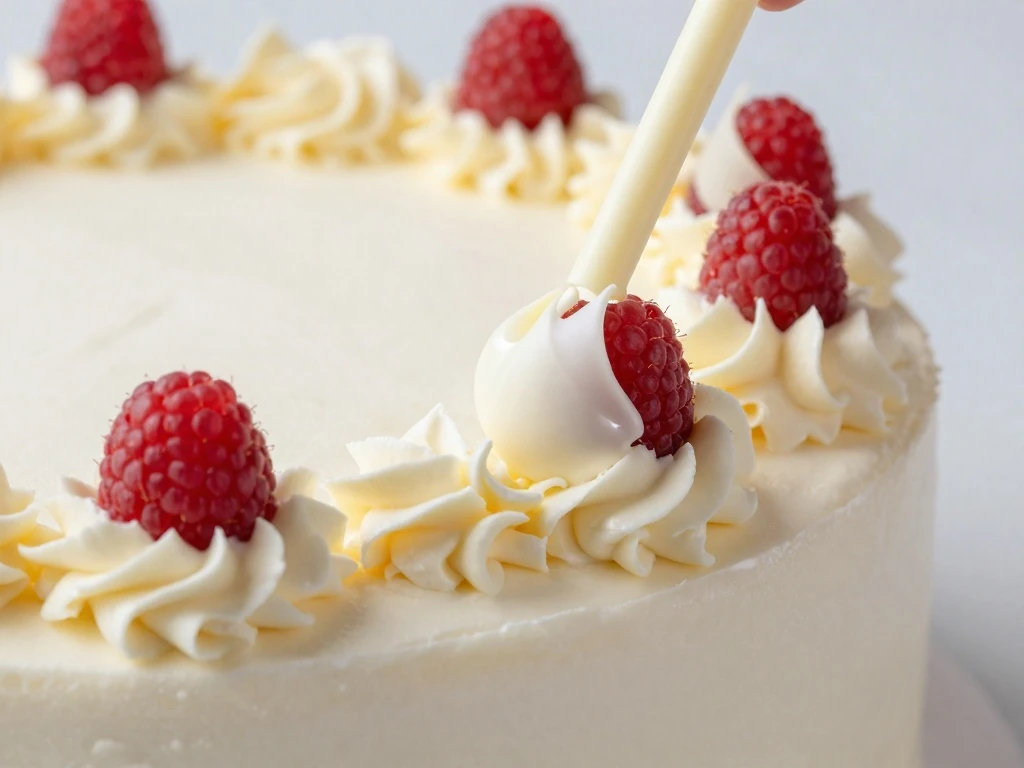
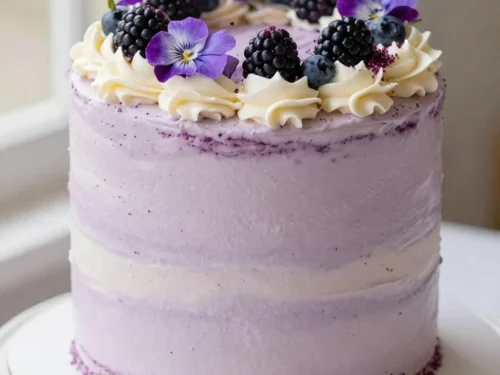
For a fresh and elegant presentation, spread whipped cream between the layers and add fresh berries. Strawberries, raspberries, blueberries, or blackberries provide color and a bright fruit contrast.
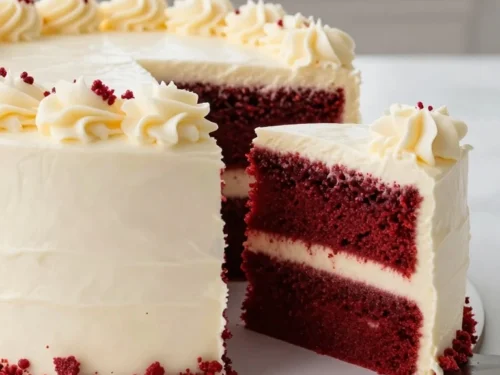
For another creative celebration cake, take inspiration from our purple velvet cake, especially if you are planning a colorful dessert table.
Finish with white chocolate curls for a refined look.
Add fresh berries just before serving so they remain bright and firm.
Use pale blue, blush, or lavender decorations for showers and spring celebrations.
Pipe a simple shell border around the top and bottom edges for a timeless party-cake finish.
Pro Tips for a Soft, Even Cake
Room-temperature ingredients are one of the simplest ways to improve the batter. Cold buttermilk or egg whites can make the butter firm up and may prevent the mixture from emulsifying evenly.
Weigh the cake flour whenever possible. Accurate flour measurement helps prevent dry layers, and weighing the batter into the pans keeps all three cakes the same thickness so they bake at the same rate.
Mix with restraint. Once the liquid has been incorporated and the batter looks smooth, stop. Overmixing can create a tougher crumb, which is especially noticeable in a light white cake.
Watch the oven carefully near the end of baking. White cakes can dry out quickly, so remove the layers when the centers spring back lightly and the edges are just beginning to pull away from the pans.
Allow the layers to cool fully before frosting. A warm cake can soften buttercream, cause sliding layers, and make the final finish less tidy.
Storage, Serving, and Make-Ahead Advice
Once frosted, keep the cake covered at room temperature for up to 2 days if the frosting and filling are stable at room temperature. If using cream cheese frosting, whipped cream, or fresh berries, refrigerate the cake instead.
The frosted cake can be refrigerated for up to 4 days in a well-covered container. Bring it out briefly before serving so the crumb softens and the buttercream becomes creamy rather than firm.
The unfrosted layers may be wrapped well and held at room temperature for a short period or refrigerated until you are ready to assemble. For longer storage, wrap each cooled layer securely and freeze it, then thaw it while still wrapped to help protect the texture.
For clean slices, use a long sharp knife and wipe the blade between cuts. Thin slices are often enough because the three layers and frosting make each serving pleasantly rich.
If you are building a menu of classic celebration cakes, our white German chocolate cake is another beautiful choice for a dessert spread.
White Velvet Cake
A soft, fine-crumb white cake made with buttermilk, egg whites, butter, and oil. This elegant three-layer cake pairs beautifully with vanilla buttercream, cream cheese frosting, ermine frosting, white chocolate buttercream, or whipped cream and berries.
6large egg whitesLarge egg whites, room temperature
2teaspoonsVanilla extract
1teaspoonWhite vinegar
Method
Step-by-Step
Heat the oven to 350°F (175°C). Grease three 8-inch round cake pans and line the bottoms with parchment paper.
Whisk or sift together the cake flour, sugar, baking powder, and salt. Add the softened butter and mix until the dry ingredients look fine and sandy.
Add the oil and mix briefly. In a separate bowl, combine the room-temperature buttermilk, egg whites, vanilla extract, and white vinegar.
Add the liquid mixture to the dry ingredients in two or three additions, mixing just until smooth after each addition. Do not overmix.
Divide the batter evenly among the prepared pans. Bake for 25–30 minutes, until the tops spring back lightly and a toothpick comes out clean or with a few moist crumbs.
Cool the cakes in their pans for about 10 minutes. Turn them onto wire racks and cool completely, at least 1 hour, before filling and frosting.
Notes
For the most even layers, weigh the batter as you divide it among the pans. Store the finished frosted cake covered at room temperature for up to 2 days or refrigerate it for up to 4 days; let chilled slices sit briefly before serving.
Final Thoughts
This White Velvet Cake is the kind of dessert that feels special from the first slice. Its pale layers, tender crumb, and gentle vanilla-buttermilk flavor make it polished enough for a formal celebration while remaining approachable for a weekend baking project.
For the best result, keep the ingredients at room temperature, measure the flour carefully, divide the batter evenly, and resist the urge to leave the cakes in the oven past the point of doneness. Those small details protect the soft texture and bright appearance that define a great white velvet cake.
Choose your favorite frosting, add a decoration that suits the occasion, and let the delicate layers take center stage. Whether served at a birthday, bridal shower, holiday gathering, or family dinner, this cake is sure to bring a graceful finish to the table.