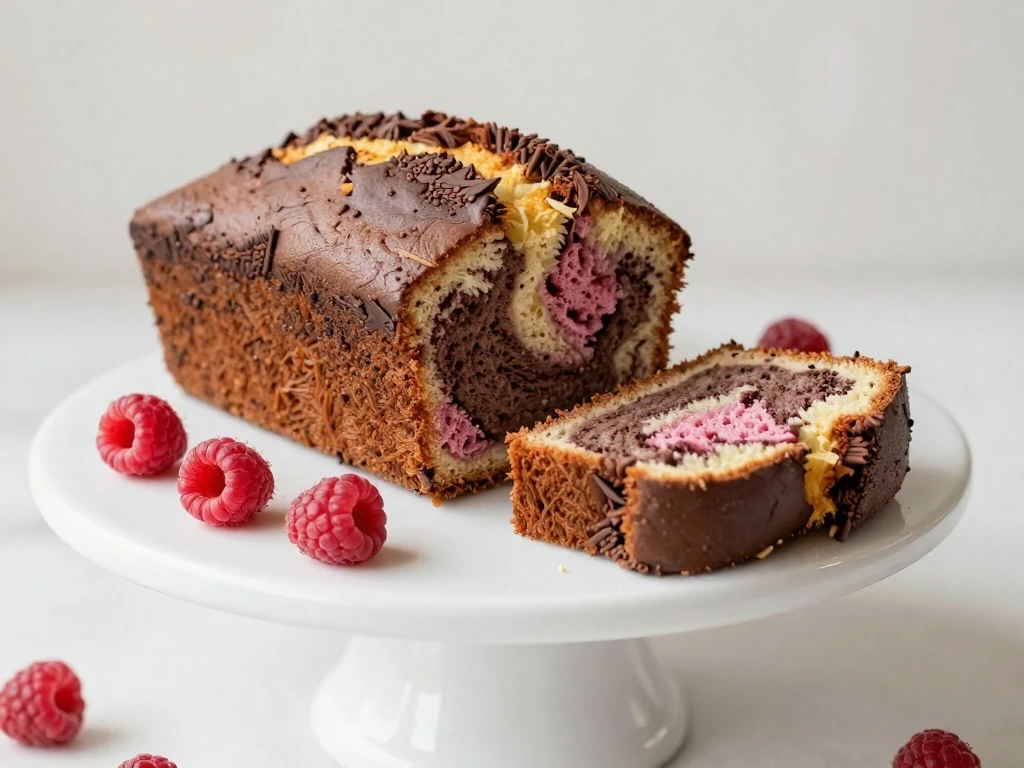
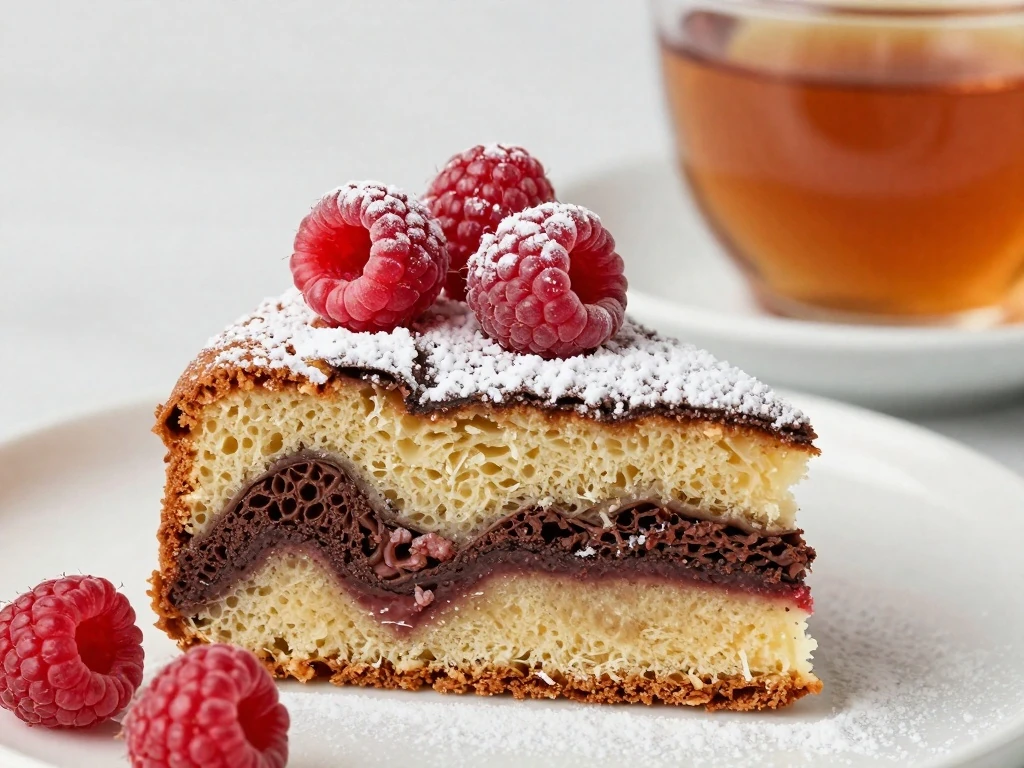
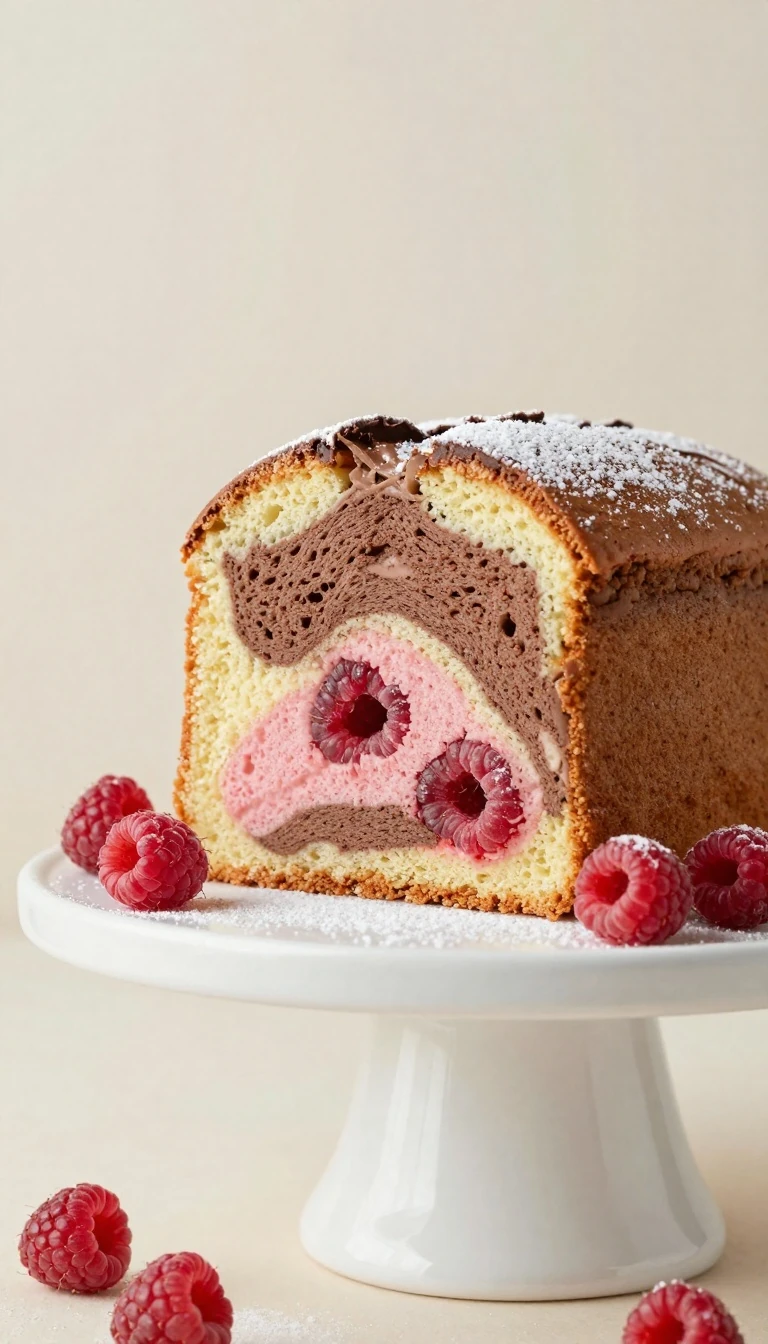
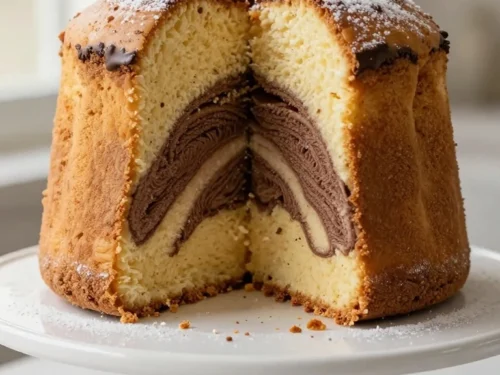
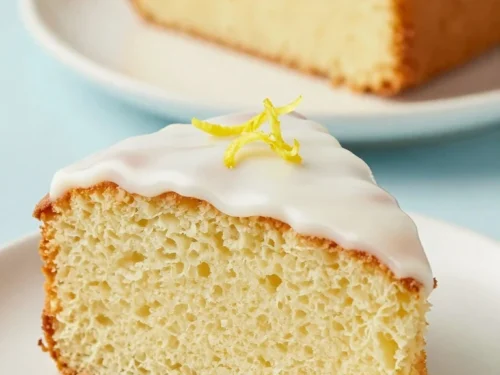
This super soft and fluffy marble cake recipe makes one beautiful 8-inch round cake or one 9 x 5-inch loaf, serving about 8 to 10 people. The buttery vanilla batter is divided, blended with smooth cocoa paste, gently swirled, and baked at 175°C/350°F for 45 to 55 minutes.
Every slice has a tender golden crumb, rich chocolate ribbons, and a fragrant vanilla finish. Although this recipe appears in the fruit category as a website classification, traditional marble cake is a vanilla-and-chocolate bake and does not contain fruit.
This marble cake brings together two classic cake flavors in every slice. The vanilla portion tastes buttery and delicate, while the cocoa portion adds a mellow chocolate richness without making the cake heavy.
The texture is the real star. Creamed butter and sugar create tiny air pockets, room-temperature eggs help the batter blend smoothly, and a modest amount of milk keeps the finished crumb moist and tender.
It is also a wonderfully practical cake for home bakers. You do not need frosting, special decorating equipment, or unusual ingredients to make it look inviting; the natural swirl provides all the visual charm.
The recipe works in either an 8-inch round pan or a 9 x 5-inch loaf pan. Choose the round shape for a tea-table centerpiece, or use the loaf pan when you want neat slices that are easy to wrap and pack.
Makes about 8 to 10 servings.
Needs 20 to 25 minutes of preparation.
Bakes in 45 to 55 minutes.
Uses a classic all-butter vanilla-and-chocolate formula.
Ingredients You’ll Need
Begin with 225 g of unsalted butter, softened to room temperature, and 200 g of granulated sugar. Butter gives the cake its rich flavor, while creaming it with sugar provides the light structure needed for a fluffy crumb.
You will also need four large eggs at room temperature and two teaspoons of vanilla extract. Adding the eggs gradually prevents the mixture from separating and allows each egg to become fully incorporated before the next one goes in.
The dry ingredients are straightforward: 225 g plain or all-purpose flour, two teaspoons baking powder, and one-quarter teaspoon fine salt. Spoon the flour into your measuring cup and level it rather than scooping directly from the bag, since too much flour can make the cake firm.
Use 60 ml milk to loosen the batter. For an especially soft variation, replace 2 tablespoons of that milk with 2 tablespoons of plain yogurt or sour cream, keeping the total liquid amount balanced.
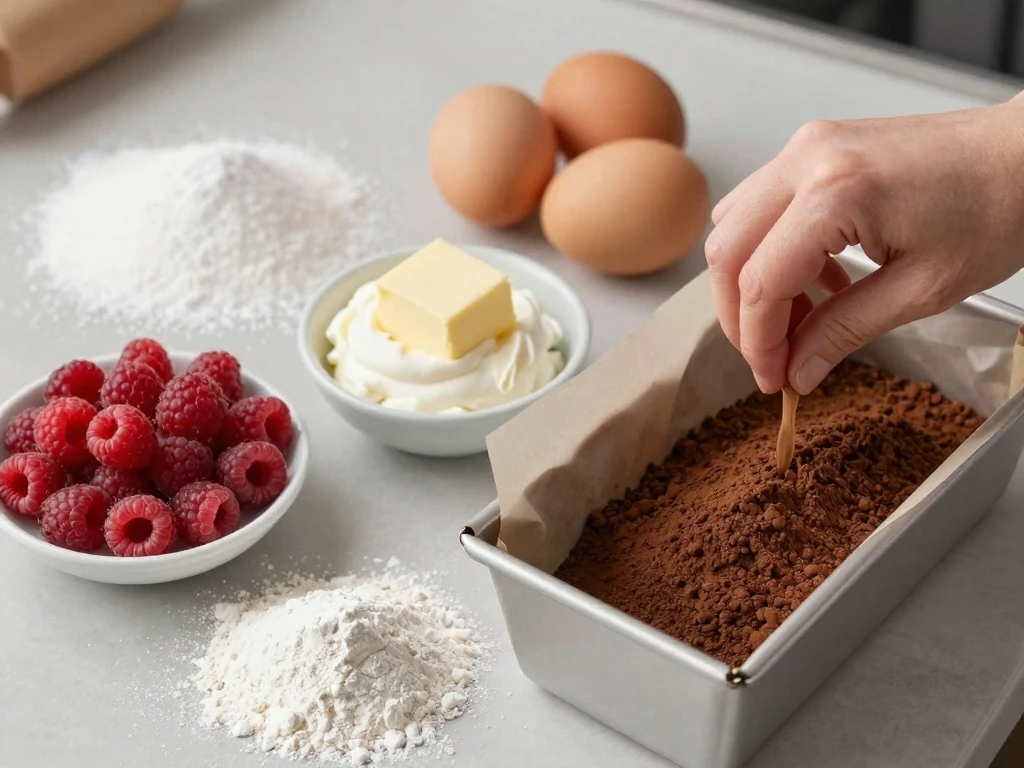
The chocolate half needs 25 g unsweetened cocoa powder and 30 ml hot water or hot milk. Making a smooth cocoa paste first is important because it prevents dry cocoa pockets and distributes the chocolate flavor evenly through the reserved batter.
Have all ingredients measured before mixing, and allow the butter, eggs, and milk to sit at room temperature. Ingredients with similar temperatures blend more easily, which helps produce a smooth batter instead of a curdled one.
How to Make It Step-by-Step
Step 1: Prepare the pan and oven before making the batter. Grease an 8-inch/20-cm round cake pan or a 9 x 5-inch/23 x 13-cm loaf pan, then line the base with parchment paper and lightly grease the paper; preheat the oven to 175°C/350°F conventional or 160°C fan-assisted.
Step 2: Whisk the flour, baking powder, and salt in a medium bowl until evenly combined. This distributes the baking powder and salt through the flour, so the cake rises consistently without concentrated salty or leavening spots.
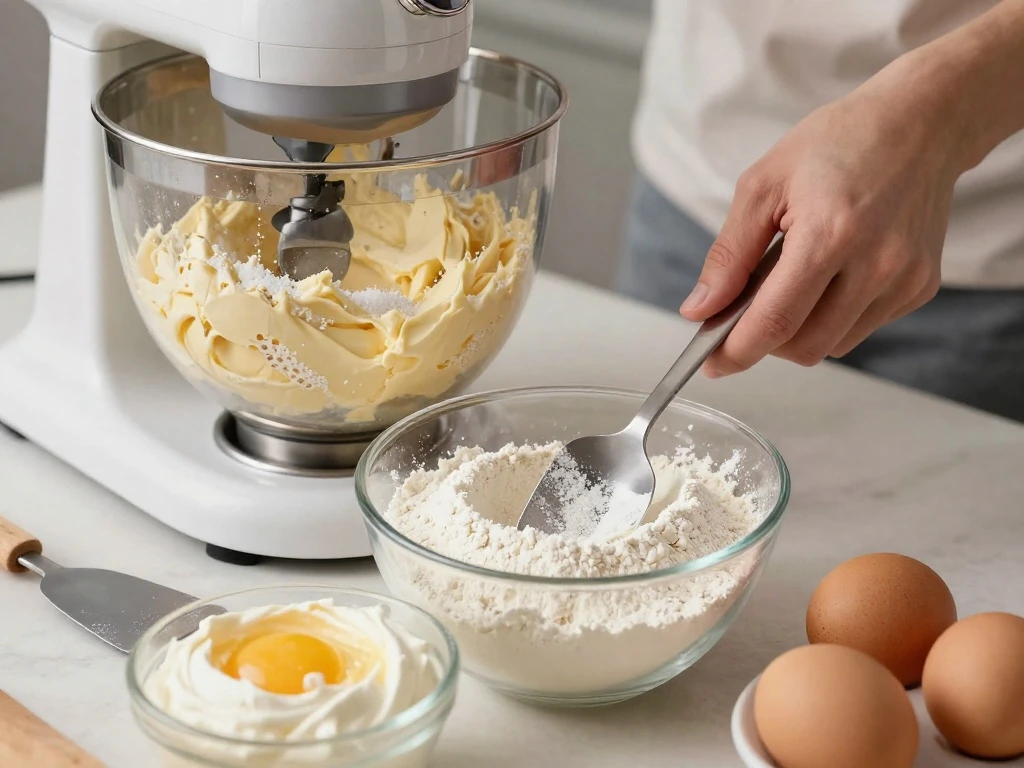
Step 3: Place the softened butter and sugar in a large mixing bowl and beat for 3 to 5 minutes. Continue until the mixture looks noticeably paler, lighter, and fluffy, scraping the sides once or twice so no firm butter remains around the bowl.
Step 4: Add the eggs one at a time, beating well after each addition and scraping down the bowl as needed. Mix in the vanilla extract once the eggs are incorporated; if the mixture looks slightly curdled, do not worry, as the flour will bring it together.
Step 5: Add the dry mixture in two or three additions, alternating each addition with some of the milk. Mix on low speed or fold by hand only until the flour disappears, because prolonged mixing develops gluten and can make the finished cake dense.
Step 6: Transfer approximately one-third of the vanilla batter into a separate bowl. Keep the remaining two-thirds as the light vanilla portion, taking care not to stir either batter more than necessary.
Step 7: Put the cocoa powder in a small bowl and add the hot water or hot milk. Stir until it forms a glossy, lump-free paste, then add it to the reserved one-third of batter and mix gently until the color is even.
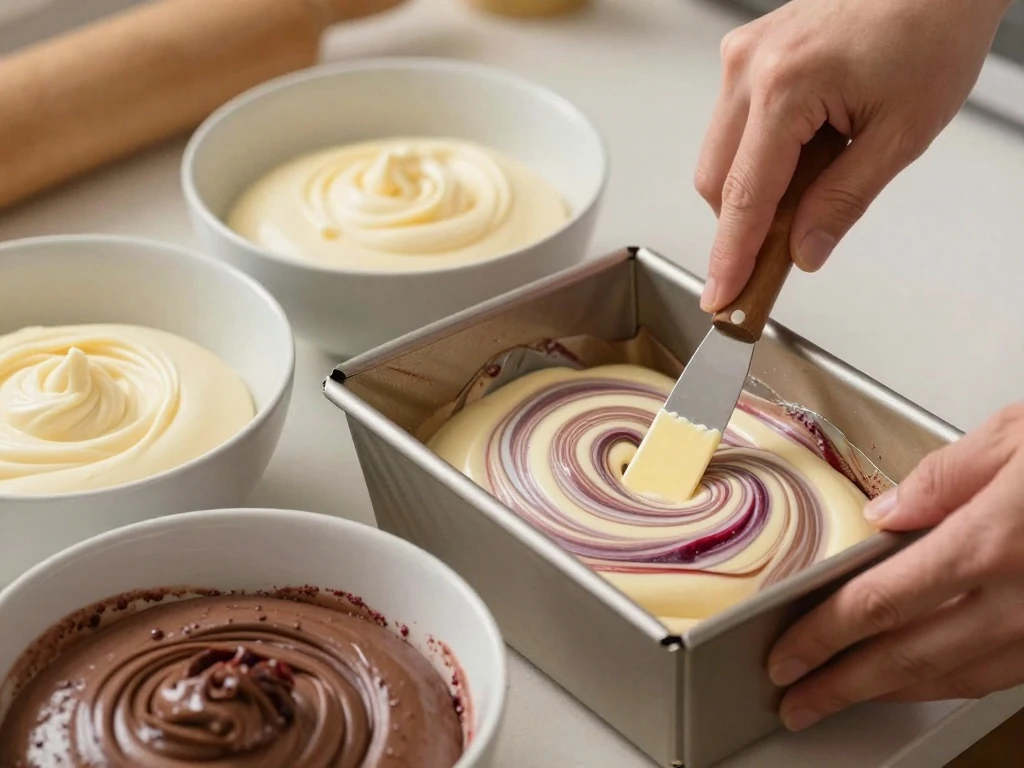
Step 8: Spoon alternating amounts of vanilla and chocolate batter into the prepared pan. You can place small spoonfuls in a loose checkerboard pattern or create broad patches, since both methods produce attractive slices once the cake is cut.
Step 9: Insert a skewer or thin knife into the batter and make two or three gentle figure-eight motions. Stop as soon as you see distinct ribbons; excessive swirling blends the colors together and leaves the cake looking mostly brown.
Step 10: Bake for 45 to 55 minutes, checking near the shorter end of the baking range. The cake is ready when a skewer inserted in the center comes out clean or with a few moist crumbs, and the top springs back lightly when touched.
Step 11: Leave the cake in its pan for about 15 minutes so the crumb can settle and firm slightly. Carefully remove it, peel away the parchment, and cool it completely on a wire rack for at least 30 minutes before slicing.
Pro Tips for a Fluffy Marble Cake
Soft butter is essential for proper creaming. It should feel pliable when pressed but should not look greasy or melted; if it is too firm, the sugar will not create the fine air pockets that help the cake rise.
Room-temperature eggs and milk also make a difference. Cold ingredients can cause the creamed butter mixture to tighten or separate, while room-temperature ingredients create a more cohesive batter with a lighter baked texture.
Measure flour by weight when possible. If using cups, spoon the flour into the cup and level it with a straight edge, since packing flour into a cup can add enough extra dry ingredient to make the cake less tender.
Do not judge the swirl by trying to make it perfect before baking. A few relaxed passes with a skewer are enough, and the oven will soften the edges of each ribbon into a naturally beautiful pattern.
For a richer chocolate note, use hot milk instead of hot water in the cocoa paste. Either liquid works, but the key is to stir until completely smooth before it meets the batter.
If your cake browns quickly while the center still needs time, loosely cover the top with foil during the final part of baking. Avoid opening the oven repeatedly, as sudden temperature changes can affect the cake’s rise.
Scrape down the bowl while creaming and after adding each egg.
Mix only until the flour disappears.
Use a clean skewer to test the center, not the edge.
Allow the cake to cool before slicing for the neatest marbling.
Storage & Serving Suggestions
Once completely cool, store the marble cake in an airtight container at room temperature. It remains pleasantly soft for up to 3 days, although the first day offers the freshest butter and vanilla aroma.
Serve slices plain with coffee, tea, or a glass of milk. The cake is already flavorful, but a light dusting of powdered sugar, a spoonful of softly whipped cream, or a few chocolate curls can make it feel more festive without hiding the marbled interior.
To freeze it, wrap the cooled cake or individual slices tightly, place them in a freezer-safe container or bag, and freeze for longer storage. Thaw wrapped slices at room temperature so condensation forms on the wrapping rather than on the cake surface.
This recipe does not require reheating, but a slice can be warmed very briefly if you enjoy a softer, slightly warm crumb. Heat gently and stop before the butter melts, since overheating can dry the edges.
For gatherings, bake the loaf a day ahead and slice it just before serving. A serrated knife used with a gentle sawing motion will reveal the vanilla and chocolate pattern without crushing the tender crumb.
Troubleshooting Common Problems
If the cake is dense, the most likely causes are overmixing, overly soft butter, or too much flour. Next time, cream the butter and sugar until truly fluffy, measure the flour carefully, and stop mixing immediately after the dry ingredients disappear.
If the chocolate batter is thick, the cocoa may not have been fully dissolved or the reserved batter may have sat while the cocoa paste cooled. Stir the cocoa with hot liquid until smooth and fold it in gently; add only the listed extra 1 to 2 teaspoons of milk if the batter genuinely needs loosening.
If the marble pattern is faint, the batters may have been over-swirled. Use only two or three figure-eight motions and leave visible patches of vanilla and chocolate before the pan goes into the oven.
If the center sinks, the cake may have been removed before it was fully baked or the oven door may have been opened too early. Test the center with a skewer and rely on moist crumbs rather than wet batter as the sign of doneness.
Super Soft and Fluffy Marble Cake
A tender all-butter marble cake with pale vanilla batter and rich chocolate swirls. It is simple enough for a weekday bake yet pretty enough for afternoon tea, birthdays, and family celebrations.
225gPlain or all-purpose flour, spooned and leveled
2teaspoonsBaking powder
1/4teaspoonFine salt
60mlMilk
Chocolate Batter
25gUnsweetened cocoa powder
30mlHot water or hot milk
Method
Step-by-Step
Grease and line an 8-inch/20-cm round pan or a 9 x 5-inch/23 x 13-cm loaf pan. Preheat the oven to 175°C/350°F conventional, or 160°C fan-assisted.
Whisk the flour, baking powder, and salt together in a bowl. In a separate large bowl, beat the softened butter and sugar for 3 to 5 minutes until pale, light, and fluffy.
Beat in the eggs one at a time, scraping down the bowl after each addition, then mix in the vanilla. Add the dry ingredients in two or three additions, alternating with the milk, and stop mixing as soon as the flour disappears.
Transfer about one-third of the batter to another bowl. Stir the cocoa powder with the hot water or hot milk until smooth, then mix this paste into the reserved batter.
Spoon alternating amounts of vanilla and chocolate batter into the prepared pan. Draw a skewer or knife through the batter with only two or three gentle figure-eight motions.
Bake for 45 to 55 minutes, until a skewer inserted in the center comes out clean or with a few moist crumbs. Cool in the pan for about 15 minutes, then transfer the cake to a wire rack to cool completely for at least 30 minutes.
Notes
For a softer crumb, replace 2 tablespoons of the milk with 2 tablespoons of plain yogurt or sour cream. Keep the cake covered at room temperature for up to 3 days, or freeze well-wrapped slices for longer storage.
Final Thoughts
This super soft and fluffy marble cake is proof that a simple recipe can deliver both comfort and charm. With buttery vanilla cake, smooth chocolate ribbons, and a tender crumb, it is the kind of bake that looks special while remaining easy to prepare.
Take your time with the creaming stage, keep the ingredients at room temperature, and mix gently once the flour is added. Dissolve the cocoa in hot liquid and swirl sparingly, and you will be rewarded with clearly defined marbling and a beautifully light texture.
Enjoy it plain, dusted with powdered sugar, or served beside your favorite hot drink. Whether baked as a round cake or a loaf, this 8-to-10-serving recipe is a dependable treat for weekend baking, afternoon tea, celebrations, and quiet slices enjoyed straight from the kitchen.