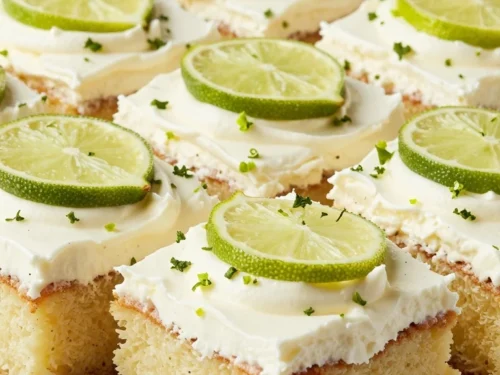
This Starbucks Lemon Pound Cake recipe makes one moist, dense lemon loaf with a tender crumb and the signature thick white lemon glaze. Bake the batter in a 9 x 5-inch loaf pan at 350°F (175°C) for 45–55 minutes, then cool it completely before glazing for the neat coffee-shop finish.
Fresh lemon zest and juice give every slice a bright citrus flavor, while softened butter, sour cream, and three eggs create the rich pound-cake texture. It is buttery without being heavy, pleasantly tangy, and perfect with morning coffee, afternoon tea, or a simple dessert plate.
Jump to RecipeWhy You’ll Love This Recipe

This homemade Starbucks Lemon Pound Cake has the qualities that make the bakery version so tempting: a fine, moist crumb, a rich buttery flavor, and a sharp lemon finish. The glaze adds a sweet-tart layer that melts slightly against the cake while remaining thick enough to create the familiar white topping.
The recipe is also straightforward. You do not need a special mixer attachment, complicated syrup, or unusual ingredient. A hand mixer or stand mixer, one bowl for the dry ingredients, and a standard 9 x 5-inch loaf pan are enough to make a beautiful fruit-forward cake.
If you enjoy classic loaf cakes, you may also want to browse this favorite pound cake guide for another reliable base recipe and serving inspiration. The lemon version is especially good when you want a familiar dessert with a fresh citrus personality.
Ingredients You’ll Need
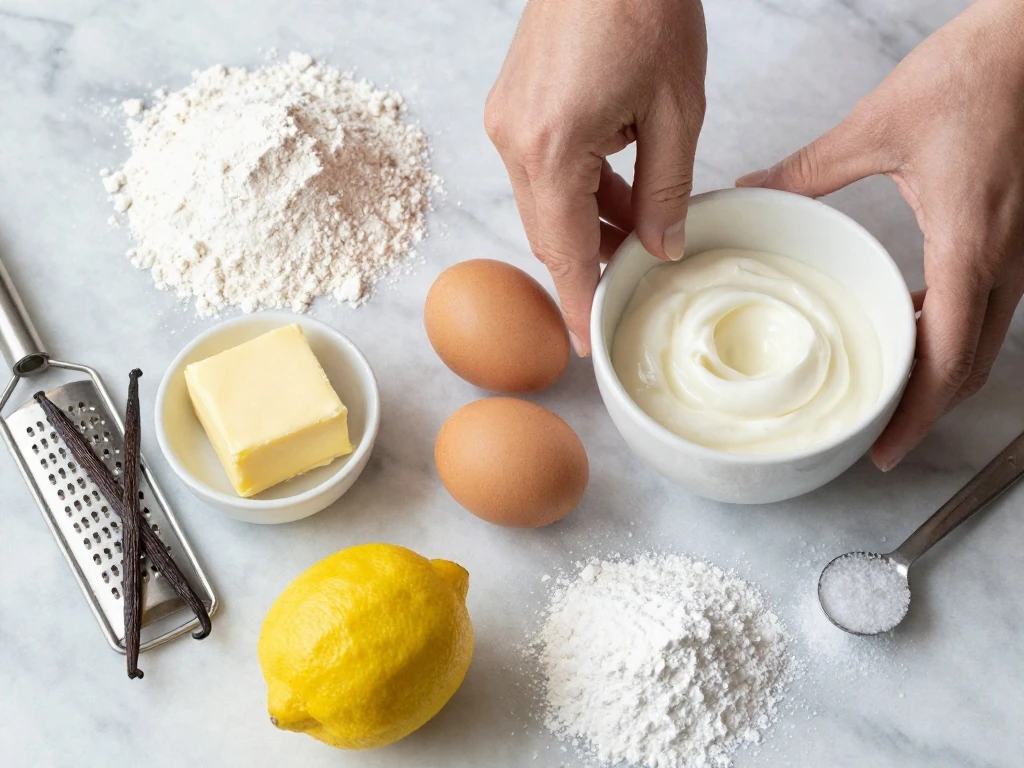
The ingredient list is deliberately balanced for a dense but tender loaf. All-purpose flour gives the cake structure, while baking powder provides enough lift without turning it into a light sponge cake. Fine salt keeps the sweetness focused and helps the lemon taste brighter.
- Butter and sugar: Softened unsalted butter creates richness, and granulated sugar helps produce a pale, fluffy batter when creamed properly.
- Eggs: Three room-temperature eggs add structure, moisture, and a smooth texture.
- Fresh lemon: Use 2 tablespoons of finely grated zest and 2 tablespoons of juice in the cake. The zest supplies fragrant lemon oils, while the juice contributes clean acidity.
- Sour cream: This is the key to the moist, dense pound-cake crumb. It also adds gentle tang that works beautifully with the glaze.
- Glaze ingredients: Powdered sugar and fresh lemon juice make a thick white topping. Milk or cream is optional and should be added only if the glaze is too stiff.
Room-temperature eggs and sour cream blend more evenly into the softened butter. If you forget to set them out, place the eggs in warm water for a few minutes, but avoid using hot water.
How to Make It Step-by-Step
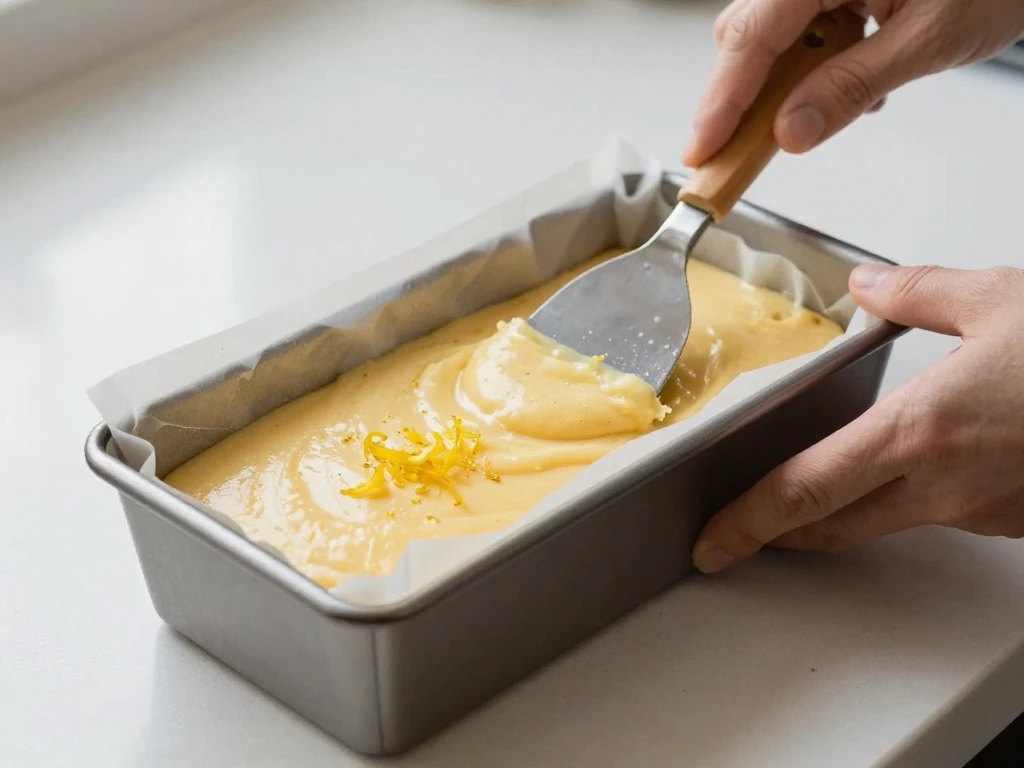
Step 1: Begin by heating the oven to 350°F (175°C). Grease and flour a 9 x 5-inch loaf pan, or line it with parchment paper, because a well-prepared pan makes it much easier to release the finished loaf without tearing its sides.
Step 2: Whisk together the all-purpose flour, baking powder, and fine salt. This distributes the leavening and salt throughout the flour so the cake rises evenly and does not develop salty pockets.
Step 3: Rub the lemon zest into the granulated sugar before mixing. This simple chef’s technique releases the oils from the zest, then beat the fragrant sugar with softened butter for 2–3 minutes until the mixture looks pale and fluffy.
Step 4: Add the room-temperature eggs one at a time, beating after each addition. Mix in the fresh lemon juice and vanilla extract, scraping the bowl as needed so the lemon flavor is distributed through the batter.
Step 5: Add the flour mixture in two or three additions, alternating with the sour cream. Mix only until combined; a few final strokes by hand are often better than prolonged mixer beating, which can develop too much gluten.
Step 6: Spoon the batter into the prepared pan and spread it evenly from end to end. Smooth the top with a spatula, paying attention to the corners, then place the pan on the center rack of the preheated oven.
Step 7: Bake for 45–55 minutes. The loaf is ready when it is lightly golden and a toothpick inserted in the center comes out with a few moist crumbs; if the top colors too quickly, loosely cover it with foil.
Step 8: Let the cake cool in the pan for 10–15 minutes. Transfer it to a wire rack and wait until it is completely cool, since glaze poured over a warm cake will melt and run off rather than form a thick topping.
Step 9: Make the glaze by whisking 1 1/2 cups of powdered sugar with 2–3 tablespoons of lemon juice. The ideal consistency is thick, smooth, and pourable; add a small amount of milk or cream only when necessary.
Step 10: Pour the glaze over the cooled loaf and allow it to set before slicing. For a polished coffee-shop appearance, chill the glazed cake briefly and use a serrated knife to cut clean, even pieces.
Pro Tips for a Moist Lemon Loaf
Use fresh lemons rather than bottled juice whenever possible. Fresh zest contains aromatic oils that bottled juice cannot replace, and the zest is responsible for much of the cake’s recognizable lemon fragrance.
Do not skip the creaming step. Beating the butter and sugar for 2–3 minutes incorporates air and gives the baking powder a well-prepared batter to work with, while stopping at the right moment prevents the finished loaf from becoming tough.
Sour cream should be measured carefully and mixed in gently. Some copycat recipes use Greek yogurt, but the specified sour cream gives this loaf its moist, dense pound-cake texture.
Watch the cake during the final 10 minutes of baking. Loaf pans vary slightly, so begin checking at 45 minutes, but rely on the moist-crumb toothpick test rather than color alone. A perfectly baked loaf may still have a few crumbs attached.
For a stronger citrus note, focus on zest instead of changing the liquid balance. Lemon extract is used in some variations, usually 1/2–1 teaspoon, but this version gets its flavor from fresh zest, fresh juice, and vanilla.
Making the White Lemon Glaze

The glaze should be thick enough to sit on the top of the loaf and slowly run down the sides. Start with 2 tablespoons of lemon juice, whisk thoroughly, and add the third tablespoon only if the powdered sugar remains too thick to pour.
If the glaze becomes too thin, whisk in a little more powdered sugar. If it is too thick, add milk or cream gradually, no more than needed, because a small amount can change the consistency quickly.
Always glaze the cake on a rack set over parchment or a baking sheet. This catches drips and lets you lift the loaf cleanly once the topping has set. A sprinkle of finely grated lemon zest can be added while the glaze is still wet, although the classic version is simply white.
For another traditional comparison, see this classic family-style pound cake recipe. Its richer, less citrus-focused profile is useful when planning a dessert spread with several loaf cakes.
Storage and Serving

Let the glaze set fully before covering the loaf. Store it in an airtight container at room temperature for up to 2 days, or refrigerate it when you need to keep it longer. Refrigeration firms the crumb, so let slices sit at room temperature briefly before serving.
Wrapped slices can also be frozen without losing their pleasant texture. For best results, wrap individual pieces well, place them in a freezer-safe container, and thaw them in the refrigerator or at room temperature before serving.
Serve each slice with coffee, black tea, or sparkling water with lemon. The cake is sweet enough to stand alone, but fresh berries, softly whipped cream, or a few curls of lemon zest make a pretty plate for brunch and afternoon gatherings.
If you are building a collection of dependable traditional bakes, this old-fashioned pound cake favorite is another lovely recipe to keep nearby. Compared with that classic style, this lemon loaf has a brighter flavor and a more pronounced glaze.

Starbucks Lemon Pound Cake
Ingredients
Method
- Heat the oven to 350°F (175°C). Grease and flour a 9 x 5-inch loaf pan, or line it with parchment paper, leaving enough overhang to lift out the cooled loaf.
- Whisk the flour, baking powder, and fine salt together in a medium bowl. Set the dry mixture aside while you prepare the butter and sugar.
- Rub the finely grated lemon zest into the granulated sugar with your fingertips until the sugar feels fragrant and slightly damp. Beat the lemon-scented sugar with the softened butter for 2–3 minutes, until pale and fluffy.
- Beat in the eggs one at a time, allowing each egg to blend in before adding the next. Mix in the lemon juice and vanilla extract until the batter is evenly combined.
- Add the dry ingredients in two or three additions, alternating with the sour cream. Mix only until no obvious streaks of flour remain, because overmixing can make the loaf firm.
- Spread the batter evenly into the prepared loaf pan and smooth the surface. Make sure the batter reaches the corners so the loaf bakes with an even shape.
- Bake for 45–55 minutes, until the top is lightly golden and a toothpick inserted in the center comes out with a few moist crumbs. If the top browns too quickly, cover the loaf loosely with foil for the remainder of baking.
- Cool the loaf in the pan for 10–15 minutes, then transfer it to a wire rack. Let it cool completely before adding the glaze.
- Whisk the powdered sugar with 2–3 tablespoons of fresh lemon juice until the glaze is thick but pourable. Add milk or cream a little at a time only if the glaze needs thinning.
- Pour the glaze over the completely cooled loaf and let it set before slicing. For especially neat slices, chill the glazed loaf briefly and cut it with a serrated knife.
Notes
Final Thoughts
This Starbucks Lemon Pound Cake recipe brings the coffee-shop favorite into your kitchen with familiar ingredients and a simple mixing method. The combination of lemon zest, fresh juice, butter, and sour cream creates the moist, dense crumb, while the powdered-sugar glaze supplies the bright finish that makes each slice memorable.
Give the loaf plenty of time to cool before glazing, and use the toothpick test to judge doneness rather than rushing it from the oven. Once the topping has set, slice it with a serrated knife and enjoy a tender lemon treat that is just as welcome at breakfast as it is after dinner.