This simple 4-ingredient cake recipe makes a light, buttery Victoria-style sponge with just softened unsalted butter, caster sugar, large eggs, and self-raising flour. The batter takes about 10 to 20 minutes to prepare, and the two 20 cm / 8-inch sponge layers bake in 20 to 25 minutes at 180°C conventional, 160°C fan, or 350°F.
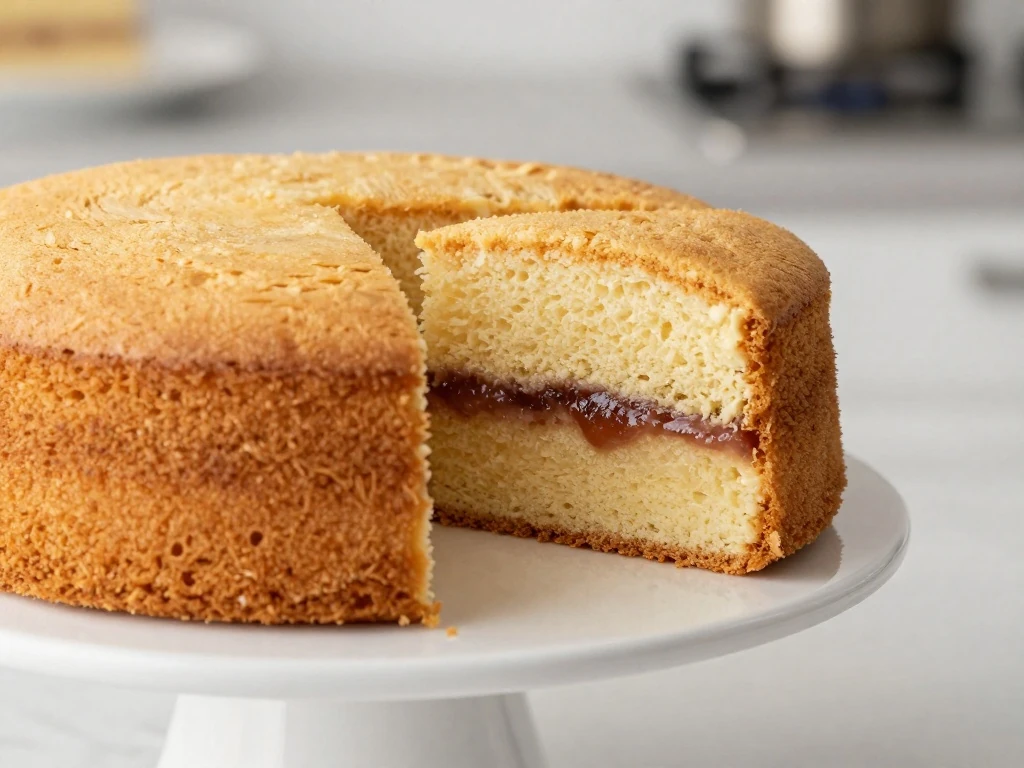
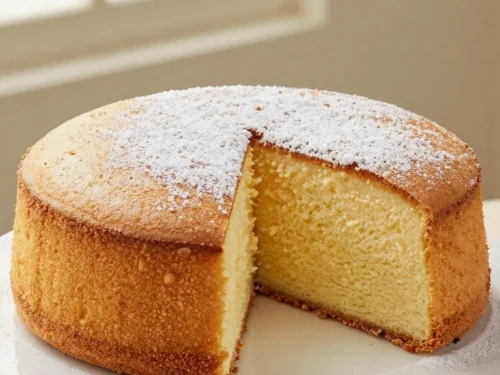
The finished cake has a tender crumb, delicate buttery flavor, and a softly golden top. Serve the layers plain with tea, or sandwich them with jam, whipped cream, or buttercream for an easy homemade celebration cake that yields about 8 to 10 servings.
This is the kind of cake to keep in your regular baking rotation. It needs no special flavorings, complicated filling, or advanced decorating skills, yet it produces a handsome two-layer sponge with a classic bakery-style crumb.
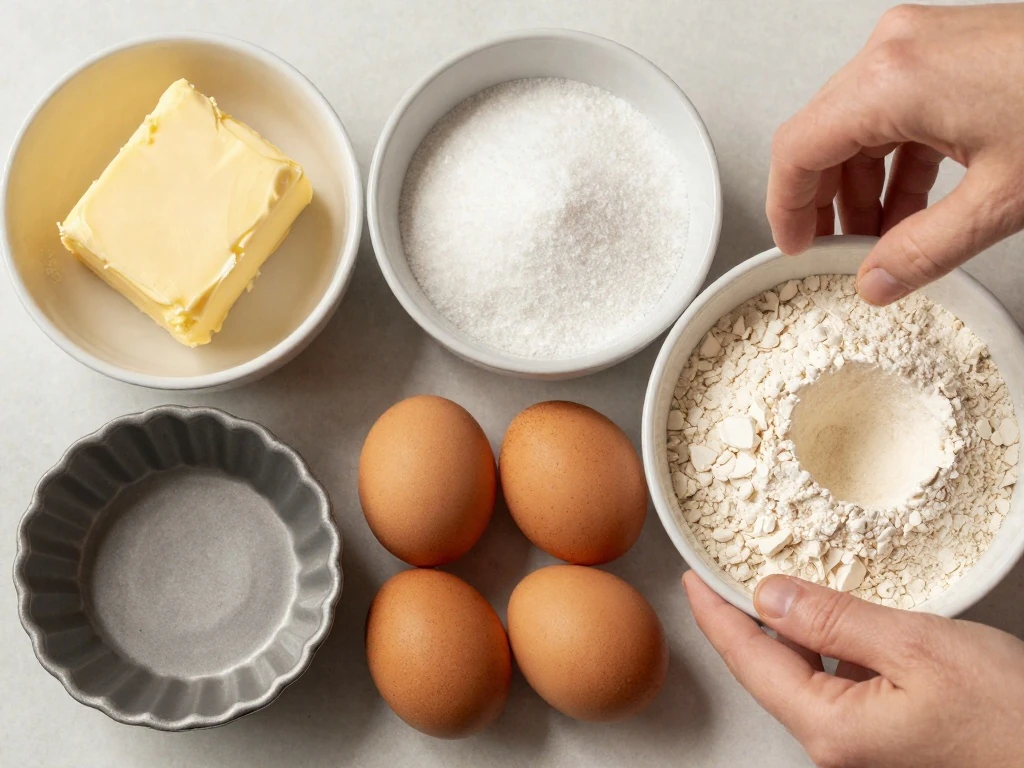
The equal-weight formula is especially dependable: 200 g each of butter, sugar, and self-raising flour balanced with four large eggs. The butter brings richness, the sugar creates a fine sweetness and golden crust, while the eggs give the sponge structure and moisture.
It is also a useful base for many occasions. Serve it unfilled for an afternoon snack, add jam for a traditional tea cake, or finish it with cream and fresh fruit when you want something more festive. For another wonderfully easy bake, you can also try this two-ingredient soda cake idea.
Ingredients You’ll Need
Every ingredient has a clear job, so small details matter. Use a scale if possible, particularly for the flour, because too much flour can make a sponge heavy and dry.
200 g unsalted butter: Let it soften until easily pressed with a fingertip, but do not melt it. Soft butter traps air effectively when beaten with the sugar.
200 g caster sugar: Its fine crystals dissolve readily and help create a smooth batter. Superfine granulated sugar is also suitable.
4 large eggs: Room-temperature eggs blend into the creamed butter more evenly than cold eggs straight from the refrigerator.
200 g self-raising flour: This provides the flour and raising agents in one ingredient, keeping the recipe pleasantly simple.
The optional filling is not part of the four-ingredient cake itself. After the layers have cooled, choose jam, whipped cream, or buttercream according to the occasion.
How to Make It Step-by-Step
Step 1: Heat the oven to 180°C conventional, 160°C fan, or 350°F. Grease two 20 cm / 8-inch round cake tins and line their bases with baking parchment, making sure the tins are ready before you begin mixing.
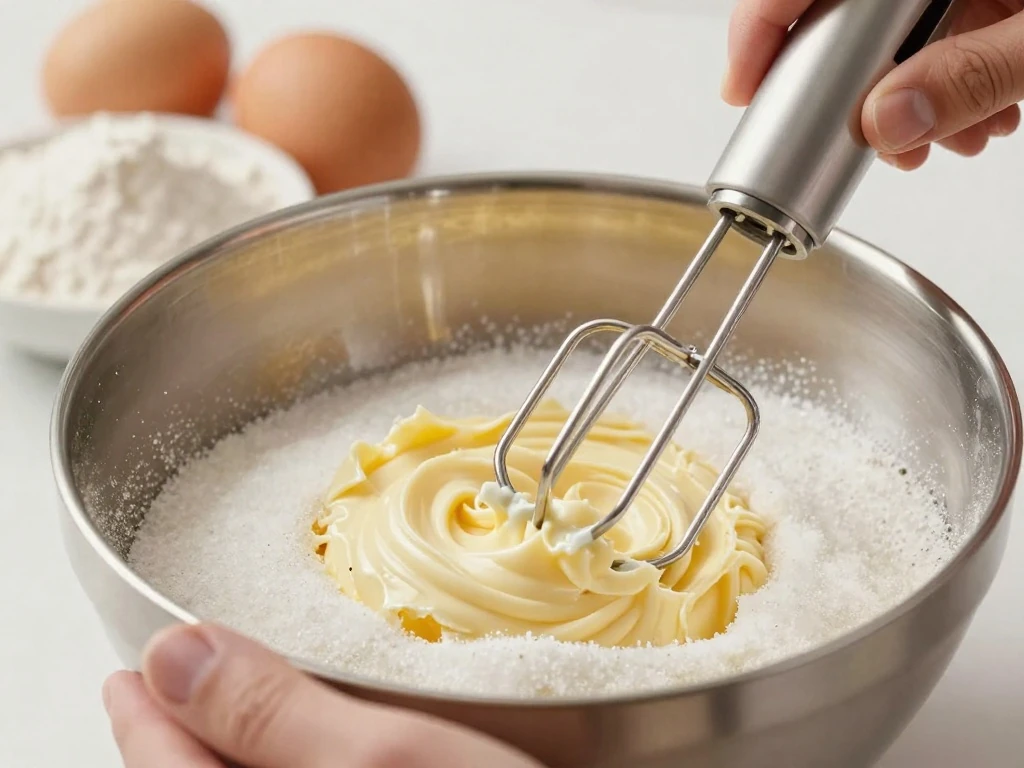
Step 2: Put the softened butter and caster sugar into a large mixing bowl. Beat them together until the mixture looks noticeably paler, light, and fluffy; this usually takes several minutes with an electric mixer and a little longer by hand.
Step 3: Add the eggs gradually, beating well after each addition. Adding them in stages helps the fat and liquid stay together, but if the batter starts to look curdled, add a spoonful of the measured flour and continue mixing.
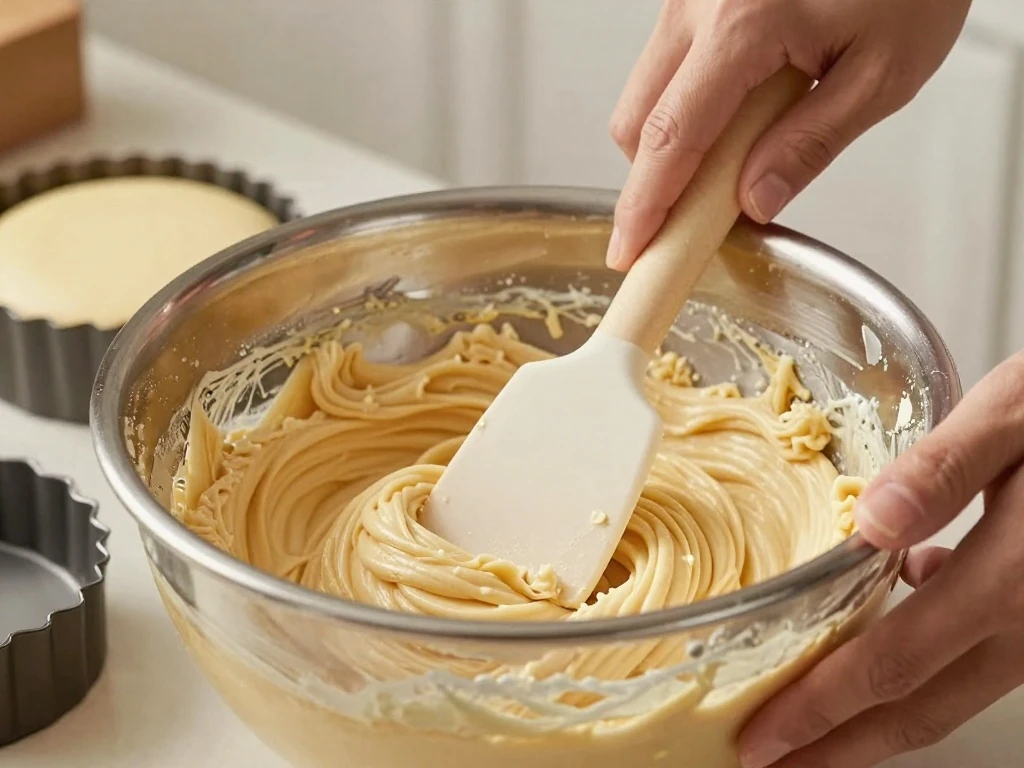
Step 4: Add the remaining self-raising flour and fold it in gently with a spatula or large metal spoon. Use broad strokes around the bowl and stop as soon as you can no longer see dry flour, since unnecessary mixing can make the cake dense.
Step 5: Divide the batter evenly between the two prepared tins. Smooth the surfaces lightly with the back of a spoon or a small offset spatula so both layers bake to a similar thickness.
Step 6: Place the tins in the heated oven and bake for 20 to 25 minutes. The cakes are ready when they are golden, spring back gently when pressed in the center, and a skewer inserted into the middle comes out clean.
Step 7: Leave the cakes in their tins for about 5 minutes after baking. Transfer them carefully to a wire rack and allow them to cool completely before filling, because warm sponge can melt cream and make jam slide.
Pro Tips for a Light Sponge
Softened butter is one of the most important details in this recipe. If it is too firm, the mixture will not become airy; if it is melted, it cannot hold the same fine structure during creaming.
Room-temperature eggs are equally helpful. To warm refrigerated eggs safely, place them in a bowl of lukewarm water for a few minutes, then dry them before cracking.
Do not judge the batter by volume alone when dividing it. If you want especially even layers, place the mixing bowl on a scale, note the total batter weight, and divide it equally between the tins.
Ovens vary, so begin checking at the 20-minute mark without leaving the door open for long. The center should look set rather than wet, and the cake should begin to pull slightly from the sides of the tin.
Once the flour is added, gentle folding is the goal. Mixing only until combined preserves the air you created during creaming and keeps the finished crumb tender.
Easy Ways to Serve It
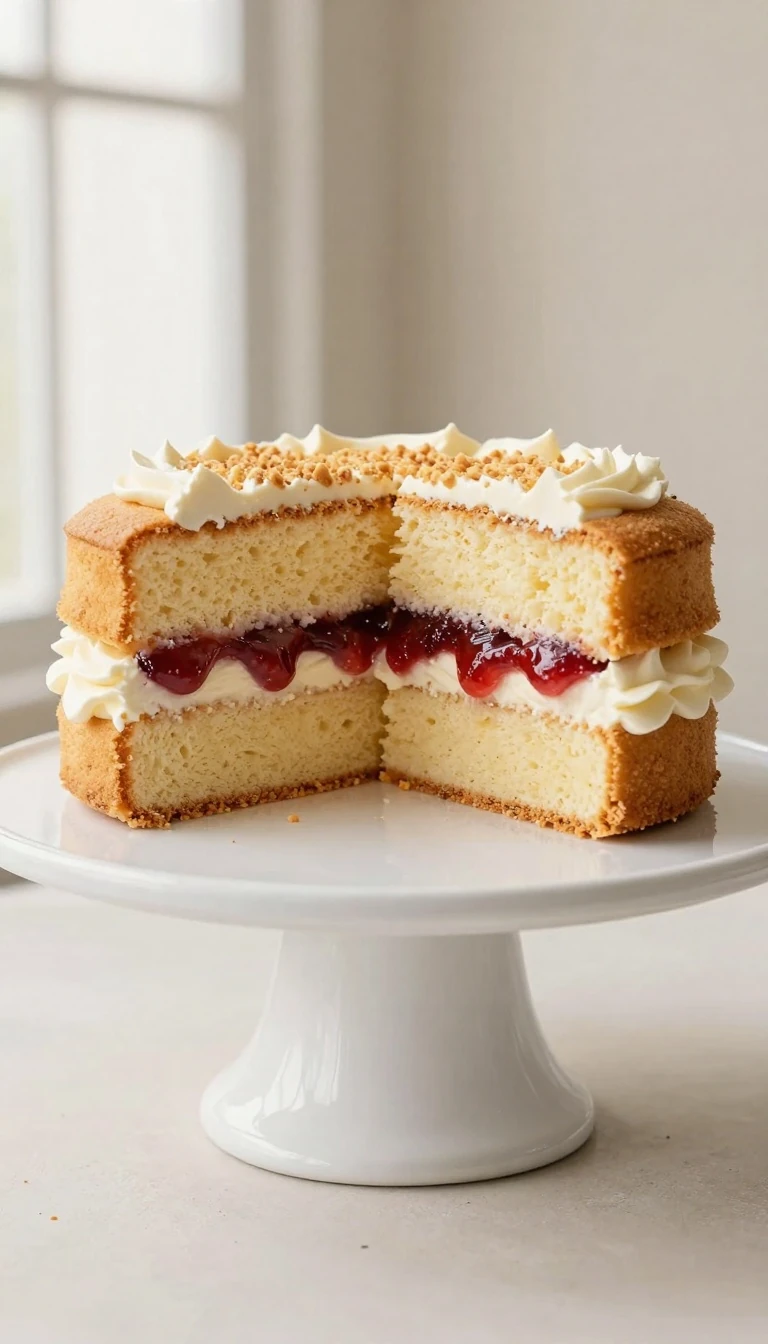
A plain slice is delicious with coffee or tea, especially while the sponge is fresh and the buttery aroma is still prominent. For the simplest filling, spread one cooled layer with jam and place the second layer on top.
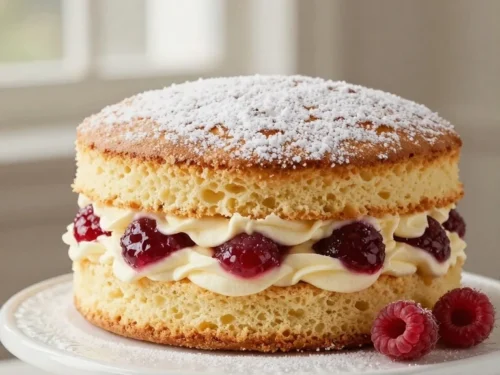
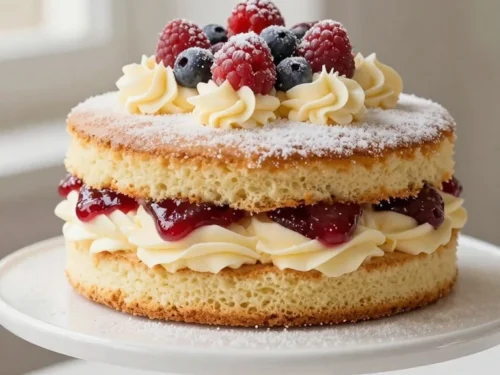
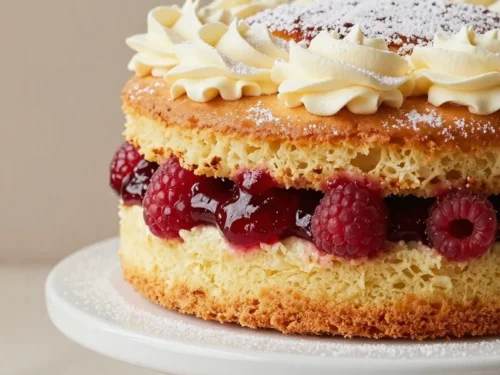
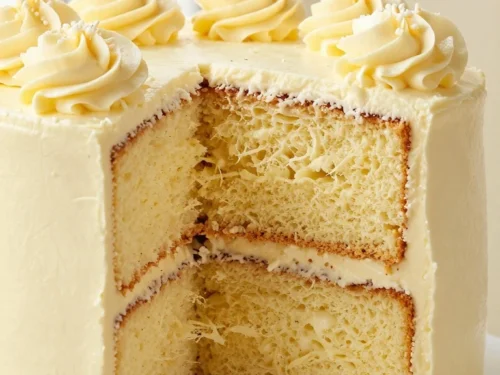
Whipped cream gives the cake a soft, delicate finish, while buttercream makes it richer and more suitable for birthdays. You can use one filling on its own or combine jam with cream for a traditional Victoria-style presentation.
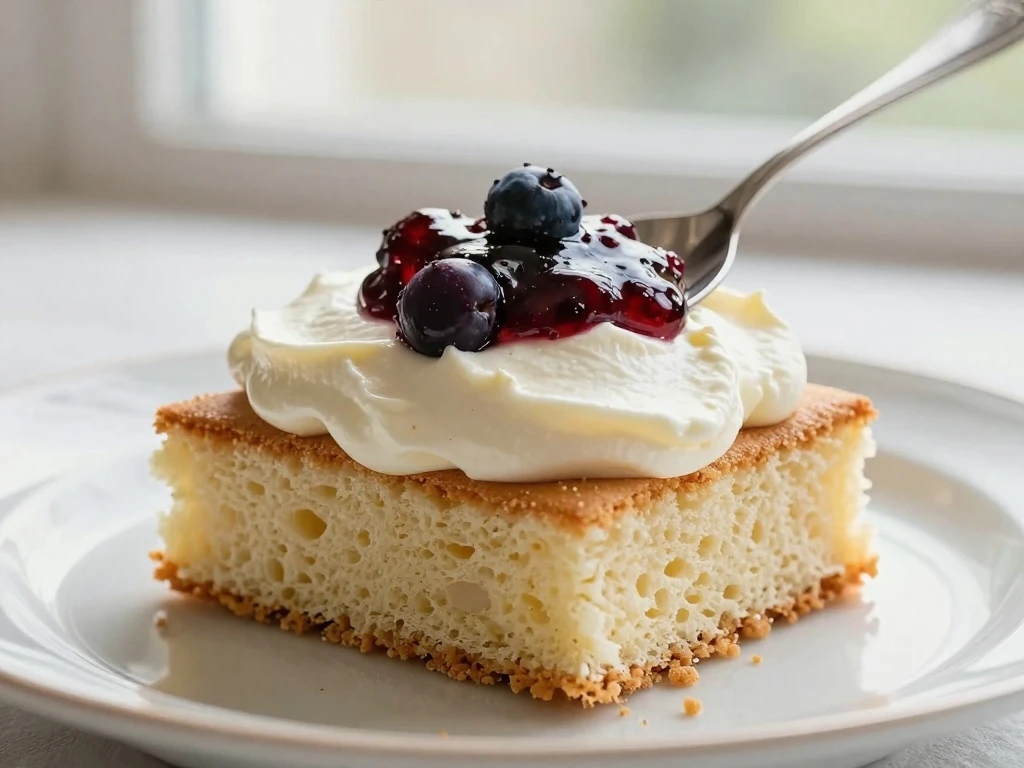
For a fruit-focused variation, serve slices with fresh berries rather than changing the basic batter. If you enjoy fruit in the cake itself, our blueberry pound cake recipe is another lovely option for a generous, berry-filled bake.
Keep decoration simple: a light dusting of sugar, a few berries, or a small spoonful of cream is enough. The golden sponge should remain the main attraction.
Storage, Slicing, and Make-Ahead Advice
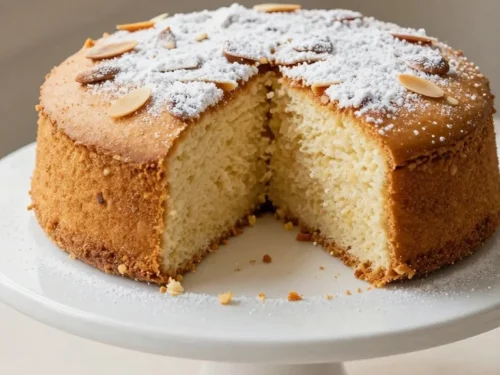
Allow the cake to cool completely before storing or filling it. An unfilled sponge can be kept in an airtight container at room temperature for up to 2 days, where it will remain soft and easy to slice.
If you fill it with whipped cream, store it covered in the refrigerator and serve it chilled or after a brief rest at room temperature. Jam-filled cake is more forgiving and can be stored in a cool place in an airtight container.
For neat slices, use a sharp serrated knife and a gentle sawing motion. Wipe the blade between cuts if you are serving the cake at a gathering and want each piece to look clean.
When you are in the mood for a cake with a crispier surface and a different texture, compare it with this crunchy-top pound cake. It makes a useful contrast to this light, airy sponge.
Simple 4-Ingredient Cake
A classic Victoria-style sponge made with equal weights of butter, sugar, and self-raising flour plus four eggs. It produces two tender 20 cm / 8-inch cake layers in about 40 to 45 minutes.
Heat the oven to 180°C conventional, 160°C fan, or 350°F. Grease and line two 20 cm / 8-inch round cake tins with baking parchment.
Beat the softened butter and sugar until pale, light, and fluffy.
Add the eggs gradually, beating well after each addition. If the mixture begins to curdle, add a spoonful of the flour.
Fold in the self-raising flour gently until just combined, taking care not to overmix.
Divide the batter evenly between the prepared tins and smooth the tops.
Bake for 20 to 25 minutes, until golden, springy in the center, and a skewer inserted into the middle comes out clean.
Cool the cakes in their tins for about 5 minutes, then transfer them to a wire rack to cool completely.
Notes
For the lightest sponge, use softened butter and room-temperature eggs. Weigh the ingredients carefully and stop folding as soon as no dry flour remains. Once cool, sandwich the layers with jam, whipped cream, or buttercream if desired.
Final Thoughts
This simple 4-ingredient cake proves that excellent baking does not require a long shopping list. With equal weights of butter, sugar, and self-raising flour, plus four eggs, you can make two golden sponge layers that are tender, fragrant, and ready for almost any occasion.
Take your time softening the butter, use eggs at room temperature, and fold the flour only until combined. Those small steps make the difference between an ordinary cake and a beautifully light sponge.
Once the layers are cool, choose the finish that suits you best: jam for tradition, whipped cream for softness, or buttercream for a richer celebration cake. Bake it for a relaxed weekend treat, an afternoon tea, or the dependable homemade dessert everyone will ask you to make again.