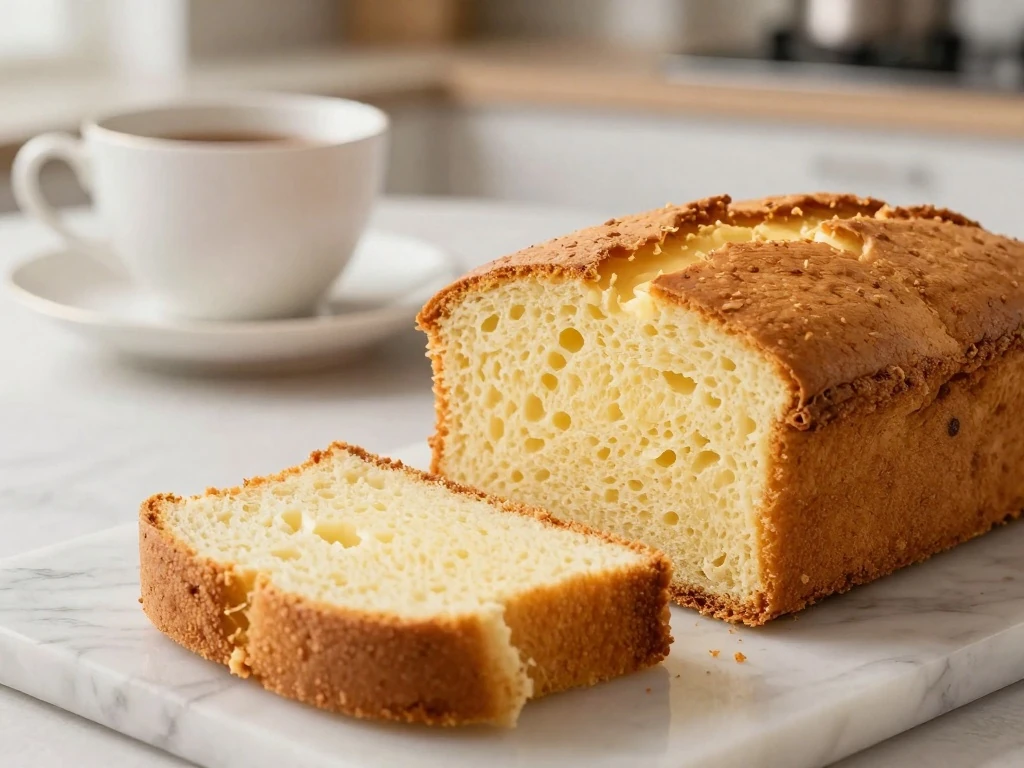
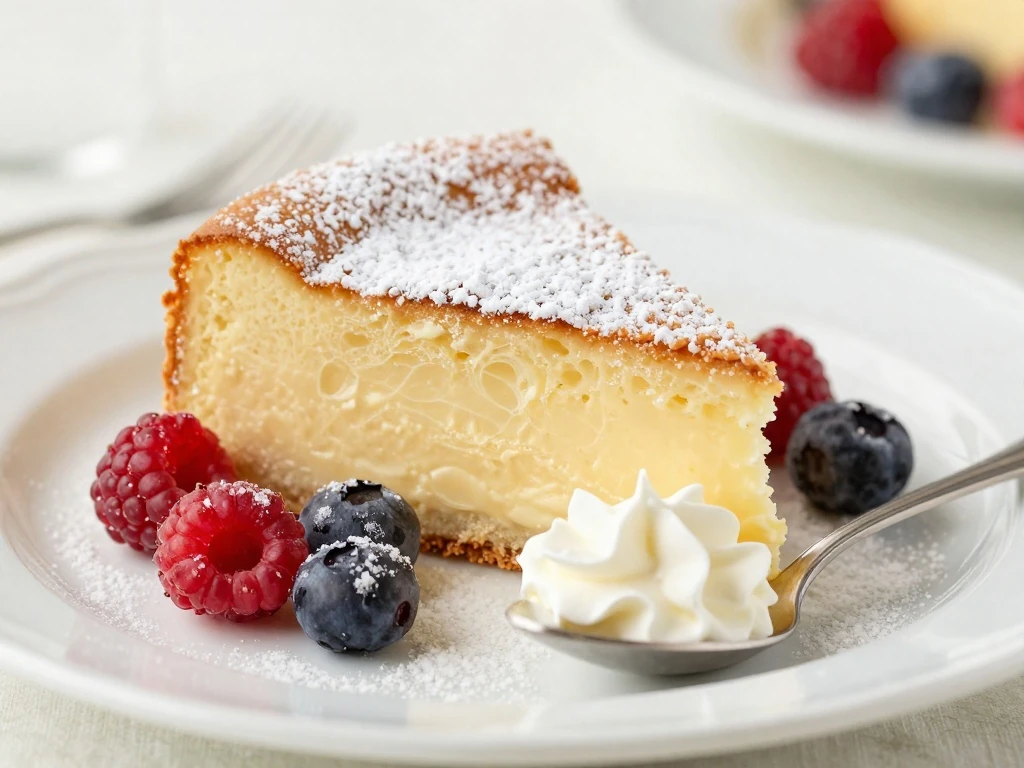
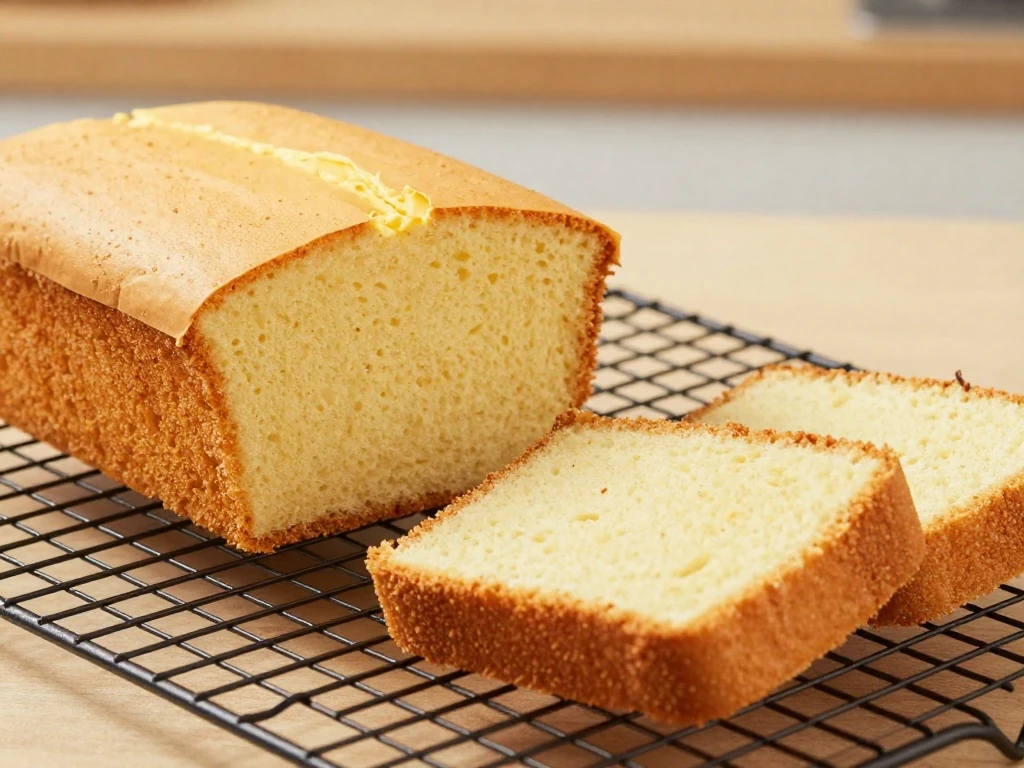
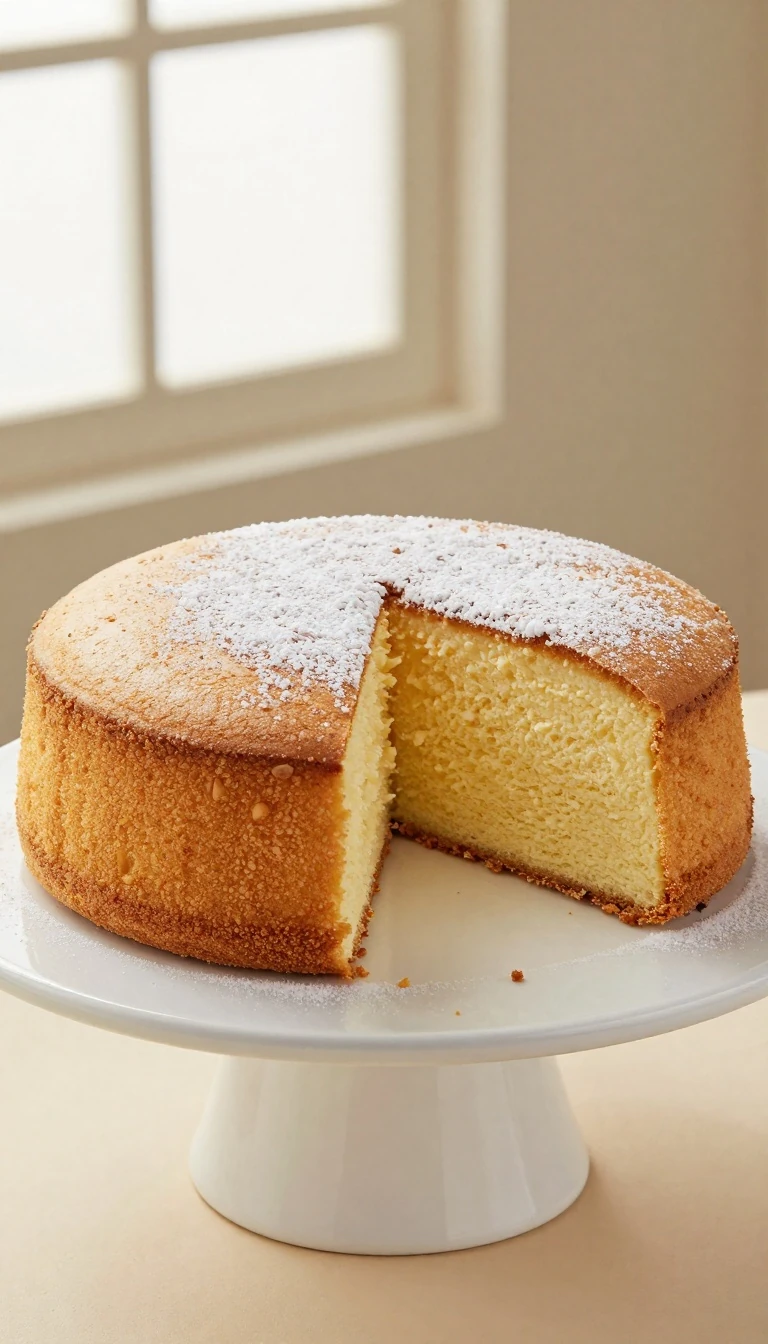
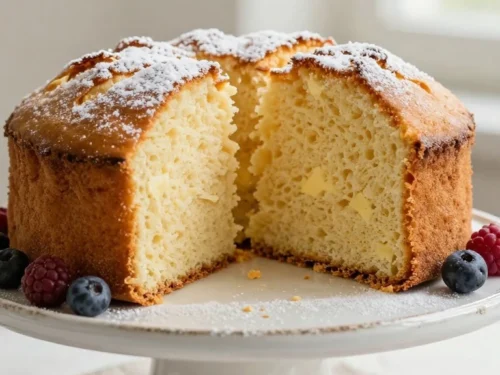
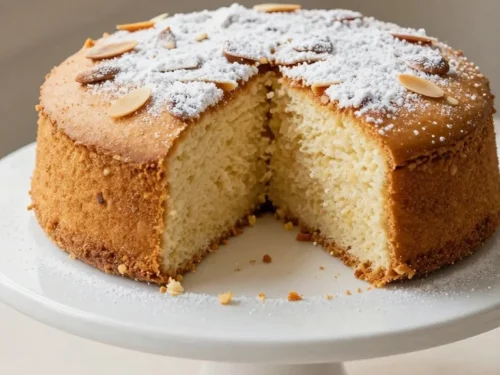
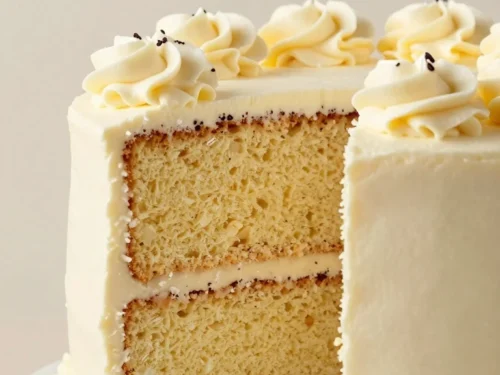
This easy butter cake recipe makes one tender 20 cm/8-inch round cake in about 45–50 minutes, including 10–15 minutes of preparation and 30–35 minutes of baking. Made with softened unsalted butter, caster sugar, eggs, self-raising flour, baking powder, vanilla, and milk, it is a simple one-bowl-style bake with a golden top and soft, buttery crumb.
The flavor is rich without being heavy, with gentle vanilla sweetness and crisp, buttery edges surrounding a moist center. Serve this classic cake plain, with a dusting of sugar, or alongside fresh fruit and tea for an easy homemade dessert that works for birthdays, afternoon treats, and everyday baking.
This easy butter cake is the kind of dependable recipe every home baker needs. It uses familiar ingredients, requires no complicated decoration, and produces a soft, golden cake with a classic buttery taste.
The batter comes together quickly, making it suitable for a weeknight dessert or a relaxed weekend bake. The finished cake is sturdy enough to slice neatly but tender enough to feel special with every bite.
Simple ingredients: Everything is easy to find in a standard baking cupboard.
Reliable method: Creaming butter and sugar gives the cake a light, fine crumb.
Flexible serving: Enjoy it plain, with fruit, or topped with a little frosting.
Small-batch size: One 20 cm/8-inch cake serves about 8 people.
If you enjoy turning leftover cake into a fun dessert, you can also try our easy cake balls recipe for another simple baking idea.
Ingredients You’ll Need
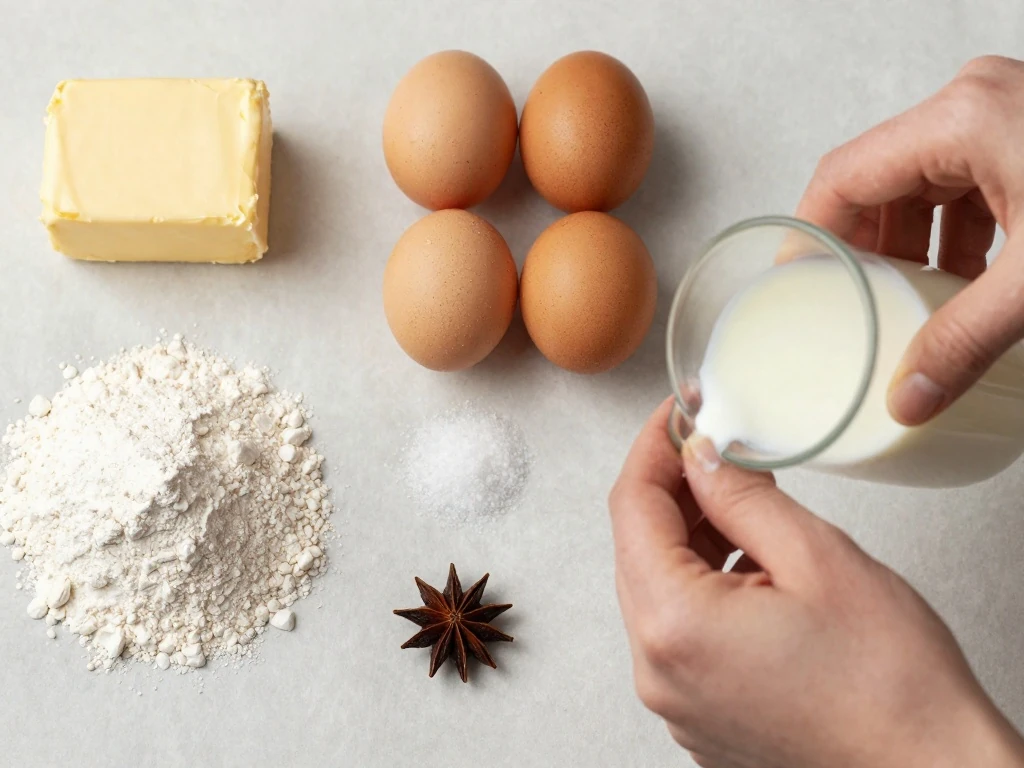
Measure the ingredients carefully for the best balance of richness, sweetness, and lift. Softened butter should be pliable enough to press with a finger but not melted or oily.
140 g unsalted butter: The main source of buttery flavor and moisture.
140 g caster sugar: Its fine texture dissolves readily during mixing and supports a delicate crumb.
3 large eggs: Use them at room temperature so they blend smoothly into the creamed butter.
140 g self-raising flour: This provides the flour base and some of the cake’s leavening.
1 tsp baking powder: Adds extra lift for a soft, nicely risen cake.
1 tsp vanilla extract: Brings a warm, fragrant note to the batter.
2 tbsp milk: Loosens the batter to a smooth, fairly thick consistency.
A pinch of salt: Optional, and best omitted when using salted butter.
For an American-style version, replace the self-raising flour and baking powder with 140 g all-purpose flour and 1 1/2 teaspoons baking powder. Keep the remaining ingredients and method the same.
How to Make It Step-by-Step
Step 1: Heat the oven to 180°C conventional, 160°C fan, or 350°F. Grease a 20 cm/8-inch round cake pan and line the base with baking paper, making sure the paper sits flat and the sides are well coated.
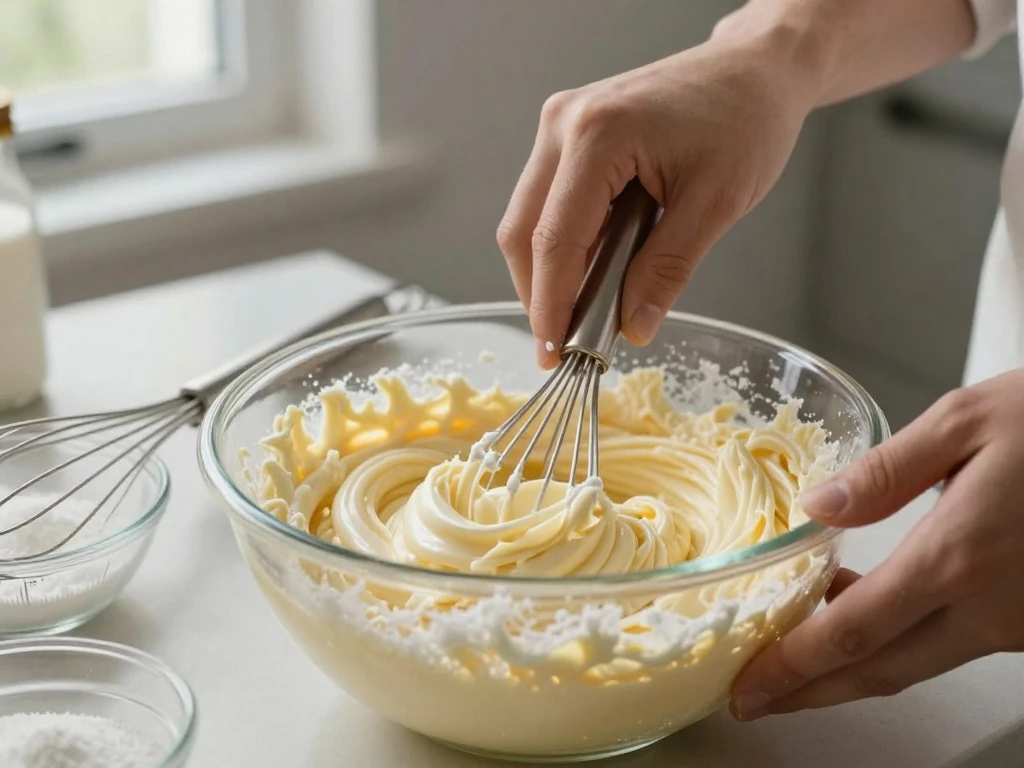
Step 2: Place the softened butter and caster sugar in a mixing bowl. Beat until the mixture is pale, light, and creamy, scraping down the sides once or twice so there are no dense pockets of butter.
Step 3: Add the eggs one at a time, beating well after each addition. Once all three eggs are incorporated, mix in the vanilla extract; if the mixture looks slightly curdled, it will come together when the dry ingredients are folded in.
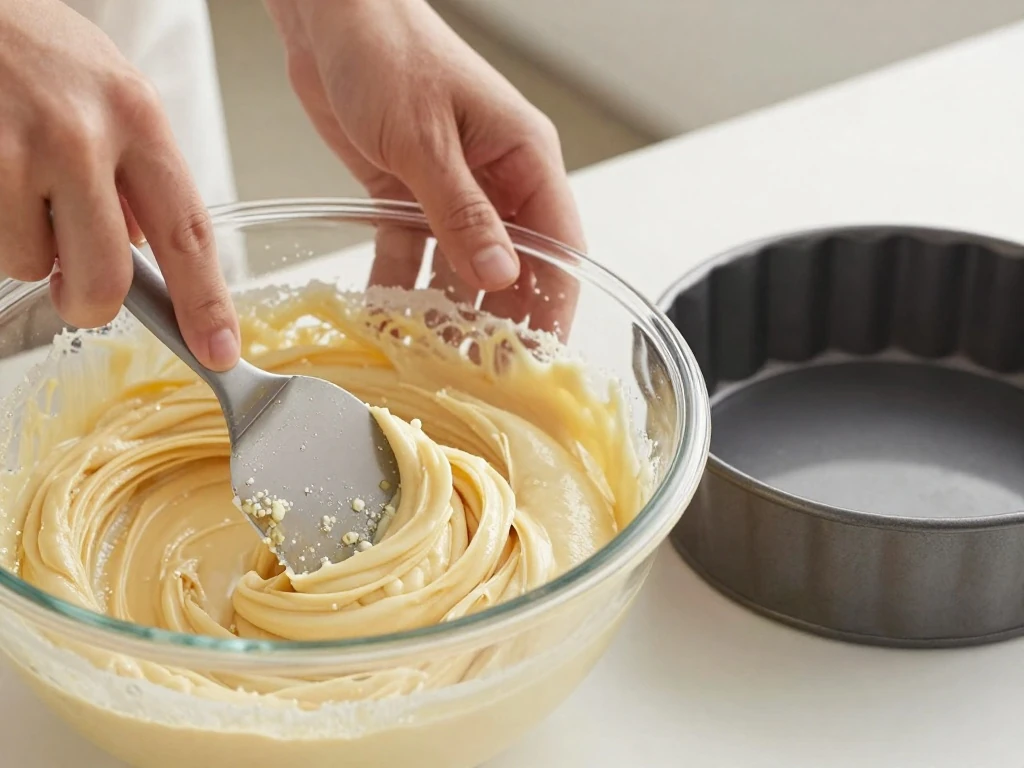
Step 4: Sift the self-raising flour and baking powder over the bowl. Fold gently with a spatula until the flour is nearly incorporated, using broad strokes rather than vigorous stirring.
Step 5: Add the milk and fold just until the batter becomes smooth and fairly thick. Stop mixing as soon as no obvious dry streaks remain, because excessive mixing can make the baked cake dense.
Step 6: Transfer the batter to the prepared cake pan and level the surface with the back of a spoon or a small offset spatula. A smooth top helps the cake bake evenly and gives it an attractive golden finish.
Step 7: Bake for 30–35 minutes, checking toward the end of the baking time. The cake is ready when it is golden and a skewer inserted into the center comes out clean or with a few moist crumbs attached.
Step 8: Let the cake cool in the pan for about 10 minutes. Carefully turn it out onto a wire rack and allow it to cool completely before slicing, dusting, or adding frosting.
Pro Tips for a Light, Buttery Crumb
Room-temperature ingredients make a noticeable difference. Cold eggs can cause the butter mixture to firm up and separate, while softened butter blends with the sugar more evenly.
Spend enough time creaming the butter and sugar until the mixture looks pale and fluffy. This step incorporates air, but the later flour mixture should be handled gently to avoid developing too much gluten.
Take the butter and eggs out of the refrigerator before starting.
Sift the flour and baking powder to distribute the raising agent evenly.
Use a light folding motion once the flour is added.
Do not open the oven repeatedly during the first part of baking.
Check the center with a skewer rather than judging only by color.
If your oven runs hot, begin checking near the 30-minute mark. If the top browns quickly while the center needs more time, loosely cover the cake with foil for the remaining bake.
For another tender, fruit-forward bake, take a look at this easy coconut cake. It makes a lovely alternative when you want a little tropical flavor.
Serving Ideas and Simple Decorations
This butter cake is delicious at room temperature, when its flavor is at its fullest and the crumb has finished settling. Cut it into eight wedges and serve with tea, coffee, softly whipped cream, or a spoonful of berries.
Dust the cooled cake lightly with powdered sugar.
Spread the top with a thin layer of vanilla buttercream.
Serve slices with strawberries, raspberries, or sliced peaches.
Add a small spoonful of lemon curd for a bright contrast.
Toast a slice gently and serve it with butter for a comforting treat.
For celebrations, split the cake horizontally only after it has cooled completely, then fill it with jam and cream. Keep the decoration modest so the rich butter and vanilla flavor remains the star.
Storage, Freezing, and Make-Ahead Advice
Store the completely cooled cake in an airtight container at room temperature for up to a few days. Keep it away from direct sunlight and heat so the crumb remains soft and the butter flavor stays fresh.
To freeze it, wrap the cooled, undecorated cake well and place it in a freezer-safe bag or container. Thaw it at room temperature while still wrapped, then unwrap once thawed to help prevent surface condensation.
If you are preparing ahead, bake the cake the day before serving and keep it covered. Add powdered sugar, frosting, or fresh fruit shortly before serving for the neatest appearance.
Leftover slices can also be transformed into a different dessert, much like this easy fruit cake recipe, when you are in the mood for a bake filled with fruity flavor.
Easy Butter Cake Recipe
A classic small butter cake with a tender crumb, golden crust, and delicate vanilla flavor. This recipe makes one 20 cm/8-inch round cake, serving about 8 people.
Heat the oven to 180°C conventional, 160°C fan, or 350°F. Grease a 20 cm/8-inch round cake pan and line the base with baking paper.
Beat the softened butter and caster sugar until pale, light, and creamy. This usually takes several minutes and helps create a lighter crumb.
Add the room-temperature eggs one at a time, beating well after each addition. Beat in the vanilla extract.
Sift in the self-raising flour and baking powder, then fold gently until nearly combined. Add the milk and fold just until the batter is smooth and fairly thick.
Transfer the batter to the prepared pan and level the surface. Bake for 30–35 minutes, until golden and a skewer inserted in the center comes out clean or with a few moist crumbs.
Leave the cake in the pan for about 10 minutes, then turn it out onto a wire rack. Cool completely before slicing or decorating.
Notes
Use room-temperature butter and eggs for the best texture. Cream the butter and sugar thoroughly, but do not overmix after adding the flour. If using salted butter, omit the optional salt. For an American-style flour option, use 140 g all-purpose flour plus 1 1/2 tsp baking powder instead of self-raising flour.
Final Thoughts
This easy butter cake recipe proves that a few carefully handled ingredients can create an exceptionally satisfying homemade dessert. Cream the butter and sugar well, use room-temperature eggs, fold gently, and bake until the center is just set for the best result.
Serve it simply or dress it up with fruit, cream, powdered sugar, or vanilla frosting. Once you have made it once, this golden 20 cm cake is sure to become a trusted recipe for afternoon tea, family gatherings, and last-minute sweet cravings.