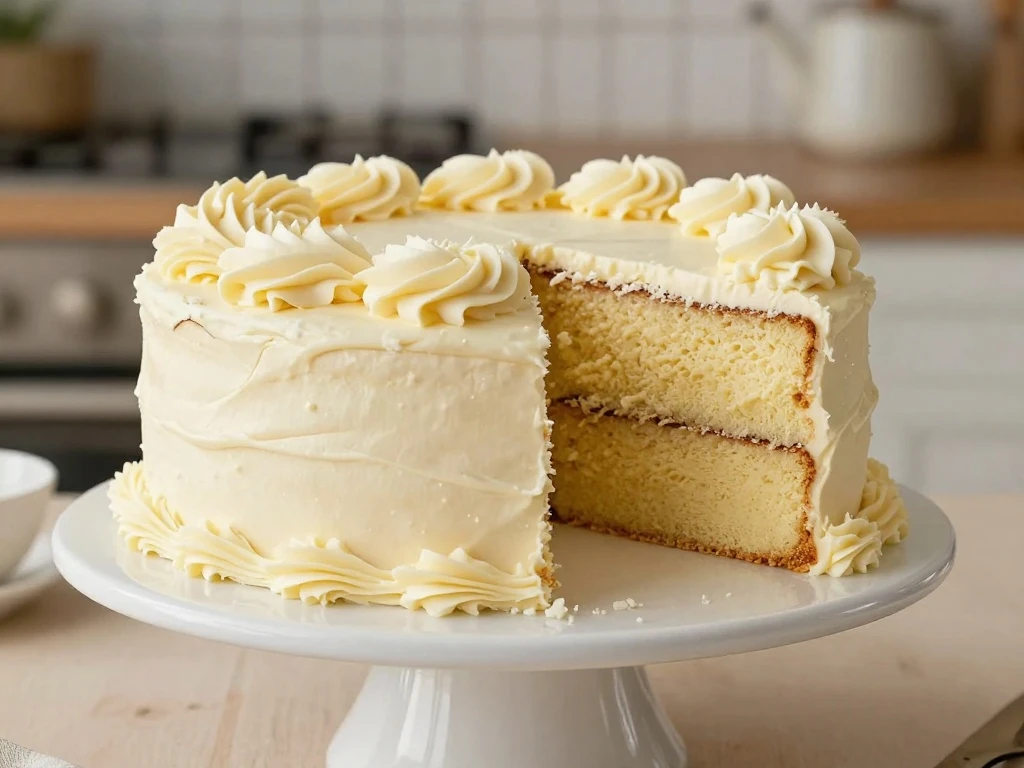
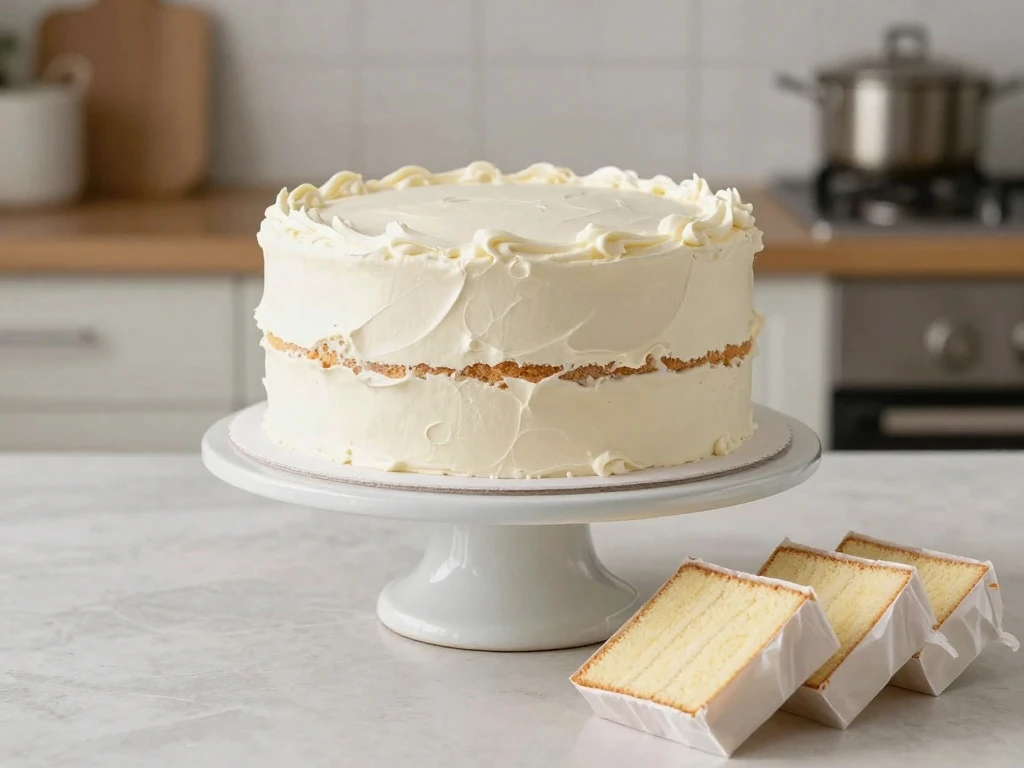
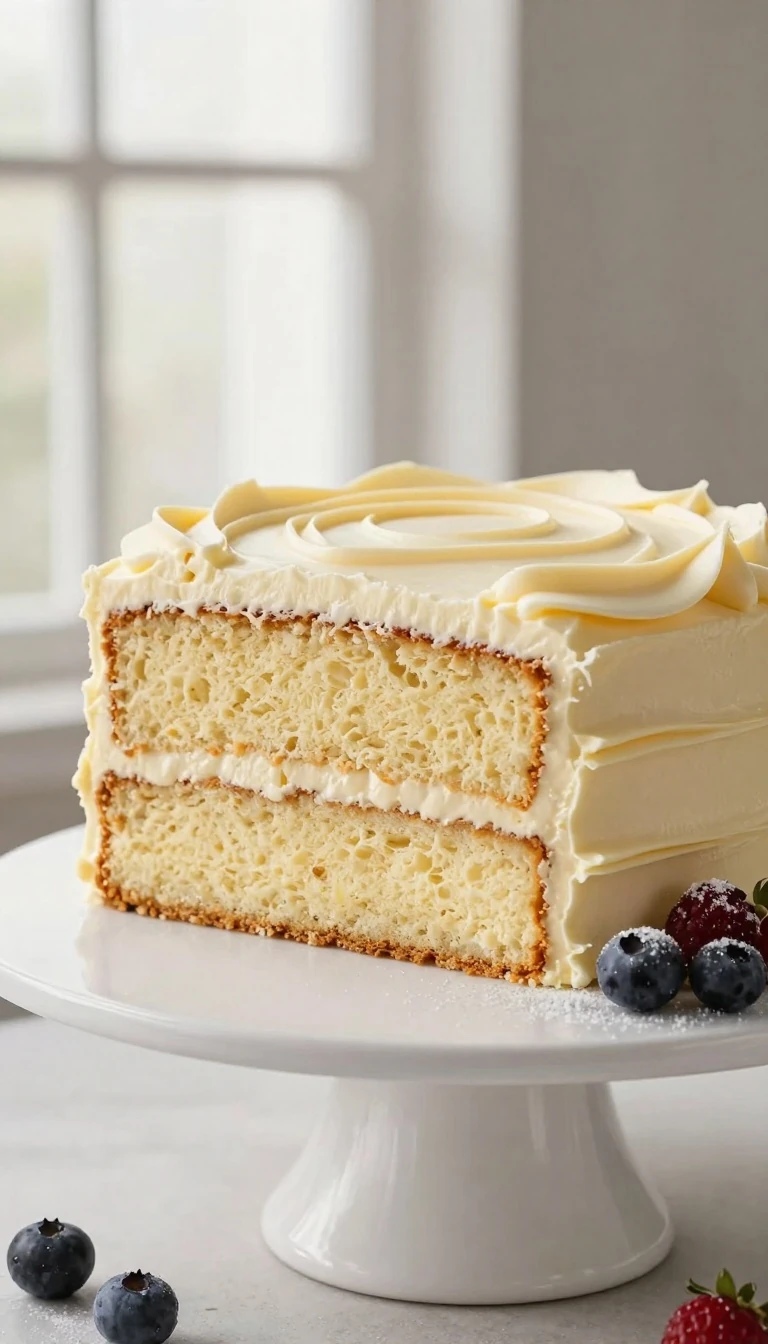
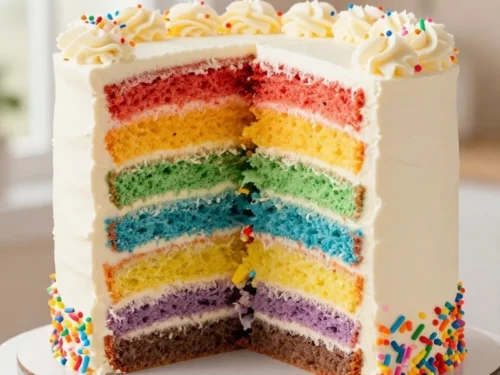
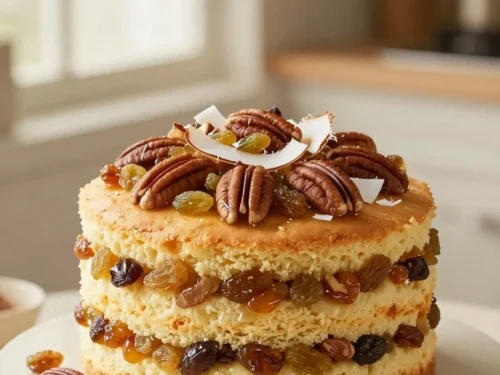
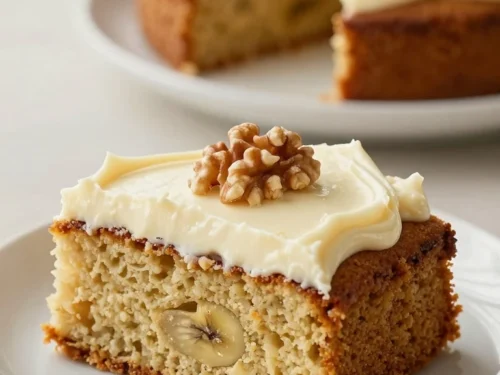
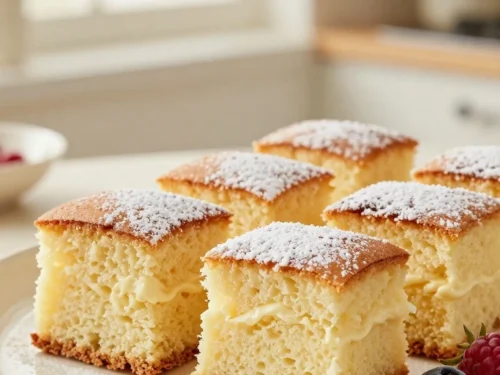
This basic cake recipe makes a soft, tender two-layer vanilla butter cake with everyday ingredients and straightforward mixing steps. In about 50–60 minutes, including 15–20 minutes of preparation and 30–35 minutes of baking, you can have an 8-inch cake ready for frosting, filling, or serving plain.
The flavor is buttery, gently sweet, and warmly scented with vanilla, while the crumb stays moist without becoming heavy. Finish it with about 3 cups of buttercream for a classic celebration cake, or serve each slice with powdered sugar and fresh fruit for an easy dessert.
This easy vanilla cake is the kind of recipe every home baker should have nearby. It uses familiar pantry and refrigerator ingredients, requires no specialty equipment, and produces two neat cake layers that are ready for almost any finishing style.
The butter and sugar create a rich, fragrant base, while baking powder gives the cake a soft and airy texture. Whole milk adds tenderness, and vanilla brings a rounded flavor that tastes comforting without being plain or dull.
Simple preparation: The batter comes together with a mixer and two bowls.
Reliable texture: Properly mixed batter bakes into a tender, even crumb.
Flexible finish: Use buttercream, powdered sugar, fruit, or serve it as it is.
Useful size: Two 8-inch layers make about 8–10 servings.
Ingredients You’ll Need
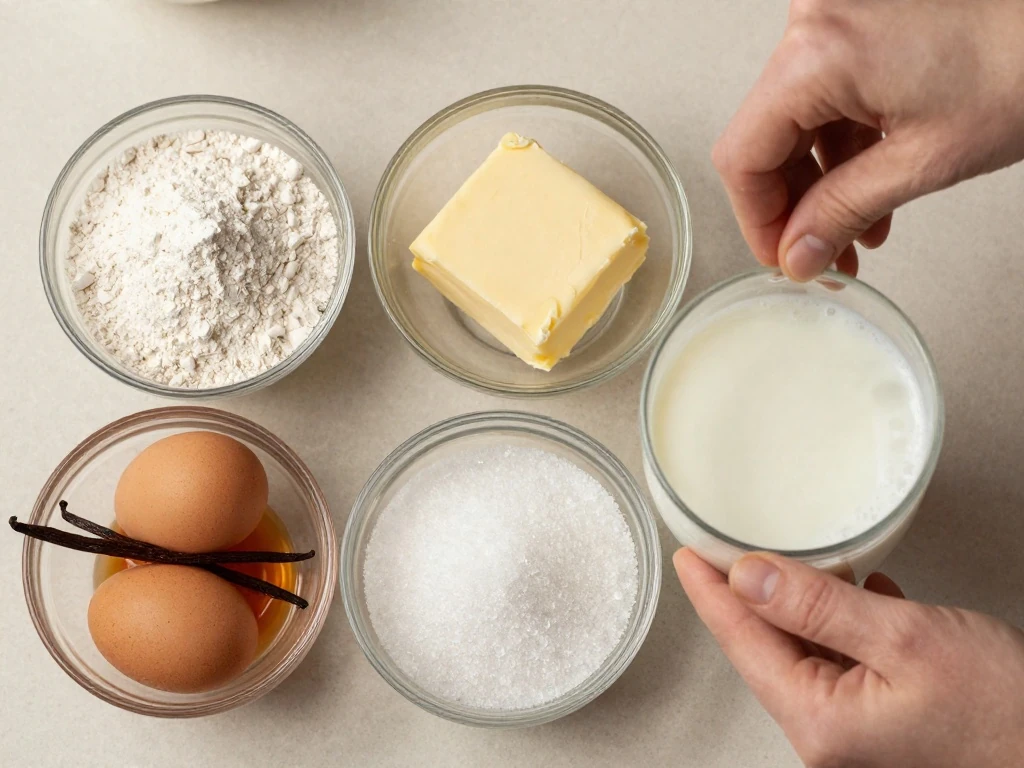
Start with 2 cups (240 g) of all-purpose flour, 2 teaspoons of baking powder, and 1/2 teaspoon of fine salt. These dry ingredients form the structure of the cake and help it rise evenly during baking.
You will also need 1/2 cup (113 g) of unsalted butter, softened, plus 1 cup (200 g) of granulated sugar. Soft butter blends properly with the sugar, and beating the pair until light and fluffy helps incorporate air into the batter.
Use 2 large eggs, preferably at room temperature, 2 teaspoons of vanilla extract, and 1 cup (240 ml) of whole milk, also preferably at room temperature. Room-temperature ingredients combine more smoothly and reduce the chance of a curdled-looking mixture.
For serving, plan on about 3 cups of buttercream if you want a frosted layer cake. If you prefer a lighter presentation, keep powdered sugar and fresh fruit nearby for a simple finish.
How to Make It Step-by-Step
Step 1: Heat the oven to 350°F (175°C), allowing it to fully preheat while you prepare the batter. Grease two 8-inch round cake pans, then line their bottoms with parchment paper so the layers release neatly after cooling.
Step 2: Add the flour, baking powder, and fine salt to a medium bowl. Whisk until evenly combined, breaking up any small pockets of baking powder so the cake rises consistently from edge to center.
Step 3: Place the softened butter and granulated sugar in a large mixing bowl. Beat for about 2–3 minutes, stopping to scrape the bowl if needed, until the mixture looks lighter in color and fluffy in texture.
Step 4: Add the eggs one at a time, beating well after each addition so each egg is absorbed before the next goes in. Mix in the vanilla extract, which gives the batter its classic warm aroma and flavor.
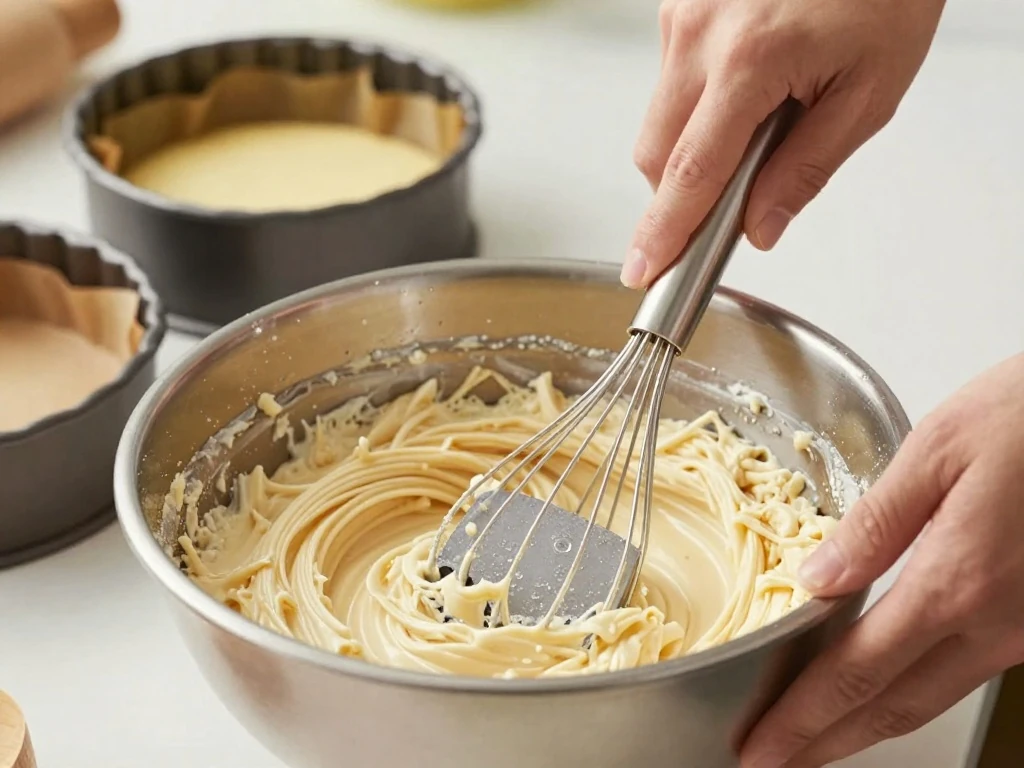
Step 5: Add the flour mixture in three additions, alternating with the milk in two additions. Begin and finish with the dry ingredients, and mix only until the batter is smooth; scrape down the bowl as needed rather than beating longer than necessary.
Step 6: Divide the batter evenly between the two prepared pans. Smooth the tops with a spatula so both layers bake to a similar height and the finished cake stacks evenly.
Step 7: Bake for 30–35 minutes. Start checking a few minutes before the end of that range, looking for lightly springy tops and a toothpick inserted in the center that comes out clean or with a few moist crumbs.
Step 8: Let the cakes cool in their pans for 10 minutes, which gives the crumb time to settle. Turn them onto a cooling rack and let them cool completely before adding filling or frosting, since warm cake can melt buttercream.
Pro Tips for a Tender Cake
Ingredient temperature matters more than many beginners expect. Softened butter should be pliable and easy to press, but not oily or melted, while room-temperature eggs and milk help the batter come together with a smooth consistency.
For the most accurate result, weigh the flour with a kitchen scale. If you measure by cups, spoon the flour into the measuring cup and level the top with a straight edge instead of dipping the cup directly into the flour bag, which can pack in too much.
Mixing is especially important once the flour enters the bowl. Stop as soon as the batter is smooth, because excessive mixing develops gluten and can make the finished cake dense or tough.
Scrape the bowl during mixing so no streaks of butter or flour remain at the bottom.
Divide the batter carefully for layers that finish at a similar height.
Use parchment on the pan bottoms for easier release.
Check early because dark pans, glass pans, and different ovens can bake at different rates.
Frosting and Serving Ideas
A classic buttercream finish turns this basic cake into a party-ready dessert. Spread frosting between the cooled layers, cover the top and sides, and add simple swirls with a spatula for a homemade look.
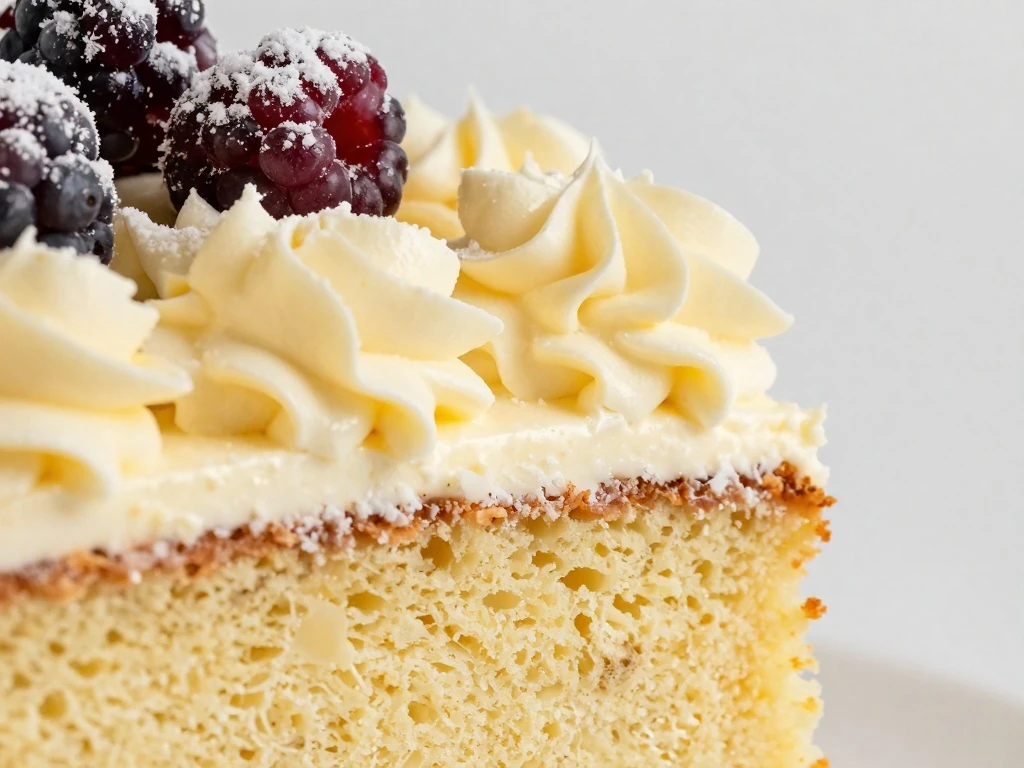
For a fresh and lighter presentation, dust the top with powdered sugar and serve slices with berries or other fresh fruit. The mild vanilla flavor also pairs nicely with a thin layer of jam between the cakes before frosting.
For the cleanest slices, make sure the cake is fully cool before assembling it. Use a long serrated knife to level any domed tops if needed, then place the flatter layer on the bottom and the second layer on top.
Storage and Make-Ahead Advice
Once frosted, keep the cake covered so the crumb does not dry out. If your buttercream requires refrigeration, chill the covered cake as directed by that frosting recipe, then allow it to sit at room temperature briefly before serving for the best texture.
The unfrosted layers can be cooled completely, wrapped well, and held until you are ready to assemble the cake. Always let the layers cool fully before wrapping so trapped warmth does not create excess moisture.
If you are preparing the cake for a gathering, bake the layers ahead, cool them thoroughly, and finish with buttercream closer to serving time. This simple schedule keeps the decorating relaxed and protects the delicate crumb.
Common Questions
Can I use salted butter? Unsalted butter is specified so the salt level stays controlled, but if salted butter is all you have, remember that the recipe also includes fine salt and the final flavor may be slightly different.
Why did my cake turn out dense? Common causes include measuring too much flour, using butter that was too cold, or overmixing after the flour was added. Beat the butter and sugar until fluffy, measure carefully, and stop mixing as soon as the batter is smooth.
How do I know when it is done? The tops should spring back lightly when touched, and a toothpick inserted in the center should come out clean or with a few moist crumbs. Begin checking a few minutes before 30 minutes because pan materials and ovens vary.
Basic Cake Recipe
A simple two-layer vanilla butter cake made with flour, butter, sugar, eggs, milk, and vanilla. It is tender, dependable, and ideal for birthdays, afternoon tea, or an everyday sweet treat.
1cup (240 ml)Whole milk, preferably room temperature
Finishing Options
about 3cups, optionalButtercream
as desiredPowdered sugar and fresh fruit
Method
Step-by-Step
Heat the oven to 350°F (175°C). Grease two 8-inch round cake pans and line the bottoms with parchment paper.
Whisk the flour, baking powder, and salt together in a medium bowl so the leavening and seasoning are evenly distributed.
Beat the softened butter and granulated sugar for about 2–3 minutes, until the mixture looks lighter and fluffy.
Add the eggs one at a time, beating well after each addition. Mix in the vanilla extract.
Add the flour mixture in three additions, alternating with the milk in two additions. Mix only until the batter is smooth, scraping down the bowl as needed.
Divide the batter evenly between the prepared pans and smooth the tops.
Bake for 30–35 minutes, or until the tops spring back lightly and a toothpick inserted in the center comes out clean or with a few moist crumbs.
Cool the cakes in their pans for 10 minutes. Turn them onto a rack and cool completely before filling or frosting.
Notes
Use room-temperature butter, eggs, and milk for an even batter and lighter crumb. Weigh the flour when possible, or spoon it into a measuring cup and level it rather than scooping directly from the bag. Do not overmix after adding the flour. Begin checking the cake a few minutes before the end of the baking range because ovens and pan materials vary.
Final Thoughts
This basic cake recipe is a dependable starting point for birthdays, weekend baking, and simple desserts after dinner. Its soft vanilla crumb is satisfying on its own, yet it also welcomes buttercream, fruit, jam, and other familiar toppings.
For the best result, focus on room-temperature ingredients, accurate flour measurement, gentle mixing, and complete cooling before frosting. Bake the two layers, choose your favorite finish, and enjoy a homemade cake that is uncomplicated, tender, and easy to share.