This classic cake donut recipe makes about 12 to 14 old-fashioned fried donuts plus their holes in roughly one hour, including a 30-minute dough chill. The tender dough uses baking powder and baking soda instead of yeast, so there is no long rise time; simply mix, chill, cut, and fry until golden.
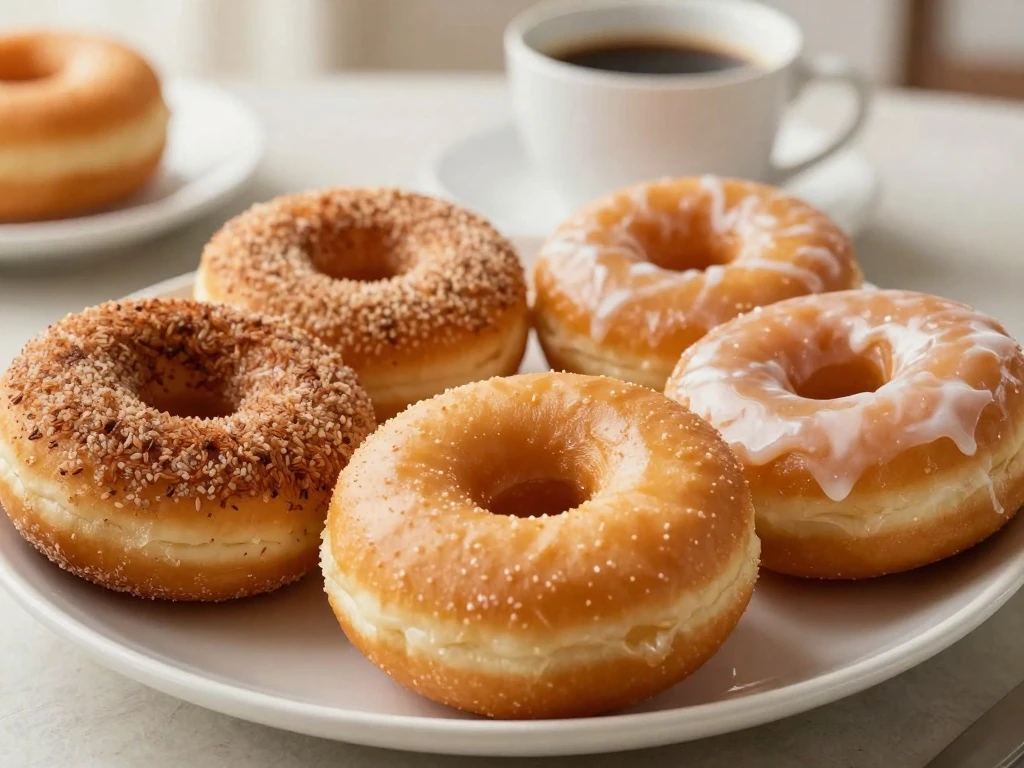
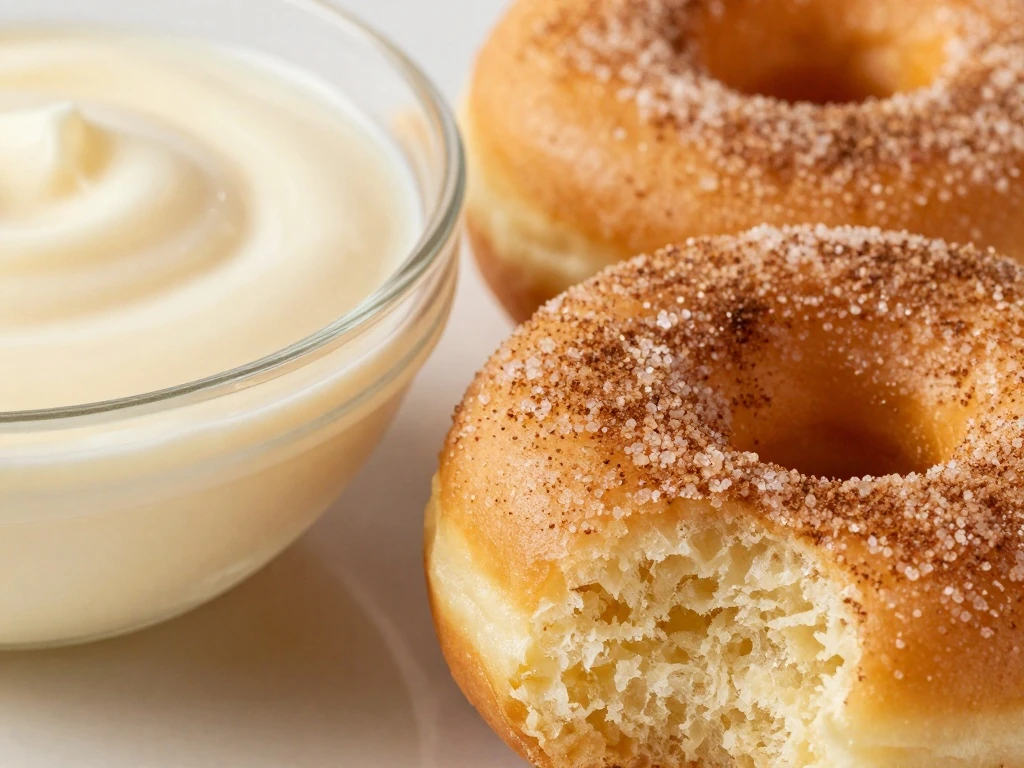
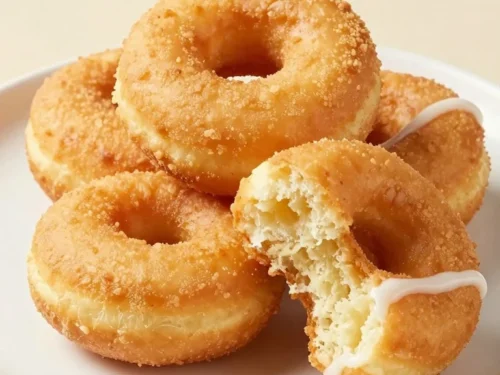
Each donut has crisp, lightly crunchy edges and a soft, moist, pleasantly cakey center with a gentle hint of nutmeg. Coat the warm donuts in cinnamon sugar for a nostalgic bakery finish, or let them cool slightly before dipping them in a simple vanilla glaze.
There is something especially comforting about a classic cake donut. Unlike yeast donuts, these old-fashioned treats do not need a proofing period, yet they still develop a wonderfully tender interior from the combination of eggs, buttermilk, butter, baking powder, and baking soda.
The flavor is simple in the best possible way. Nutmeg gives the crumb that familiar bakery character, while vanilla and buttermilk add warmth and gentle tang without overpowering the sweet, crisp shell.
Quick homemade method: The dough needs about 30 minutes of chilling rather than a long yeast rise.
Classic texture: Expect a moist, cakey center and a golden fried exterior.
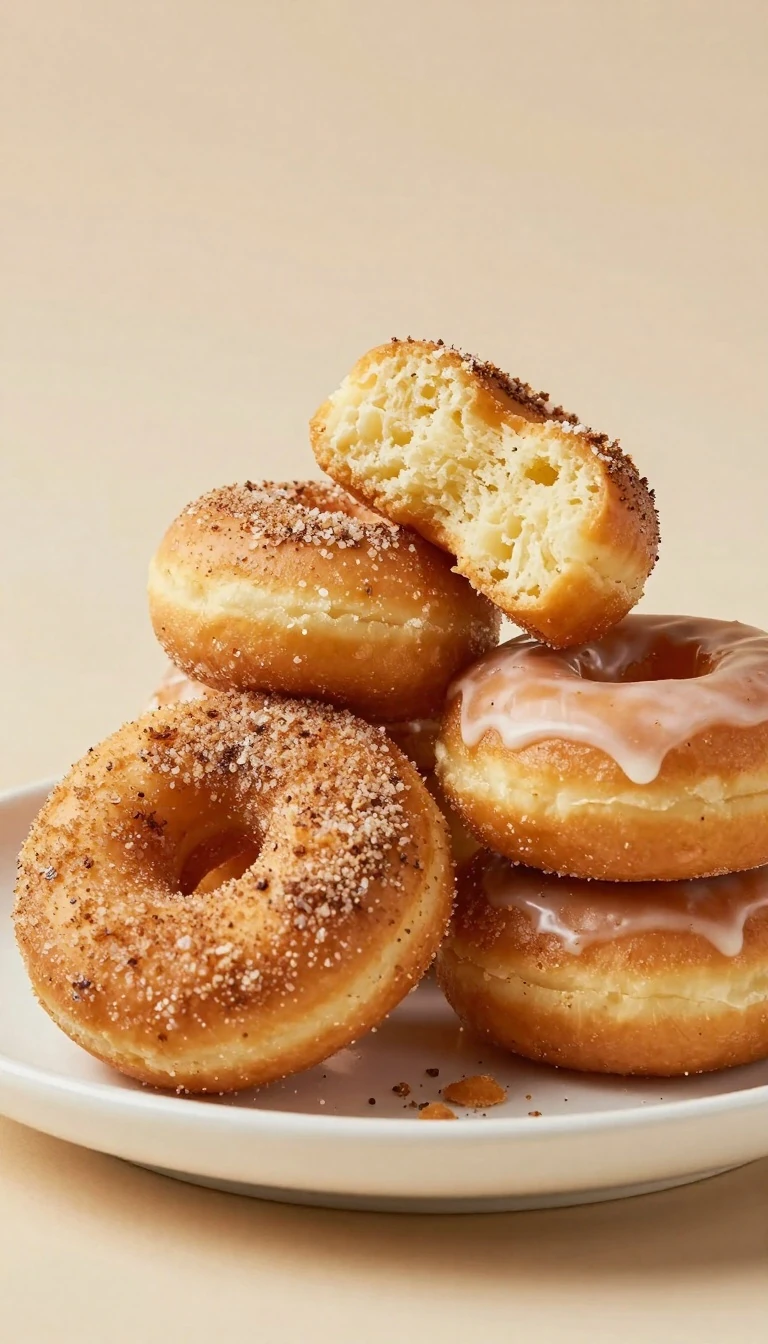
Two easy finishes: Choose cinnamon sugar for a dry coating or vanilla glaze for a sweet, glossy topping.
Small-batch friendly: The recipe makes about 12 to 14 standard donuts plus holes.
Ingredients You’ll Need
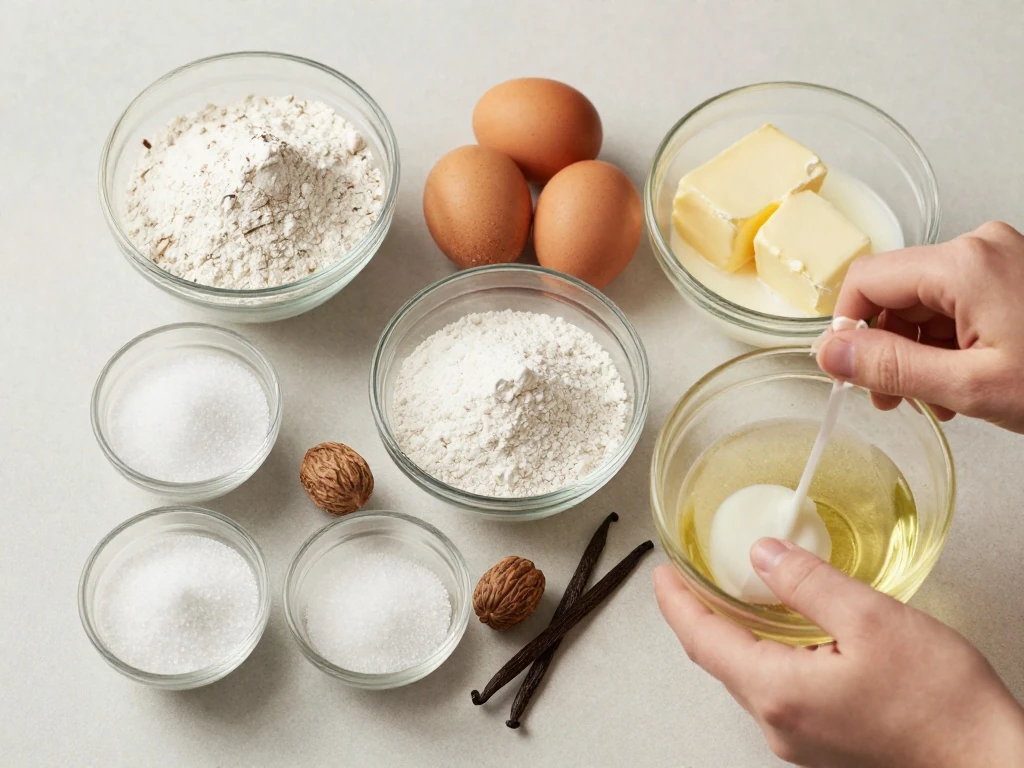
All-purpose flour creates the sturdy but tender structure needed for rolling and cutting. Measure the flour carefully, and avoid packing extra flour into the dough because a stiff mixture will produce heavy donuts.
Granulated sugar sweetens the crumb and helps the surface brown in the hot oil. Baking powder and baking soda provide the lift, while buttermilk supplies moisture and a mild tang that balances the richness of the butter and eggs.
Nutmeg is the signature seasoning in many classic cake donuts. Use fresh, finely ground nutmeg if available, but standard ground nutmeg works beautifully as well.
For frying, choose vegetable, canola, or peanut oil. You will need enough oil to fill a heavy pot to a depth of 2 to 3 inches, giving the donuts room to float and cook evenly.
The optional finishes are easy to prepare:
For cinnamon sugar, combine 1 cup granulated sugar with 1 teaspoon ground cinnamon.
For glaze, whisk 2 cups confectioners’ sugar with 3 to 4 tablespoons milk, 1/2 teaspoon vanilla extract, and a pinch of salt.
How to Make It Step-by-Step
Step 1: Whisk the flour, granulated sugar, baking powder, baking soda, fine salt, and ground nutmeg together in a large bowl. Mixing the dry ingredients first distributes the leaveners and spice evenly, helping every donut bake and brown consistently in the oil.
Step 2: In a separate bowl, lightly whisk the eggs with the melted butter, buttermilk, and vanilla extract. Make sure the butter has cooled slightly so it blends smoothly instead of warming or scrambling the eggs.
Step 3: Pour the wet ingredients into the bowl of dry ingredients and stir just until no large dry patches remain. The dough should be soft and slightly sticky rather than smooth and firm, so stop mixing as soon as the ingredients come together.
Step 4: Cover the bowl and refrigerate the dough for about 30 minutes. This short chill makes the dough easier to handle, produces cleaner cut edges, and helps limit spreading once the donuts hit the hot oil.
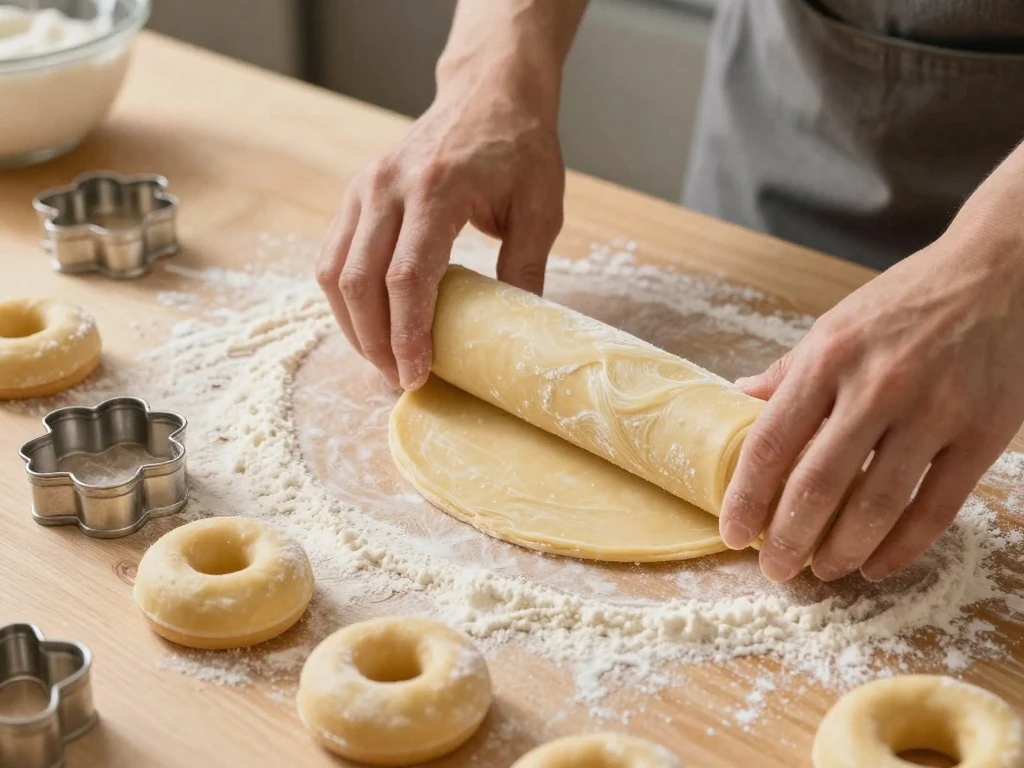
Step 5: Generously flour your work surface and turn out the chilled dough. Pat or gently roll it to about 1/2 inch thick, adding flour sparingly because too much flour can make the finished donuts dense and dry.
Step 6: Flour a 3-inch donut cutter and cut the dough into rounds, including the centers to make donut holes. Gather and reroll the scraps only once if possible, since repeated rerolling develops the dough and can make later donuts tougher.
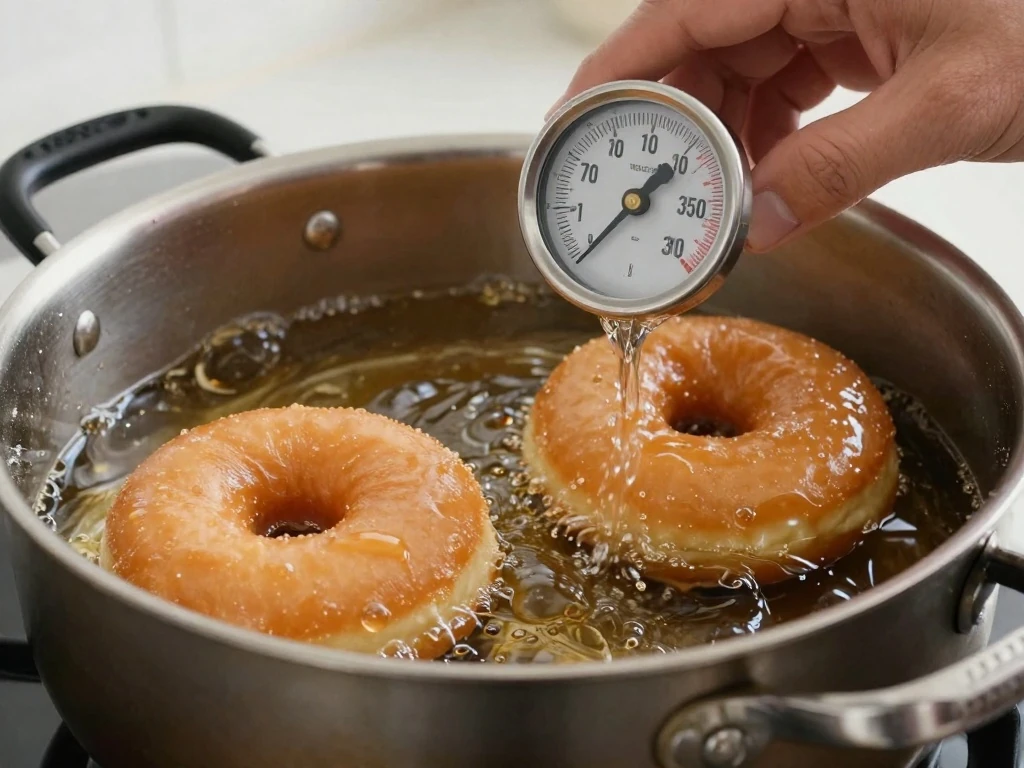
Step 7: Pour 2 to 3 inches of oil into a heavy pot and heat it to 350°F (175°C), checking with a reliable thermometer. Fry only 2 to 3 donuts at a time, turning each once, until evenly golden brown, usually 60 to 90 seconds per side.
Step 8: Move the cooked donuts to a wire rack set over a tray or to paper towels to drain. Let the oil return to 350°F before adding the next batch, then coat the warm donuts in cinnamon sugar or cool them slightly before dipping them in glaze.
Pro Tips for Tender, Golden Donuts
The most important texture rule is to avoid overmixing. Cake donut dough is not meant to resemble bread dough; it should feel soft and tender, with just enough structure to roll and cut after chilling.
Use flour as a light dusting rather than a heavy coating. A generously floured surface and cutter are helpful, but work extra flour into the dough only when necessary.
Temperature control makes a major difference. Oil below 350°F (175°C) can soak into the donuts and create a greasy result, while oil much above 365°F (185°C) may darken the outside before the center has cooked through.
Fry one test donut before cooking the full batch. Cut it open after it cools briefly and check that the center is moist and cooked, not wet or doughy; adjust the heat or frying time before continuing.
Do not overcrowd the pot. Adding too many donuts at once lowers the oil temperature, prevents even browning, and can leave the finished batch heavy instead of light and crisp.
Serving Ideas and Finishes
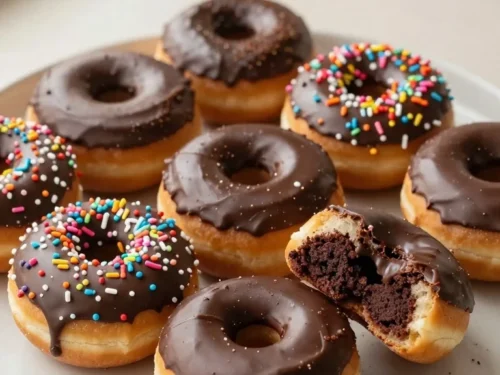
Cinnamon sugar is the most nostalgic finish for these donuts. Toss the donuts while they are still warm so the sugar clings to the slightly crisp surface, creating a fragrant, delicate coating with every bite.
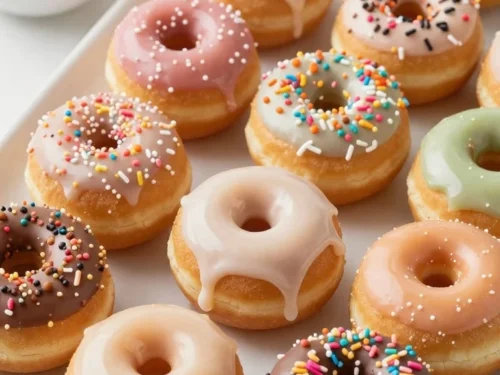
The simple glaze offers a different texture and a little more sweetness. Whisk the confectioners’ sugar, milk, vanilla, and salt until smooth, adding the milk gradually so the glaze remains thick enough to coat the tops without running off completely.
For a pretty breakfast platter, arrange half the batch with cinnamon sugar and half with glaze. Serve them with hot coffee, black tea, cold milk, or a glass of apple cider.
Donut holes can be fried alongside the rings, but they usually cook faster because of their smaller size. Watch them closely and turn them as needed so they become evenly golden without overbrowning.
Storage and Make-Ahead Advice
Classic cake donuts are best served the day they are made, when the outside is crisp and the center is soft. Store leftovers in a loosely covered container at room temperature, keeping in mind that the coating will gradually soften.
If you glaze the donuts, let the glaze set before stacking them. Place sheets of parchment between layers to reduce sticking and protect the finish.
The dough can be chilled for the specified 30 minutes before rolling and cutting, but this recipe is designed for same-day frying. For the freshest result, prepare the dough, fry the donuts, and finish them shortly before serving.
Classic Cake Donut Recipe
These old-fashioned fried cake donuts are tender inside, golden outside, and gently flavored with nutmeg. Finish them with cinnamon sugar or a simple vanilla glaze for a classic homemade treat.
3cups (360 g)All-purpose flour, plus extra for rolling
1cup (200 g)Granulated sugar
2teaspoonsBaking powder
1/2teaspoonBaking soda
1teaspoonFine salt
1/2teaspoonGround nutmeg
2eggsLarge eggs, lightly beaten
4tablespoons (57 g)Unsalted butter, melted and slightly cooled
3/4cup (180 ml)Buttermilk
1teaspoonVanilla extract
For Frying
As neededfor fryingVegetable, canola, or peanut oil
Optional Cinnamon-Sugar Coating
1cup (200 g)Granulated sugar
1teaspoonGround cinnamon
Optional Simple Glaze
2cups (240 g)Confectioners’ sugar
3-4tablespoonsMilk
1/2teaspoonVanilla extract
1pinchSalt
Method
Step-by-Step
Whisk the flour, sugar, baking powder, baking soda, salt, and nutmeg in a large bowl.
In a separate bowl, whisk the eggs, melted cooled butter, buttermilk, and vanilla until combined.
Add the wet mixture to the dry mixture and stir just until a soft, slightly sticky dough forms. Cover and refrigerate for about 30 minutes.
Turn the chilled dough onto a generously floured surface and pat or roll it to about 1/2 inch thick. Cut with a floured 3-inch donut cutter, rerolling scraps only once if possible.
Heat 2 to 3 inches of oil in a heavy pot to 350°F (175°C). Fry 2 to 3 donuts at a time, turning once, for about 60 to 90 seconds per side.
Transfer the fried donuts to a wire rack over a tray or to paper towels. Bring the oil back to 350°F before frying another batch.
For cinnamon sugar, combine the sugar and cinnamon and toss the warm donuts in the mixture. For glaze, whisk confectioners’ sugar, milk, vanilla, and salt, then dip slightly cooled donuts.
Notes
The dough should remain soft and tender, so add flour sparingly while rolling. Use a thermometer to keep the oil near 350°F; oil below 350°F can make donuts greasy, while oil above 365°F can brown the outside before the center cooks. Fry one test donut first, and serve the donuts the day they are made.
Final Thoughts
This classic cake donut recipe brings the old-fashioned bakery experience into your kitchen with straightforward ingredients and a manageable method. The brief dough chill, careful oil temperature, and gentle mixing are the small details that produce a tender center and beautifully golden crust.
Choose cinnamon sugar for a warm, fragrant coating or vanilla glaze for a smooth, sweet finish. Whichever option you prefer, enjoy these donuts fresh on the day they are fried, when their crisp edges and soft nutmeg-scented crumb are at their very best.