This easy yellow cake recipe makes a tender, golden 9 x 13-inch cake with simple pantry ingredients, vegetable shortening, milk, vanilla, and eggs. It takes about 10 minutes to prepare and bakes in 30 to 35 minutes, making it a dependable homemade dessert for birthdays, potlucks, family dinners, or an ordinary afternoon craving.
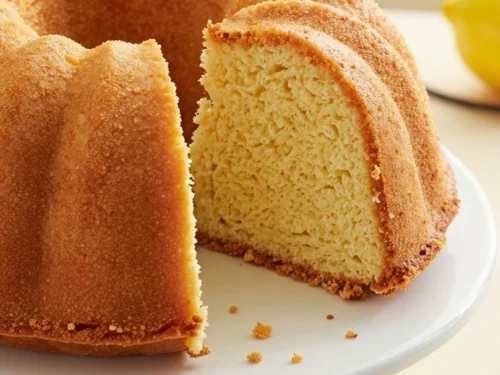
Every bite has a soft, fine crumb, gentle vanilla sweetness, and the nostalgic flavor of an old-fashioned yellow cake. Serve it plain, dust it with powdered sugar, or finish it with chocolate or vanilla buttercream for a classic dessert everyone will recognize and love.
Jump to RecipeWhy You’ll Love This Recipe
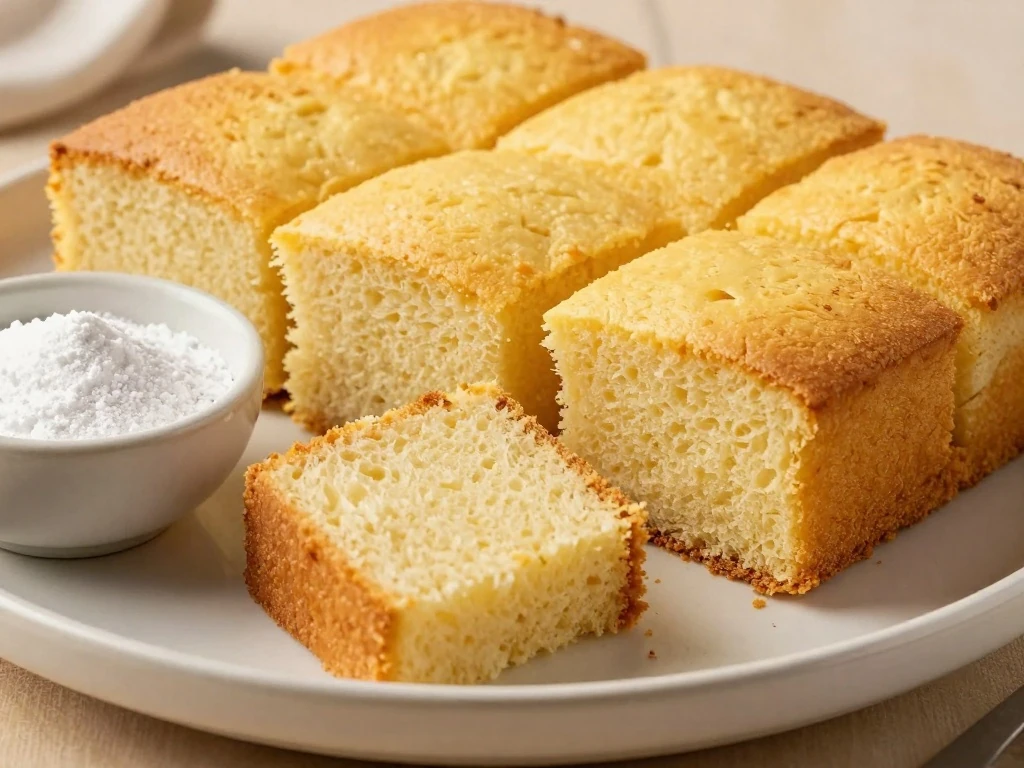
This easy yellow cake is the kind of recipe worth keeping in a well-used kitchen notebook. It relies on familiar ingredients, requires no layer assembly, and produces a generous 9 x 13-inch cake that can be sliced into about 12 servings.
The mixing method is straightforward and forgiving when you follow the order of the ingredients. Dry ingredients are whisked first, then the shortening, milk, and vanilla are beaten in before the eggs finish the batter.
- Quick preparation: The batter comes together in about 10 minutes.
- Simple pan: One 9 x 13-inch pan makes serving easy.
- Classic texture: Shortening helps create a soft, tender crumb.
- Flexible finish: The cake is delicious plain, with powdered sugar, or with buttercream.
Ingredients You’ll Need
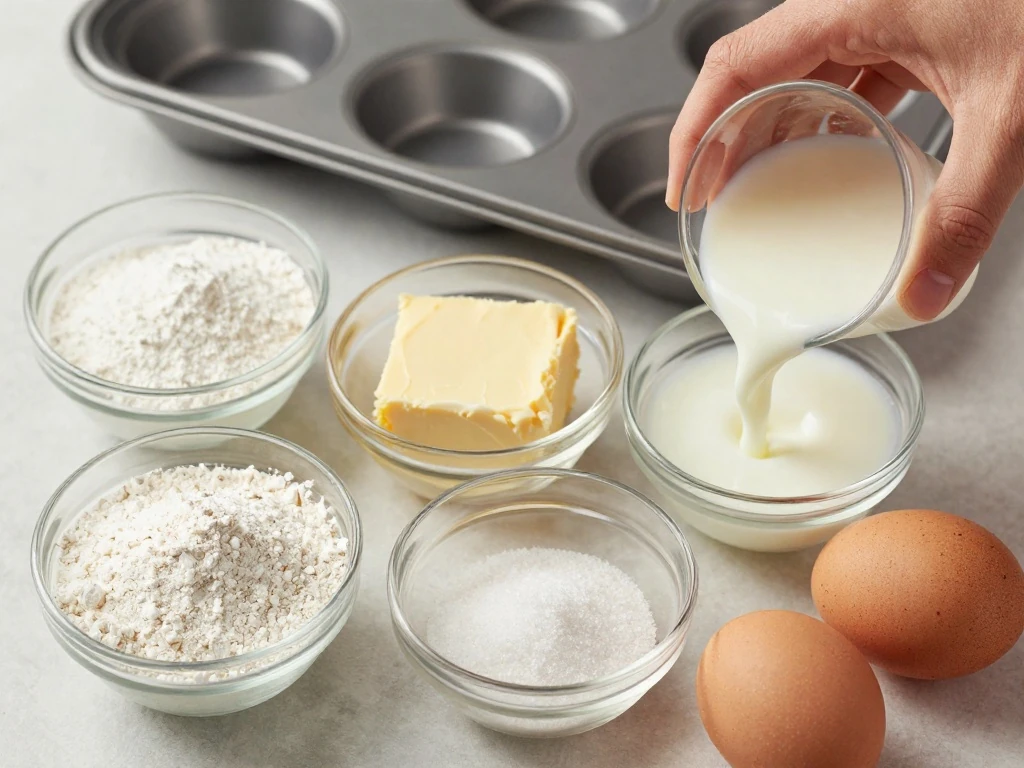
The ingredient list is short, but each item has a useful role. All-purpose flour provides structure, sugar adds sweetness and tenderness, and baking powder supplies the lift needed for a light cake.
Vegetable shortening is important in this older-style formula. It brings a mild flavor and a tender texture that differs from cakes made with butter or a butter-and-oil combination, so use shortening when you want the character of this particular recipe.
- 2 cups all-purpose flour: This is about 250 grams when weighed.
- 1 1/2 cups granulated sugar: The 300 grams of sugar sweetens the cake and supports a soft crumb.
- 1 tablespoon baking powder: This gives the batter its rise.
- 1 teaspoon salt: Salt balances the sweetness and sharpens the vanilla flavor.
- 1/2 cup vegetable shortening: Use about 95 to 100 grams.
- 1 cup milk: Room-temperature milk blends into the batter more evenly.
- 1 teaspoon vanilla extract: Vanilla adds a warm, familiar bakery note.
- 2 large eggs: Room-temperature eggs help the batter combine smoothly.
How to Make It Step-by-Step
Step 1: Heat your oven to 350°F (175°C), then grease a 9 x 13-inch baking pan thoroughly. Lightly flour the greased surface, tapping out any excess so the baked cake releases more easily.
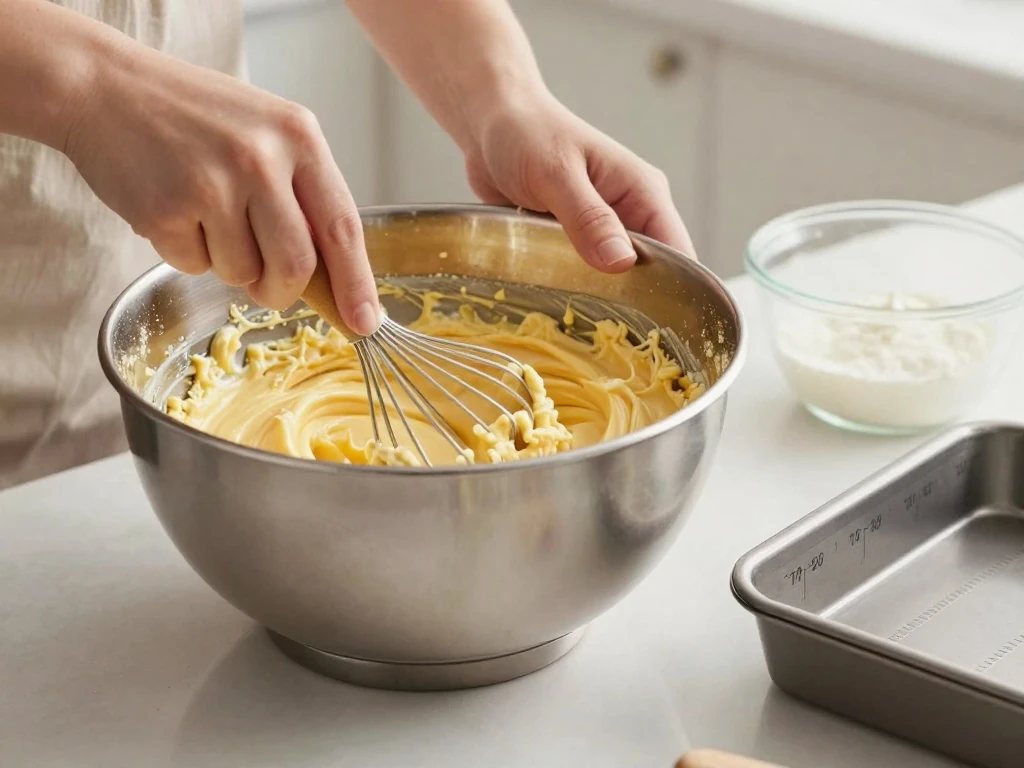
Step 2: Add the flour, granulated sugar, baking powder, and salt to a large bowl. Whisk these dry ingredients until the baking powder and salt are evenly distributed, which helps prevent pockets of seasoning in the finished cake.
Step 3: Add the vegetable shortening, milk, and vanilla extract to the bowl. Beat with an electric mixer for about 2 minutes, stopping once or twice to scrape down the sides and bottom so no dry mixture remains hidden.
Step 4: Add the two eggs and beat for another 2 minutes. Stop when the batter looks smooth and evenly combined; mixing much longer after the eggs are added can make the crumb tougher.
Step 5: Pour or spoon the batter into the prepared pan. Use a spatula to spread it into the corners and smooth the surface so the cake bakes at an even thickness.
Step 6: Place the pan in the preheated oven and bake for 30 to 35 minutes. Begin checking near the shorter end of the baking range, but rely on the visual and toothpick tests rather than the clock alone.
Step 7: The cake is ready when the center springs back lightly after a gentle touch. A toothpick inserted in the middle should come out clean or with a few moist crumbs, not wet streaks of batter.
Step 8: Set the pan on a cooling rack and let the cake cool in the pan before frosting or serving. Cooling helps the crumb finish setting and keeps frosting from melting across the surface.
Pro Tips for a Tender Yellow Cake
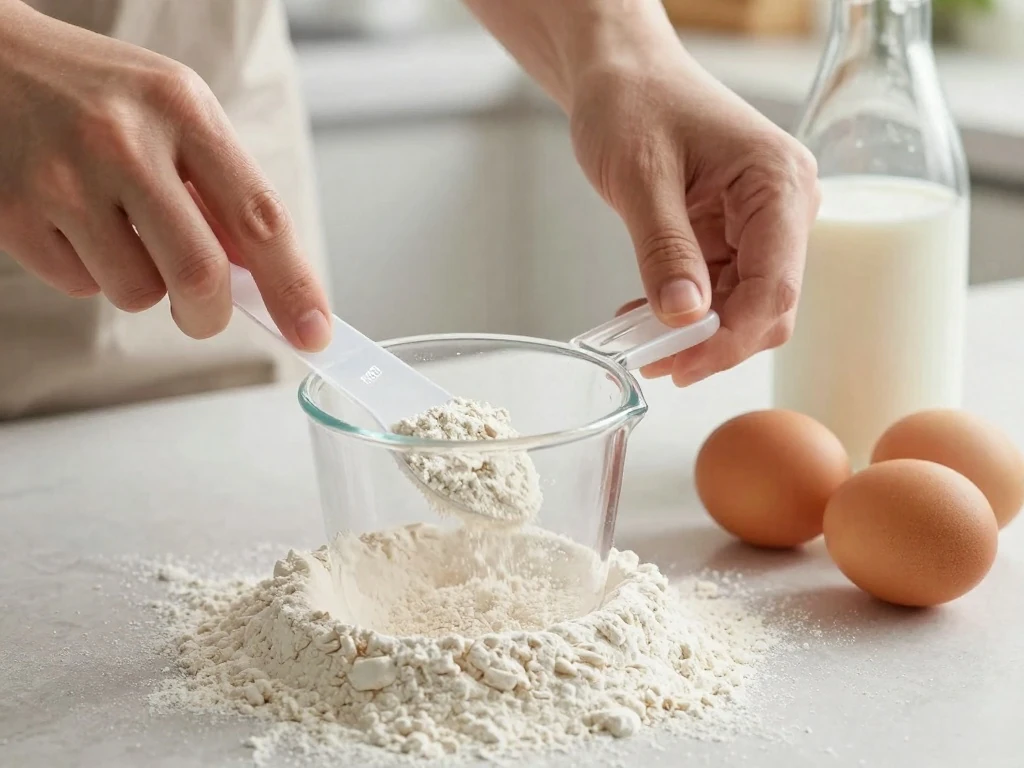
Accurate flour measurement is one of the easiest ways to improve this recipe. Spoon flour into a dry measuring cup and level the top with a straight edge rather than scooping directly from the bag, since packed flour can add too much and make the cake dense.
If you have a kitchen scale, weighing the flour is even more reliable. The target is 250 grams, and weighing also makes the recipe easier to repeat the next time you bake it.
Room-temperature eggs and milk are helpful because they blend with the shortening more smoothly. Cold ingredients can make the batter look uneven, while ingredients that are closer to room temperature promote a consistent bake from edge to center.
Do not judge doneness by color alone. The center should spring back lightly, and the toothpick test should show a clean pick or a few moist crumbs; a completely dry toothpick can indicate that the cake has gone a little too far.
- Prepare the pan before mixing so the batter can go directly into the oven.
- Scrape the bowl during mixing to keep the texture uniform.
- Use a light touch when spreading the batter so you do not deflate it.
- Let the cake cool in the pan before adding frosting.
Easy Ways to Serve It
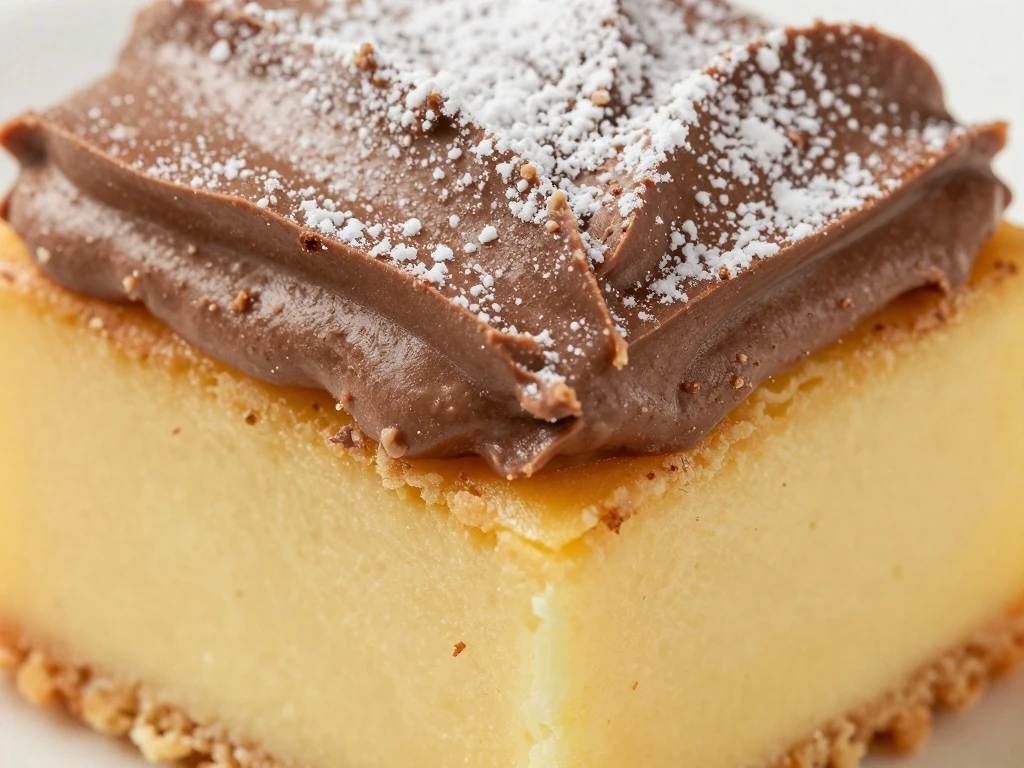
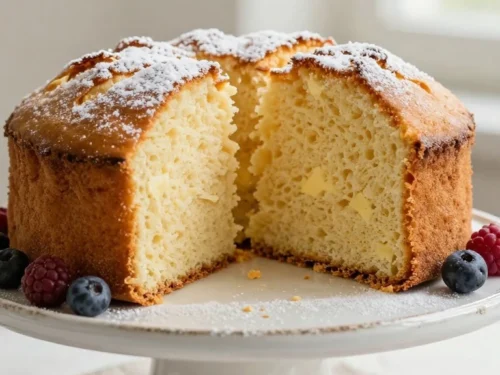
This cake is wonderfully adaptable because its vanilla flavor works with nearly any simple topping. For the quickest finish, let it cool and dust the top with powdered sugar just before slicing.
For a party-ready dessert, spread chocolate buttercream over the cooled cake. The contrast between the golden crumb and chocolate topping is classic, rich, and especially appealing to children.
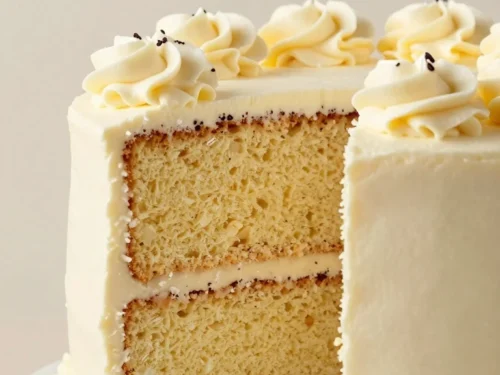
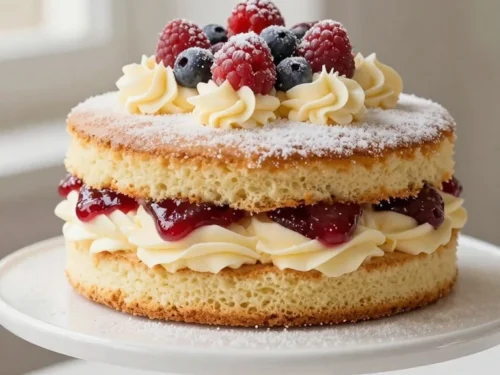
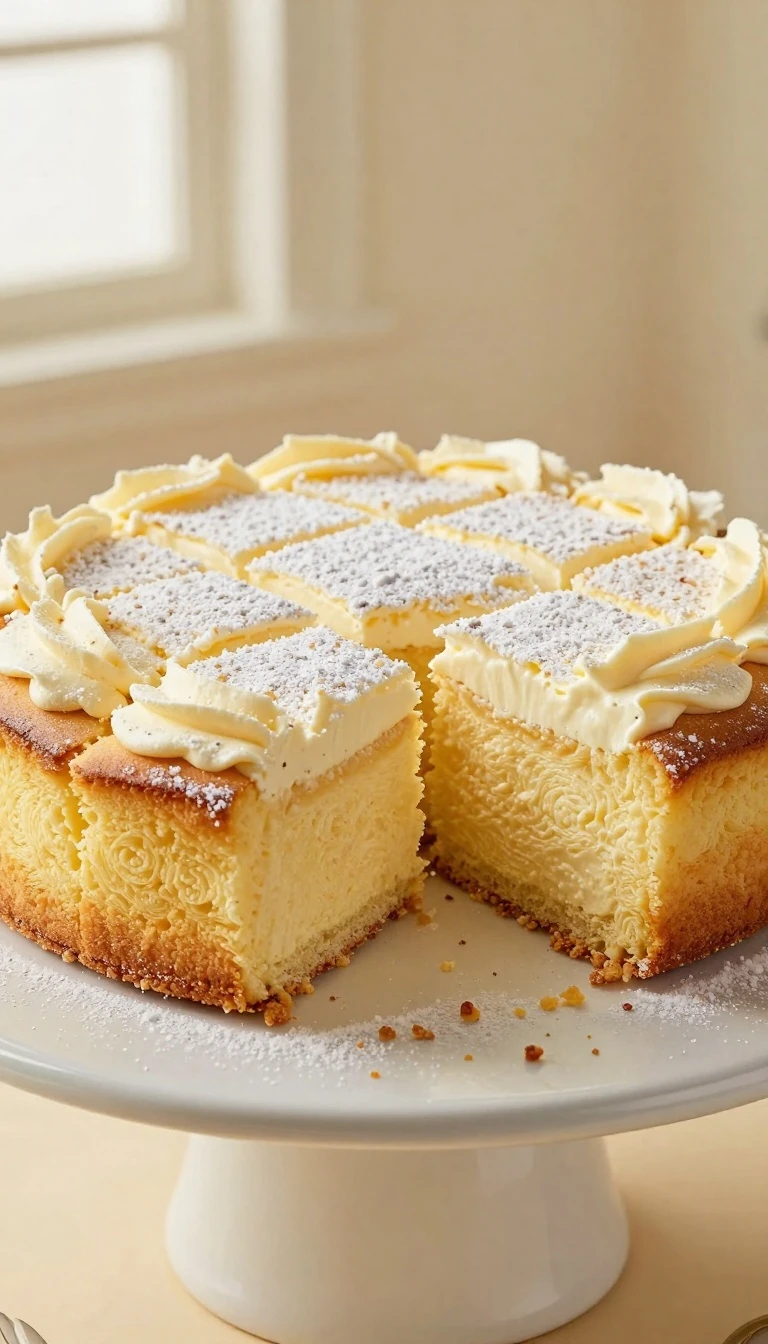
Vanilla buttercream creates a softer, bakery-style presentation and lets the cake’s delicate flavor stay at the center. You can also serve slices plain with coffee, tea, or a glass of cold milk.
- Plain, cut into squares
- Dusted with powdered sugar
- Topped with chocolate buttercream
- Topped with vanilla buttercream
Storage and Serving Tips
Keep the cooled cake in its pan, covered well, until you are ready to serve it. A tight cover helps protect the soft crumb from drying out, especially if the cake is stored after frosting.
Slice the cake into approximately 12 servings, adjusting the size for your gathering. For the cleanest pieces, use a sharp knife and wipe the blade between cuts if the cake has a thick layer of frosting.
If you are preparing the dessert for a celebration, bake it earlier in the day and allow it to cool fully before decorating. The cake is easiest to frost when the surface is no longer warm, and the topping will stay in place instead of becoming soft.
Common Questions
Can I use butter instead of shortening? This formula specifically uses vegetable shortening, and replacing it with butter will create a different flavor and texture. Modern yellow cakes often use butter or a butter-and-oil combination, but those are separate variations rather than the same recipe.
How do I know when the cake is done? Look for a center that springs back lightly when touched. Insert a toothpick into the middle; it should come out clean or with a few moist crumbs.
Why did my cake turn out dense? Too much flour is a common cause, so measure it by spooning and leveling or weigh 250 grams. Overmixing after the eggs are added can also make the crumb tougher, so stop as soon as the batter is smooth and evenly combined.
Can I frost it while it is warm? It is best to cool the cake in the pan before frosting. Warm cake can soften or melt buttercream and may cause the topping to slide.
Easy Yellow Cake Recipe
Ingredients
Method
- Heat the oven to 350°F (175°C). Grease and lightly flour a 9 x 13-inch baking pan.
- Whisk the flour, sugar, baking powder, and salt together in a large mixing bowl.
- Add the shortening, milk, and vanilla. Beat with an electric mixer for about 2 minutes, scraping down the bowl as needed.
- Add the eggs and beat for another 2 minutes, until the batter is smooth and evenly combined.
- Spread the batter evenly in the prepared pan.
- Bake for 30 to 35 minutes, until the center springs back lightly and a toothpick inserted in the middle comes out clean or with a few moist crumbs.
- Cool the cake in the pan before frosting or serving.
Notes
Final Thoughts
This easy yellow cake recipe delivers a dependable homemade dessert with very little fuss. The one-pan format, short preparation time, and familiar vanilla flavor make it a practical choice whenever you need a cake that serves a crowd.
Measure the flour carefully, use room-temperature milk and eggs, and watch the center closely during the final minutes of baking. Once cooled, finish it with powdered sugar, chocolate buttercream, or vanilla buttercream and enjoy a tender golden slice with a cup of coffee or a cold glass of milk.