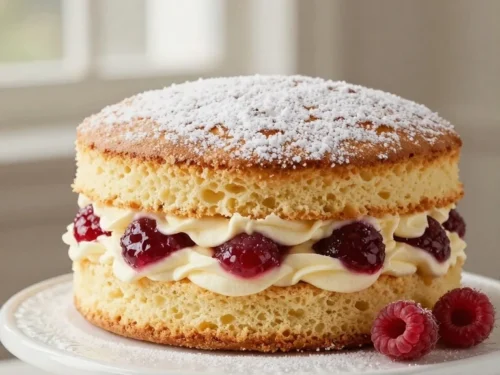
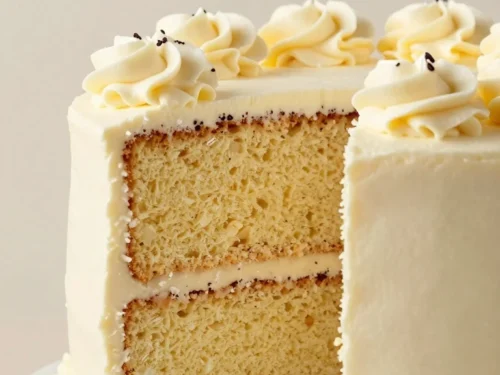
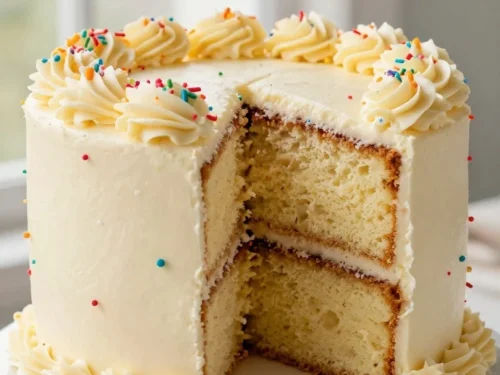
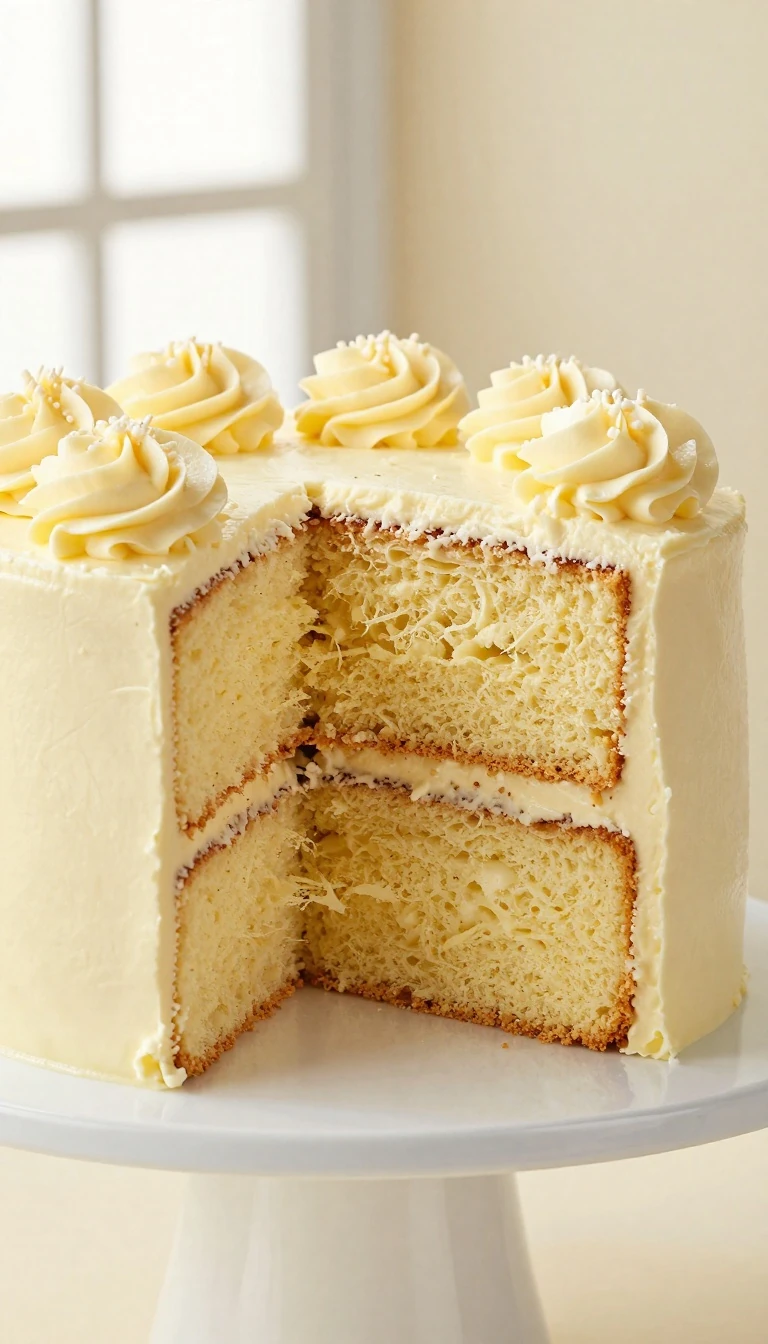
This easy Perfect Vanilla Cake Recipe makes two tender 8-inch round layers in about 40 to 50 minutes, including preparation and baking. The dependable formula uses equal weights of butter, sugar, and self-rising flour, along with four eggs, vanilla, milk, and baking powder for a light, golden sponge that is ready for buttercream, jam, whipped cream, or fresh fruit.
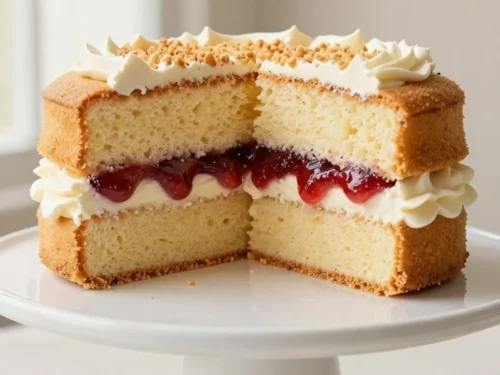
Each slice has a soft, fine crumb, rich buttery flavor, and a warm vanilla aroma without being overly sweet. Bake the layers at 180°C conventional/350°F, cool them completely, then sandwich and frost them for a classic celebration cake that is simple enough for a weekday treat.
Jump to RecipeWhy You’ll Love This Recipe
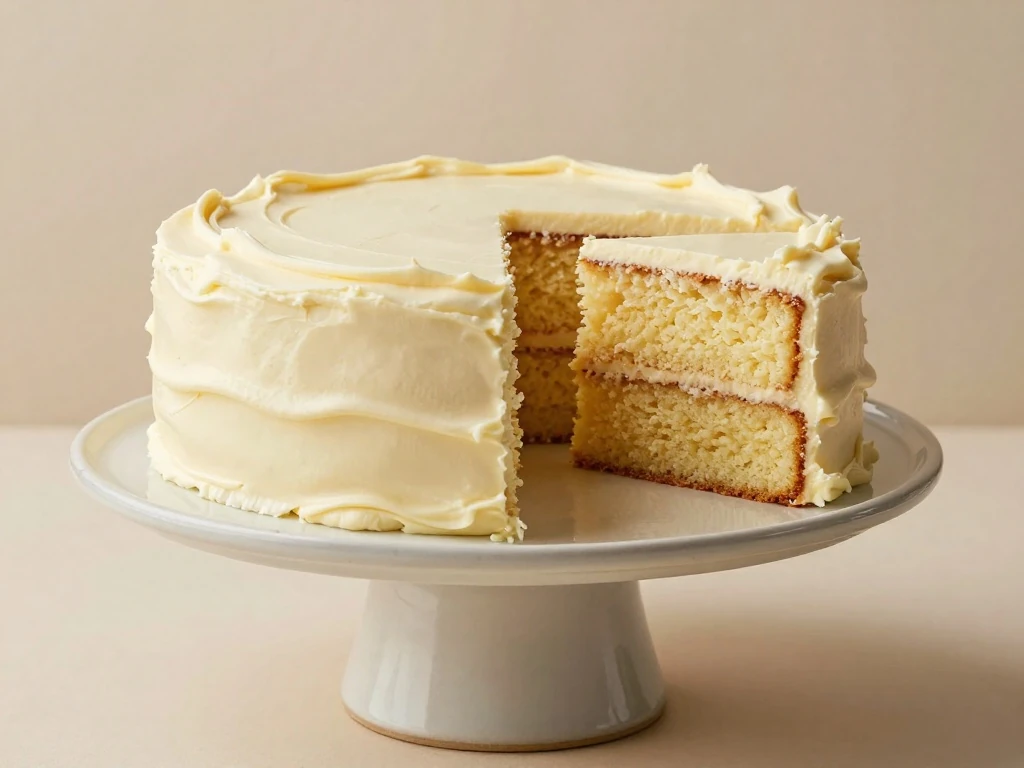
A good vanilla cake should be more than a plain backdrop for frosting. This version is buttery, fragrant, tender, and sturdy enough to stack, yet soft enough to enjoy with a cup of tea.
The equal-weight butter, sugar, and flour method is easy to remember and produces reliable results. The two layers also give you enough height for a generous filling without requiring complicated decorating skills.
This recipe is especially useful when you need a celebration cake with familiar ingredients. It works beautifully for birthdays, afternoon gatherings, bake sales, and casual family desserts.
For another celebration-ready variation, you can also try this vanilla birthday cake idea when you want to compare decorating options.
Ingredients You’ll Need
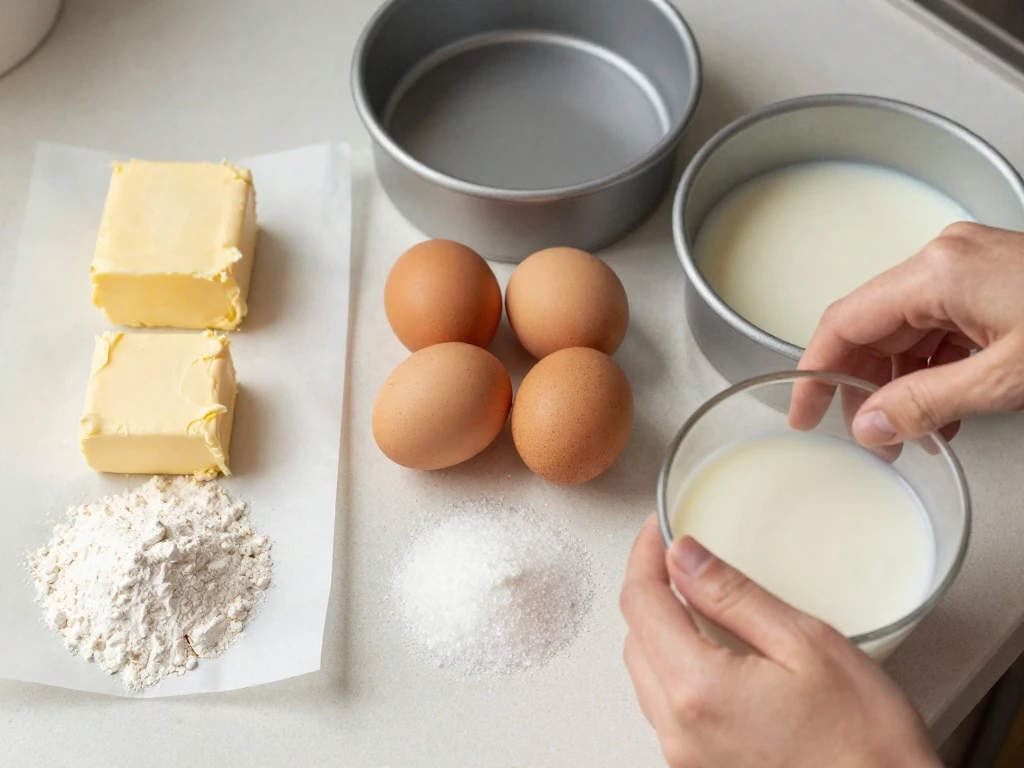
Gather 200 g softened unsalted butter, 200 g granulated or caster sugar, four large room-temperature eggs, 200 g self-rising flour, two teaspoons baking powder, two teaspoons pure vanilla extract, two tablespoons milk, and a pinch of salt.
The recipe is written by weight because a kitchen scale gives the most consistent cake. For reference, the butter is about three-quarters cup plus two teaspoons, the sugar is about one cup, and the self-rising flour is about one and two-thirds cups.
If self-rising flour is unavailable, use 200 g all-purpose flour with about two and one-half teaspoons baking powder and one-quarter teaspoon salt. This adjustment supplies the additional lift and seasoning needed for the same basic batter.
- Butter: Provides richness and helps create a tender crumb when beaten until fluffy.
- Eggs: Add structure, moisture, and emulsifying power to the batter.
- Vanilla: Gives the cake its familiar warm aroma and rounded flavor.
- Milk: Loosens the batter so it spreads easily and bakes evenly.
If you enjoy keeping a dependable everyday cake in your collection, bookmark this basic vanilla cake recipe for another simple option.
How to Make It Step-by-Step
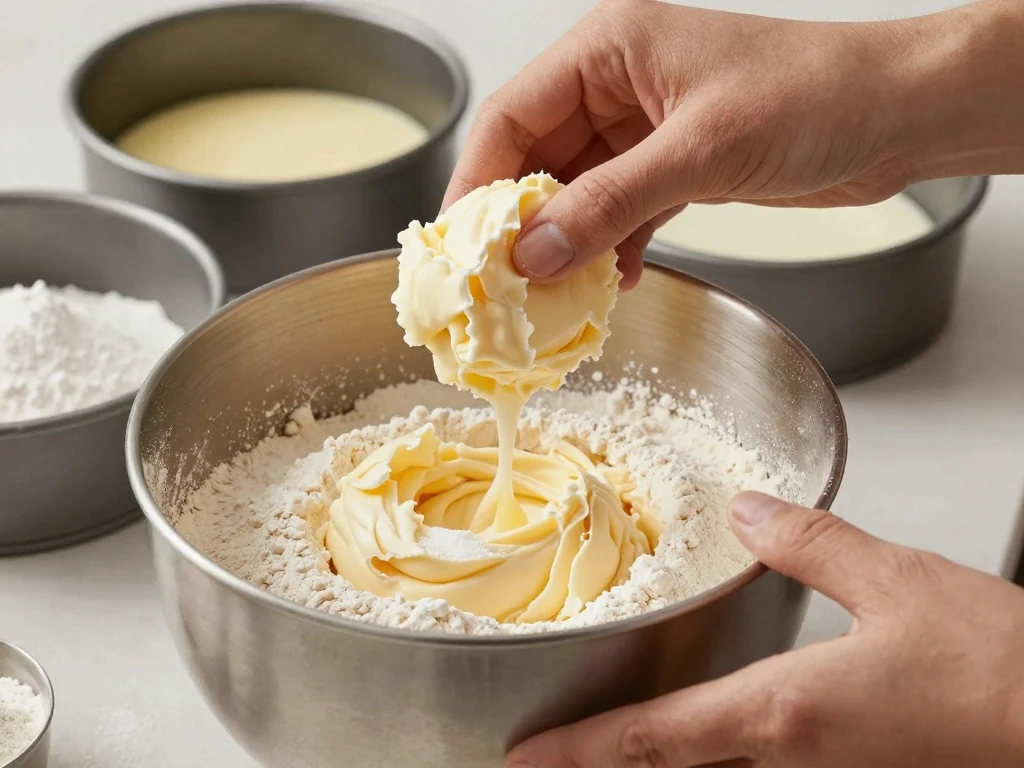
Step 1: Begin by heating the oven to 180°C conventional/350°F, or 160°C fan. Grease two 8-inch/20-cm round cake pans, line the bottoms with parchment, and check that the oven rack is positioned near the center.
Step 2: Place the softened butter and sugar in a large mixing bowl and beat for 3 to 5 minutes. The mixture should become noticeably paler, lighter, and fluffy, which helps the finished cake rise with a fine texture.
Step 3: Add the eggs one at a time, beating well after each addition. Scrape down the sides of the bowl as needed, then mix in the pure vanilla extract so its flavor is distributed throughout the batter.
Step 4: Sift or whisk the self-rising flour, baking powder, and salt in a separate bowl. If you are using all-purpose flour, use the alternative quantities listed above rather than adding the same amount of leavening.
Step 5: Fold the dry ingredients into the butter mixture in portions, alternating with the milk. Use a gentle motion and stop immediately when the batter looks uniform, because overmixing can develop a heavier texture.
Step 6: Divide the batter evenly between the two prepared pans. Smooth the tops with a spatula so the layers bake at a similar depth, then gently tap the pans once on the counter if you see large air pockets.
Step 7: Bake for 20 to 30 minutes, checking toward the earlier end of the range. The cakes are ready when they are golden, the centers spring back lightly when pressed, and a skewer inserted in the middle comes out clean or with a few moist crumbs.
Step 8: Let the cakes cool in their pans for about 10 minutes before turning them onto a wire rack. Allow them to cool completely for at least 20 to 30 minutes more before adding frosting, since warm layers can soften buttercream and slide.
Step 9: Place one layer on a serving plate, spread it with buttercream, whipped cream, jam, or your preferred filling, and position the second layer on top. Cover the cake with frosting or leave the sides lightly finished for a relaxed homemade appearance.
Pro Tips for a Light, Even Crumb
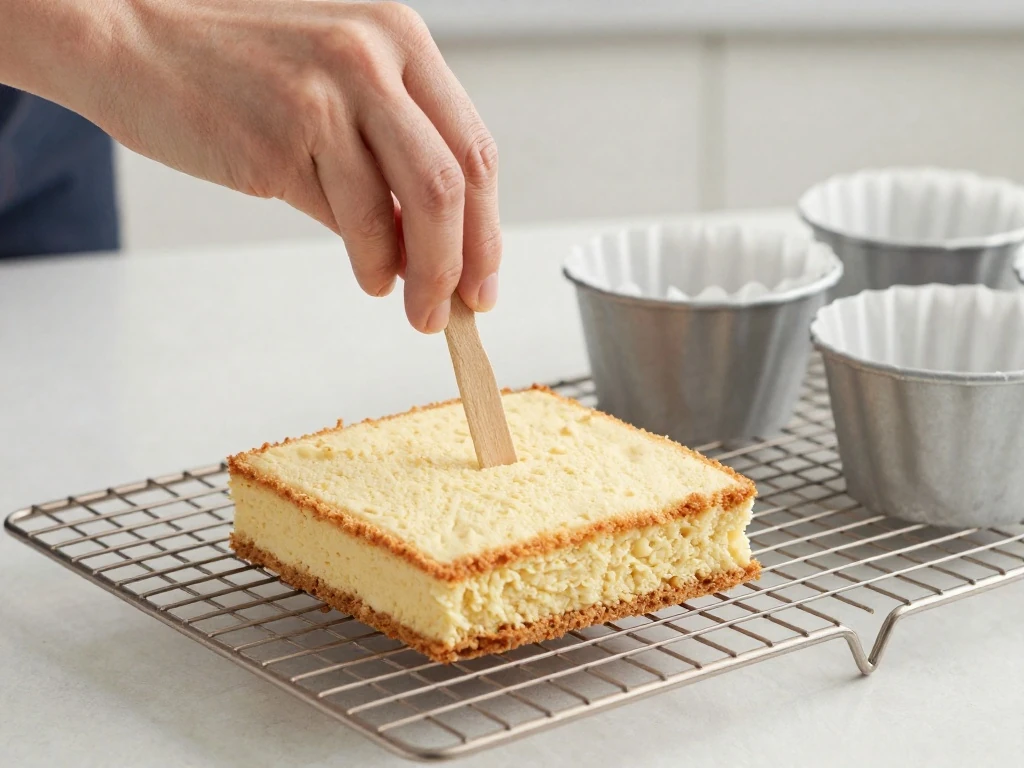
Room-temperature ingredients are one of the simplest ways to improve this cake. Soft butter blends with the sugar properly, while room-temperature eggs emulsify into the batter more readily instead of making the mixture look curdled.
Use a scale for the flour whenever possible. Measuring a cup by scooping directly into a flour bag can pack in extra flour, and that excess can make the cake dry, firm, and less delicate.
Do not judge doneness by color alone. Oven temperatures vary, so combine the golden surface, gentle spring-back, and skewer test when deciding whether the layers are ready.
- Bring butter and eggs to room temperature before mixing.
- Scrape the bowl during mixing to prevent dense patches.
- Fold only until the dry streaks disappear.
- Divide batter evenly for matching layers.
- Cool fully before assembling.
If the cake domes slightly, let it cool and trim the top with a serrated knife before frosting. A small amount of leveling makes the layers sit neatly and gives each slice a clean filling line.
Frosting, Filling, and Decorating Ideas
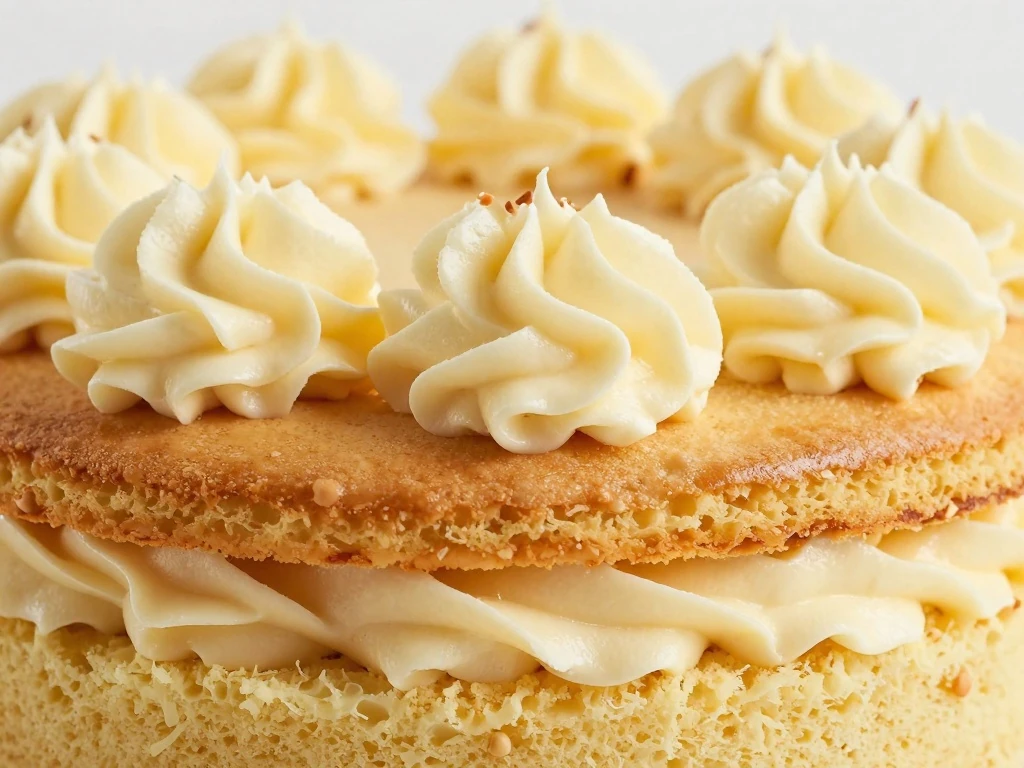
A simple vanilla buttercream is the classic partner for this sponge. Beat softened butter with powdered sugar, vanilla, and a small amount of milk or cream until smooth, adjusting the liquid gradually so the frosting remains thick enough to spread.
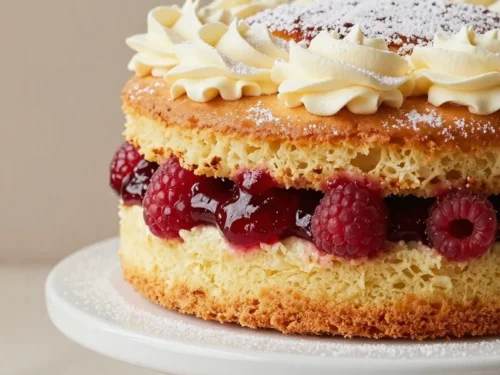
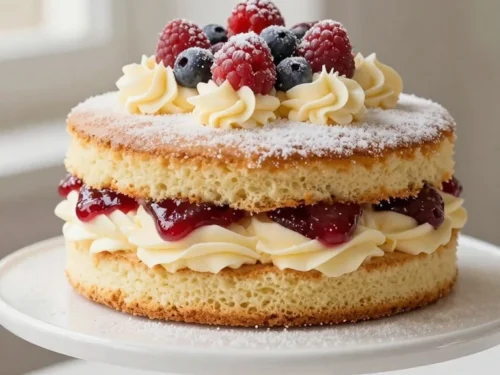
For a lighter finish, use softly whipped cream between the layers and add sliced strawberries or raspberries just before serving. A thin layer of raspberry, strawberry, or apricot jam also adds gentle fruit flavor and a pretty contrast against the pale crumb.
Keep the decoration practical and attractive with a smooth buttercream coat, piped rosettes, or a scattering of sprinkles. A little vanilla bean paste in the frosting can add visible speckles, although pure vanilla extract is the specified flavoring for the cake itself.
For a more traditional party presentation, see this classic birthday cake variation for inspiration when choosing colors and toppings.
Storage and Serving
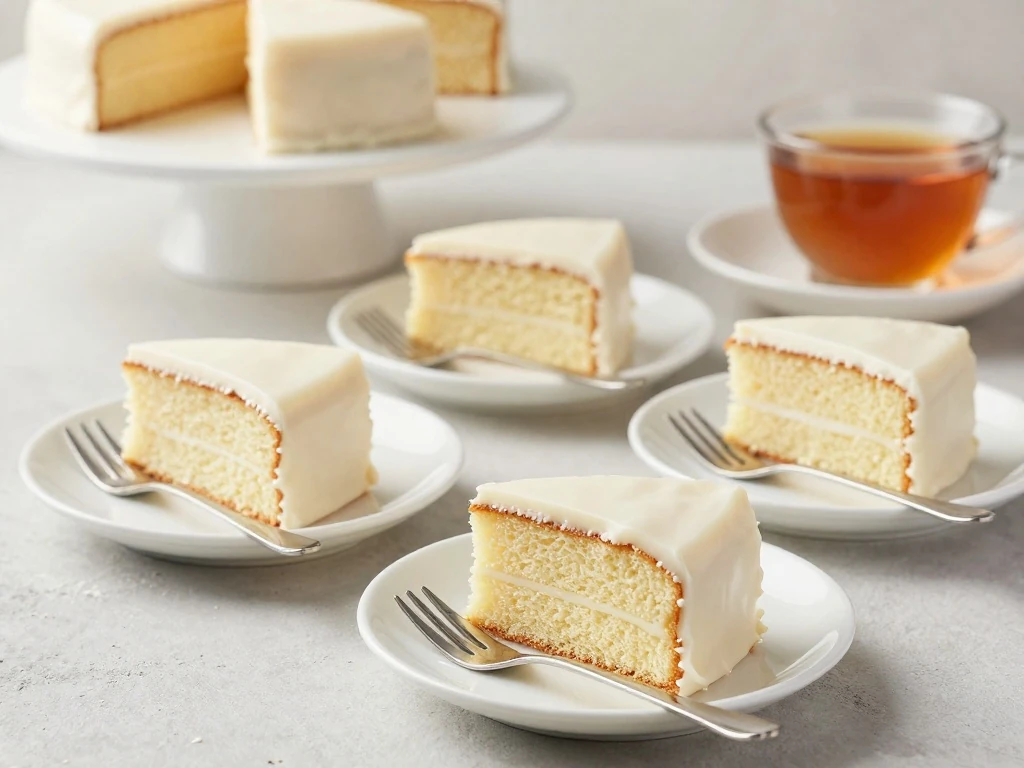
Once frosted, keep the cake covered so the exposed crumb does not dry out. A cool room is suitable for a short serving period, while cakes filled or topped with whipped cream should be refrigerated according to the needs of the filling.
For the best texture, allow a refrigerated buttercream cake to sit at room temperature briefly before slicing. This softens the frosting and lets the buttery vanilla flavor come through more clearly.
Unfrosted layers can be wrapped well after they have cooled completely. When you are ready to assemble, check that the layers remain soft and level, then add the filling and frosting just before serving or according to your schedule.
Common Questions
Can I use caster sugar? Yes. Granulated or caster sugar both work in the specified 200 g quantity, although caster sugar dissolves quickly during creaming.
Why did my cake turn out dense? The most common causes are butter or eggs that were too cold, too much flour, or mixing the batter after the dry ingredients were incorporated. Beat the butter and sugar thoroughly, weigh the flour, and stop folding as soon as the batter is combined.
Can I bake this as one larger cake? This formula is designed for two 8-inch/20-cm round layers, so changing the pan size may alter the baking time and depth. For the most predictable result, use the specified two pans and test the centers before removing them from the oven.
Perfect Vanilla Cake Recipe
Ingredients
Method
- Heat the oven to 180°C conventional/350°F, or 160°C fan. Grease two 8-inch/20-cm round cake pans and line the bottoms with parchment.
- Beat the softened butter and sugar for 3 to 5 minutes, until pale, light, and fluffy. Add the eggs one at a time, beating well after each addition, then mix in the vanilla.
- Sift or whisk together the flour, baking powder, and salt. Fold the dry mixture into the butter mixture, alternating with the milk, and stop mixing as soon as no dry streaks remain.
- Divide the batter evenly between the prepared pans and smooth the tops. Bake for 20 to 30 minutes, until golden, lightly springy in the center, and clean or nearly clean when tested with a skewer.
- Cool the cakes in their pans for about 10 minutes. Turn them onto a wire rack and let them cool completely for at least another 20 to 30 minutes before filling or frosting.
- Fill and frost with vanilla buttercream, whipped cream, jam, or another preferred icing. Chill briefly if needed for neat slices, then serve at room temperature.
Notes
Final Thoughts
This Perfect Vanilla Cake Recipe is the kind of dependable bake every home kitchen needs: simple ingredients, clear steps, and a soft golden crumb that welcomes almost any topping. The careful creaming step, accurate flour measurement, and gentle folding are the small details that make the finished layers light rather than heavy.
Serve it with vanilla buttercream for a familiar birthday cake, pair it with jam and whipped cream for afternoon tea, or keep the decoration minimal and let the buttery vanilla flavor lead. Once the layers are fully cool, assemble, slice, and enjoy a homemade cake that tastes special without requiring difficult techniques.