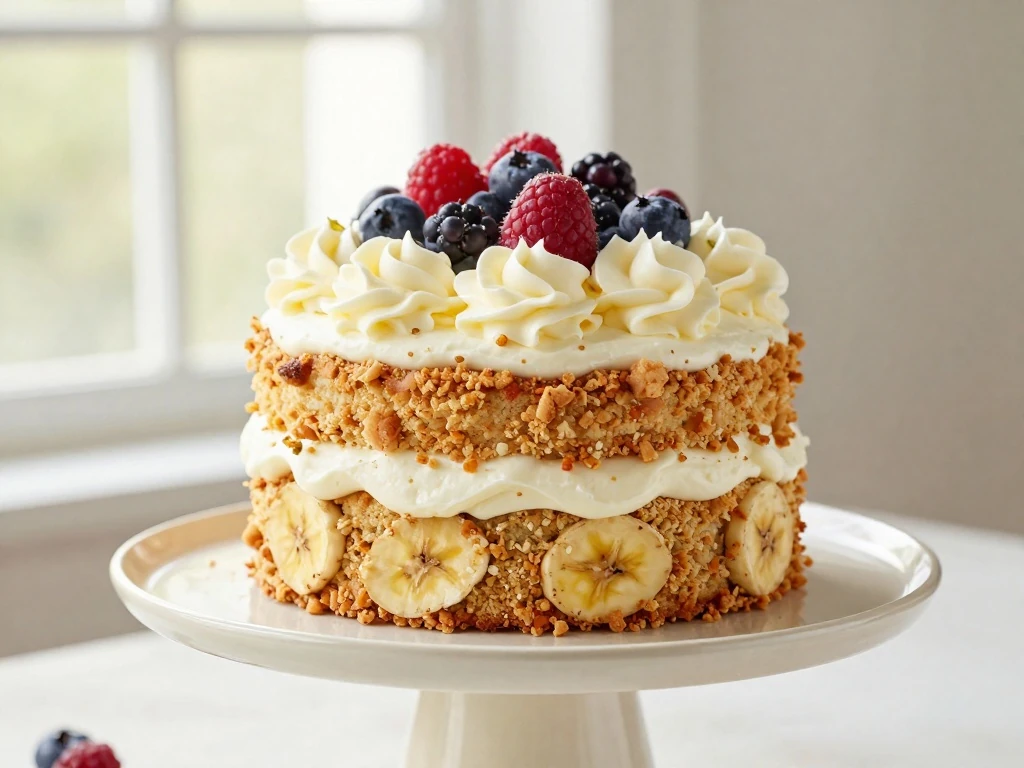
This homemade smash cake recipe makes one tender, two-layer 6-inch vanilla cake perfect for a baby’s first birthday. The cake takes about 20–25 minutes to prepare, bakes in 20–25 minutes, and serves approximately 6–8 small portions.
Soft, buttery, and lightly sweet, this little birthday cake has a delicate vanilla flavor and a fluffy crumb that is easy for tiny hands to squish. A simple buttercream frosting gives it a festive finish, while soft berries, thin fruit slices, or piped frosting make baby-friendly decorations.
A first birthday deserves a cake that looks special without requiring an oversized layer cake or advanced decorating skills. This homemade smash cake is small enough for a baby to explore, but attractive enough to serve as the centerpiece of a birthday photo session.
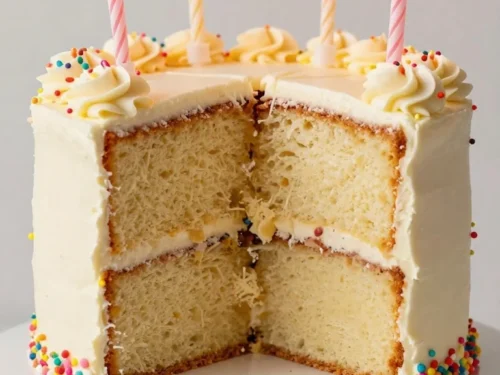
The vanilla cake is made with familiar pantry ingredients and baked as two neat 6-inch layers. The texture is soft and tender, with enough structure to hold a generous coating of frosting while still breaking apart easily under little fingers.
Small-batch size: The recipe makes one 6-inch, two-layer cake with approximately 6–8 small servings.
Simple preparation: The batter comes together with a standard creaming method and no special equipment beyond cake pans and a mixer.
Celebration-ready: White buttercream can be tinted with pastel food coloring or finished with soft fruit.
Flexible: You can use a reduced-sugar variation or substitute another soft frosting if preferred.
Ingredients You’ll Need
Room-temperature ingredients are especially helpful in this recipe. Soft butter blends smoothly with the sugar, and room-temperature eggs and milk help the batter come together evenly for a consistent crumb.
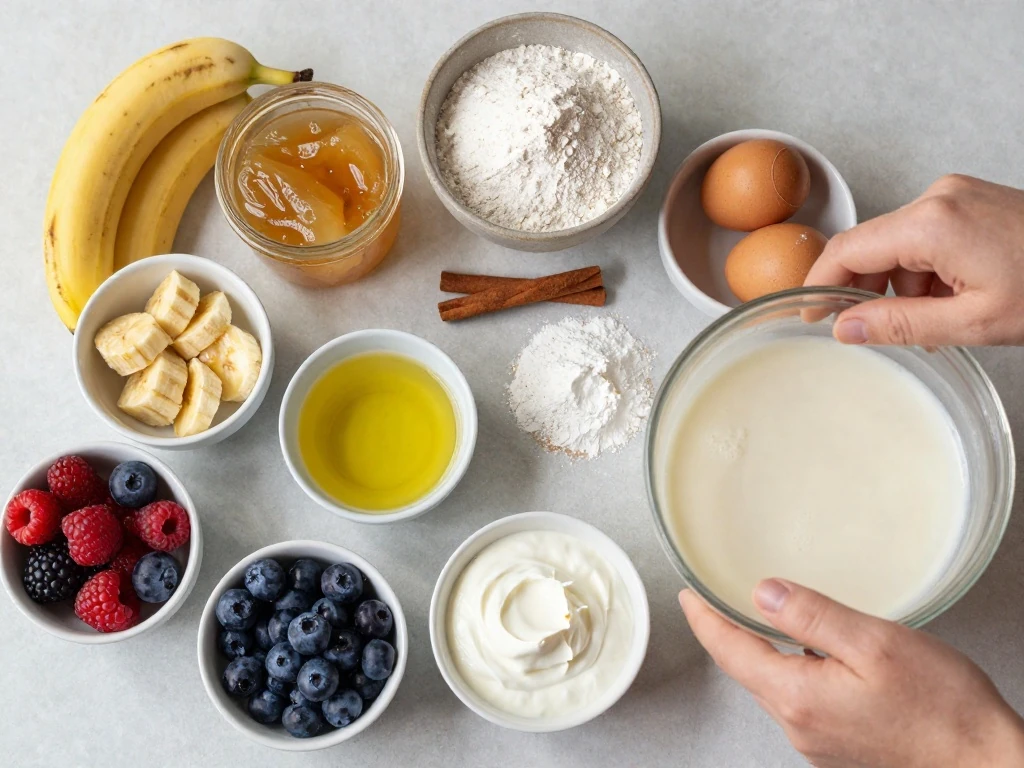
For the cake, gather 1 cup (125 g) all-purpose flour, 1 teaspoon baking powder, 1/4 teaspoon fine salt, 1/2 cup (113 g) softened unsalted butter, 3/4 cup (150 g) granulated sugar, 2 room-temperature large eggs, 1 teaspoon pure vanilla extract, and 1/2 cup (120 ml) room-temperature whole milk.
The buttercream requires 1/2 cup (113 g) softened unsalted butter, 2 cups (240 g) sifted powdered sugar, 1 teaspoon vanilla extract, a pinch of salt, and 1–2 tablespoons heavy cream or whole milk. Sifting the powdered sugar helps produce a smoother frosting with fewer lumps.
How to Make It Step-by-Step
Step 1: Heat the oven to 350°F (175°C), then grease two 6-inch round cake pans. Line the bottoms with parchment rounds so the small layers release cleanly after baking.
Step 2: Add the flour, baking powder, and fine salt to a medium bowl and whisk them together. This distributes the leavening and salt before they are added to the wet ingredients.
Step 3: Place the softened butter and granulated sugar in a mixing bowl. Beat them for about 2–3 minutes, until the mixture looks pale and fluffy, scraping down the bowl once or twice if needed.
Step 4: Beat in the eggs one at a time, allowing the first egg to blend in before adding the second. Mix in the vanilla extract, and do not worry if the mixture looks slightly different as each egg is added.
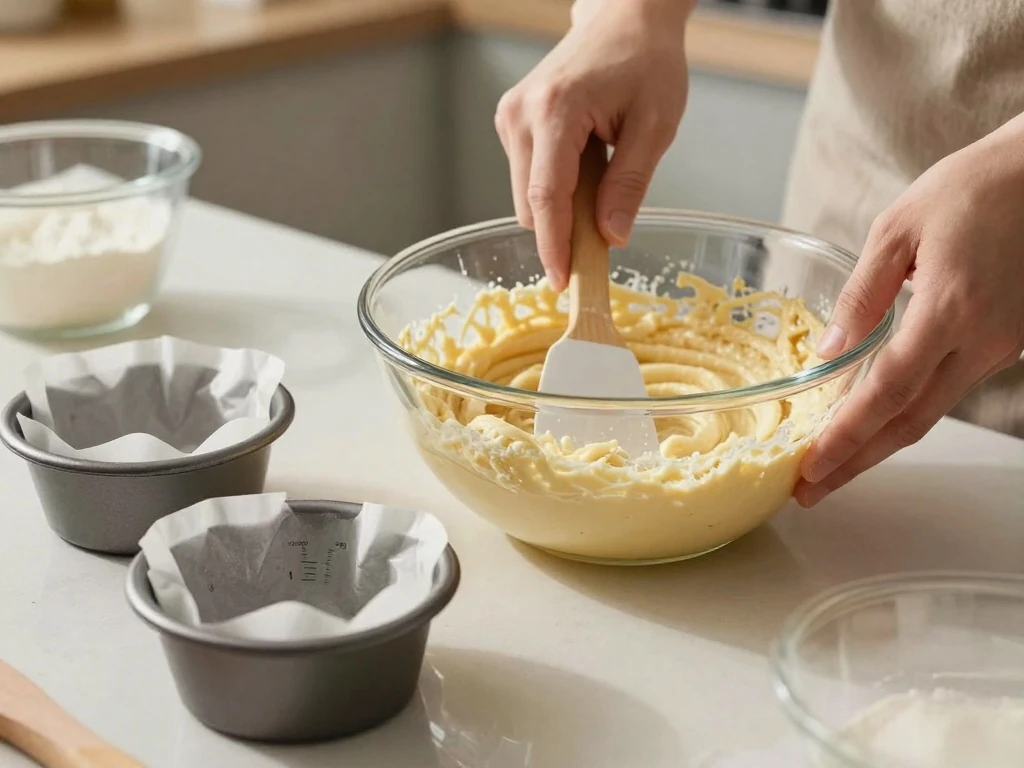
Step 5: Add the dry ingredients in two or three additions, alternating with the room-temperature milk. Mix only until no obvious streaks of flour remain, since overmixing can make the finished cake less tender.
Step 6: Divide the batter evenly between the prepared pans. Use a spatula to gently smooth the tops, making the layers as similar in height as possible.
Step 7: Bake the cakes for 20–25 minutes. They are ready when the centers spring back lightly and a toothpick inserted in the middle comes out clean or with a few moist crumbs.
Step 8: Let the cakes cool in the pans for 10 minutes. Turn them onto a wire rack and allow them to cool completely, which usually takes another 45–60 minutes depending on the room temperature.
Step 9: To make the buttercream, beat the softened butter until smooth. Gradually add the sifted powdered sugar, then mix in the vanilla and salt before adding enough cream or milk to make the frosting soft and spreadable.
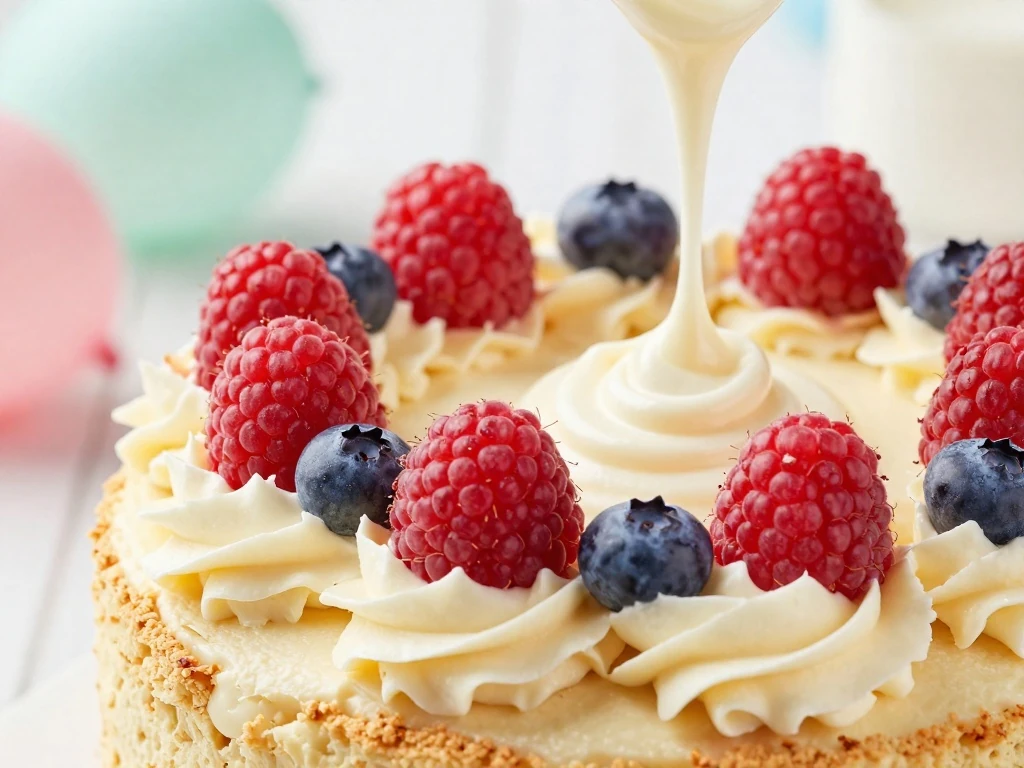
Step 10: Put one completely cooled cake layer on a serving plate and spread frosting over the top. Add the second layer, cover the top and sides with the remaining buttercream, and decorate with safe, soft toppings.
Making the Buttercream Smooth and Spreadable
The best buttercream texture comes from patient mixing and properly softened butter. Butter should be pliable when pressed, but it should not look oily or melted.
Add the powdered sugar gradually to avoid a cloud of sugar and to keep the frosting evenly blended. If it seems too thick, add the cream or milk a small amount at a time; if it becomes too soft, briefly chill it before decorating.
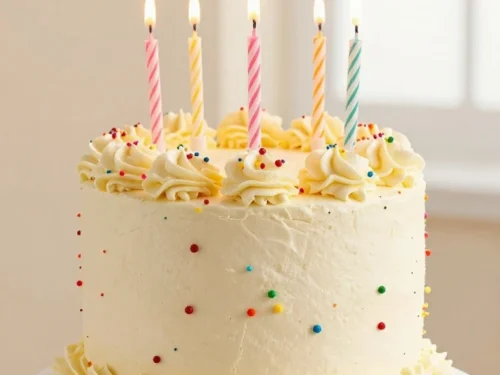
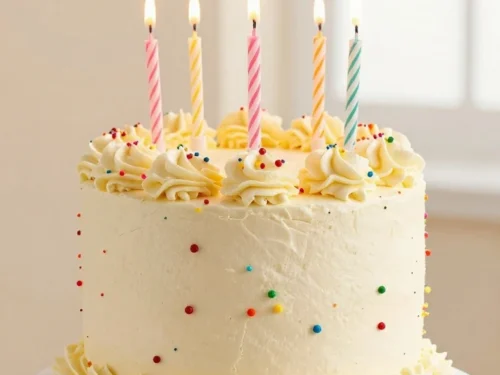
For a simple finish, use an offset spatula to create gentle swirls around the sides. A completely smooth coating is not necessary because a slightly rustic finish suits a playful first-birthday cake beautifully.
Baby-Friendly Decoration Ideas
Decorations should be soft, easy to remove, and appropriate for the child enjoying the cake. Choose toppings that create color and texture without adding hard or small items that may present a choking risk.
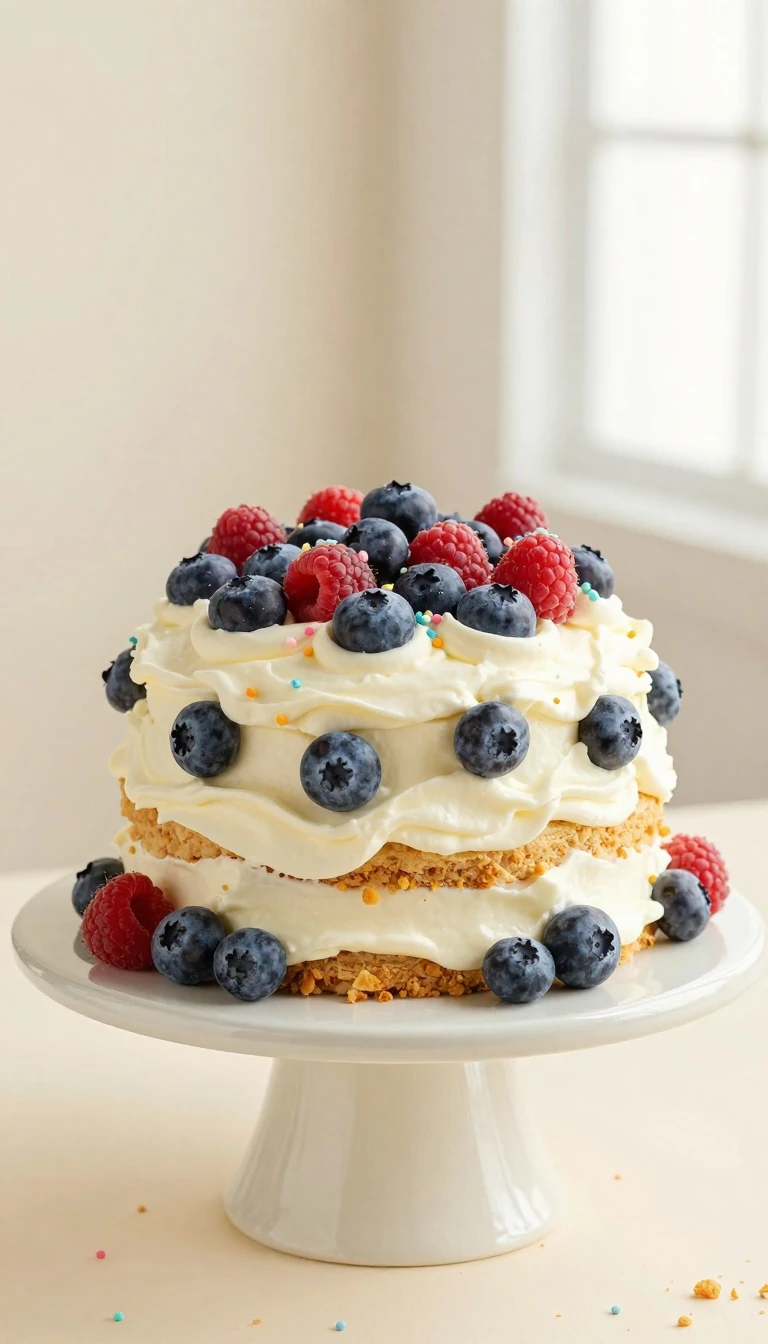
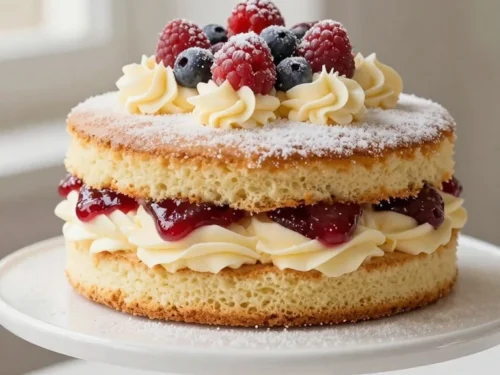
Soft berries, such as raspberries or blueberries that have been prepared appropriately for the child.
Thinly sliced soft fruit, placed sparingly across the top.
Small piped buttercream rosettes or simple frosting dots.
A light dusting of sifted powdered sugar for a minimal finish.
Pastel-tinted frosting made with a small amount of food coloring.
Avoid hard candies, whole nuts, large fruit pieces, toothpicks, and other hard decorations. Always consider the child’s age, eating abilities, and guidance from their parent or caregiver.
Pro Tips for a Tender Smash Cake
Measure the flour carefully by spooning it into a measuring cup and leveling the top, or use a kitchen scale for the stated 125 g amount. Too much flour can make these small layers dry and heavy.
Do not open the oven repeatedly during baking, especially during the first part of the bake. Check the cakes near the 20-minute mark, then continue baking only as needed until the centers spring back and the toothpick test is successful.
Cooling is not a step to rush. Even slightly warm cake can melt the frosting, cause the layers to slide, and make decorating frustrating.
For a less sweet variation, published smash-cake styles often replace some or all of the granulated sugar with mashed banana, unsweetened applesauce, or maple syrup. Whole-wheat or oat flour may also be used in nutrient-focused versions, although the texture and flavor will differ from this classic vanilla cake.
Frosting Variations and Serving Ideas
Buttercream is easy to pipe and holds its shape well for photographs, but it is not the only option. Whipped cream, Greek-yogurt frosting, or softened cream cheese frosting can be substituted when you want a lighter or tangier finish.
Serve the cake in a comfortable, easy-to-clean area with a washable mat or large cloth underneath. Place the cake in front of the birthday child shortly before photos so the frosting and layers remain fresh and attractive.
Although the cake makes approximately 6–8 small servings, the birthday child may eat only a little. The remaining portions can be shared with family and guests after the smash-cake moment.
Storage and Make-Ahead Advice
The cake layers can be baked ahead and cooled completely before wrapping them well. Keep them protected from air until you are ready to frost and assemble the cake.
Once frosted, keep the cake covered and chilled if it will not be served soon. Let it sit briefly at room temperature before serving so the buttercream is pleasantly soft rather than firm.
For the freshest texture and best photographs, assemble and decorate the cake close to the celebration. Keep any fruit decorations separate until shortly before serving so they stay fresh and do not release excess moisture onto the frosting.
Homemade Smash Cake Recipe
A small two-layer vanilla smash cake with tender crumb and simple buttercream frosting, made for a baby’s first birthday celebration. It serves approximately 6–8 small portions.
Heat the oven to 350°F (175°C). Grease two 6-inch round cake pans and line the bottoms with parchment paper.
Whisk together the flour, baking powder, and salt in a medium bowl.
Beat the softened butter and granulated sugar for 2–3 minutes, until pale and fluffy.
Beat in the eggs one at a time, mixing well after each addition, then stir in the vanilla extract.
Add the dry ingredients in two or three additions, alternating with the milk. Mix only until the batter is combined.
Divide the batter evenly between the prepared pans and smooth the tops.
Bake for 20–25 minutes, until the centers spring back lightly and a toothpick comes out clean or with a few moist crumbs.
Cool the cakes in their pans for 10 minutes, then turn them onto a wire rack and cool completely.
Beat the butter for the frosting until smooth. Gradually add the sifted powdered sugar, then mix in the vanilla, salt, and enough cream or milk to create a soft, spreadable consistency.
Place one cake layer on a plate, spread it with frosting, add the second layer, and frost the top and sides. Decorate with soft, age-appropriate toppings if desired.
Notes
Bring the butter, eggs, and milk to room temperature for a more even batter. Cool the cake completely before frosting. For a baby-friendly cake, avoid hard candies, whole nuts, large fruit pieces, toothpicks, and other choking hazards.
Final Thoughts
This homemade smash cake recipe is a cheerful way to celebrate a first birthday with a cake made from scratch. Two petite vanilla layers, creamy buttercream, and a few soft decorations create a dessert that is festive, manageable, and wonderfully photogenic.
Give the cake plenty of time to cool, keep the decorations baby-friendly, and let the birthday child enjoy the experience at their own pace. Whether the first touch is a cautious poke or an enthusiastic frosting-covered smash, this little cake is sure to make the celebration memorable.