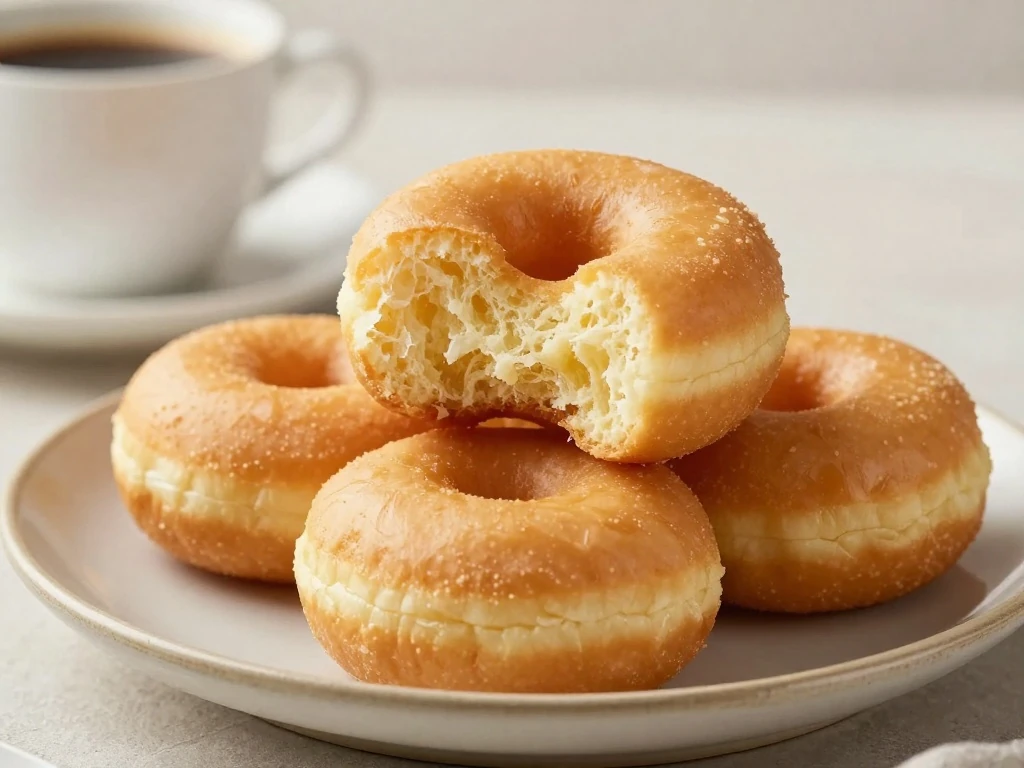
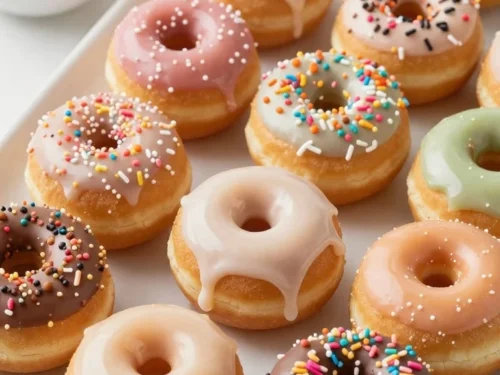
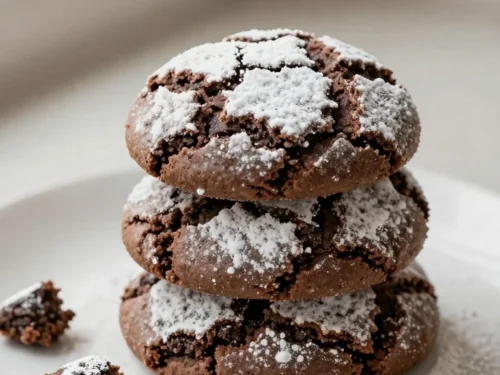
This easy Homemade Fried Cake Donut Recipe makes 10–12 old-fashioned, yeast-free donuts in about 1 hour 15 minutes, including a 30–60 minute dough chill. The soft buttermilk dough is lightly spiced with nutmeg, cut into classic rings, and fried for about 60–90 seconds per side until puffed and golden.
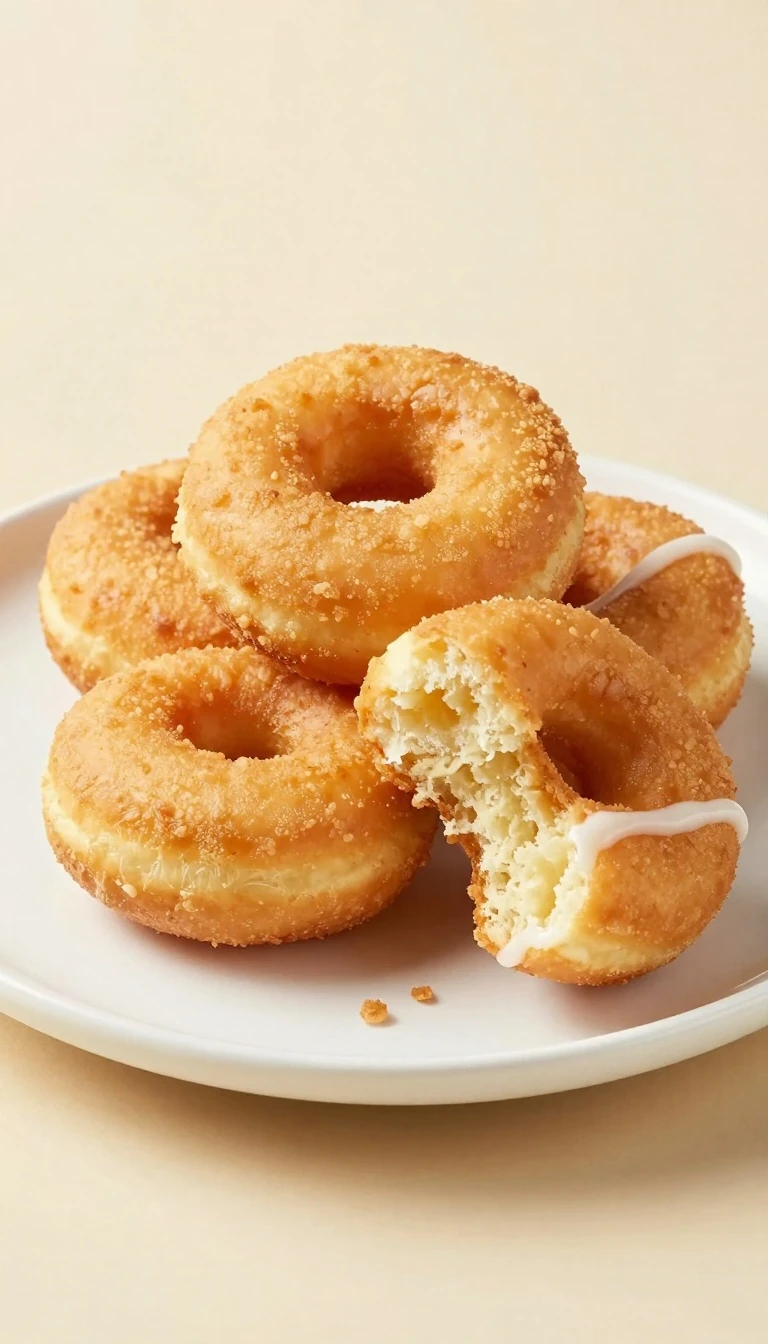
These homemade cake donuts have crisp, deeply golden edges and a tender, cakey center with a gentle buttery vanilla flavor. Serve them plain with coffee, dust them with confectioners’ sugar, or dip them in the optional vanilla glaze for a bakery-style finish; for another classic variation, visit this classic donut recipe.
There is something wonderfully nostalgic about a freshly fried cake donut. Unlike yeast donuts, these old-fashioned treats need no yeast, proofing, or lengthy rise; baking powder and baking soda provide the lift while buttermilk keeps the crumb tender.
The preparation is approachable enough for a relaxed weekend breakfast. You mix one soft dough, give it a short chill, roll it out, cut the rings, and fry them in small batches.
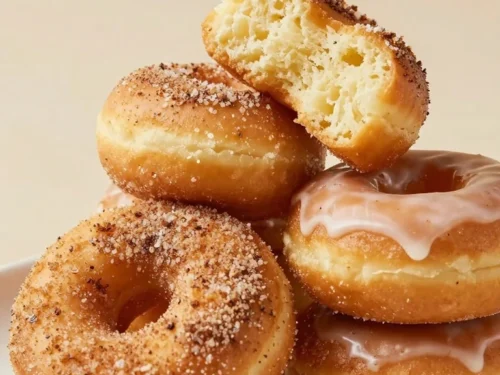
Nutmeg gives the donuts their familiar bakery aroma without overpowering the butter and vanilla. The outside becomes lightly crisp in the oil, while the inside stays soft and pleasantly cakey.
If you enjoy making classic desserts at home, you may also like these homemade birthday cake ideas for a celebration menu. A platter of warm donuts makes a cheerful breakfast, brunch centerpiece, or casual dessert.
Ingredients You’ll Need
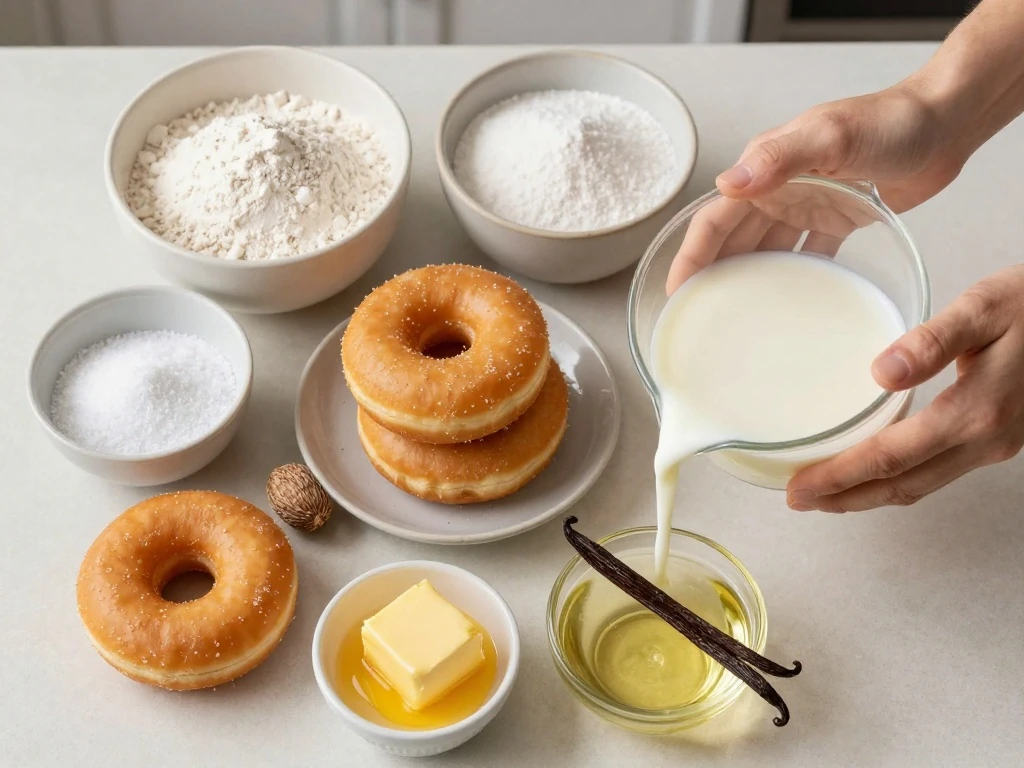
The ingredient list is short, but each item has an important job. All-purpose flour gives the donuts enough structure to hold their shape, while granulated sugar adds sweetness and helps the surfaces brown.
Leaveners: Baking powder and baking soda create a light, tender texture without yeast.
Buttermilk: Its gentle acidity works with the baking soda and adds moisture and a subtle tang.
Nutmeg: Just 1/2 teaspoon supplies the signature old-fashioned donut flavor.
Butter, egg, and vanilla: These provide richness, tenderness, color, and warm aroma.
Neutral oil: Vegetable, canola, or peanut oil works well because it allows the donut flavor to stand out.
Measure the flour carefully, preferably by weight. If using cups, spoon the flour into the measuring cup and level it rather than packing it down, since too much flour can make the dough stiff.
How to Make It Step-by-Step
Step 1: Whisk the flour, sugar, baking powder, baking soda, salt, and nutmeg in a large bowl until the spices and leaveners are evenly distributed. Separately, whisk the egg, buttermilk, vanilla, and melted butter, making sure the butter has cooled slightly so it does not heat the egg.
Step 2: Add the wet mixture to the dry ingredients and stir just until no large dry pockets remain. The dough should look soft and slightly sticky, not smooth and elastic, so stop mixing as soon as the ingredients come together.
Step 3: Cover the bowl and refrigerate the dough for 30–60 minutes. Chilling makes the sticky dough easier to handle and helps the cut donuts maintain their shape when they enter the hot oil.
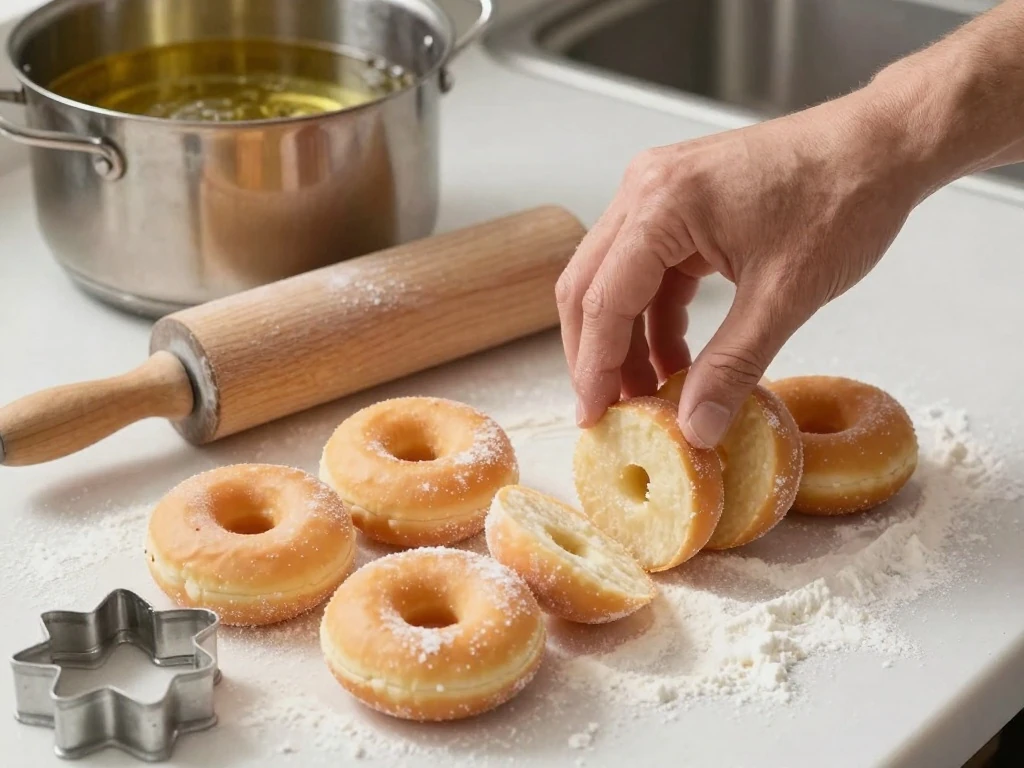
Step 4: Flour your work surface and rolling pin generously, then roll the dough to approximately 1/2 inch (1.25 cm) thick. Cut 3-inch donut rounds, using a small cutter to remove the centers if you do not have a donut cutter.
Step 5: Gather the scraps only after the first cuts are complete, and reroll them once if possible. Repeated rolling develops the dough and can produce tough, dense donuts instead of a tender cake-like crumb.
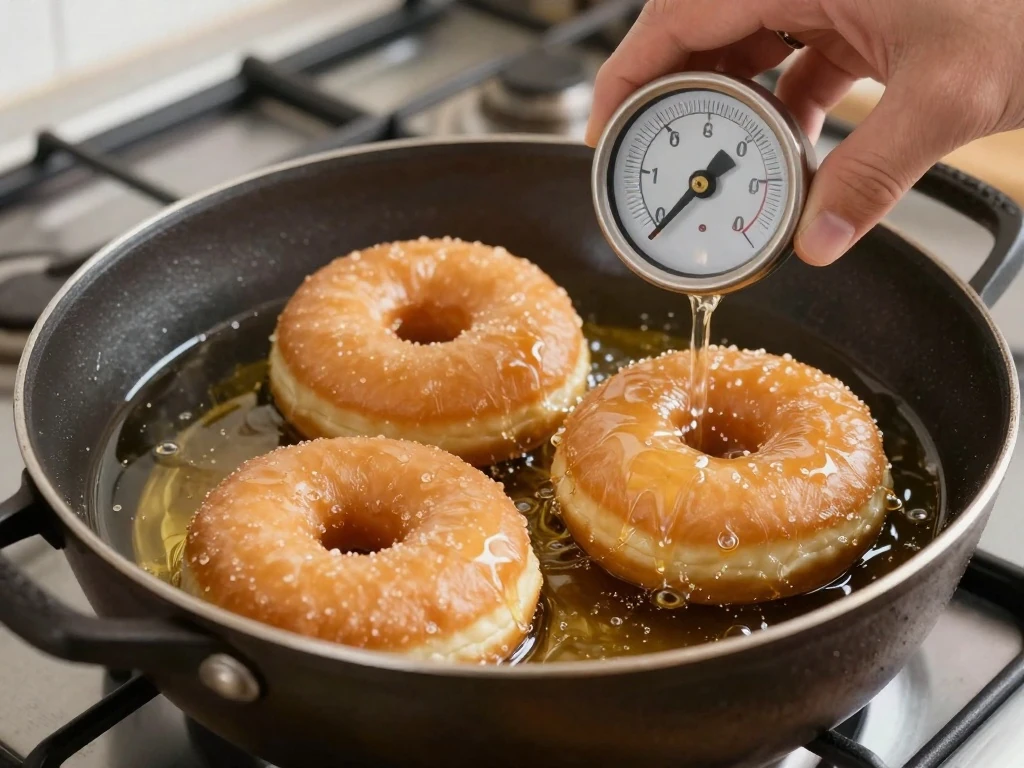
Step 6: Pour 1 1/2–2 inches of oil into a heavy saucepan or Dutch oven and heat it to 350–360°F (175–182°C). A thermometer is essential because visual guesses are unreliable, especially when the oil temperature changes after each batch.
Step 7: Carefully lower 2–3 donuts into the oil and fry for about 60–90 seconds per side. Turn them once they are puffed and golden underneath, then cook the second side until evenly browned.
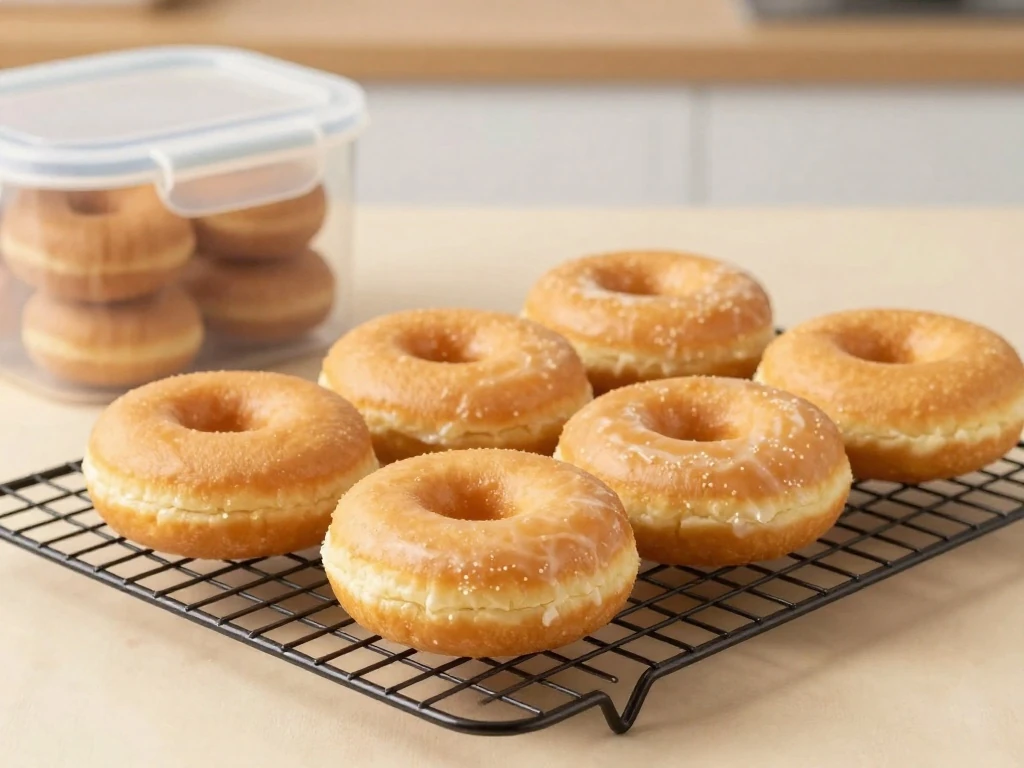
Step 8: Move the donuts to a wire rack set over paper towels so excess oil can drain without making the bottoms soggy. Allow the oil to return to its target temperature before adding another batch.
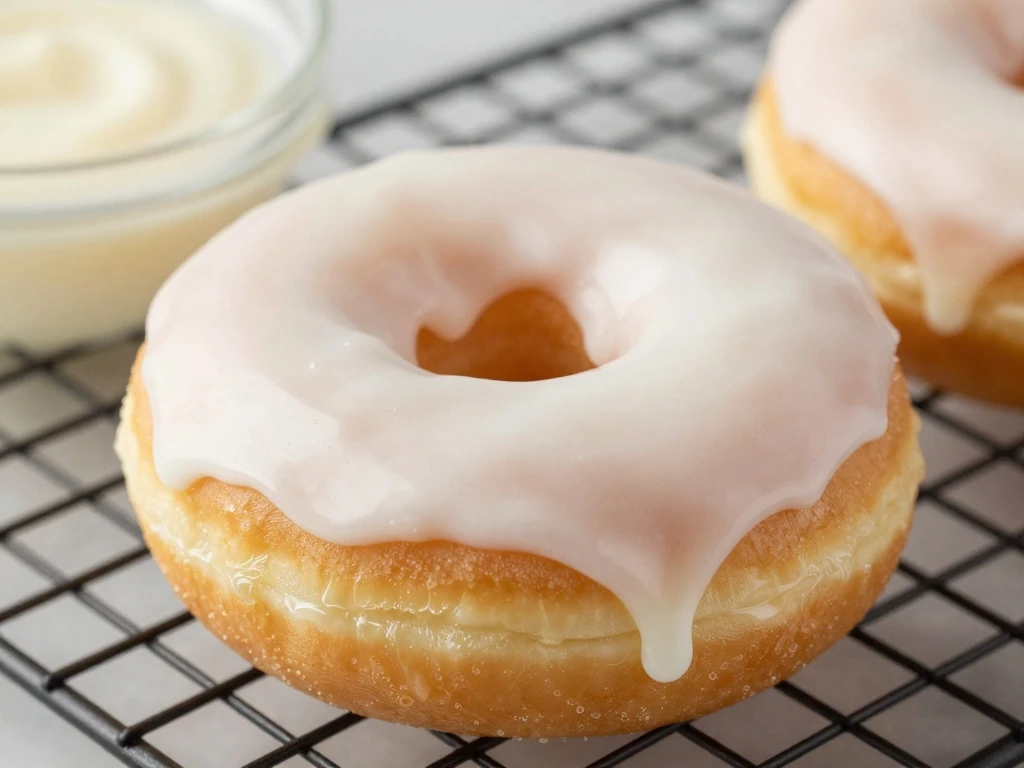
Step 9: If using the glaze, whisk the confectioners’ sugar, milk, and vanilla until smooth and thick enough to coat the tops. Dip cooled or slightly warm donuts into the glaze, let the excess drip away, and serve when the coating has lightly set.
Pro Tips for Crisp, Tender Donuts
Oil temperature is the most important detail in this recipe. Keep it between 350 and 360°F; oil that is too cool allows the donuts to absorb excess oil, while oil that is too hot can brown the exterior before the center cooks.
Fry one test donut before committing to the full batch. Cut it open after it cools briefly to check that the middle is cooked, then adjust the heat or frying time if needed.
Use a heavy pot that gives the oil room to bubble safely around the donuts.
Fry only 2–3 donuts at a time so the oil temperature does not drop sharply.
Keep the cut dough on a lightly floured surface while the oil heats.
Turn the donuts gently with tongs or a slotted spoon to avoid tearing them.
Do not overmix the dough or reroll the scraps repeatedly.
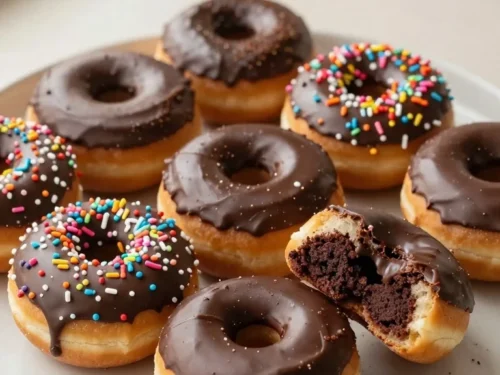
For another variation using the same comforting style, try this chocolate cake donut version when you are craving a deeper cocoa flavor.
Simple Vanilla Glaze and Serving Ideas
The optional glaze takes only a few minutes to prepare. Whisk 1 1/2 cups (170–180 g) confectioners’ sugar with 2–3 tablespoons milk and 1/2 teaspoon vanilla until smooth, adding the milk gradually so the consistency stays thick enough to cling to the donut.
Dip the donuts while they are cooled or slightly warm. A warm donut absorbs a little glaze and stays especially fragrant, while a cooler donut gives you a more defined, glossy coating.
You can also serve the donuts plain, dusted with confectioners’ sugar, or alongside fresh berries and coffee. If you want a subtle extra finish, a tiny pinch of nutmeg over the wet glaze echoes the flavor inside.
Storage & Reheating
These donuts are at their best the day they are fried, when the edges are crisp and the centers are tender. Keep leftovers covered at room temperature rather than refrigerating them, since the refrigerator can make cake donuts firm and dry.
Store glazed donuts in a single layer once the glaze has set. To refresh plain donuts, warm them briefly and gently, checking often so they do not become dry; glaze them after warming if desired.
For the freshest texture, fry only what you plan to serve and keep the remaining cut dough chilled until you are ready to cook it. Always let the oil cool completely before disposing of it, and never pour cooking oil down the drain.
Homemade Fried Cake Donut Recipe
Old-fashioned fried cake donuts made with buttermilk, nutmeg, and a yeast-free baking powder and baking soda dough. The donuts fry quickly and can be enjoyed plain or finished with a simple vanilla glaze.
2 1/2cups (300 g)All-purpose flour, plus extra for rolling
1/2cup (100 g)Granulated sugar
2teaspoonsBaking powder
1/2teaspoonBaking soda
1/2teaspoonFine salt
1/2teaspoonGround nutmeg
2tablespoons (28 g)Unsalted butter, melted and cooled slightly
1Large egg
3/4cup (180 ml)Buttermilk
1teaspoonVanilla extract
For Frying
1 1/2–2quartsNeutral frying oil, such as vegetable, canola, or peanut oil
Optional Vanilla Glaze
1 1/2cups (170–180 g)Confectioners’ sugar
2–3tablespoonsMilk
1/2teaspoonVanilla extract
Method
Step-by-Step
Whisk the flour, sugar, baking powder, baking soda, salt, and nutmeg together in a large bowl. In a separate bowl, whisk the egg, buttermilk, vanilla, and cooled melted butter until combined.
Pour the wet ingredients into the dry ingredients and stir just until a soft, slightly sticky dough forms. Do not overmix, because excessive stirring can make the finished donuts dense.
Cover the bowl and refrigerate the dough for 30–60 minutes. This short rest firms the dough and makes it much easier to roll and cut.
On a well-floured surface, roll the chilled dough to approximately 1/2 inch (1.25 cm) thick. Cut 3-inch rounds with a donut cutter, or use a round biscuit cutter together with a small cutter for the center.
Heat 1 1/2–2 inches of neutral oil in a heavy saucepan or Dutch oven to 350–360°F (175–182°C). Use a thermometer to monitor the oil, and fry one test donut first to confirm the browning and center doneness.
Carefully lower 2–3 donuts into the hot oil and cook for about 60–90 seconds per side, turning once, until puffed and golden brown. Transfer the cooked donuts to a wire rack with paper towels underneath, then let the oil return to temperature before the next batch.
For the optional glaze, whisk the confectioners’ sugar, milk, and vanilla until smooth. Dip cooled or slightly warm donuts into the glaze and let the excess drip off before serving.
Notes
Keep the oil between 350 and 360°F for crisp, non-greasy donuts with cooked centers. Handle the dough gently and reroll scraps only once if possible. Store plain donuts covered at room temperature and glaze them shortly before serving for the freshest finish.
Final Thoughts
This Homemade Fried Cake Donut Recipe brings classic bakery flavor to your kitchen with simple ingredients and no yeast. The combination of buttermilk, nutmeg, vanilla, and carefully controlled frying creates donuts that are golden outside, tender inside, and ready in about 1 hour 15 minutes.
Remember the three keys to success: chill the soft dough, avoid overmixing, and keep the oil between 350 and 360°F. Fry a test donut first, then serve the finished batch warm with coffee, a light vanilla glaze, or a dusting of sugar.