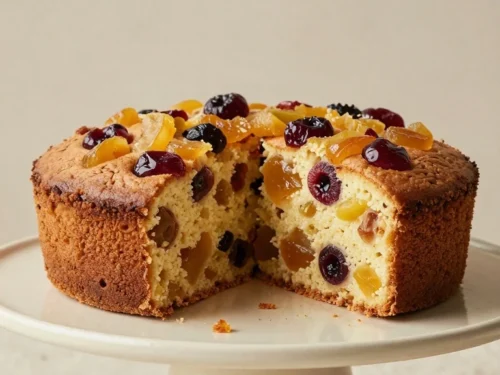
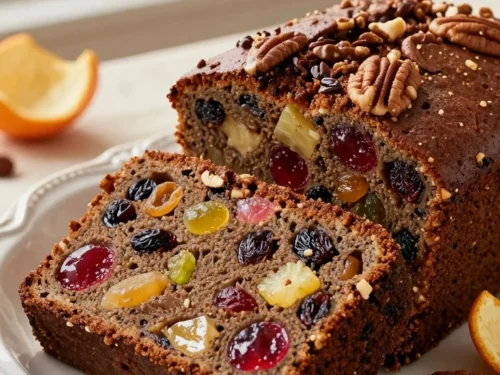
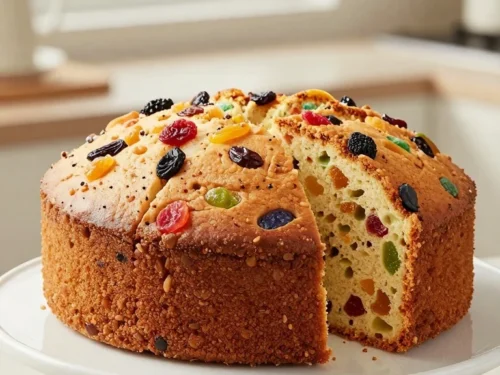
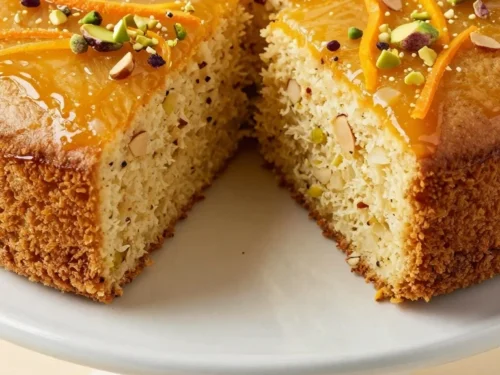
This classic Christmas cake recipe makes one deep 20 cm round British fruit cake, serving approximately 12–14 people. It combines 1 kg of brandy-soaked mixed dried fruit with citrus zest, warming spices, almonds, brown sugar, and butter, then bakes slowly at 150°C conventional, 130°C fan, or gas mark 2 for about 2 hours 15 minutes to 2 hours 30 minutes.
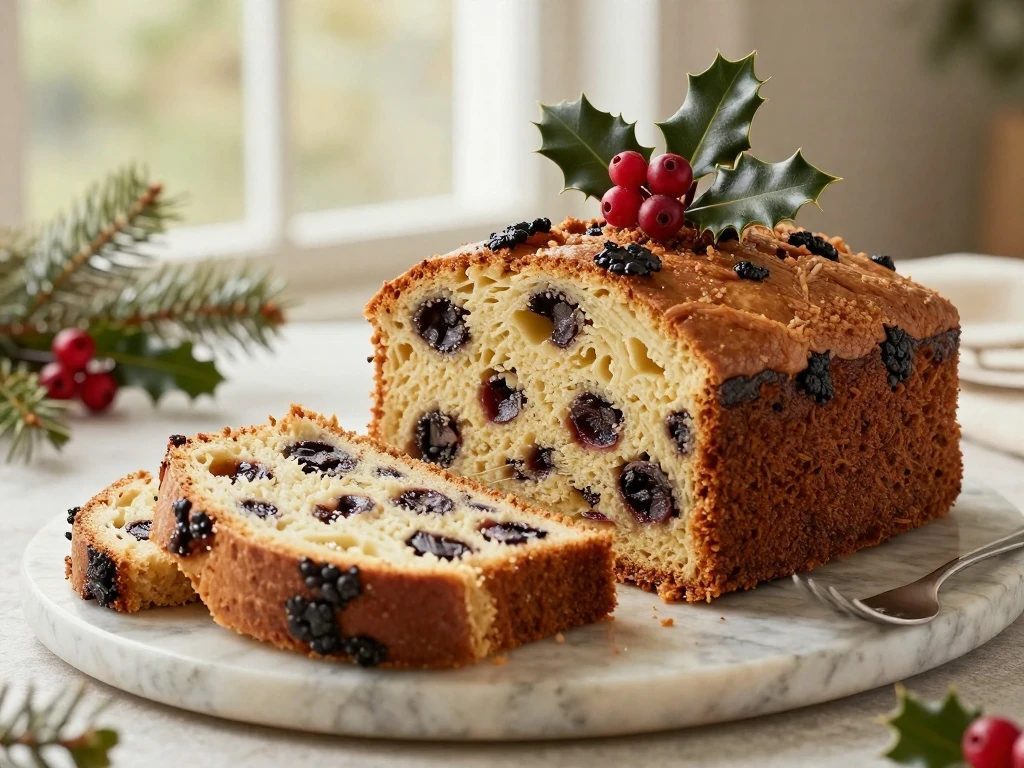
The finished cake is dark, moist, fragrant, and packed with tender fruit, gentle spice, and a mellow brandy flavour. Make it several weeks before Christmas, feed it sparingly with brandy every 1–2 weeks, and finish it with apricot jam, marzipan, and fondant for a beautiful traditional centrepiece.
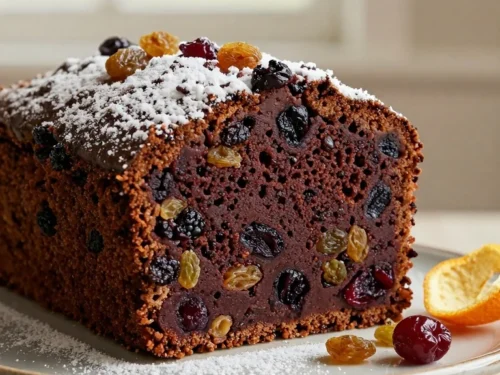
A homemade Christmas cake has a depth of flavour that is difficult to match with a shop-bought cake. Every slice is dense but tender, filled with plump raisins, currants, sultanas, and other dried fruit, while orange and lemon zest keep the flavour bright rather than heavy.
This is a dependable traditional British formula for a deep 20 cm cake. It uses a generous amount of fruit, but the batter has enough butter, eggs, flour, and almonds to hold everything together in neat slices.
The low oven temperature is important. A slow bake gives the centre time to cook while helping the outside stay moist, whereas high heat can darken the edges before the middle is ready.
Makes one deep round cake for approximately 12–14 servings.
Requires only 30 minutes of active preparation, plus overnight soaking.
Can be made weeks before Christmas and fed gradually with brandy.
Works beautifully with a classic marzipan and fondant finish.
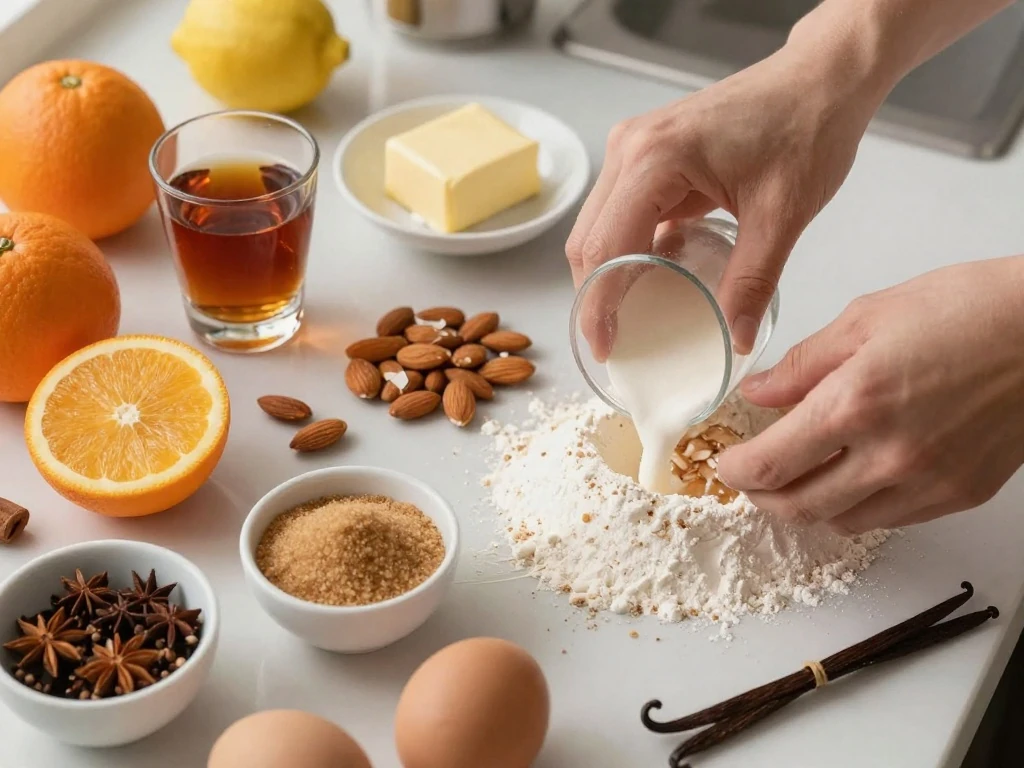
Ingredients You’ll Need
The mixed dried fruit is the heart of this cake. Use a good-quality prepared mixture or combine your preferred raisins, sultanas, currants, chopped dates, cherries, or other dried fruit, provided the total weight is 1 kg.
Brandy perfumes the fruit and helps it remain juicy during baking. The fruit needs to soak overnight with the citrus zest, giving it time to absorb the liquid instead of leaving excess brandy sitting on the surface.
Butter and light soft brown sugar create the rich, gently caramelised base. Four eggs provide structure and moisture, while ground almonds add a soft crumb and flaked almonds bring occasional nutty texture.
Use softened butter so it creams smoothly with the sugar.
Freshly grated orange and lemon zest gives the cake its most fragrant citrus character.
Mixed spice, cinnamon, and a small amount of ground cloves provide classic Christmas warmth.
Apricot jam, marzipan, and fondant are optional but ideal for a traditional decorated finish.
How to Make It Step-by-Step
Step 1: Place the 1 kg of mixed dried fruit in a large bowl. Add the 150 ml brandy, orange zest, and lemon zest, then stir thoroughly so the citrus is distributed through the fruit.
Step 2: Cover the bowl and leave it at room temperature overnight. If convenient, stir the mixture once or twice while it rests so the fruit absorbs the brandy evenly and becomes plump and moist.
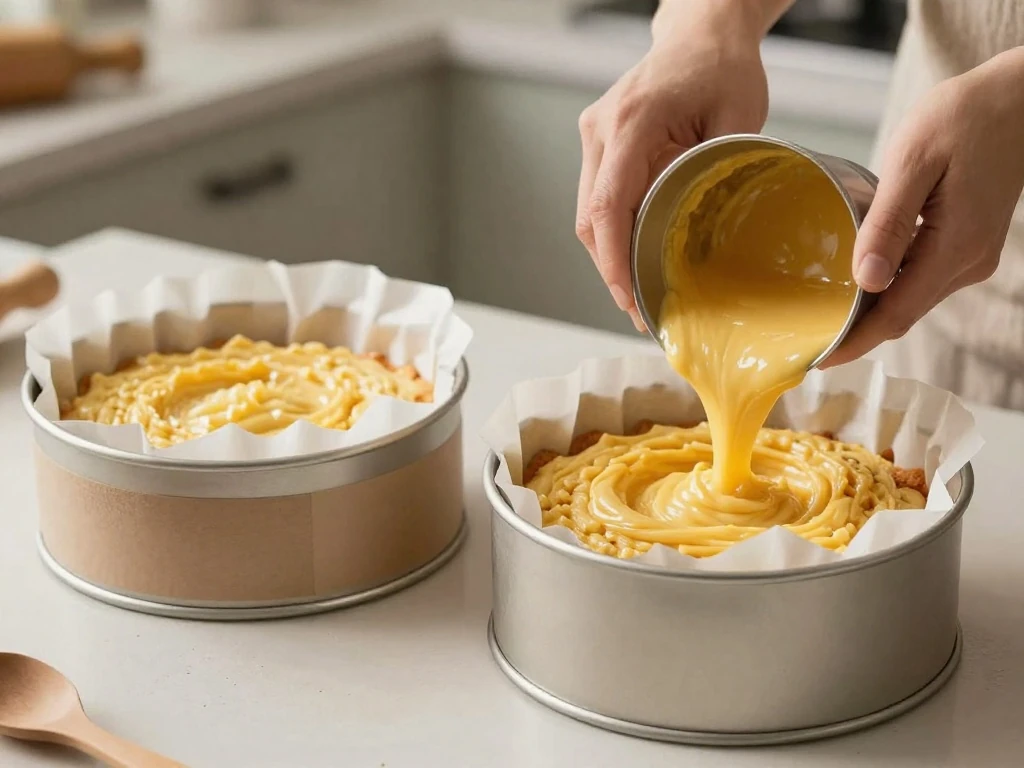
Step 3: The next day, heat the oven to 150°C conventional, 130°C fan, or gas mark 2. Grease a deep 20 cm round cake tin, then line the base and sides with two layers of baking parchment, allowing the paper to rise slightly above the rim.
Step 4: For extra protection during the long bake, wrap a strip of brown paper around the outside of the tin. This is especially helpful for protecting the edges of a deep, dense cake from becoming too dark.
Step 5: Put the softened butter and light soft brown sugar into a large mixing bowl. Beat until the mixture looks lighter, creamy, and well combined, scraping down the sides as needed.
Step 6: Beat in the four eggs one at a time, mixing well after each addition. If the mixture begins to curdle, add a little of the measured flour, then mix in the vanilla extract.
Step 7: Sift the plain flour, baking powder, mixed spice, cinnamon, and ground cloves into a separate bowl. This distributes the raising agent and spices evenly through the dry ingredients.
Step 8: Fold the sifted dry mixture into the butter mixture with the ground almonds and flaked almonds. Use a large spoon or spatula and mix gently until no dry streaks remain, taking care not to overwork the batter.
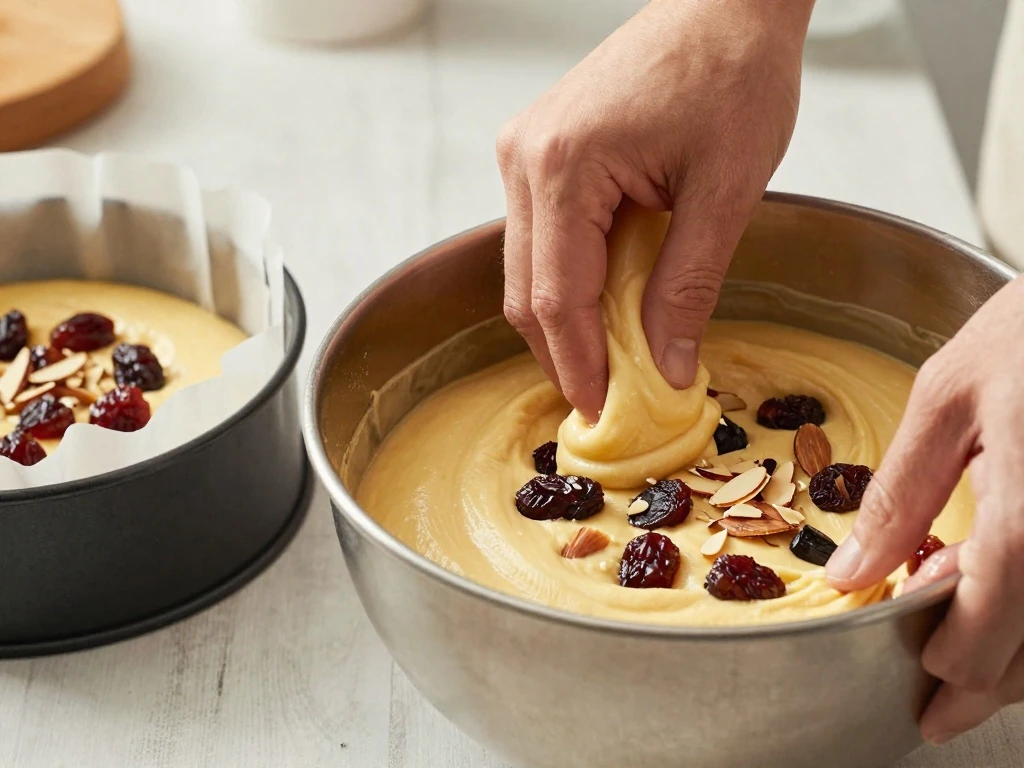
Step 9: Add the soaked dried fruit along with any remaining soaking liquid. Fold patiently until the fruit is spread evenly through the thick batter, with no large pockets gathered at the bottom.
Step 10: Spoon the mixture into the prepared tin and level the top. Make a slight dip in the centre with the back of a spoon, as this helps the cake bake with a flatter surface rather than a pronounced dome.
Step 11: Bake for about 2 hours 15 minutes, then test the centre with a skewer. It should come out clean or with only a few moist crumbs; if wet batter clings to it, bake for another 15–30 minutes and test again.
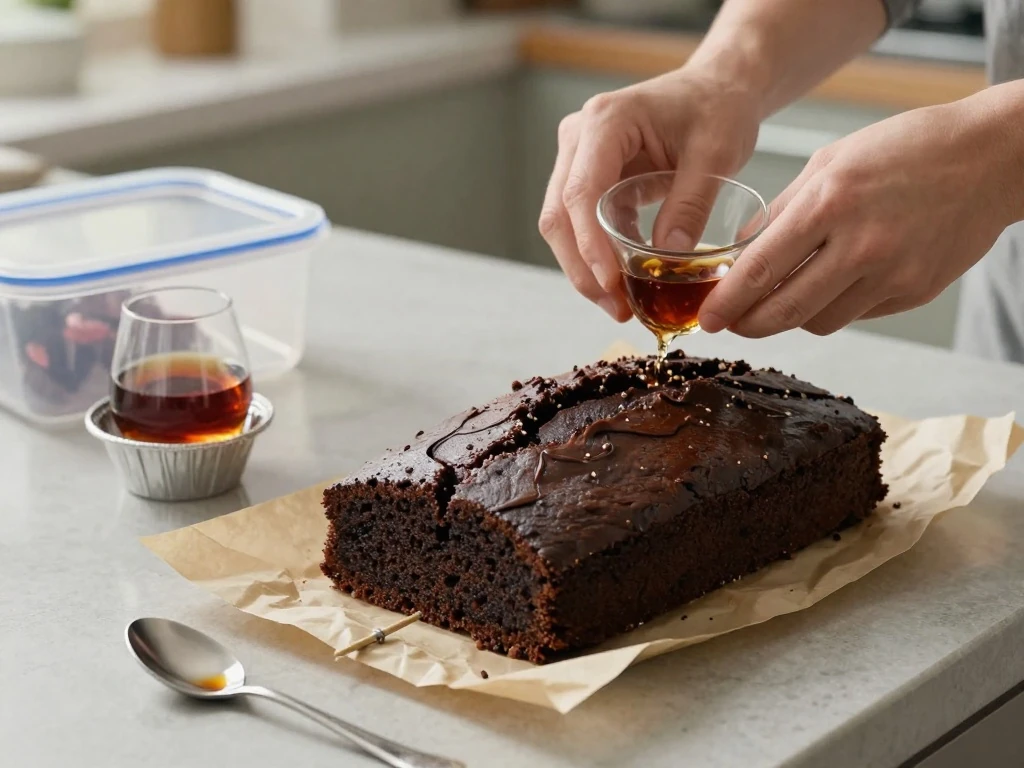
Step 12: Leave the cake to cool completely in the tin before removing it. Once cold, pierce the top with a skewer, spoon over 1–2 tablespoons of brandy, then wrap it tightly in baking parchment and foil for storage.
Pro Tips for the Best Christmas Cake
Choose a tin that is genuinely deep and 20 cm round so the batter has the correct thickness for the stated baking time. A shallow or wider tin can bake more quickly, while a smaller tin may leave the centre undercooked.
Do not rush the fruit soak. Overnight soaking is one of the most useful steps because the fruit absorbs the brandy and stays moist as it bakes, rather than drawing moisture from the cake mixture.
Keep the oven low and resist the temptation to increase the temperature. If the top appears to be colouring too quickly, check that the parchment rises above the rim and make sure the cake is positioned centrally in the oven.
Bring the butter to room temperature before mixing for a smooth creamed base.
Add eggs gradually to reduce the chance of a split batter.
Fold the fruit gently but thoroughly so each slice contains a balanced mixture.
Use the skewer test as the final guide rather than relying only on the clock.
Cool the cake fully before feeding or wrapping it.
Cooling, Feeding, and Storage
Cooling completely in the tin is essential. Wrapping a warm cake traps steam, which can make the surface damp and affect the cake’s keeping quality.
When the cake is cold, pierce the top in several places and spoon over only 1–2 tablespoons of brandy. Wrap it first in baking parchment and then in foil, place it in an airtight container, and store it in a cool, dry place.
Feed the cake with a small amount of brandy every 1–2 weeks for several weeks before Christmas. More is not better here: excess liquid can make the cake wet and prevent it from keeping well.
A traditional version may be baked for 3½–4 hours at a lower temperature, around 140°C, but this recipe follows the shorter 2 hours 15 minutes to 2 hours 30 minutes approach. Whichever baking schedule you use, the centre should be firm and the skewer should come out clean or with only a few moist crumbs.
Traditional Decoration and Serving Ideas
For a classic finish, warm 2–3 tablespoons of apricot jam until loose and brush it over the cold cake. The jam creates a lightly sticky surface for the marzipan to adhere to.
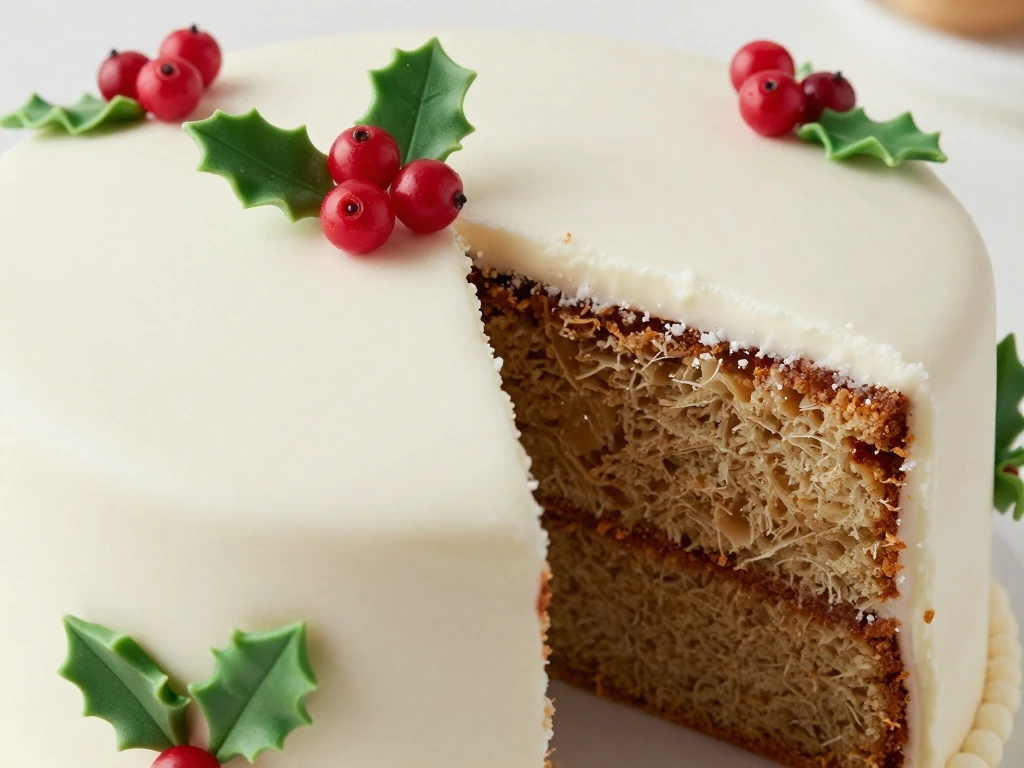
Roll out 500–750 g of marzipan and cover the cake neatly, trimming the base. Allow the marzipan to dry before adding 500–750 g of ready-to-roll fondant icing, then leave the finished cake until the icing is set.
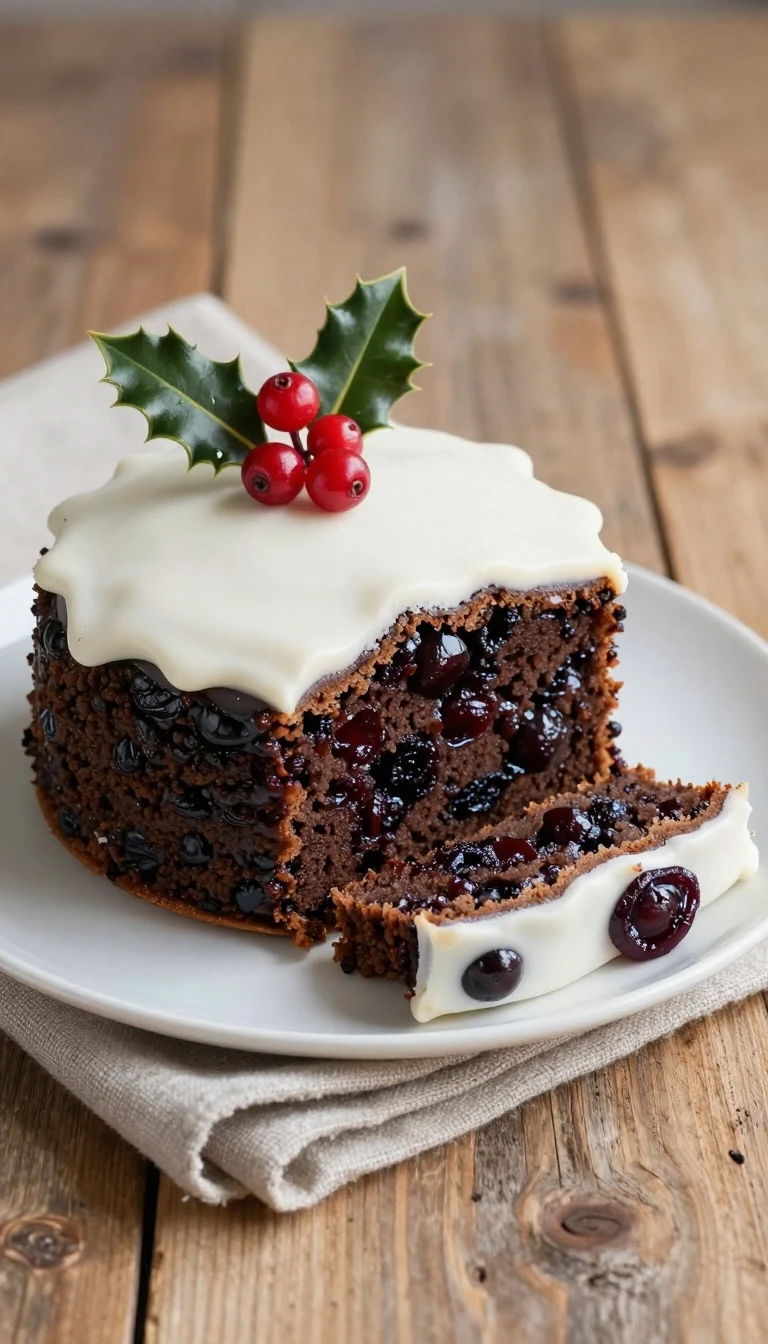
Keep the decoration simple with a smooth white top, a ribbon around the edge, or small holly leaves and berries. To serve, cut thin wedges with a sharp knife and offer the cake alongside tea, coffee, or a festive glass of brandy.
Troubleshooting Common Problems
If the outside is dark but the centre is not cooked, the oven may be running hot or the cake may need more protection around the tin. Cover the top loosely with parchment and continue baking at the stated low temperature until the skewer test is successful.
If the cake seems dry, it may have baked for too long or been stored without enough protection. The next time, begin testing at 2 hours 15 minutes, and always wrap the completely cooled cake tightly before storing.
If the cake is wet, check that the fruit was not excessively liquid and that it was baked until the centre was firm. Keep future brandy feedings to 1–2 tablespoons and allow the cake time to absorb each feeding before adding more.
Classic Christmas Cake
A traditional British rich fruit cake made with overnight brandy-soaked dried fruit, citrus zest, almonds, and festive spices. The cake keeps beautifully when wrapped, stored airtight, and fed sparingly with brandy before Christmas.
Soak the mixed dried fruit with brandy, orange zest, and lemon zest overnight at room temperature.
Heat the oven to 150°C conventional, 130°C fan, or gas mark 2. Grease and double-line a deep 20 cm round cake tin.
Cream the butter and brown sugar, then beat in the eggs one at a time with the vanilla.
Sift the flour, baking powder, and spices, then fold them into the butter mixture with the ground and flaked almonds.
Fold in the soaked fruit and any remaining soaking liquid, transfer the batter to the tin, and make a shallow dip in the centre.
Bake for about 2 hours 15 minutes, testing with a skewer, and continue for another 15–30 minutes if needed.
Cool completely in the tin, pierce the top, and spoon over 1–2 tablespoons of brandy.
Wrap the cake in baking parchment and foil, store it airtight, and feed it with small amounts of brandy every 1–2 weeks.
Notes
The cake is ready when the centre is firm and a skewer comes out clean or with only a few moist crumbs. Feed sparingly because excess brandy can make the cake wet and reduce its keeping quality. For the traditional finish, brush with warmed apricot jam, cover with marzipan, allow it to dry, and then cover with fondant icing.
Final Thoughts
This classic Christmas cake rewards patience at every stage, from the overnight fruit soak to the slow, gentle bake and careful feeding. The result is a beautifully fragrant fruit cake with a moist crumb, tender fruit, warm spice, and the unmistakable character of a traditional British Christmas.
Prepare it several weeks ahead, store it carefully, and decorate it just before the holiday. Whether you choose a simple dusting of icing sugar or the full apricot jam, marzipan, and fondant finish, each slice makes a memorable festive treat.