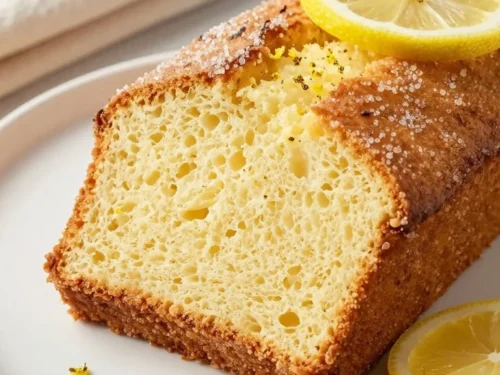
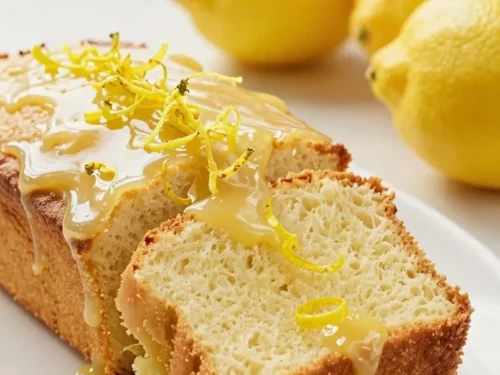
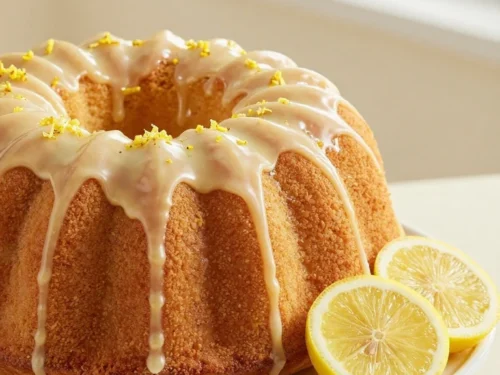
This is the best lemon cake recipe for a tender, two-layer 8-inch cake with fresh lemon zest, lemon juice, and a simple lemon buttercream. The cake takes about 25–35 minutes to prepare, 22–28 minutes to bake, and yields 10–12 servings with wonderfully moist layers and a clean citrus flavor.
Every bite has a soft, fine crumb, buttery richness, and the sunny taste of freshly squeezed lemons. An optional lemon syrup adds extra moisture and brightness, while the creamy buttercream balances the cake with just the right amount of sweetness.
Jump to RecipeWhy You’ll Love This Recipe
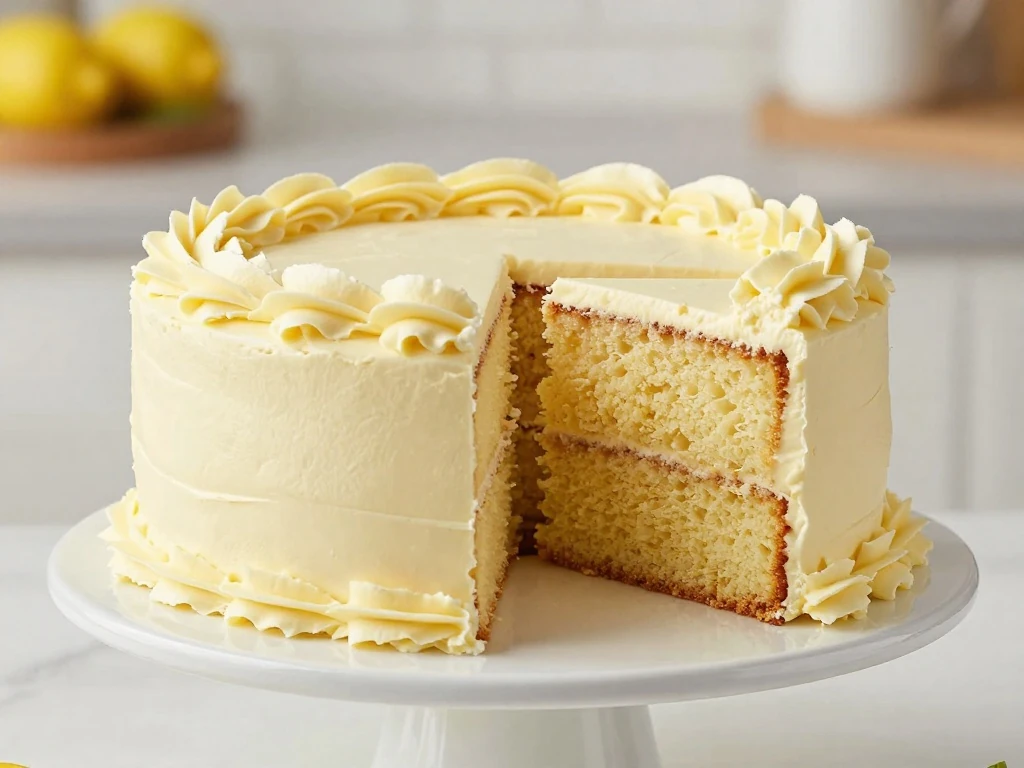
This lemon cake is bright enough for spring celebrations but comforting enough for an ordinary weekend dessert. The combination of creamed butter, lemon-scented sugar, buttermilk, and fresh juice creates a delicate crumb that stays soft without becoming heavy.
The lemon flavor comes from both zest and juice. Zest supplies fragrant citrus oils, while juice brings the crisp acidity that keeps the cake from tasting overly sweet.
The optional syrup is especially useful when you want a deeply lemony cake with extra moisture. For another fruit-forward dessert idea, you can also try this apple cake when you are in the mood for warm spices and tender fruit.
Ingredients You’ll Need
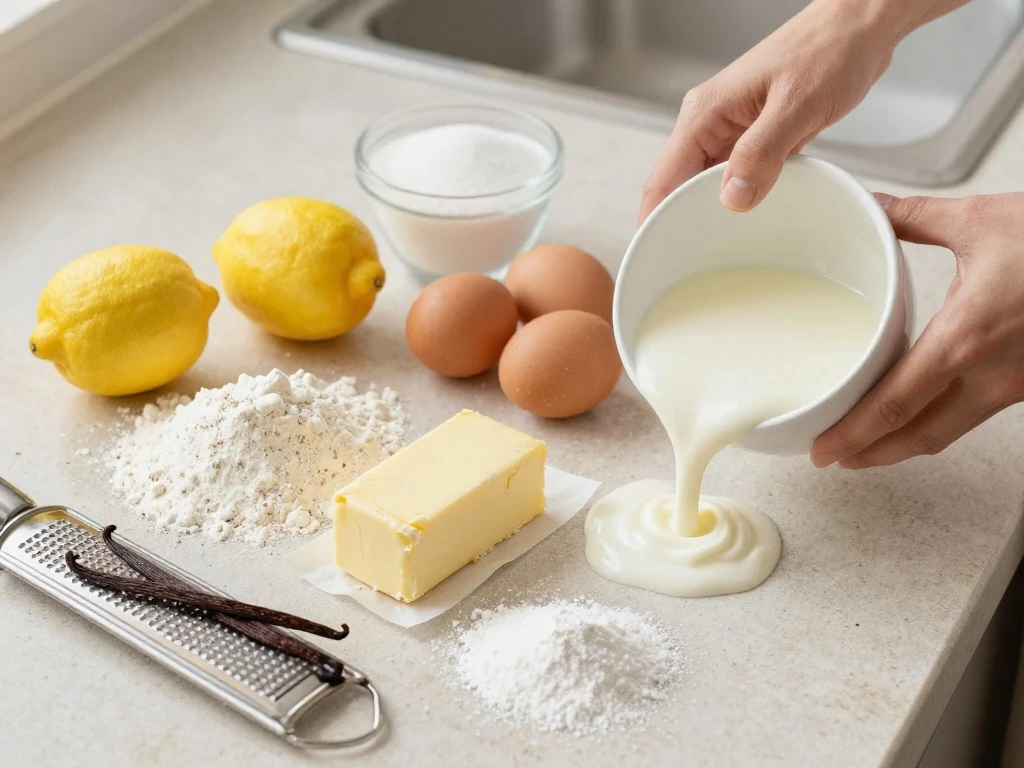
Gather all ingredients before mixing, and let the butter, eggs, and buttermilk come to room temperature. Ingredients at similar temperatures blend more evenly, helping the batter bake into a fine, level crumb.
- Flour: All-purpose flour gives the cake enough structure while keeping the texture tender.
- Leavening: Baking powder helps the layers rise evenly in the pans.
- Butter and sugar: Creaming them together creates tiny air pockets for a light texture.
- Lemons: Use the finely grated zest of two large lemons and fresh juice for the cake, syrup, and frosting.
- Buttermilk: Its gentle tang complements the lemon and keeps the crumb soft.
- Buttercream: Confectioners’ sugar, butter, lemon juice, zest, and a little cream make a smooth, spreadable finish.
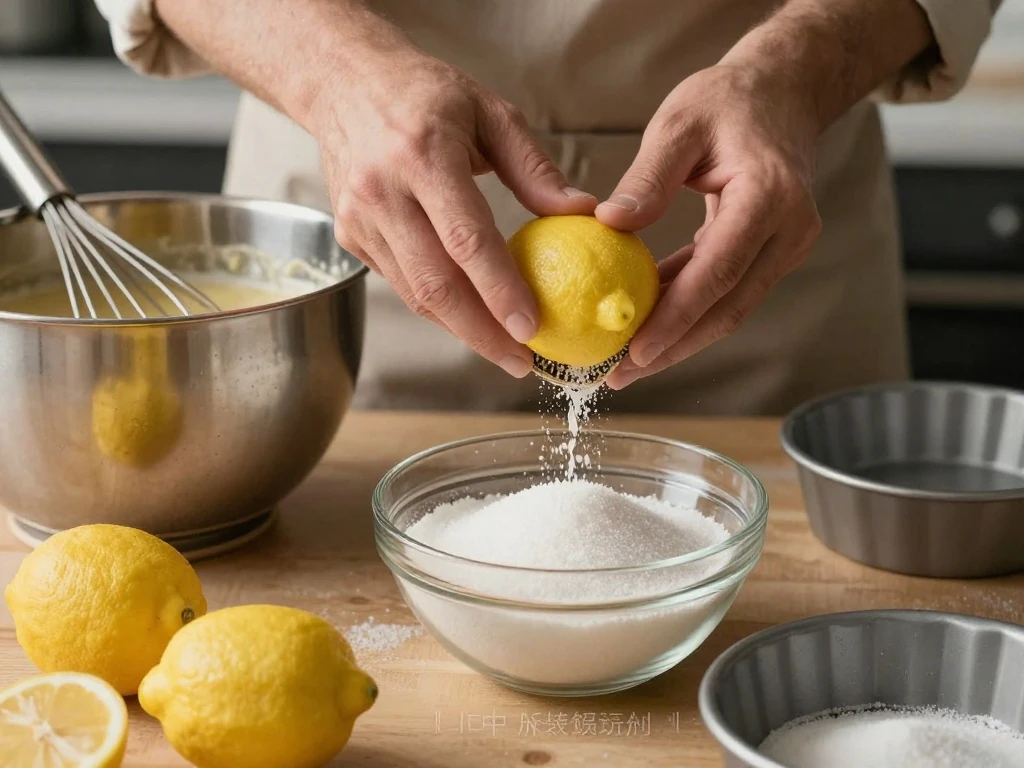
Choose lemons with firm, brightly colored skins. Wash and dry them before zesting, and zest only the yellow outer layer because the white pith underneath can taste bitter.
How to Make It Step-by-Step
Step 1: Heat the oven to 350°F (175°C), then grease two 8-inch round cake pans and line the bottoms with parchment. The parchment makes it much easier to release the layers cleanly after cooling.
Step 2: Whisk together the flour, baking powder, and fine salt in a bowl. Breaking up any lumps now means you will not need to overmix the finished batter later.
Step 3: Add the lemon zest to the granulated sugar and rub them together with your fingers. Continue for a minute or so, until the sugar is fragrant and lightly damp from the released lemon oils.
Step 4: Beat the softened butter with the lemon-scented sugar for 3–4 minutes, until pale and fluffy. This creaming stage is important because it gives the cake its airy, tender texture.
Step 5: Beat in the eggs one at a time, scraping the bowl if needed, and then add the vanilla. If the mixture looks slightly curdled, do not worry; it will come together when the flour is added.
Step 6: Add the dry ingredients in three additions, alternating with the buttermilk. Mix briefly after each addition, and stir in the lemon juice last just until no dry streaks remain.
Step 7: Divide the batter evenly between the prepared pans and smooth the tops with a spatula. Even portions help both layers finish baking at the same time and make assembly easier.
Step 8: Bake for 22–28 minutes, checking near the shorter end of the range. The cakes are ready when the centers spring back lightly and a toothpick comes out clean or with a few moist crumbs.
Step 9: Cool the cakes in their pans for about 10 minutes before turning them onto wire racks. Let them cool completely, since warm layers can tear or cause the buttercream to slide.
Step 10: If using the syrup, heat the lemon juice and sugar until the sugar dissolves, then brush or spoon it over the cooled layers. Give the syrup a few minutes to soak in before frosting.
Step 11: Beat the butter for the frosting until smooth, then gradually beat in the sifted confectioners’ sugar. Add the lemon juice, zest, salt, and enough cream or milk to make the buttercream soft enough to spread.
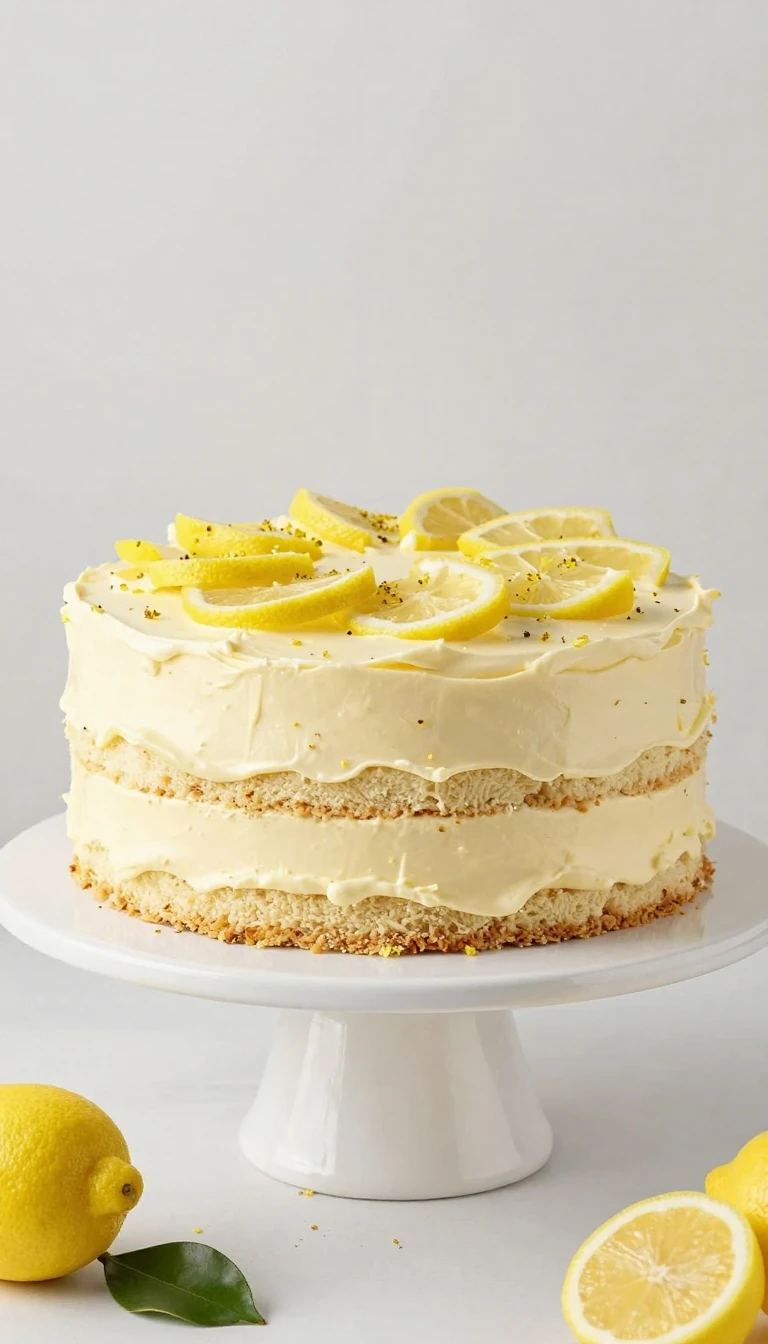
Step 12: Set one layer on a serving plate, spread it with buttercream, and place the second layer on top. Frost the top and sides, creating a smooth finish or attractive swoops with a small spatula.
Pro Tips for a Tender Lemon Cake
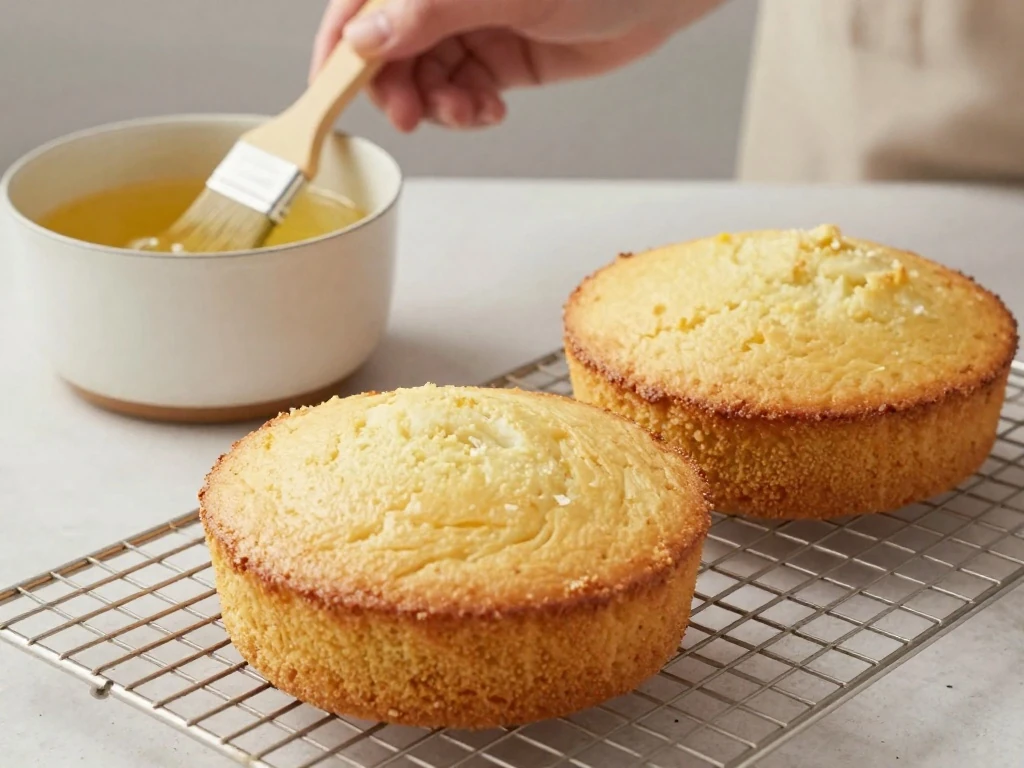
Freshly squeezed lemon juice makes a noticeable difference. Bottled juice can taste flatter, while fresh zest provides aromatic oils that cannot be replaced by juice alone.
Measure the flour carefully by weighing it when possible. If measuring with cups, spoon the flour into the cup and level it rather than scooping directly from the bag, which can pack in too much.
Do not continue beating once the flour has been incorporated. Overmixing develops gluten and can make the finished layers dense instead of soft.
- Use a fine grater or microplane for delicate zest.
- Rotate the pans halfway through baking if your oven has hot spots.
- Cool the layers completely before brushing with syrup and frosting.
- Sift the confectioners’ sugar for a smoother buttercream.
- For a sharper citrus center, spread lemon curd between the layers before adding the buttercream.
If you enjoy buttery cakes with a simple finish, our favorite pound cake recipe is another excellent dessert to keep in your baking collection.
Serving and Decorating Ideas
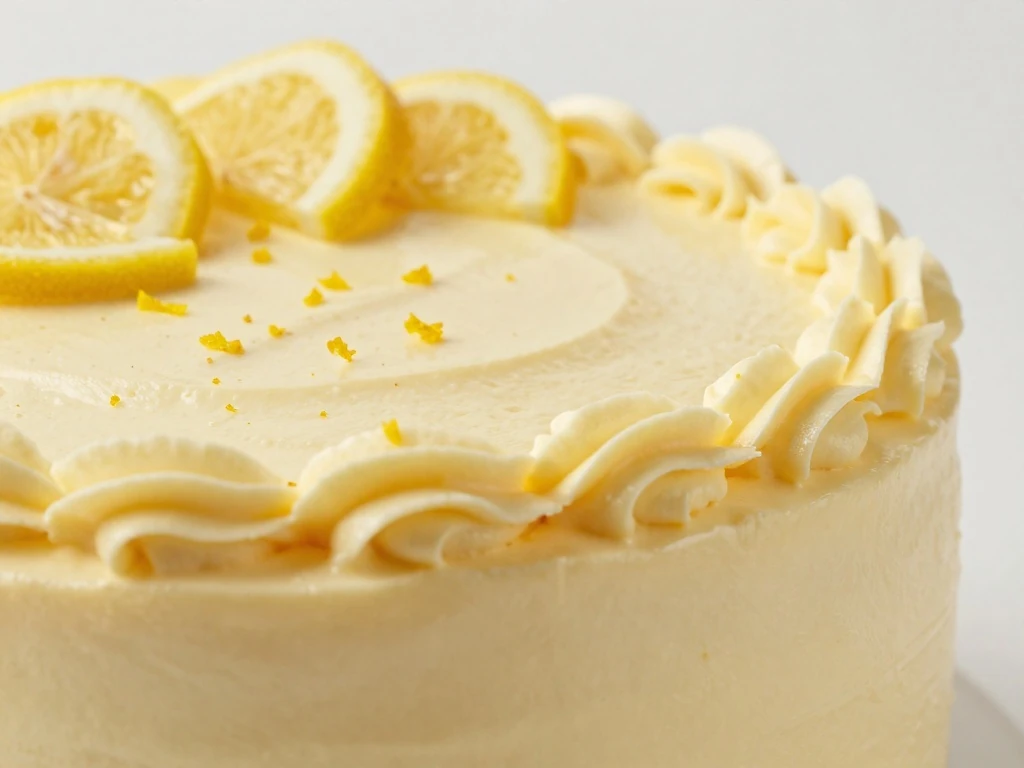
Serve slices at room temperature so the buttercream is soft and the lemon aroma is most noticeable. A small curl of lemon zest, thin lemon slices, or a scattering of finely grated zest gives the cake a polished finish without requiring complicated decoration.
For a lighter look, frost the cake with a thin coat of buttercream and leave a few golden crumbs visible along the sides. You can also pipe small rosettes around the top edge, then finish each one with a little lemon zest.
This cake is lovely with tea, coffee, or a spoonful of softly whipped cream. Fresh berries make a colorful accompaniment and add a juicy contrast to the buttery crumb.
Storage and Make-Ahead Advice
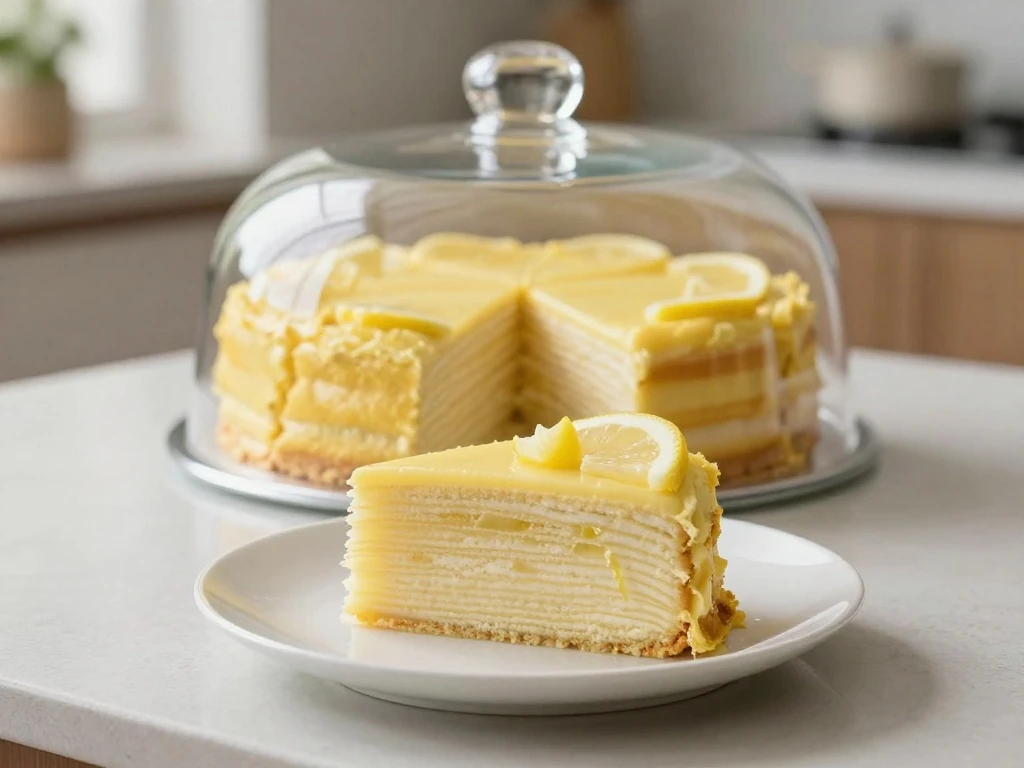
Keep the assembled cake covered so the cut edges do not dry out. It can be held at room temperature for a short serving period, but refrigerate it for longer storage because the buttercream contains dairy.
If refrigerated, let the cake sit at room temperature before serving so the frosting softens and the crumb becomes tender again. For the neatest slices, use a sharp knife and wipe the blade between cuts.
The cake layers can also be baked ahead, cooled completely, wrapped well, and held until you are ready to assemble. Prepare the buttercream close to serving time for the smoothest texture.
Best Lemon Cake Recipe
Ingredients
Method
- Heat the oven to 350°F (175°C). Grease two 8-inch round cake pans and line the bottoms with parchment paper.
- Whisk the flour, baking powder, and salt together in a medium bowl. Set the dry ingredients aside while you prepare the lemon-scented sugar.
- Rub the finely grated lemon zest into the granulated sugar with your fingertips until the sugar feels slightly moist and smells intensely citrusy. This releases the natural lemon oils and gives the cake a stronger flavor.
- Beat the softened butter and lemon-scented sugar for 3–4 minutes, until pale and fluffy. Add the eggs one at a time, beating well after each addition, then mix in the vanilla extract.
- Add the dry ingredients in three additions, alternating with the room-temperature buttermilk. Mix only until the batter is combined, then stir in the lemon juice at the end without overmixing.
- Divide the batter evenly between the prepared pans and smooth the tops. Bake for 22–28 minutes, until the centers spring back lightly and a toothpick comes out clean or with a few moist crumbs.
- Let the cakes cool in their pans for about 10 minutes, then turn them onto wire racks. Cool completely before adding syrup or frosting so the buttercream does not melt.
- For the optional syrup, heat the lemon juice and sugar in a small saucepan until the sugar dissolves. Brush or spoon the warm syrup over the cooled cake layers and allow it to absorb.
- For the buttercream, beat the softened butter until smooth. Gradually add the sifted confectioners’ sugar, then beat in the lemon juice, zest, salt, and enough cream or milk to create a smooth, spreadable consistency.
- Place one cake layer on a serving plate and spread it with frosting. Add the second layer, then frost the top and sides before slicing and serving.
Notes
Final Thoughts
This best lemon cake recipe delivers everything a citrus dessert should: a soft buttery crumb, fresh lemon fragrance, balanced sweetness, and a creamy lemon finish. The lemon syrup is optional, but it is worth making when you want the flavor to reach every part of the cake.
Take your time with the creaming stage, avoid overmixing, and use room-temperature ingredients for the most reliable result. When you are ready to bake, gather two large lemons and let this bright, beautiful layer cake become the centerpiece of your dessert table.
For an extra-tender variation with a soaked texture, you can also see this lemon poke cake. It offers another delicious way to make lemon the star of the dessert.