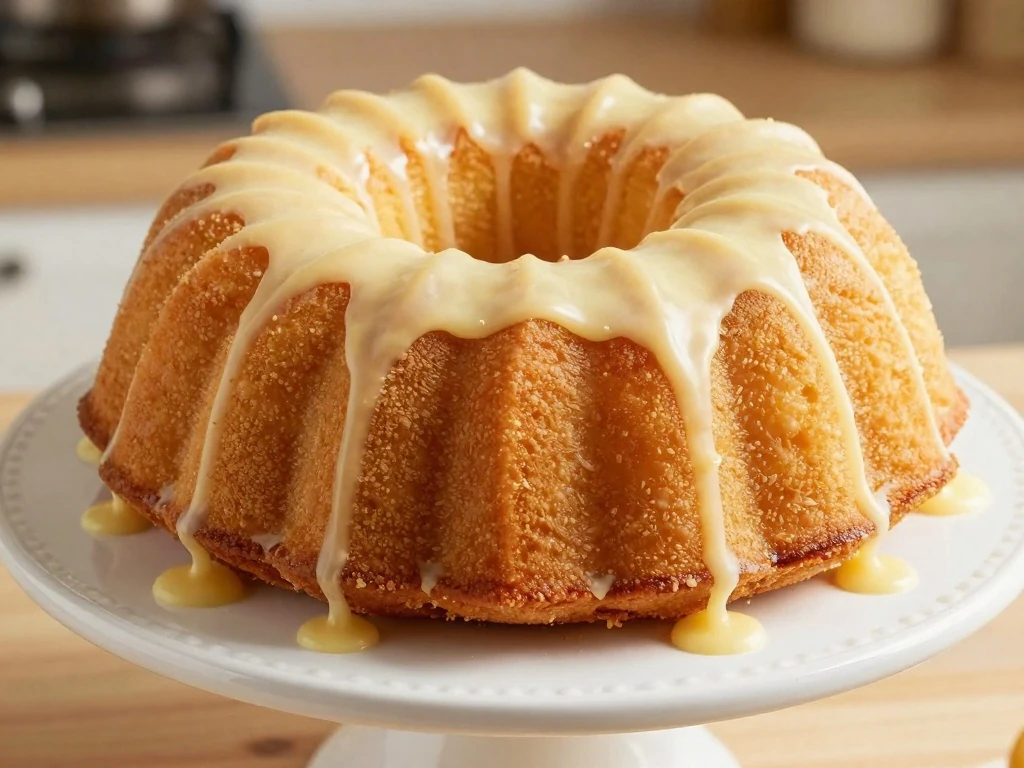
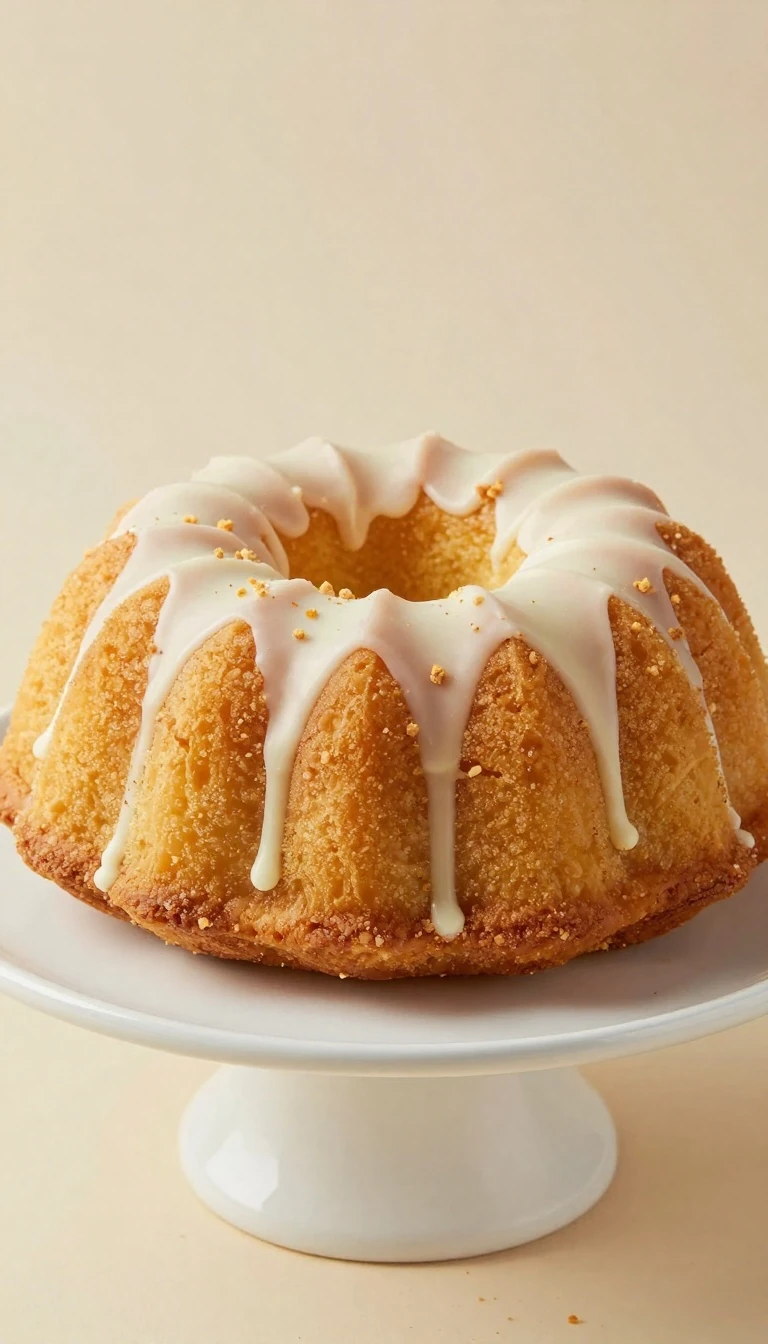
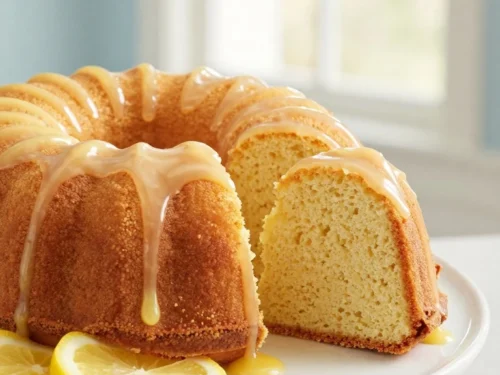
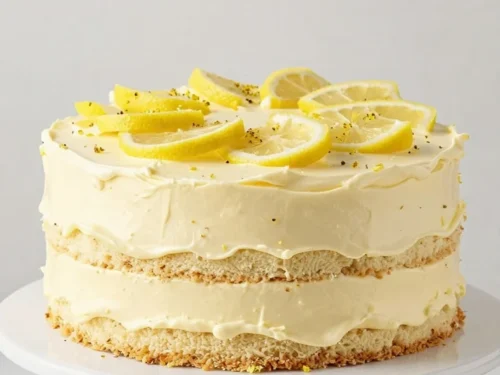
This easy sour cream cake recipe makes a moist, buttery Bundt cake with a fine, tender crumb and a lightly golden crust. Made with simple pantry ingredients, it takes about 15–20 minutes to prepare and bakes at 325°F (165°C) for 50–60 minutes, yielding 10–12 generous servings.
Sour cream gives the cake its rich texture without making it heavy, while vanilla adds a classic bakery-style aroma. Serve it plain with coffee, dust it with powdered sugar, or finish it with the optional milk or lemon glaze for a pretty dessert that works for brunch, holidays, birthdays, and relaxed family dinners.
This sour cream cake is the kind of dependable dessert every home baker needs. The ingredient list is straightforward, the mixing method is simple, and the finished cake looks special because a Bundt pan creates a naturally decorative shape.
The texture is the real star. Butter provides a rich flavor, sugar helps create a delicate crust, and full-fat sour cream keeps the interior moist and fine without adding a strong tang.
Baking at 325°F instead of 350°F gives the dense batter enough time to cook through while helping the outside avoid becoming too dark. The center tube of a Bundt or tube pan also allows heat to reach the middle more effectively.
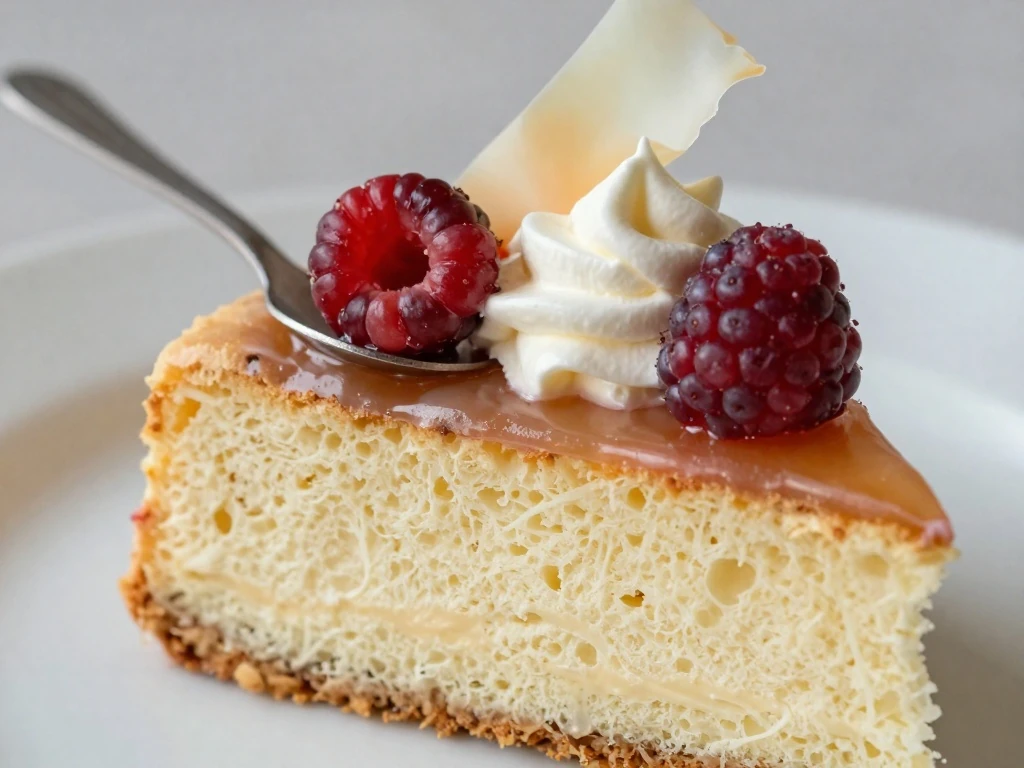
This cake is flexible enough for many occasions. Keep it plain for an everyday afternoon treat, add a simple glaze for guests, or serve slices with berries and softly whipped cream when you want a more complete dessert.
Ingredients You’ll Need
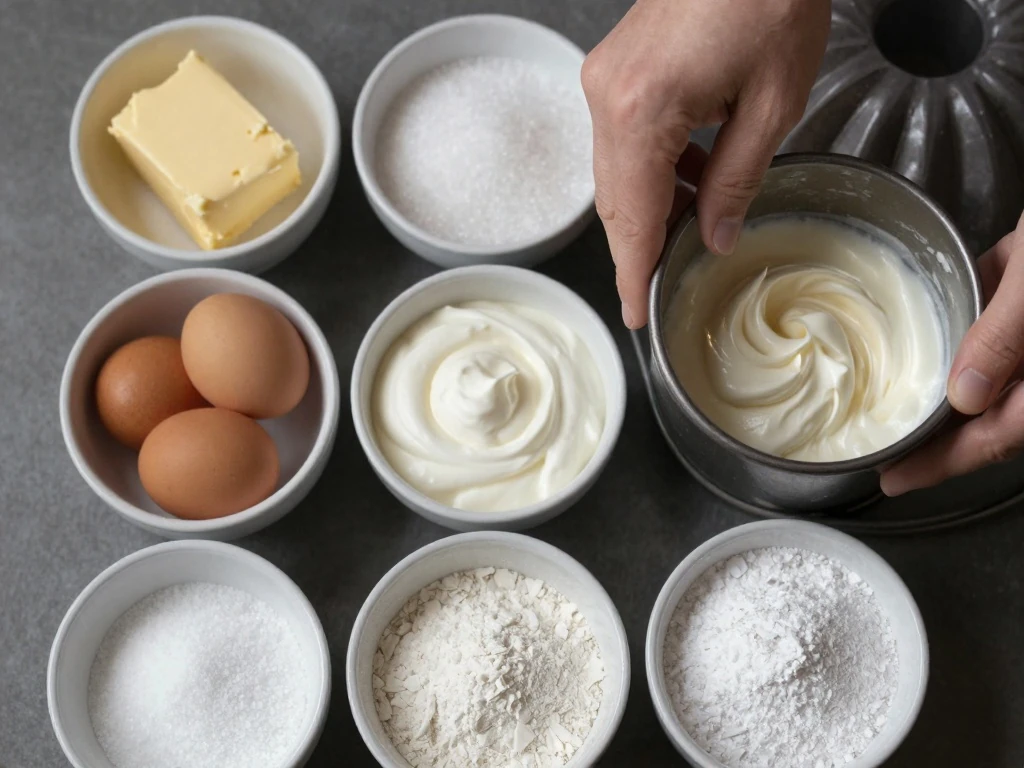
Each ingredient has a useful role in creating the cake’s soft crumb and balanced flavor. For the most reliable result, measure carefully and prepare all the ingredients before you begin mixing.
Unsalted butter: Use 1 cup (226 g), softened. Unsalted butter lets you control the salt in the recipe and gives the cake its rich, buttery base.
Granulated sugar: Two cups (400 g) sweeten the cake and help the butter whip into a light, fluffy mixture.
Eggs: Four large eggs at room temperature help bind the batter and support an even rise.
Full-fat sour cream: One cup (240 g) brings moisture, richness, and a fine, tender crumb. Full-fat sour cream is the best choice for the intended texture.
Vanilla extract: Two teaspoons round out the buttery flavor with a warm, fragrant note.
Dry ingredients: Three cups (360 g) all-purpose flour, 1 teaspoon baking soda, 1/2 teaspoon baking powder, and 1/2 teaspoon fine salt provide the structure, lift, and seasoning.
For the optional glaze, combine 1 cup (120 g) powdered sugar with 1–2 tablespoons milk or lemon juice and 1/2 teaspoon vanilla extract. Milk makes a mellow vanilla glaze, while lemon juice adds a bright contrast to the rich cake.
If you enjoy simple homemade cakes with a little extra character, you may also like this coconut cake idea for another easy dessert to keep in your baking rotation.
How to Make It Step-by-Step
Step 1: Heat the oven to 325°F (165°C). Grease and flour a 10-inch Bundt pan or tube pan thoroughly, paying special attention to the center tube and every decorative groove.
Coat the pan immediately before adding the batter so the butter or baking spray remains effective. A baking spray containing flour is also a convenient option, especially for a deeply patterned Bundt pan.
Step 2: In a medium bowl, whisk together the flour, baking soda, baking powder, and fine salt. This quick step distributes the leavening throughout the flour and prevents pockets of baking soda or salt in the finished cake.
Set the bowl aside while you prepare the butter mixture. Keeping the dry ingredients ready makes the alternating additions easier and helps prevent unnecessary mixing later.
Step 3: Place the softened butter and sugar in a large mixing bowl and beat for about 3–5 minutes. The mixture should become noticeably paler and fluffy, which helps give the cake a lighter texture.
Add the room-temperature eggs one at a time, beating well after each addition. Mix in the vanilla extract once the eggs are incorporated, scraping down the sides of the bowl if needed.
Step 4: Add the dry ingredients in three additions, alternating them with the sour cream in two additions. A useful order is dry ingredients, half the sour cream, dry ingredients, the remaining sour cream, and the final dry ingredients.
Mix only until you no longer see streaks of flour. Do not overmix, because excessive stirring can develop the flour and make the tender cake more dense.
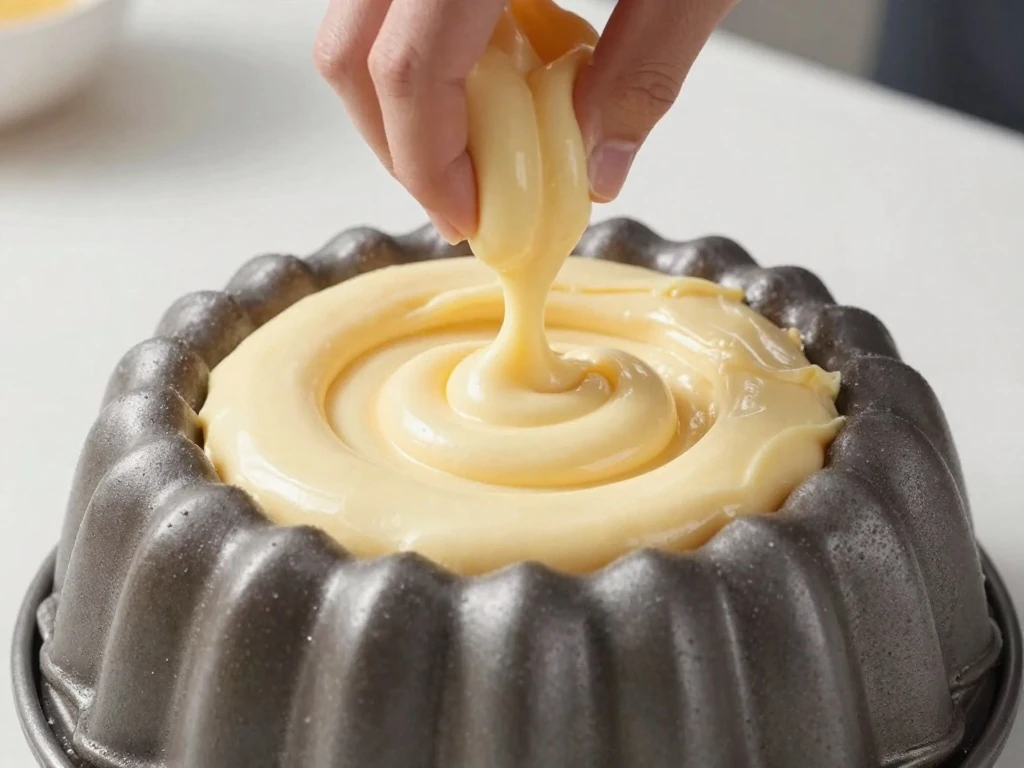
Step 5: Transfer the batter to the prepared Bundt pan and smooth the surface with a spatula. The batter will be fairly thick, so gently spread it into the grooves and around the center tube rather than pouring it into one spot.
Give the pan a light tap on the counter if you see large air pockets, but avoid knocking out all the air created during creaming. Place the pan in the center of the preheated oven.
Step 6: Bake for 50–60 minutes, checking near the end of the baking window. The cake is ready when a toothpick inserted into the thickest part comes out clean or with only a few moist crumbs.
Because ovens vary, use the toothpick test as your main guide rather than relying only on the clock. The surface should look golden and set, while the center should no longer appear wet or loose.
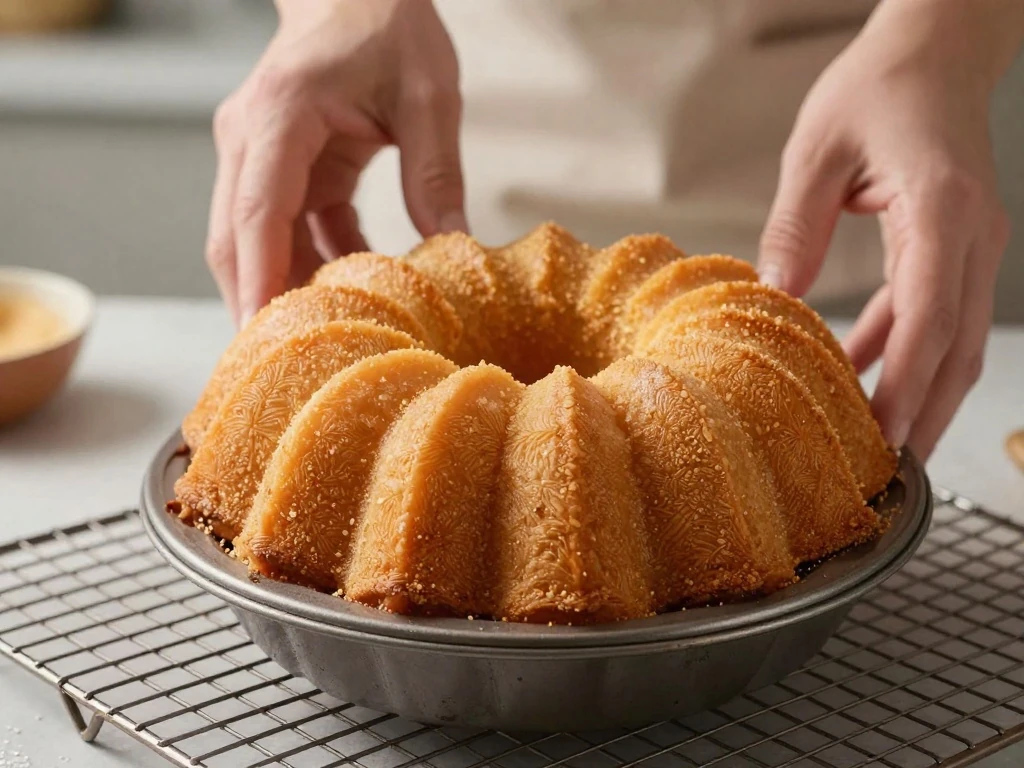
Step 7: Let the cake cool in the pan for 10–15 minutes. Then place a cooling rack over the pan, carefully invert the cake, and lift the pan away.
Cooling briefly allows the cake to firm up, but unmolding while it is still warm helps prevent sticking. Let the cake cool completely on the rack before adding glaze so the icing stays visible instead of melting into the crust.
Step 8: To make the optional glaze, whisk the powdered sugar, milk or lemon juice, and vanilla in a small bowl. Start with 1 tablespoon of liquid and add the second tablespoon gradually until the glaze reaches a thick but pourable consistency.
Drizzle it over the completely cooled cake, allowing a few ribbons to run down the sides. Let the glaze sit for several minutes before slicing for a cleaner presentation.
Pro Tips for a Tender Bundt Cake
Room-temperature ingredients are one of the easiest ways to improve the batter. Soft butter creams more smoothly with the sugar, and room-temperature eggs and sour cream blend into that mixture without causing it to seize or become lumpy.
Do not soften butter by melting it. The butter should be pliable when pressed, but it should still hold its shape; melted butter cannot trap air during the creaming stage in the same way.
Prepare the Bundt pan carefully and immediately before filling it. Brush softened butter into the grooves, dust with flour, and tap out the excess, or use a flour-based baking spray for full coverage.
Do not open the oven repeatedly during baking. Each opening can release heat, so wait until the cake is close to the 50-minute mark before checking it unless you know your oven runs hot.
Let the cake cool only 10–15 minutes in the pan before turning it out. If it cools completely in the pan, the sugars and moisture can make the crust cling more firmly to the sides.
For a neat glaze, place the cooled cake on a rack set over a sheet of parchment or a baking tray. This catches drips and makes cleanup easier while allowing the glaze to fall naturally over the ridges.
Serving Ideas and Variations
A plain slice of sour cream cake is delicious with coffee, tea, or a glass of cold milk. The buttery crumb is flavorful enough to stand alone, so you do not need frosting or elaborate decoration.
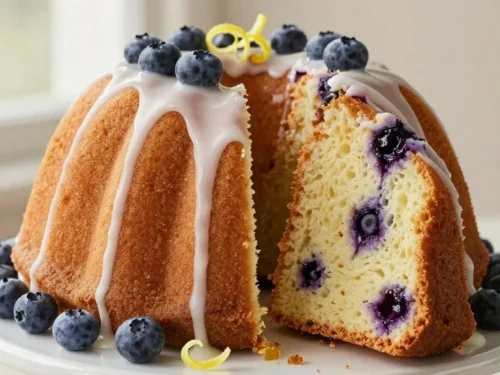
For a fresh finish, serve each slice with strawberries, raspberries, or blueberries. A spoonful of lightly sweetened whipped cream adds softness without covering up the vanilla and sour cream flavor.
The optional glaze can be adjusted to match the occasion. Use milk for a creamy vanilla finish, or use lemon juice for a sharper drizzle that cuts through the cake’s richness.
This recipe is also a useful starting point when you want to explore other easy celebration cakes. For a playful way to use leftover cake, take a look at these easy cake ball ideas.
For a fruit-forward dessert table, our simple fruit cake recipe offers a different style while keeping the preparation approachable.
Storage and Make-Ahead Advice
Once completely cool, cover the cake tightly or place it in an airtight cake container. It can be kept at room temperature for up to 2 days, which makes it convenient for preparing ahead of a brunch or gathering.
For longer storage, refrigerate the covered cake. Bring slices toward room temperature before serving so the butter-based crumb softens and the flavor becomes more pronounced.
You can glaze the cake shortly before serving for the freshest appearance. If you store it after glazing, make sure the icing has set before covering it so the glaze does not smear against the lid.
When planning ahead, bake the cake, cool it completely, and store it well covered. Add the glaze on the day you plan to serve it for a clean, glossy finish and the best presentation.
Easy Sour Cream Cake
A moist, buttery sour cream Bundt cake with a fine crumb and classic vanilla flavor. Add the optional glaze for a simple, beautiful finish.
Heat the oven to 325°F (165°C). Grease and flour a 10-inch Bundt pan or tube pan thoroughly, making sure to coat every groove, or use baking spray that contains flour.
Whisk the all-purpose flour, baking soda, baking powder, and fine salt together in a medium bowl so the leavening and salt are evenly distributed.
Beat the softened butter and granulated sugar for 3–5 minutes, until the mixture is pale and fluffy. Add the room-temperature eggs one at a time, beating well after each addition, then mix in the vanilla.
Add the dry ingredients in three additions, alternating with the sour cream in two additions. Mix only until the batter is combined, because overmixing can make the cake less tender.
Transfer the batter to the prepared pan and smooth the top. Bake for 50–60 minutes, until a toothpick inserted into the thickest part comes out clean or with only a few moist crumbs.
Cool the cake in the pan for 10–15 minutes, then invert it onto a rack and cool completely. If desired, whisk the powdered sugar, milk or lemon juice, and vanilla together, then drizzle the glaze over the cooled cake.
Notes
Room-temperature ingredients help create a smooth batter and even rise. Grease every groove immediately before adding the batter, and unmold the cake while it is still warm rather than waiting until it is completely cold. Store covered at room temperature for up to 2 days or refrigerate for longer storage.
Final Thoughts
This easy sour cream cake is a classic for good reason: it uses familiar ingredients to create a rich, moist cake with a remarkably tender crumb. The Bundt pan gives it a beautiful shape, while the lower oven temperature helps the center bake properly without an overly dark exterior.
Take your time with the butter and sugar, use room-temperature ingredients, and grease every groove of the pan. Those small details make the difference between a cake that is merely good and one that releases neatly, slices beautifully, and stays moist from the first serving to the last.
Whether you leave it plain, add the vanilla glaze, or serve it with berries and whipped cream, this cake belongs in your collection of dependable easy desserts. Bake it for a special occasion or simply enjoy a slice with coffee on a quiet afternoon.