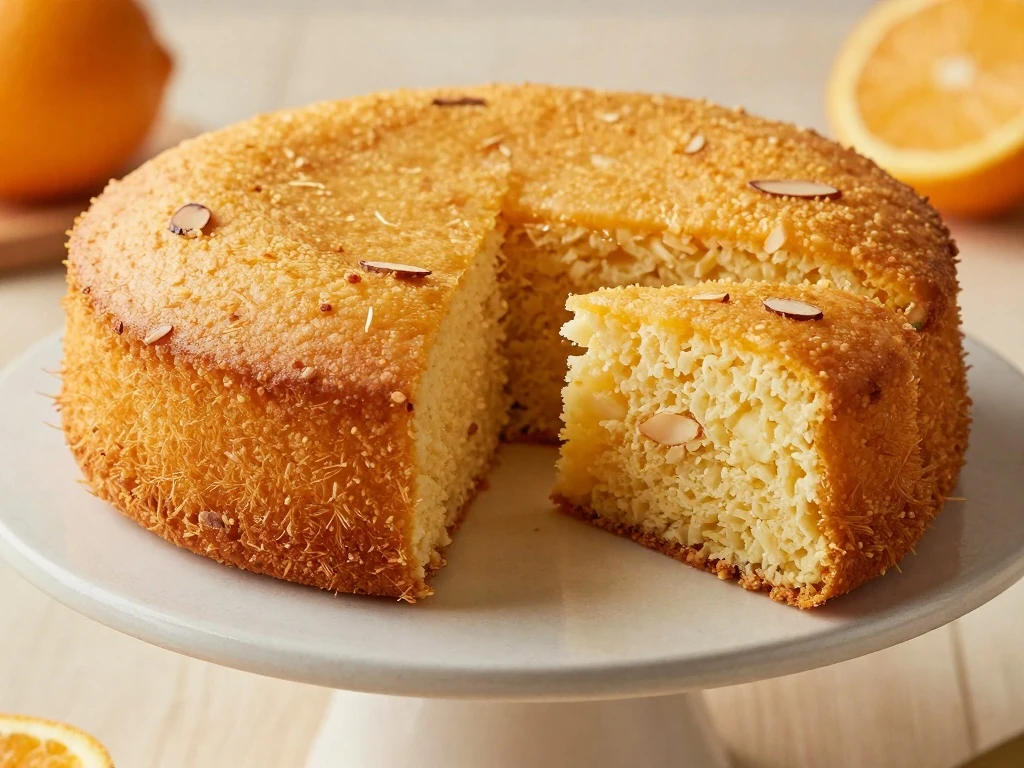
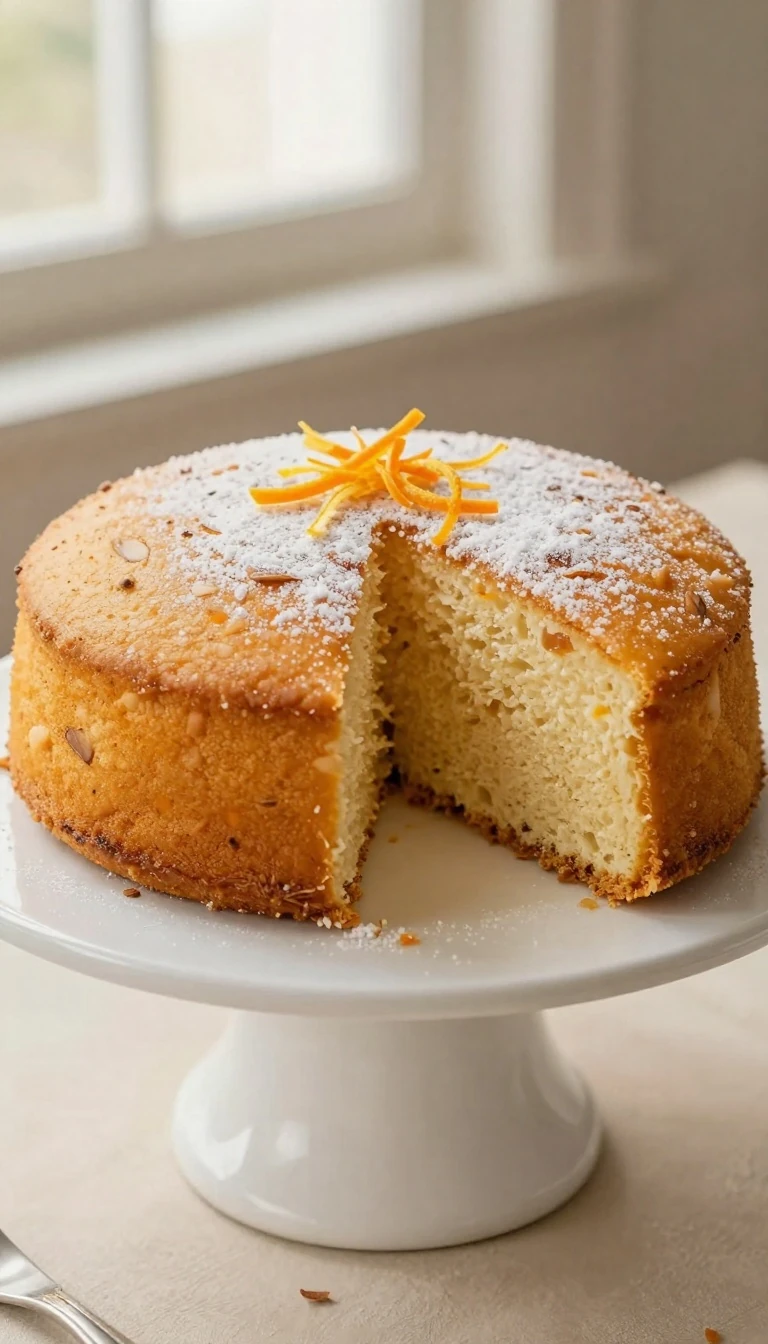
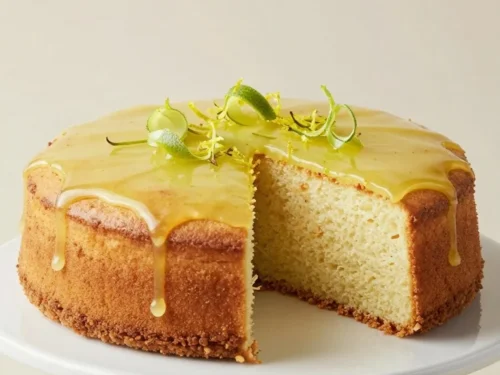
This moist orange cake recipe is a rich, flourless dessert made with whole boiled oranges, almond meal, caster sugar, and eggs. The oranges are simmered until completely soft, puréed with their peel and pulp, then mixed into the batter and baked at 160°C fan, 175°C conventional, or 350°F for 55–70 minutes.
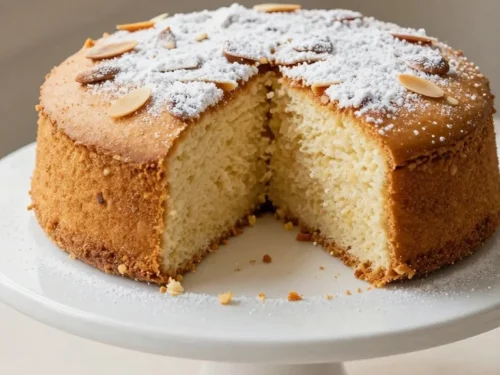
The result is a dense but tender almond cake with an intensely fresh orange flavor and a wonderfully moist crumb. A gentle bitterness from the peel keeps the cake from tasting overly sweet, while a final dusting of icing sugar makes it beautiful enough for afternoon tea, birthdays, or a relaxed dinner party.
This is the kind of orange cake that makes a memorable first bite. It is not a light, airy sponge; instead, whole citrus and almond meal create a moist, substantial crumb that feels luxurious without requiring wheat flour.
Using the entire orange gives the cake a deep, natural citrus flavor that orange juice or zest alone cannot provide. Simmering softens the peel, removes its harsh toughness, and allows its fragrant oils to perfume every part of the batter.
Exceptionally moist: The orange pulp brings plenty of natural moisture, while almond meal helps the cake stay tender.
Strong orange flavor: Both peel and fruit are used, creating a bright, rounded citrus taste.
Simple ingredients: There is no need for butter, wheat flour, or a separate syrup.
Make-ahead friendly: The texture becomes even moister and the flavor develops after an overnight rest.
Gluten-free option: Use certified gluten-free baking powder if gluten-free preparation is important.
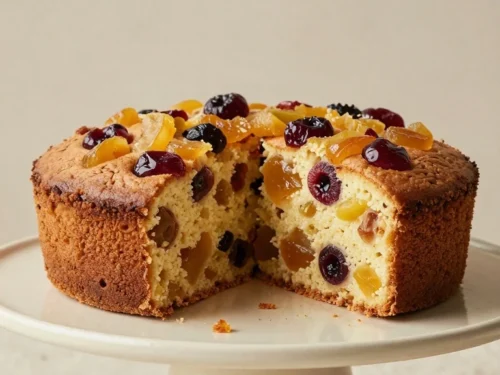
If you enjoy soft, fragrant cakes with a rich crumb, you may also like this moist fruit cake, which brings a different combination of sweetness and dried fruit richness.
Ingredients You’ll Need
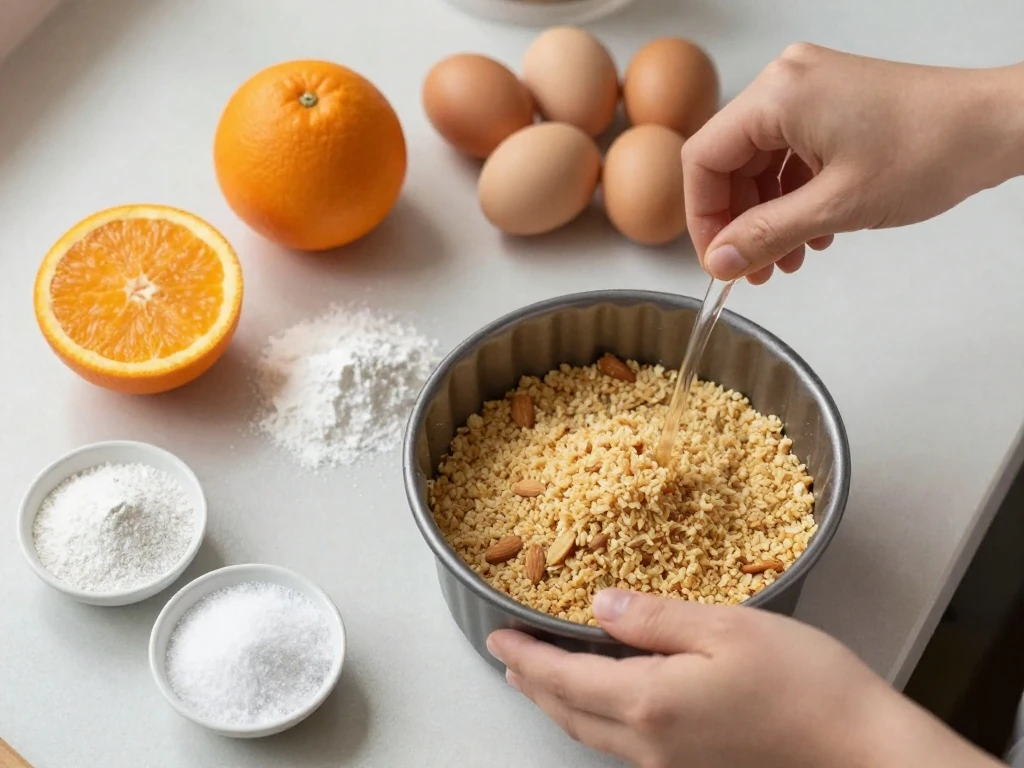
The ingredient list is short, but each item has an important job. Choose medium-to-large seedless oranges weighing about 500–600 g in total, and wash them well before simmering because the peel goes directly into the cake.
Two oranges: Seedless fruit is easiest, though regular oranges can be used if every seed is removed after cooking.
Almond meal: Use 250 g of almond meal or finely ground almonds for a tender, slightly nutty crumb.
Caster sugar: The fine grains dissolve easily into the eggs and provide the cake’s sweetness.
Six large eggs: Eggs bind the ingredients and give the flourless batter enough structure to set in the oven.
Baking powder and salt: One teaspoon of baking powder gives gentle lift, while a small pinch of salt sharpens the orange flavor.
Butter or oil: Use this to grease the 20 cm or 8-inch pan, then line the base carefully with baking paper.
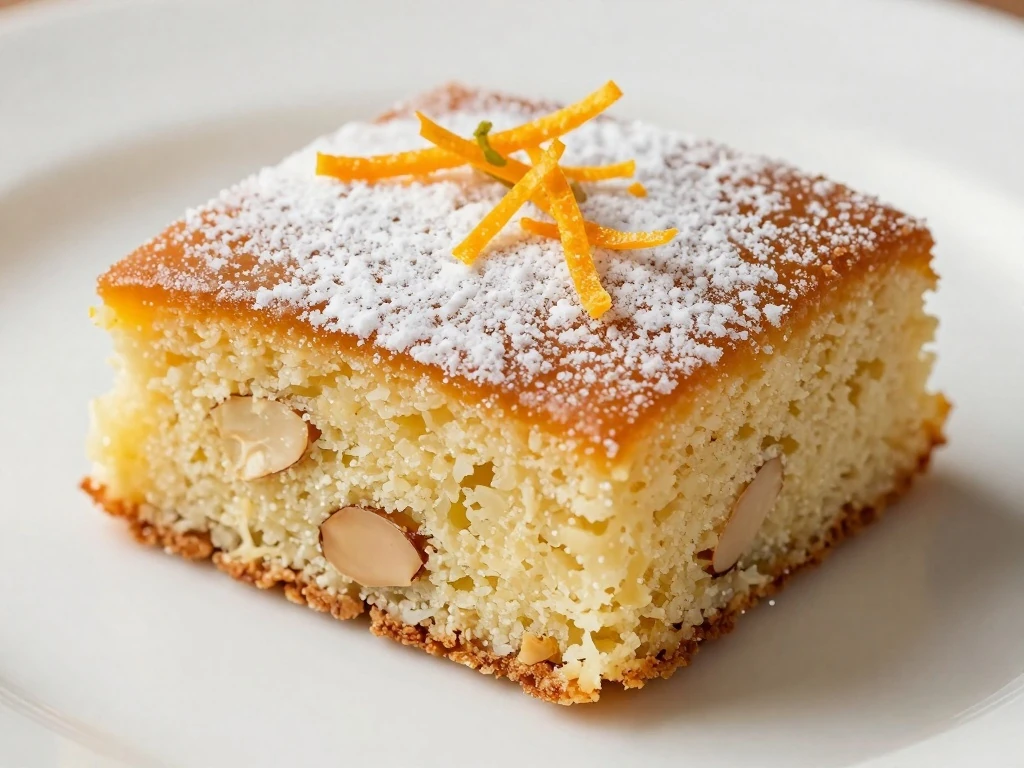
Icing sugar and orange slices or strips of zest are optional, but both make the finished cake especially inviting. Keep the decoration restrained so the beautiful golden surface remains visible.
How to Make It Step-by-Step
Step 1: Wash the oranges thoroughly and place them whole in a saucepan. Cover them with water and simmer gently for about 2 hours, adding more water if needed, until the oranges are completely soft from peel to center.
Step 2: Drain the cooked oranges and leave them to cool for 20–30 minutes. Once cool enough to handle, cut them open and remove every seed; even one overlooked seed can affect the finished cake’s flavor.
Step 3: Put the oranges, including their peel and pulp, into a food processor. Purée until mostly smooth, keeping a little texture if you like, and inspect the mixture once more for any seeds.
Step 4: Heat the oven to 160°C fan, 175°C conventional, or 350°F. Grease a 20 cm or 8-inch springform or round cake pan, line the base with baking paper, and make sure the paper lies flat.
Step 5: Beat the six eggs and caster sugar together until combined. This recipe does not depend on whipping the eggs into a voluminous foam, so a smooth, well-mixed blend is sufficient.
Step 6: Add the orange purée, almond meal, baking powder, and salt to the egg mixture. Stir until no dry patches remain, taking care not to leave pockets of almond meal at the bottom of the bowl.
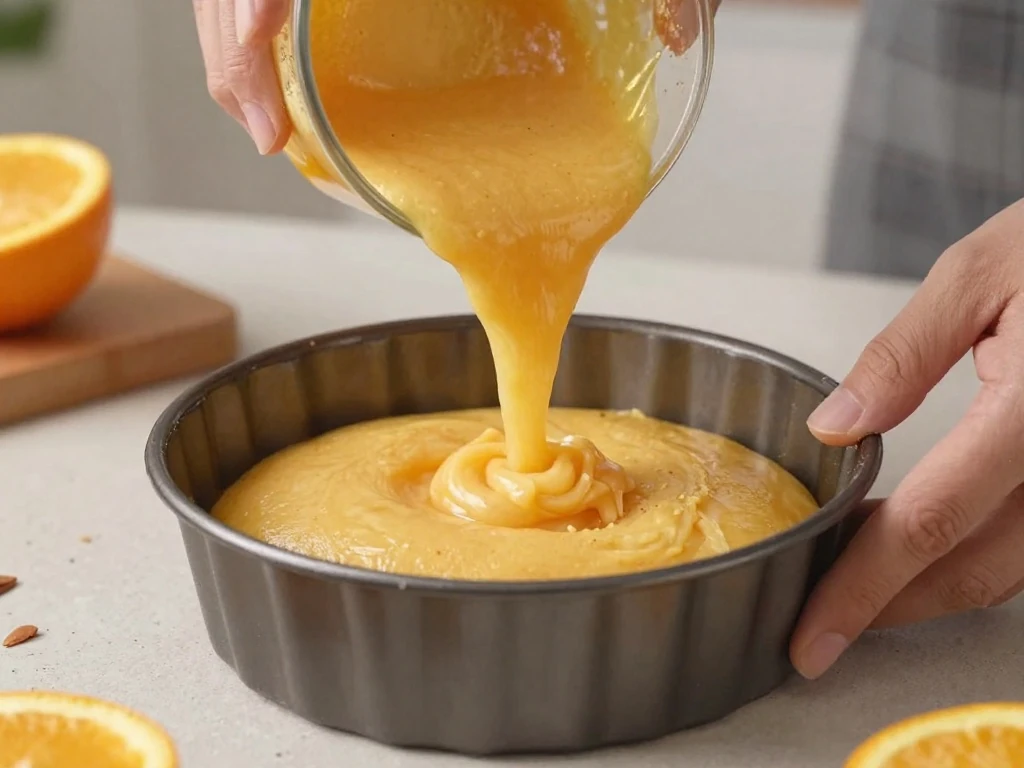
Step 7: Pour the batter into the prepared pan and smooth the surface. Bake for approximately 55–70 minutes, watching for a golden top and testing the center with a skewer; it should show moist crumbs, not wet batter.
Step 8: Cool the cake in its pan for 15–20 minutes before transferring it carefully to a rack. Wait until it is fully cool before dusting with icing sugar, because the cake is delicate while warm and may break if moved too soon.
Pro Tips for the Best Orange Cake
The most important step is cooking the oranges long enough. If the peel is still firm when you cut into the fruit, continue simmering; undercooked peel can leave tough pieces and an unpleasant bitterness in the cake.
Keep the simmer gentle rather than allowing the fruit to boil aggressively. A low, steady heat softens the oranges thoroughly and reduces the chance of the water evaporating before the cooking is complete.
Do not worry if the orange purée is not perfectly silky. A little texture adds character, and the almond meal naturally gives the cake a pleasantly grainy, tender crumb.
Use a properly lined pan and avoid rushing the cooling stage. The cake firms as it cools, making it much easier to remove cleanly once it has reached room temperature.
For another classic soft cake to serve alongside tea, compare the texture with this moist vanilla cake. The orange version is denser and fruitier, while the vanilla cake offers a gentler, familiar flavor.
Serving, Storage, and Make-Ahead Advice
Serve this cake at room temperature, either plain or with a light veil of icing sugar. Thin orange slices, curled zest, or a few small strips of peel provide a pretty finish without adding another complicated component.
The cake is especially good with black tea, espresso, or a spoonful of softly whipped cream. Its dense texture also makes it suitable for slicing into neat wedges, so it works equally well as an afternoon treat or a dinner-party dessert.
Make ahead: Bake the cake one day before serving whenever possible. Resting overnight allows the orange flavor to develop and the crumb to become even moister.
Room-temperature storage: Keep the fully cooled cake covered in a cool place and serve within a few days for the best texture.
Chilling: Refrigeration can make the crumb feel firmer, so bring chilled portions back toward room temperature before serving.
Freezing: For longer storage, wrap cooled portions well and thaw them gently before serving.
Because this cake contains a generous amount of almond meal and whole orange, each slice is satisfying. Cut smaller wedges if you are serving it after a substantial meal.
Moist Orange Cake
A flourless orange cake made with whole boiled oranges and almond meal. It is dense, tender, naturally gluten-free when made with certified gluten-free baking powder, and especially moist after resting overnight.
2oranges, about 500–600 g totalMedium-to-large seedless oranges
250gAlmond meal or finely ground almonds
250gCaster sugar
6eggsLarge eggs
1teaspoonBaking powder
1small pinchSalt
As neededfor greasingButter or oil
Optional Finish
As neededfor dustingIcing sugar
As neededfor decorationOrange slices or strips of orange zest
Method
Step-by-Step
Wash the oranges thoroughly, place them whole in a saucepan, cover with water, and simmer gently for about 2 hours until completely soft. Add more water during cooking if necessary to keep the fruit covered.
Drain the oranges and let them cool for 20–30 minutes. Cut them open, remove any seeds, and use both the peel and pulp.
Purée the cooled oranges in a food processor until mostly smooth. A small amount of texture is fine, but check carefully for seeds before continuing.
Heat the oven to 160°C fan, 175°C conventional, or 350°F. Grease a 20 cm or 8-inch springform or round cake pan, then line the base carefully with baking paper.
Beat the eggs and caster sugar until combined. Mix in the orange purée, almond meal, baking powder, and salt until you have an evenly blended batter.
Pour the batter into the prepared pan and bake for approximately 55–70 minutes. The top should be golden, and a skewer inserted in the center should come out with moist crumbs rather than wet batter.
Cool the cake in the pan for 15–20 minutes, then transfer it carefully to a rack. Allow it to cool completely before dusting with icing sugar and decorating with orange slices or zest.
Notes
Boil the oranges until genuinely soft for the best texture and flavor. The cake is delicate while warm, so cool it fully before removing it from the pan. For the richest flavor and moistest crumb, make it a day ahead and rest it overnight.
Final Thoughts
This moist orange cake recipe turns a handful of everyday ingredients into a deeply fragrant, flourless dessert. Whole boiled oranges provide the moisture and citrus intensity, while almond meal gives every slice its rich, tender structure.
Take your time with the simmering, line the pan carefully, and let the cake cool fully before decorating. Once rested overnight, it becomes even more delicious: soft, dense, pleasantly bittersweet, and packed with real orange flavor.
For a broader selection of comforting bakes, you can also try our moist coffee cake. But when you want a dessert that tastes unmistakably sunny and citrusy, this almond orange cake is the recipe to keep close.