This easy basic red sauce recipe makes about 4 cups of rich, savory tomato sauce with olive oil, onion, garlic, canned tomatoes, herbs, and basil. Preparation takes 10–15 minutes, cooking takes 30–45 minutes, and the complete recipe is ready in approximately 45–60 minutes.
The sauce is vegetarian, generally suitable for a reduced-calorie diet, and flexible enough for pasta, pizza, baked vegetables, stuffed shells, or dipping. Slow simmering softens the onion, mellows the tomatoes, and creates a balanced sauce that tastes far better than its short ingredient list suggests.
A basic red sauce should be uncomplicated, adaptable, and deeply flavorful. This version uses pantry-friendly canned tomatoes and a small amount of olive oil, so you can make it on a weeknight without a long shopping list or specialized equipment.
The flavor comes from careful cooking rather than a heavy collection of seasonings. The onion becomes tender and sweet, the garlic adds fragrance, and the tomato slowly loses its sharp raw taste while the sauce thickens.
Because the recipe makes about 4 cups, it is useful for more than one meal. Toss it with pasta one night, spoon it over roasted vegetables the next day, or use it as the foundation for a baked casserole.
This sauce is vegetarian and generally suitable for a reduced-calorie diet. It contains no meat, cream, or butter, and the richness comes primarily from two tablespoons of extra-virgin olive oil and naturally concentrated tomatoes.
If you enjoy finishing meals with a homemade dessert, keep this savory sauce in mind before browsing our easy cake ball idea for a sweet follow-up.
Ingredients You’ll Need
Choose good-quality canned tomatoes whenever possible. Since tomatoes are the main ingredient, their sweetness, acidity, and texture affect the finished sauce more than adding extra herbs or spices.
Olive oil: Two tablespoons gently cook the onion and carry the flavors throughout the sauce.
Yellow onion: One small finely diced onion, about 1 cup, provides a mellow savory base.
Garlic: Two minced cloves are enough to add aroma without overpowering the tomatoes.
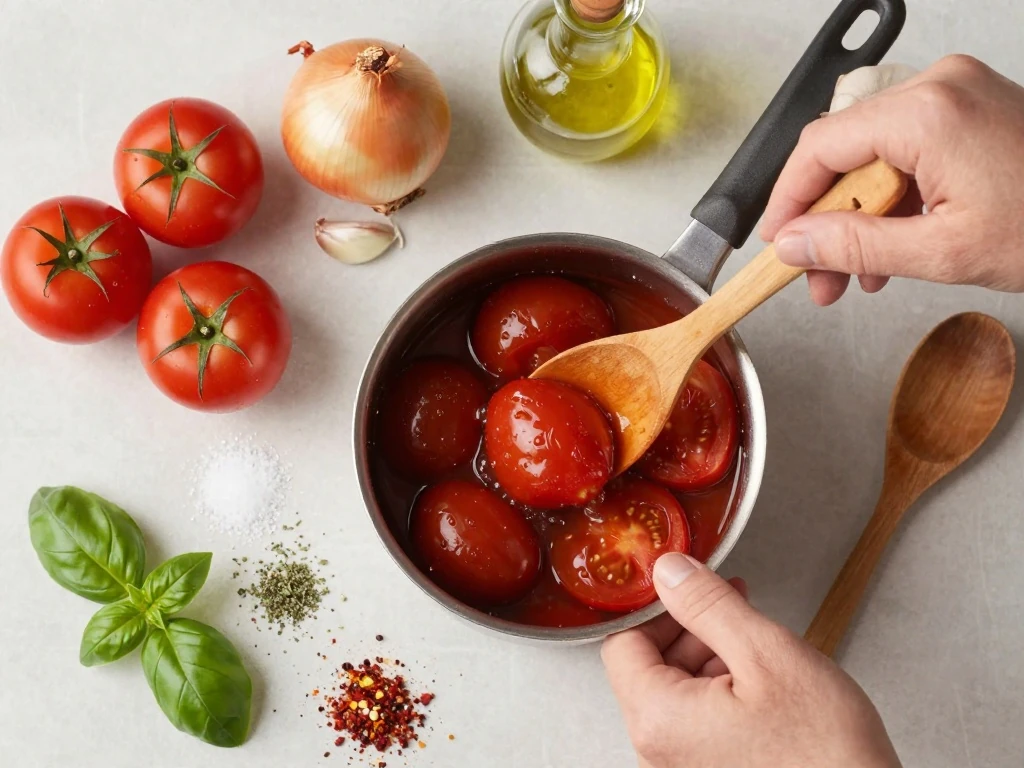
Tomatoes: Use one 28-ounce can of whole peeled or crushed tomatoes, preferably San Marzano-style.
Seasonings: Kosher salt and black pepper are essential, while oregano and red-pepper flakes are optional.
Basil: Six to eight torn fresh leaves add a clean herbal finish. You may use 1 teaspoon dried basil instead.
Water: Keep up to 1/2 cup nearby in case the sauce becomes thicker than you prefer.
Sugar: This is optional and should be used only when the tomatoes taste notably acidic.
Whole tomatoes give you control over the final texture because you can crush them as they cook. Crushed tomatoes are convenient when you want a more uniform sauce from the beginning.
How to Make It Step-by-Step
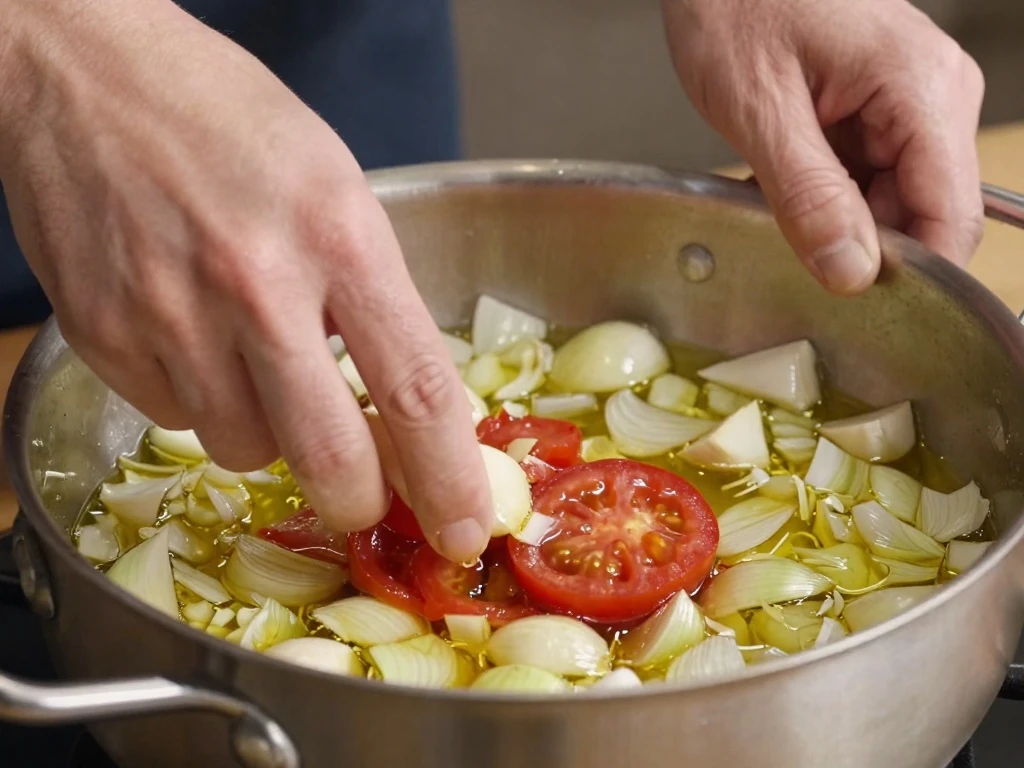
Step 1: Warm the extra-virgin olive oil in a heavy saucepan over medium heat. Add the finely diced onion and cook for 5–7 minutes, stirring occasionally, until it is softened and translucent but not browned.
Step 2: Add the minced garlic, dried oregano, and red-pepper flakes if you are using them. Stir constantly for about 30–60 seconds, stopping as soon as the garlic smells fragrant because dark garlic can make the sauce bitter.
Step 3: Pour in the canned tomatoes, then add the kosher salt and freshly ground black pepper. If you are using whole peeled tomatoes, crush them in the pan with a wooden spoon or potato masher, leaving a few small pieces for a traditional texture.
Step 4: Bring the sauce to a gentle simmer, then reduce the heat to low. Keep the saucepan uncovered and simmer for 30–45 minutes, stirring occasionally so the bottom does not catch and the sauce cooks evenly.
Step 5: Watch the consistency as the sauce simmers. If it becomes too thick before the tomato flavor has mellowed, add a small amount of water, using up to 1/2 cup as needed.
Step 6: Stir in the torn basil during the last 5 minutes of cooking, or add fresh basil after taking the pan off the heat for a brighter herbal flavor. Taste carefully and adjust the salt.
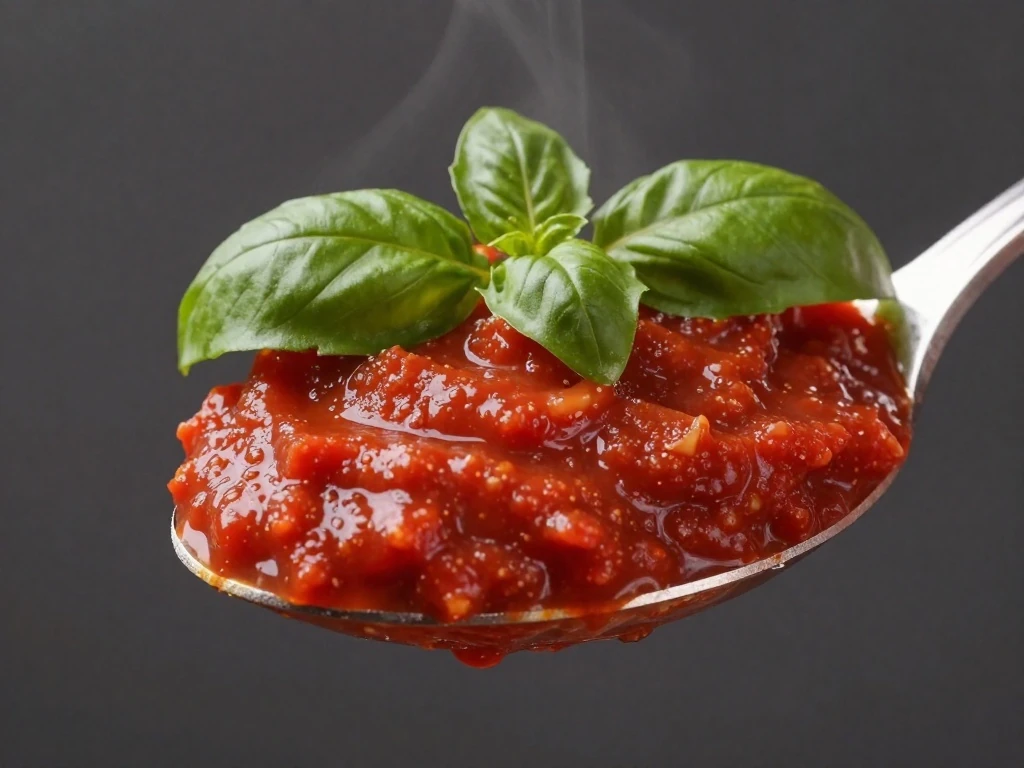
Step 7: Decide whether you prefer a rustic or smooth finish. Leave the sauce slightly chunky for a classic homemade texture, or blend it briefly with an immersion blender after simmering.
Pro Tips for Better Red Sauce
The most important tip is to avoid rushing the onion. Cooking it gently for 5–7 minutes draws out sweetness and creates a softer base, while browning it can shift the sauce toward a heavier, darker flavor.
Keep the garlic pale. Garlic that becomes dark brown can taste bitter, and that bitterness is especially noticeable in a short ingredient list. Thirty to sixty seconds in the warm oil is usually enough.
Do not add sugar automatically. Tomatoes vary by brand and harvest, so taste the sauce near the end. If it tastes balanced, leave the sugar out; if it is notably acidic, add 1 teaspoon and stir well.
Use the herbs according to the meal. Oregano and red-pepper flakes provide a familiar marinara profile, while basil gives the sauce a fresh finish. You can omit either optional seasoning for a gentler, more minimalist flavor.
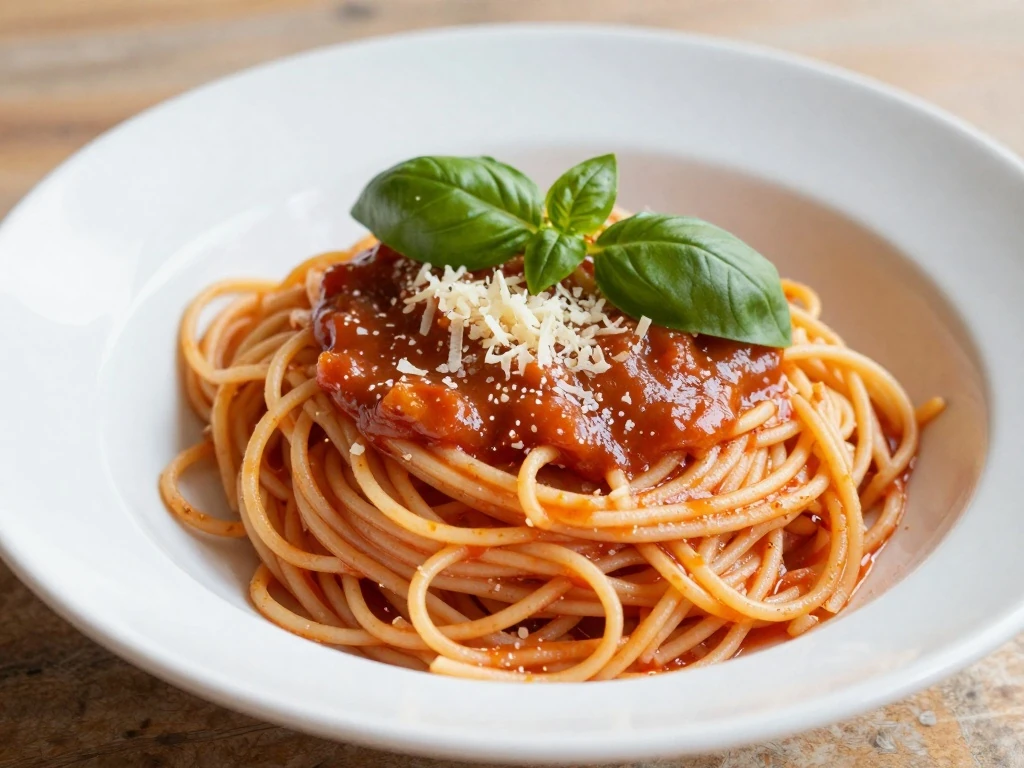
For pasta, cook the noodles until just al dente and reserve some pasta-cooking water before draining. Toss the pasta with the sauce and add a few tablespoons of the starchy water; it helps the sauce cling to the noodles.
For another homemade fruit-based treat after dinner, you can browse this easy coconut cake recipe. The light tropical flavor makes a pleasant contrast to a savory tomato-based meal.
Texture, Serving, and Pairing Ideas
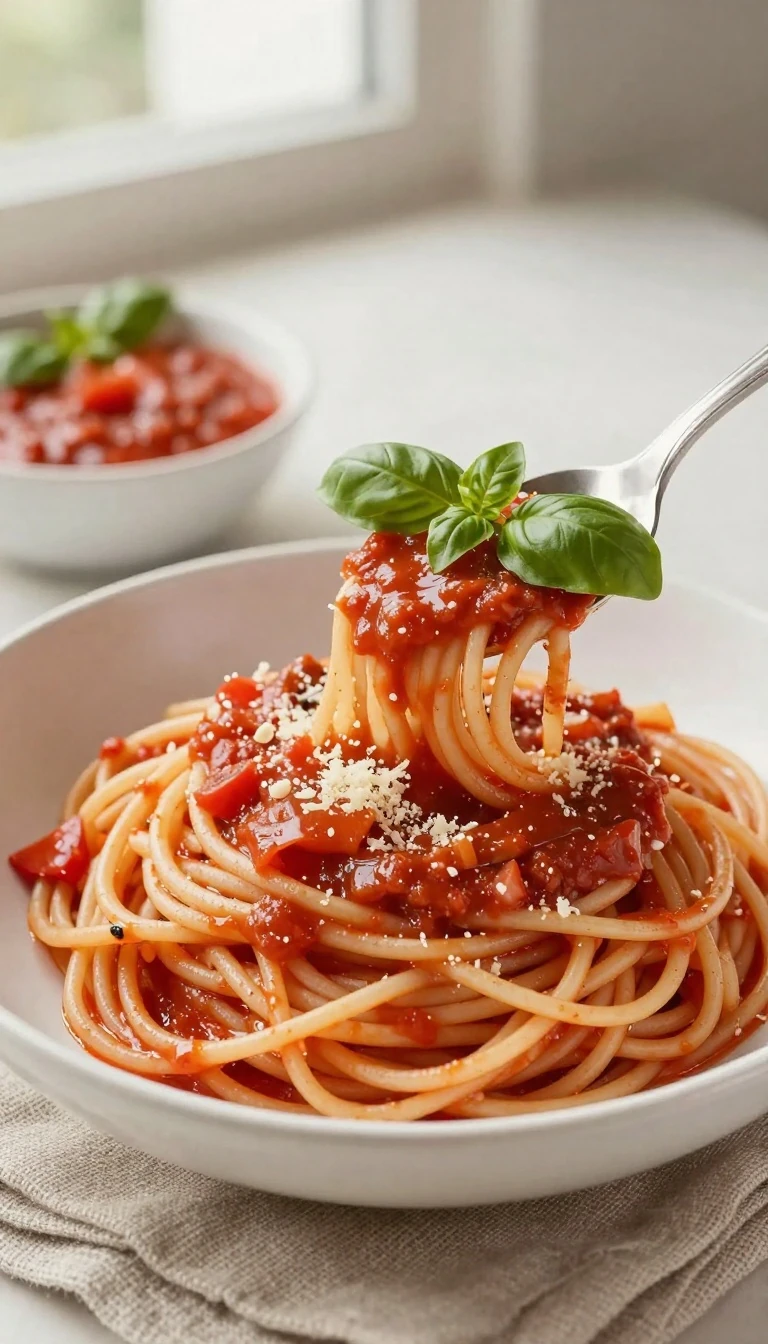
A chunky sauce works beautifully with spaghetti, rigatoni, shells, and other shapes that can hold small pieces of tomato. A smooth sauce is ideal for pizza, dipping, lasagna, or serving with delicate pasta.
Toss with spaghetti, penne, or linguine and finish with basil.
Spoon over roasted zucchini, eggplant, peppers, or cauliflower.
Use as a base for baked pasta, stuffed shells, or vegetable casseroles.
Serve warm as a dipping sauce with crusty bread or baked appetizers.
Spread a thin layer over homemade pizza dough before adding toppings.
A little grated Parmesan or Pecorino can be added at serving time, although the sauce is flavorful without cheese. Fresh basil, cracked black pepper, and a small drizzle of olive oil also make simple finishing touches.
If you are planning a dessert table or holiday spread, our easy fruit cake recipe is another make-ahead option to consider.
Storage and Reheating
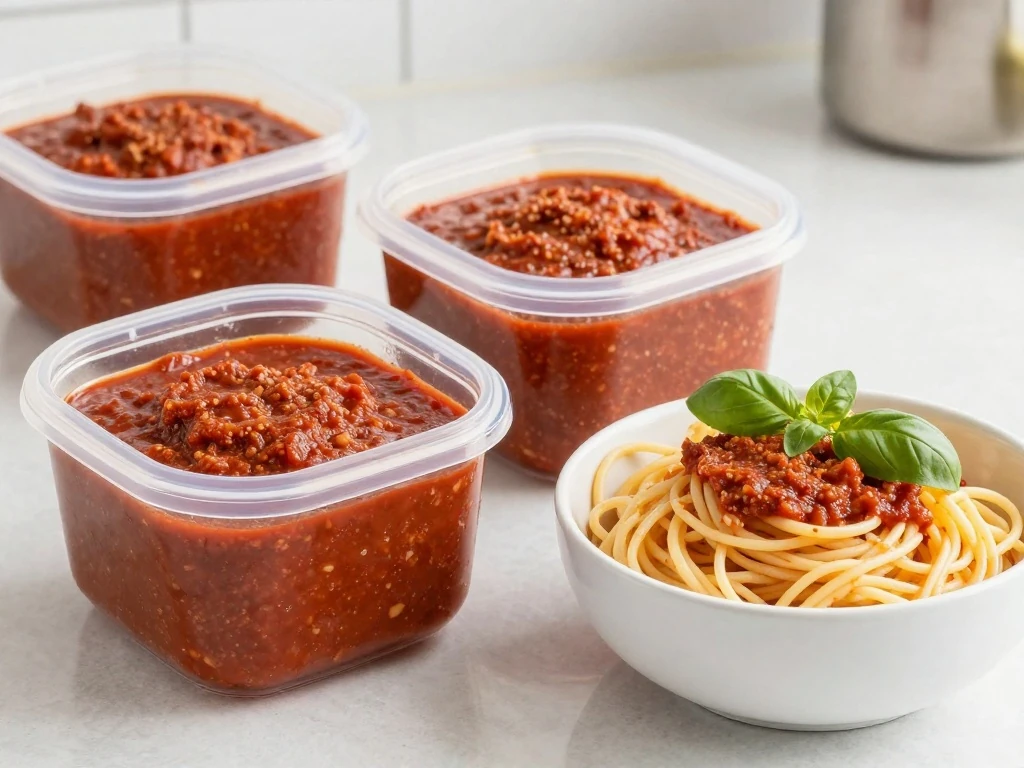
Cool leftover sauce promptly, then transfer it to a covered container. Store it in the refrigerator for up to 4 days, keeping it separate from pasta when possible so the noodles do not absorb all the sauce.
For longer storage, freeze the sauce in practical portions. Small freezer-safe containers or silicone portions make it easy to thaw only what you need for one meal.
Reheat the sauce gently in a saucepan over low to medium-low heat, stirring occasionally. If it has thickened in the refrigerator, loosen it with a splash of water, and taste again before serving because chilled storage can soften the seasoning.
Easy Method Basic Red Sauce Recipe
A dependable Italian-American tomato sauce made with canned tomatoes, onion, garlic, olive oil, and fresh basil. Serve it chunky or blend it smooth for pasta, pizza, vegetables, and more.
1small onion, about 1 cupSmall yellow onion, finely diced
2clovesGarlic, minced
128-ounce canWhole peeled or crushed tomatoes, preferably San Marzano-style
Seasonings
1/2teaspoon, plus more to tasteKosher salt
1/4teaspoonFreshly ground black pepper
1/2teaspoon, optionalDried oregano
1/4teaspoon, optionalRed-pepper flakes
6-8leavesFresh basil leaves, torn
Optional Adjustments
1teaspoon, only if tomatoes taste notably acidicSugar
1/2cup, as needed for consistencyWater
Method
Step-by-Step
Warm the olive oil in a heavy saucepan over medium heat. Add the diced onion and cook for 5–7 minutes, stirring occasionally, until soft but not browned.
Add the minced garlic, dried oregano, and red-pepper flakes if using. Cook for 30–60 seconds, just until fragrant, taking care not to darken the garlic.
Add the tomatoes, kosher salt, and black pepper. Crush whole tomatoes with a spoon or potato masher, then bring the mixture to a gentle simmer.
Reduce the heat to low and simmer uncovered for 30–45 minutes, stirring occasionally. Add a little water if the sauce becomes too thick before the tomatoes have mellowed.
Stir in the basil during the final 5 minutes, or add fresh basil after removing the sauce from the heat. Taste and adjust the salt, adding sugar only if the tomatoes taste notably acidic.
Notes
For a smooth sauce, blend briefly with an immersion blender after simmering. For pasta, reserve some cooking water and stir a few tablespoons into the sauce while tossing. Refrigerate leftovers in a covered container for up to 4 days or freeze in portions for longer storage.
Final Thoughts
This easy basic red sauce recipe proves that a handful of well-cooked ingredients can create a satisfying foundation for countless meals. Give the onion time to soften, protect the garlic from browning, and let the tomatoes simmer uncovered until their flavor becomes rounded and mellow.
Make it chunky or smooth, mild or lightly spicy, and adjust the final seasoning only after tasting. With about 4 cups of sauce from one batch, you can enjoy a fresh pasta dinner now and save the rest for another quick, comforting meal.