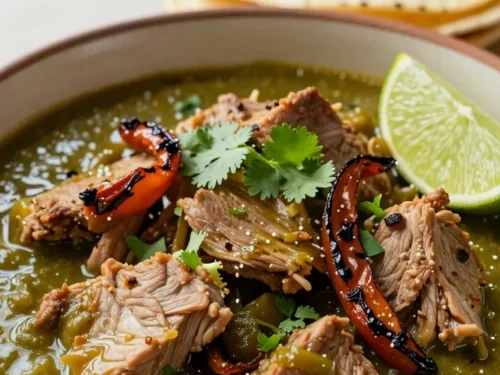
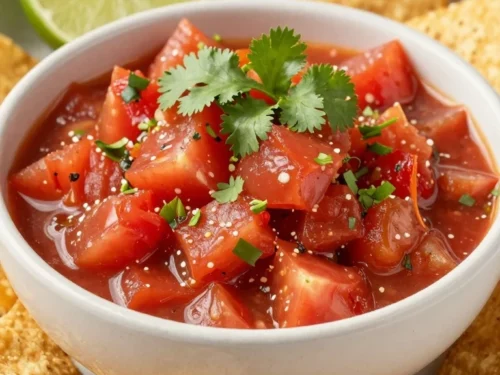
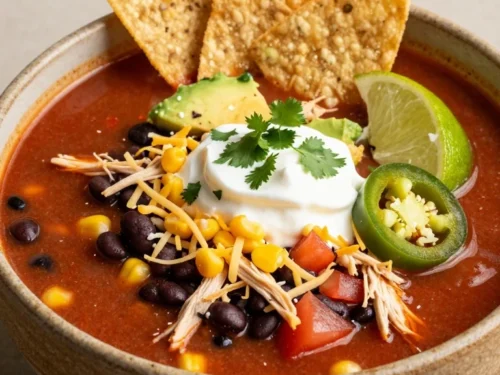
This authentic Mexican salsa verde recipe is made with simmered tomatillos, fresh serrano chiles, white onion, garlic, cilantro, and salt. Ready in about 20–25 minutes, it makes approximately 2 cups, or 4–6 servings, of bright, tart, slightly textured salsa for tacos, enchiladas, eggs, grilled meats, and tortilla chips.
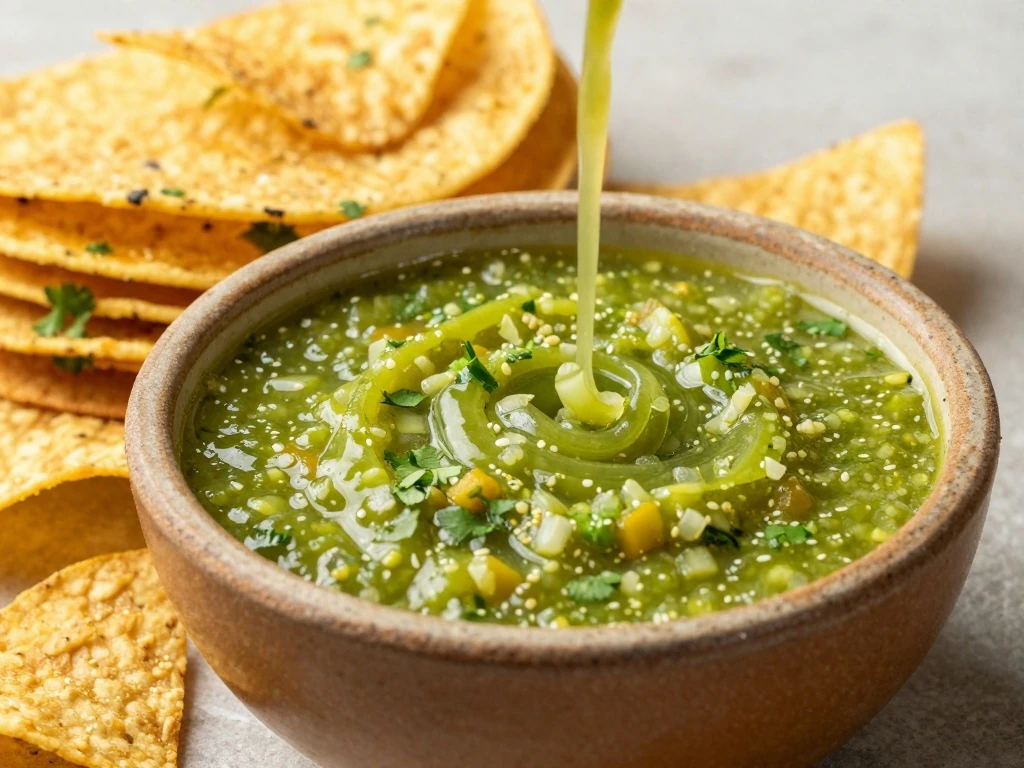
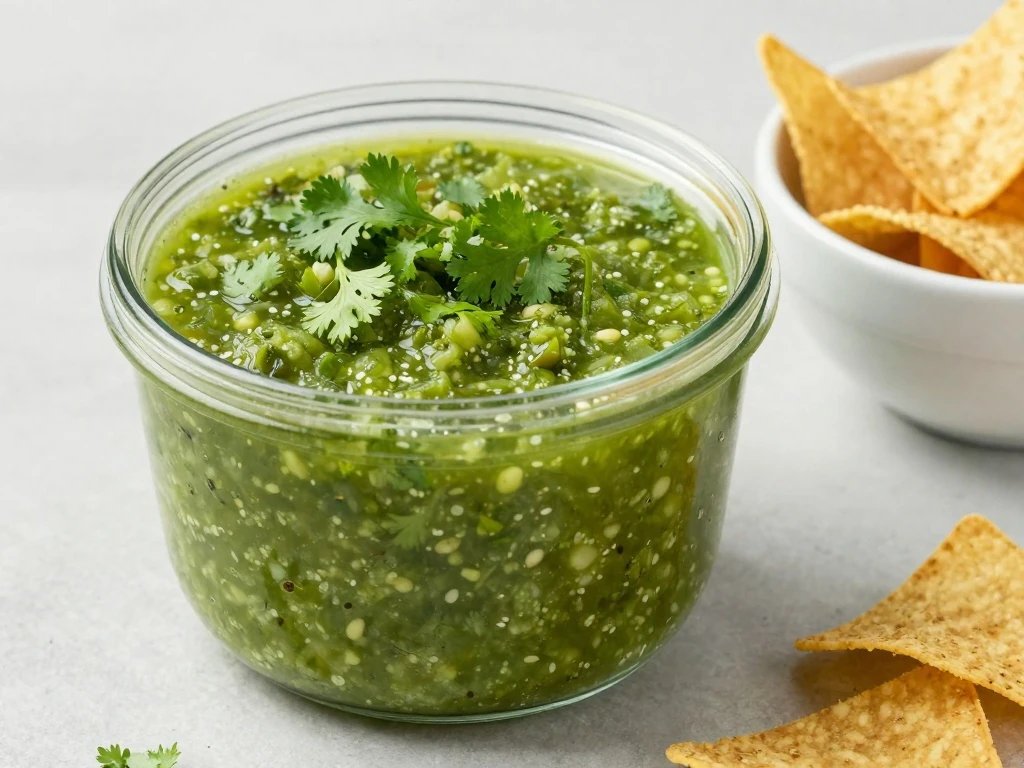
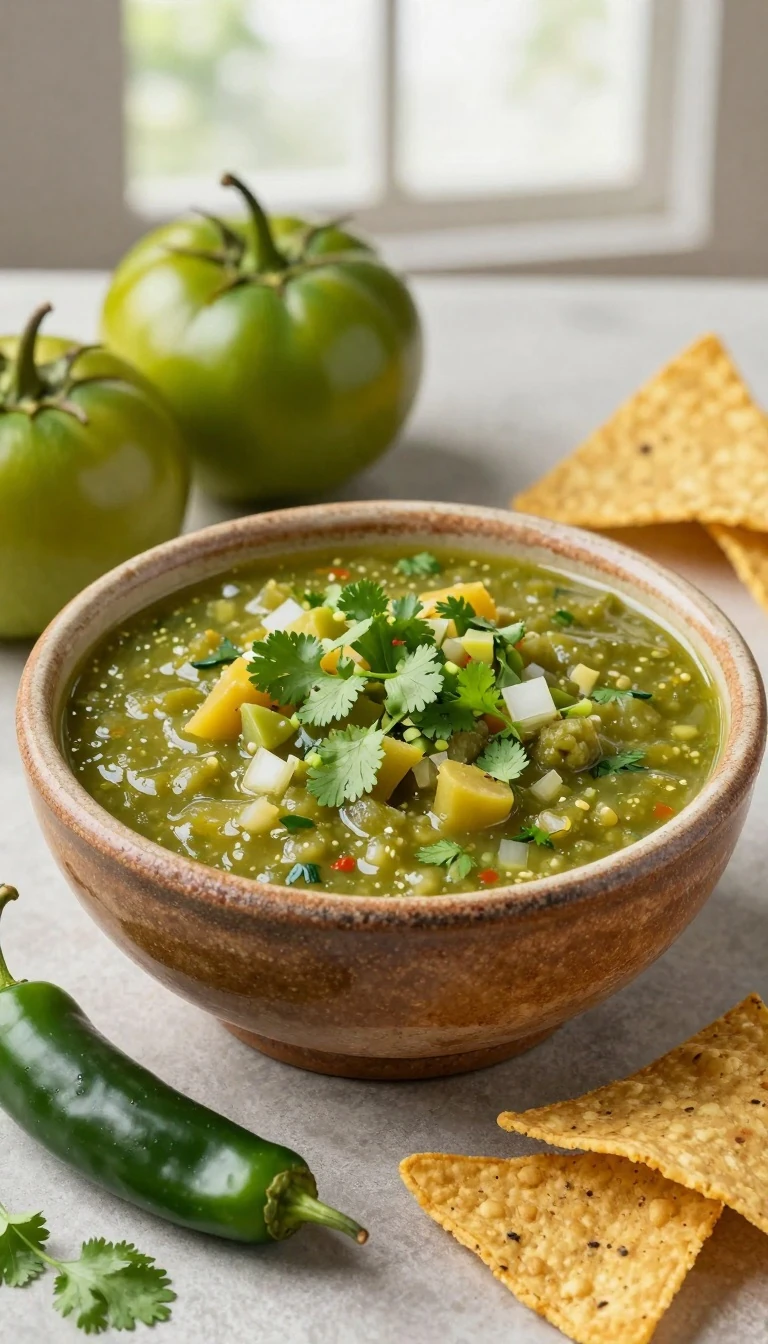
The flavor is fresh and lively rather than heavy: tomatillos provide natural acidity, serranos bring a clean chile heat, and cilantro adds a gentle herbal note. This classic cooked version should be pourable and somewhat loose, not thick like a dip, with enough texture to show that it was blended briefly instead of puréed until completely smooth.
This salsa verde delivers the unmistakable taste of a Mexican taquería with a short ingredient list and simple stovetop cooking. Simmering the tomatillos softens their sharpness while preserving the tangy flavor that makes green salsa so irresistible.
Unlike a thick, creamy dip, this salsa is intentionally loose and spoonable. It slips easily over enchiladas, spreads across tacos, and pools beautifully beside crisp tortilla chips without needing extra lime juice or complicated seasoning.
Fresh flavor: Tomatillos, cilantro, and serranos create a lively green taste.
Flexible heat: One serrano keeps the salsa mild, while three or four bring serious chile warmth.
Quick preparation: The salsa comes together in about 20–25 minutes.
Traditional texture: Brief blending leaves tiny pieces of onion, cilantro, and tomatillo.
If you enjoy comparing homemade salsas, our other Mexican salsa is another flavorful recipe to keep in your cooking rotation.
Ingredients You’ll Need
The foundation is one pound of tomatillos, usually about eight to ten medium fruits. Choose firm tomatillos with tight green skin and no soft spots; the husks may be dry and papery, but the fruit underneath should feel fresh and solid.
Two serrano chiles provide the classic pepper flavor. For a gentler result, use one serrano, or increase the amount to three or four if you prefer a hotter salsa. Serranos are the more traditional choice here, though jalapeños can be used when that is what you have available.
White onion, garlic, cilantro, and kosher salt complete the seasoning. Include the cilantro stems that are tender and green because they carry plenty of flavor, but discard any tough lower stems.
Keep between one-quarter and one-half cup of water nearby for blending. You may not need all of it, so add it gradually rather than pouring it in at once.
How to Make It Step-by-Step
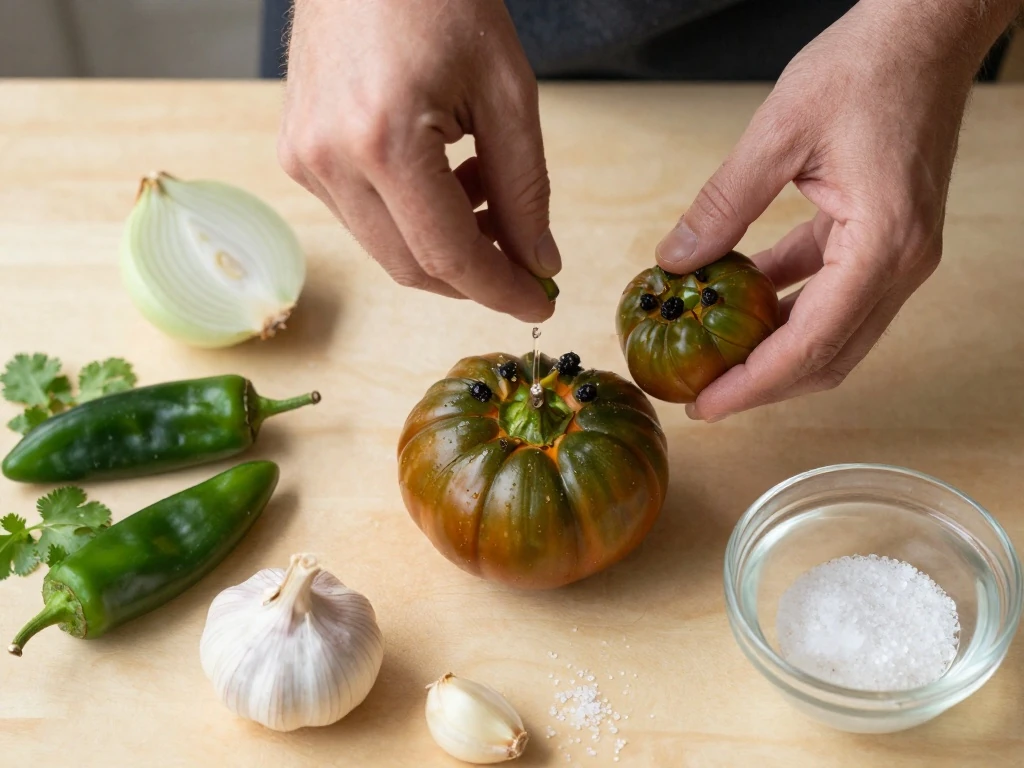
Step 1: Peel away every papery husk from the tomatillos, then rinse the fruits thoroughly under cool running water. The sticky film left beneath the husks can make the finished salsa feel tacky, so spend a moment rubbing each tomatillo clean before cooking.
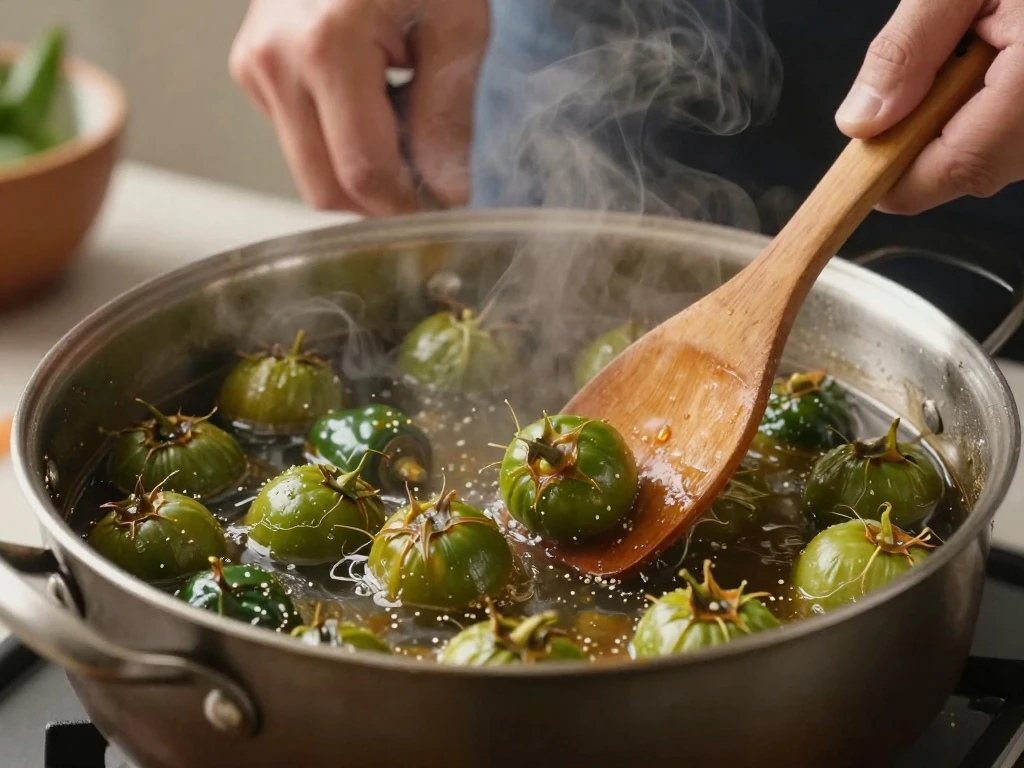
Step 2: Put the rinsed tomatillos and serrano chiles in a saucepan and cover them with water. Bring the water to a simmer rather than a hard boil, which helps the tomatillos cook evenly without breaking apart.
Step 3: Cook the vegetables for about 5–8 minutes, watching their color closely. When the tomatillos change from bright green to olive green and feel tender, remove them from the heat; if they split open or become mushy, they have cooked too long.
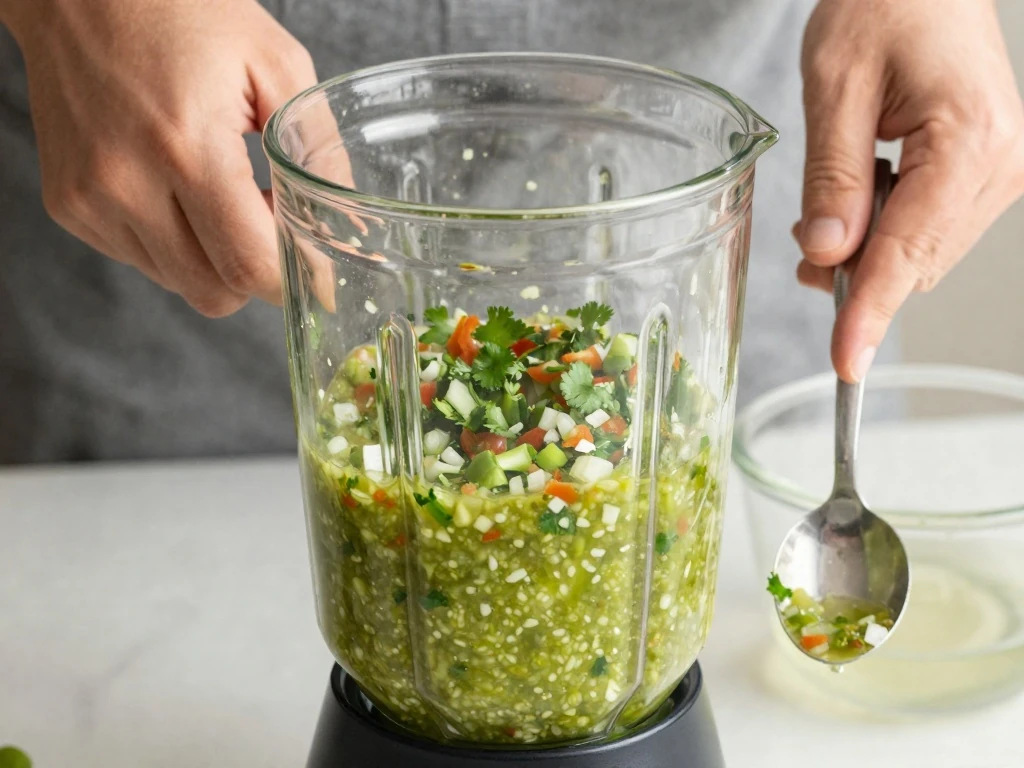
Step 4: Drain the tomatillos and chiles, reserving a little cooking water in a cup. Add the vegetables to a blender along with the chopped onion, garlic clove, cilantro, and one-half teaspoon of kosher salt.
Step 5: Pulse or blend briefly, stopping to scrape the sides if needed. Add water one tablespoon at a time until the salsa pours easily but retains a little texture, since a completely smooth purée will not have the same traditional character.
Step 6: Taste the salsa carefully and add more salt if necessary. It can be served warm right away, or cooled to room temperature and refrigerated for a colder, slightly more settled flavor.
Step 7: If you want a deeper cooked taste, warm one teaspoon of neutral oil in a saucepan and pour in the blended salsa. Simmer for 5–10 minutes, stirring occasionally, then taste and adjust the salt after simmering.
How to Control the Heat
The number of serranos is the easiest way to customize this recipe. One chile gives a milder salsa, two create a balanced medium heat, and three to four make the pepper flavor much more prominent.
Remember that chile heat can vary from pepper to pepper. If you are unsure, start with one or two serranos, blend the salsa, taste it, and add another cooked chile if you want more heat.
Jalapeños are a practical substitute, but their flavor is generally greener and less traditionally sharp than serranos. For the most classic Mexican profile, stay with serranos whenever they are available.
Chef’s Tips for the Best Salsa Verde
Do not overcook the tomatillos. The ideal moment is when they are olive green and tender but still holding their shape, because prolonged cooking can make the salsa dull and watery.
Blend in short bursts rather than running the blender continuously. A few small pieces of onion, cilantro, and tomatillo add a pleasant handmade texture and make the salsa look more appetizing on the plate.
Water is easier to add than to remove, so begin with only a tablespoon or two. The finished salsa should be loose enough to pour, but it should not look thin or separated.
Lime juice is optional, not required. Tomatillos already provide the characteristic acidity, although a small squeeze of lime can be welcome if the fruit tastes especially mild or if you prefer a sharper finish.
For a smoky variation, roast the tomatillos and chiles under a broiler or on a dry comal until lightly charred instead of boiling them. The roasting method changes the flavor, but it remains a delicious salsa verde variation.
For a complete Mexican-inspired meal, spoon this salsa over seafood and rice, or explore this shrimp and green rice pairing for another colorful dinner idea.
Serving Ideas
Serve the salsa warm with tortilla chips as soon as it is blended, or chill it for a refreshing contrast to hot food. Its tart flavor is especially good with rich, cheesy, or roasted dishes.
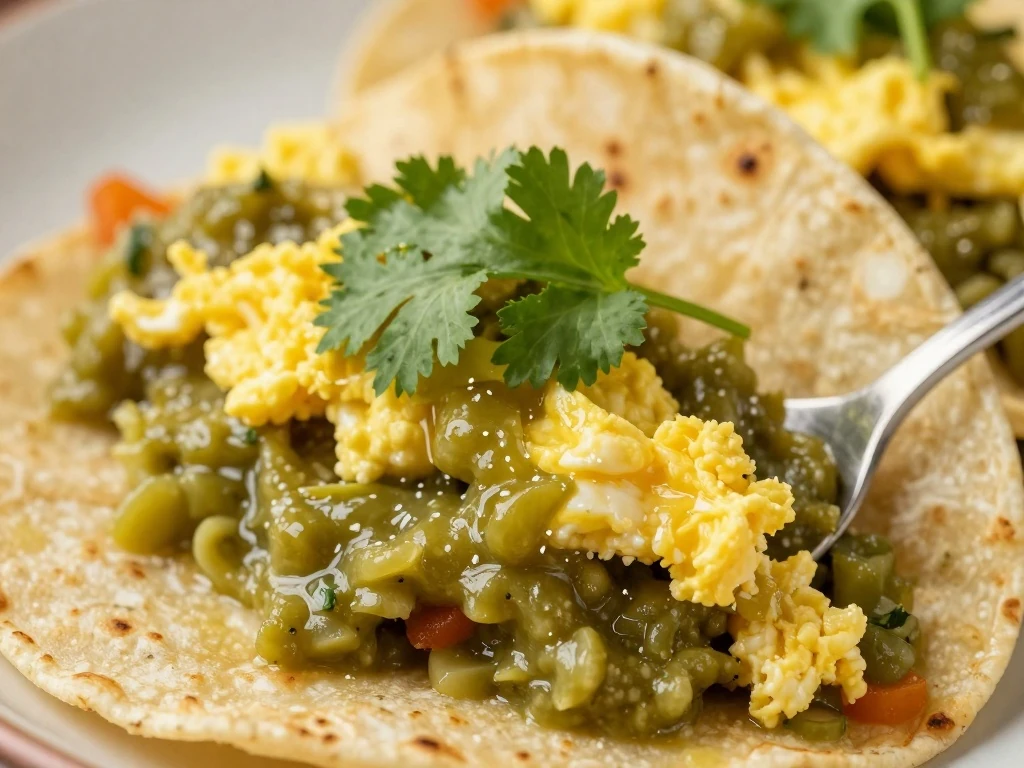
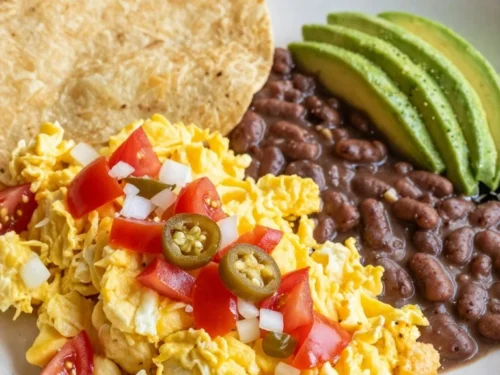
Spoon it over breakfast eggs, huevos rancheros, or breakfast tacos.
Drizzle it across chicken, pork, steak, or grilled vegetables.
Use it as the sauce for enchiladas verdes.
Add it to tacos filled with beans, carnitas, chicken, or roasted mushrooms.
Serve it alongside quesadillas, tostadas, and crisp corn chips.
Because this salsa is somewhat loose, use a slotted spoon when adding it to a taco that already contains a wet filling. For enchiladas or eggs, pour it generously so the tangy sauce can coat every bite.
Storage and Make-Ahead Tips
Cool the salsa before transferring it to a covered container and refrigerate it. The flavor may become slightly rounder after resting, while the color will remain attractive when the tomatillos have not been overcooked.
Before serving leftover salsa, stir it well and taste it again. Cold temperatures can soften the perception of salt and acidity, so a small seasoning adjustment may be useful.
Serve refrigerated salsa cold, or warm it gently in a saucepan if you want it alongside hot food. Avoid vigorous boiling during reheating, which can further soften the texture and mute the fresh green flavor.
Common Questions
Can I make salsa verde without lime? Yes. Lime is not essential in this classic recipe because tomatillos supply the bright acidity that defines salsa verde.
Why did my salsa turn watery? The tomatillos may have been overcooked, or too much water may have been added during blending. Next time, cook just until tender and add reserved water one tablespoon at a time.
Should salsa verde be completely smooth? No. A slightly textured, pourable salsa is the traditional target for this preparation, so brief blending is preferable to a long, uninterrupted purée.
Can I make it smokier? Yes. Lightly char the tomatillos and chiles under a broiler or on a dry comal instead of simmering them in water, then blend them with the remaining ingredients.
Authentic Mexican Salsa Verde
A traditional cooked Mexican salsa made with tender tomatillos, serrano chiles, cilantro, onion, garlic, and salt. The finished salsa is bright, tart, lightly herbal, and perfect for tacos, eggs, enchiladas, or dipping.
1/2cupFresh cilantro leaves and tender stems, loosely packed
1/2teaspoonKosher salt
1/4-1/2cupWater, plus reserved cooking water as needed
Method
Step-by-Step
Remove the papery husks from the tomatillos and rinse them well under cool water to wash away the naturally sticky residue. Place the cleaned tomatillos and serrano chiles in a saucepan and cover with water.
Bring the saucepan to a gentle simmer and cook for about 5–8 minutes. Remove the tomatillos when they turn from bright green to olive green and become tender, taking care not to let them split apart or become mushy.
Drain the tomatillos and chiles, reserving a little of the cooking water in case the salsa needs thinning. Transfer the cooked vegetables to a blender with the onion, garlic, cilantro, and kosher salt.
Blend briefly, adding water a tablespoon at a time until the salsa is pourable but still slightly textured. Taste and adjust the salt, then serve immediately or cool and refrigerate.
For a deeper cooked flavor, heat 1 teaspoon of neutral oil in a saucepan and add the blended salsa. Simmer it for 5–10 minutes, then taste once more and adjust the seasoning before serving.
Notes
Use 1 serrano for a milder salsa or 3–4 for a hotter batch. Serranos are more typical of classic Mexican salsa verde than jalapeños, although jalapeños may be substituted. Lime juice is not essential because the tomatillos provide the characteristic acidity, but a small squeeze may be added if desired. Store cooled salsa in a covered container in the refrigerator.
Final Thoughts
This authentic Mexican salsa verde proves that a handful of fresh ingredients can create an exceptionally flavorful sauce. The combination of tender tomatillos, serrano chiles, cilantro, onion, garlic, and salt is bright, tart, lightly herbal, and wonderfully versatile.
Keep the tomatillos just tender, blend with restraint, and add water gradually for the best texture. Serve the salsa immediately for a fresh green bite, or simmer it briefly with a little neutral oil when you want a deeper cooked flavor.
Once you have made this batch, you will find plenty of reasons to keep it nearby, from weekday eggs to weekend tacos. For dessert after a Mexican-inspired meal, you can also browse this Italian rum cake idea for a sweet finish with a different culinary tradition.