This easy 7Up Cake recipe makes a classic, buttery Bundt cake with a fine pound-cake crumb, bright lemon flavor, and a delicate lemon-lime glaze. Made with 3 sticks of butter, 3 cups of sugar, 5 eggs, flour, lemon extract, and 7Up, it bakes at 325°F for 75–90 minutes and yields about 12–16 slices.
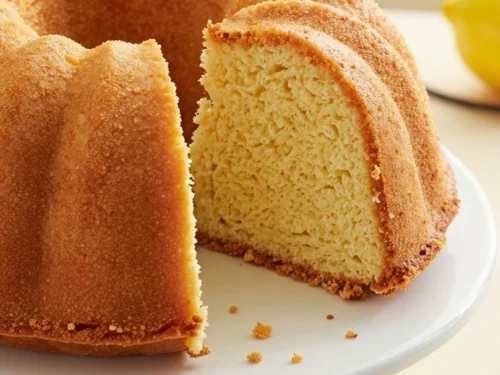
The finished cake is rich without tasting heavy, with crisp golden edges and a soft, moist center. The soda adds a gentle citrus note and helps create the signature tender texture, while careful creaming of the butter and sugar supplies the lift because this traditional recipe does not use baking powder or baking soda.
There is a reason 7Up Cake has remained a favorite in home kitchens for generations. It uses familiar pantry ingredients, requires no complicated decorating, and comes out of the oven looking special simply because of its sculpted Bundt shape.
Each slice offers a pleasing contrast between a lightly crisp exterior and a plush, buttery middle. Lemon extract gives the cake a clear citrus identity, while 7UP contributes a mild lemon-lime aroma without making the dessert taste like a soft drink.
This is also a forgiving dessert for entertaining. You can bake it a day ahead, glaze it shortly before serving, and cut generous slices for a crowd without needing frosting, layers, or special equipment.
If you enjoy classic Bundt desserts, our blueberry pound cake is another lovely choice for a fruit-filled variation.
Ingredients You’ll Need
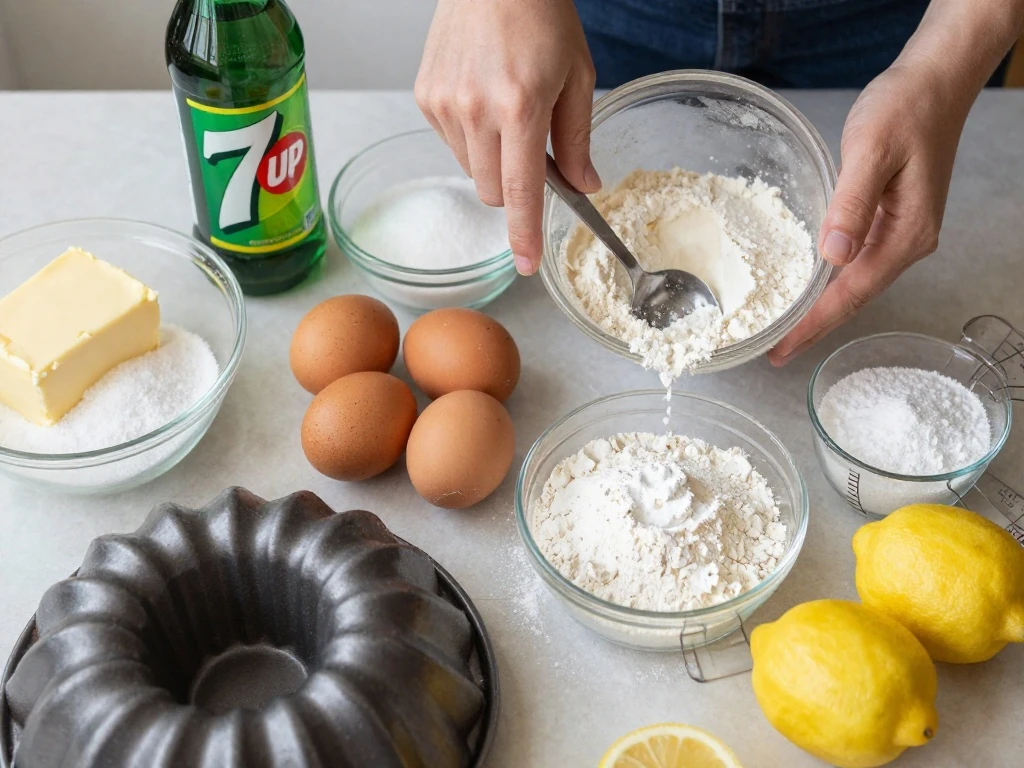
The ingredient list is short, but each item has an important job. Choose fresh ingredients and measure the flour carefully for the best texture.
Butter: Use 1 1/2 cups, or 3 sticks, of unsalted butter softened to room temperature. It provides richness and helps create the cake’s fine crumb.
Sugar: Three cups of granulated sugar sweeten the cake and add air to the batter during creaming.
Eggs: Five large room-temperature eggs add structure, moisture, and richness.
Flour: Three cups of all-purpose flour form the framework of this traditional pound cake.
Lemon extract: Two tablespoons provide a concentrated citrus flavor that remains noticeable after baking.
7UP: Three-fourths cup goes into the batter, with another 2 tablespoons reserved for the glaze.
Glaze ingredients: Powdered sugar, 7UP, and 1–2 tablespoons of fresh lemon juice create a bright, pourable finish.
Set the butter and eggs out before you begin. Room-temperature ingredients blend more evenly, which helps prevent a lumpy batter and supports the cake’s structure.
How to Make It Step-by-Step
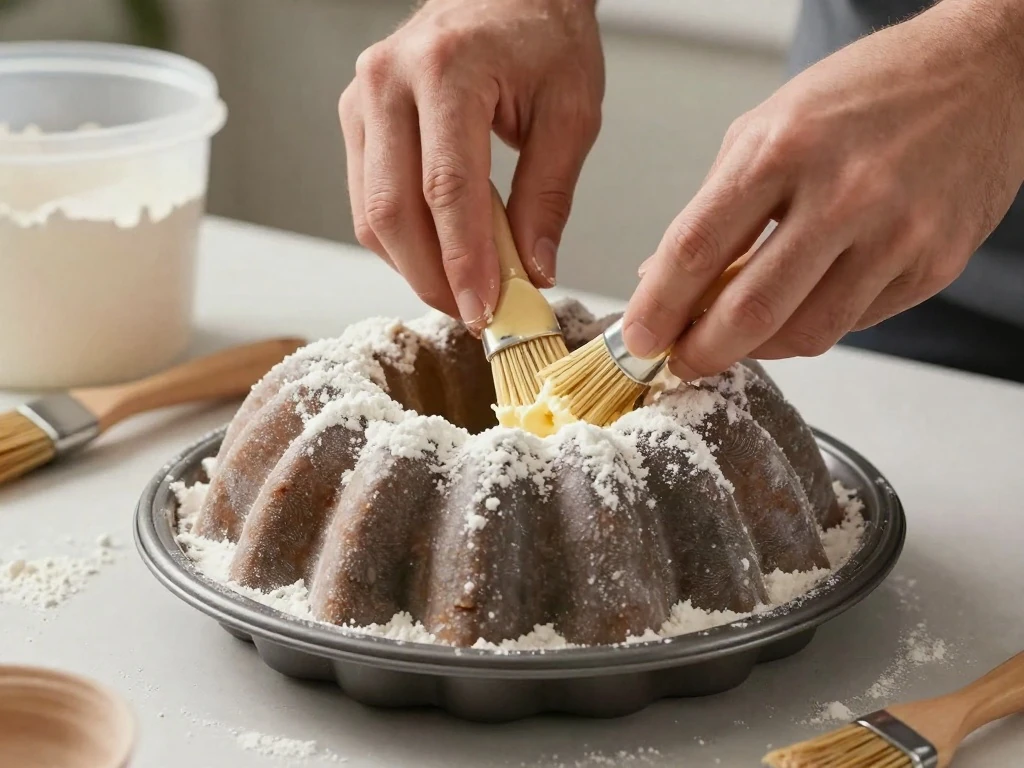
Step 1: Begin by heating the oven to 325°F (165°C). Thoroughly grease and flour a 10-inch Bundt pan, taking special care around the center tube, deep ridges, and narrow grooves; alternatively, use a baking spray that contains flour.
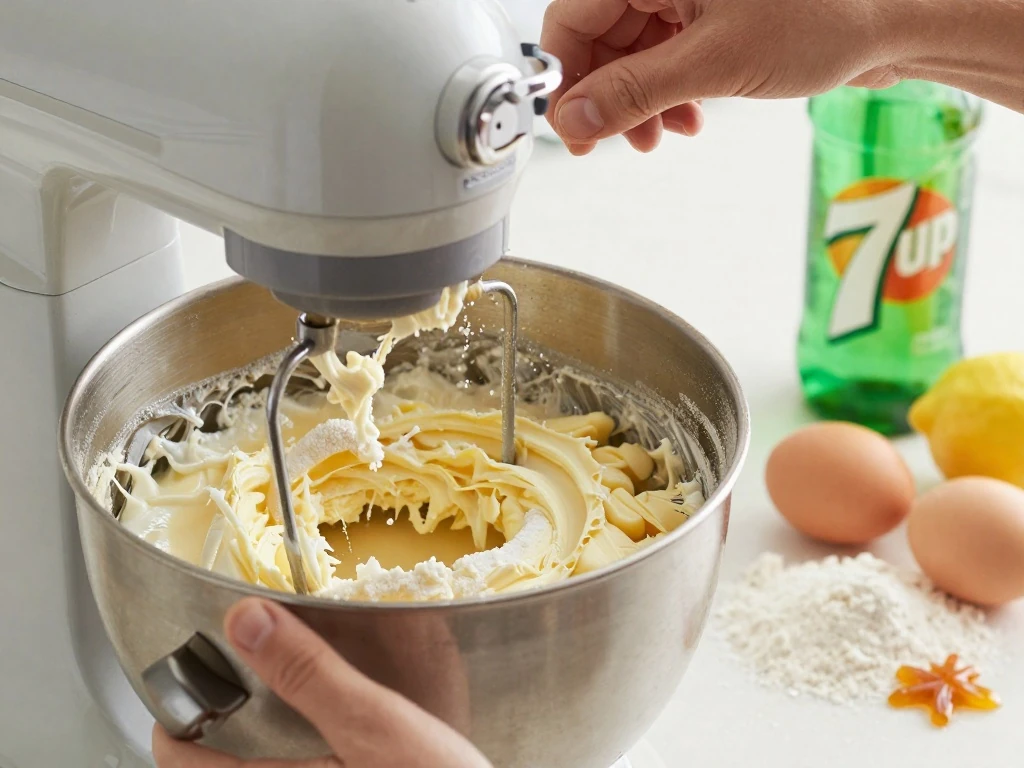
Step 2: Place the softened butter and granulated sugar in a large mixing bowl. Beat them for 3–5 minutes, scraping the bowl once or twice, until the mixture is noticeably pale, airy, and fluffy rather than merely blended.
Step 3: Add the eggs one at a time, beating well after each addition. Waiting for each egg to disappear into the batter helps the mixture stay smooth, and scraping down the sides keeps the fat and sugar evenly distributed.
Step 4: Add the all-purpose flour gradually along with the lemon extract. Mix only until the flour is incorporated; extended beating after flour is added can develop too much gluten and leave the cake dense.
Step 5: Pour in the 3/4 cup of 7UP near the end of mixing. Mix briefly and stop as soon as the soda is blended into the batter, since the goal is to preserve the air created during creaming.
Step 6: Spoon the batter into the prepared Bundt pan and smooth the surface with a spatula. Gently tap the pan on a folded towel once or twice to settle large air pockets, but do not knock out all of the batter’s lightness.
Step 7: Bake for approximately 75–90 minutes. Begin checking near the shorter end of the range, but rely on a skewer inserted near the center: it should come out clean or with a few moist crumbs, not wet batter.
Step 8: Let the cake rest in the pan for about 15 minutes after baking. Invert it onto a wire rack only after this brief cooling period, because turning out a very hot Bundt cake can cause fragile sections to break.
Step 9: Cool the cake completely before glazing. For the glaze, whisk together 1 1/2 cups powdered sugar, 2 tablespoons 7UP, and 1–2 tablespoons fresh lemon juice, adding the lemon juice gradually until the consistency is thick enough to cling but loose enough to drizzle.
Step 10: Pour the glaze over the cooled cake, allowing it to run naturally down the ridges. Give it a few minutes to set, then slice with a sharp serrated knife and serve.
Pro Tips for a Perfect Bundt Cake
The most important technique is thorough creaming. Since this cake generally contains no chemical leavening, beating the butter and sugar until very light and fluffy creates the tiny air pockets that help the batter rise in the oven.
Do not rush softened butter. It should yield when pressed but should not look greasy or melted; butter that is too warm may make the batter heavy, while cold butter will not cream properly with the sugar.
Measure flour by spooning it into a dry measuring cup and leveling the top, or use a kitchen scale if available. Too much flour can make the cake dry and can also make the batter difficult to spread evenly in the pan.
Keep the mixing gentle once flour enters the bowl. The brief addition of 7UP comes near the end, and the batter needs only enough mixing to combine the ingredients.
For another old-fashioned dessert with a beautiful crust, you can also try this crunchy-top pound cake when you want a different pound-cake finish.
Glazing and Serving Suggestions
The glaze should be added only after the cake has cooled completely. If the cake is warm, the sugar mixture may melt too quickly and disappear into the crust instead of forming attractive white ribbons.
For a thicker glaze, use slightly less lemon juice. For a thinner drizzle, add a few drops more 7UP or lemon juice, mixing after each addition so the glaze does not become runny.
Serve slices at room temperature with coffee, tea, or a cold glass of milk. Fresh berries, lightly sweetened whipped cream, or a few curls of lemon zest make simple accompaniments without overwhelming the cake’s buttery citrus flavor.
This cake is equally welcome at a brunch table and a dinner dessert spread. For a celebration with a deeper, festive flavor, our from-scratch rum cake is another excellent Bundt-pan dessert to keep in your baking rotation.
Storage and Make-Ahead Advice
Once the glaze has set, cover the cake tightly with a cake dome, plastic wrap, or an airtight container. It can be kept at room temperature for up to 3 days, where the crumb remains tender and the citrus flavor stays bright.
For longer storage, refrigerate the covered cake, although the texture may feel firmer when cold. Let individual slices stand at room temperature before serving, or warm them very gently if you prefer a softer bite.
You can bake the cake one day before serving and glaze it the next day. This timing is convenient for gatherings because the cake has time to cool fully and the glaze can be applied neatly just before it goes on the table.
Common Questions
Can I use another lemon-lime soda? Yes. The recipe calls for 7UP or another lemon-lime soda, so a comparable soda can be used in the same amount.
Why does this recipe not use baking powder or baking soda? The traditional cake relies on the eggs and the air incorporated during the butter-and-sugar creaming step for structure. That is why careful mixing and properly softened ingredients matter so much.
How do I know when the cake is done? Insert a skewer near the center of the cake after about 75 minutes. It should come out clean or with a few moist crumbs; if wet batter clings to it, continue baking and check again.
Why did my cake stick to the pan? Bundt pans have many grooves that can trap batter. Grease and flour every section thoroughly, and wait about 15 minutes after baking before inverting the cake onto a rack.
7Up Cake
A classic lemon-lime pound cake baked in a Bundt pan and finished with a simple 7Up and lemon glaze. This tender, buttery cake is ideal for holidays, potlucks, afternoon coffee, or an easy family dessert.
Heat the oven to 325°F (165°C). Thoroughly grease and flour a 10-inch Bundt pan, making sure the butter or baking spray reaches every groove.
Beat the softened butter and granulated sugar together for 3–5 minutes, until very light and fluffy. This creaming step is essential because the cake contains no baking powder or baking soda.
Add the eggs one at a time, beating well after each addition. Scrape down the bowl as needed so the mixture stays evenly blended.
Add the flour and lemon extract gradually, mixing just until incorporated. Pour in the 7UP near the end and mix briefly, stopping as soon as the batter is combined.
Transfer the batter to the prepared Bundt pan and smooth the top. Bake for approximately 75–90 minutes, until a skewer inserted near the center comes out clean or with a few moist crumbs.
Let the cake cool in the pan for about 15 minutes, then carefully invert it onto a wire rack. Allow it to cool completely before adding the glaze.
Whisk the powdered sugar, 7UP, and 1–2 tablespoons of lemon juice into a pourable glaze. Drizzle it over the cooled cake and let it set briefly before slicing.
Notes
Use room-temperature butter and eggs for the smoothest batter. Do not overmix after the flour is added, and grease every Bundt-pan groove carefully. Store the cooled, glazed cake covered at room temperature for up to 3 days or refrigerate for longer storage.
Final Thoughts
This 7Up Cake recipe is proof that a short ingredient list can produce an unforgettable dessert. The careful creaming method creates a delicate pound-cake texture, while lemon extract, lemon-lime soda, and fresh lemon juice work together for a fragrant citrus finish.
Give the Bundt pan a thorough coating, avoid overmixing once the flour is added, and let the cake cool completely before glazing. With those simple details in place, you will have a golden, tender cake that slices beautifully and stays delicious for days.
Serve it plain for an everyday treat or add berries and whipped cream when guests are coming. However you present it, this easy cake brings the comforting flavor of a traditional home-baked dessert to the table with very little fuss.