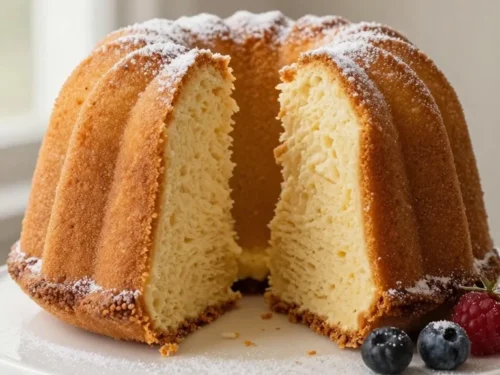
This orange pound cake recipe makes a moist, buttery Bundt cake with a fine, tender crumb and bright flavor from freshly squeezed orange juice and the finely grated zest of two large oranges. The cake takes about 20 to 30 minutes to prepare, bakes at 325°F for 70 to 85 minutes, and yields 12 to 16 servings.
A simple orange glaze adds a sweet, tangy finish without hiding the rich pound cake beneath it. Sour cream keeps every slice soft, while careful creaming of the butter and sugar creates the classic even texture that makes this fruit dessert perfect for brunches, holidays, afternoon coffee, or a family gathering.
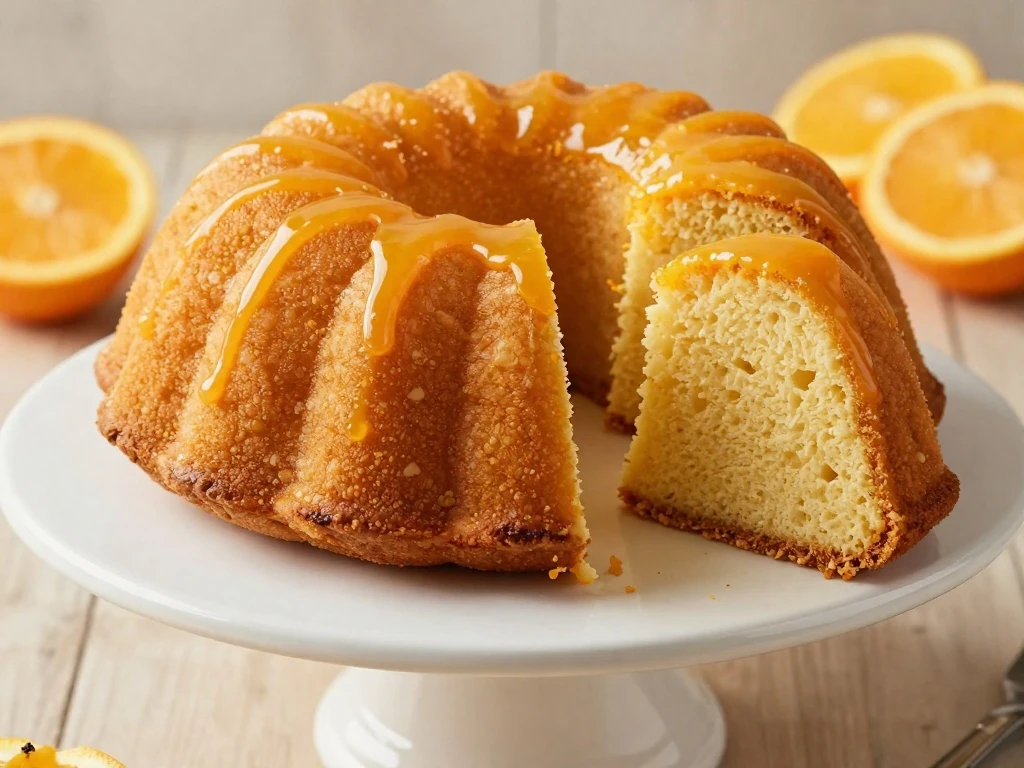
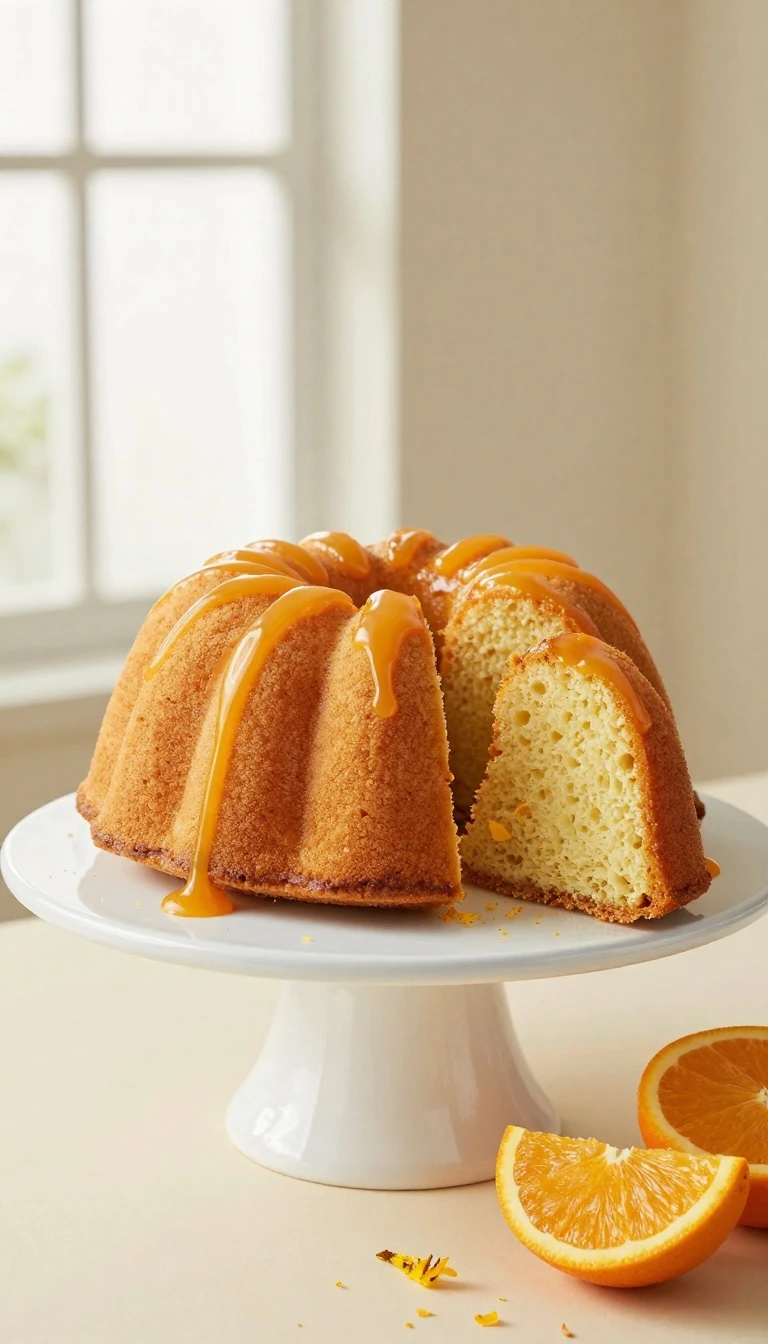
This is the kind of cake that looks impressive on a dessert table but follows a wonderfully straightforward method. The tall Bundt shape gives each slice beautiful ridges, while the orange glaze settles into the grooves and makes the cake shine.
The flavor is balanced rather than sharply sour. Butter and vanilla provide a rich foundation, fresh orange brings fragrant sweetness, and sour cream adds gentle tang along with moisture.
Because this recipe serves 12 to 16, it is a reliable choice when you need a dessert that can be sliced generously. For another classic approach to this style of cake, you can also compare this pound cake method with a traditional favorite.
Ingredients You’ll Need
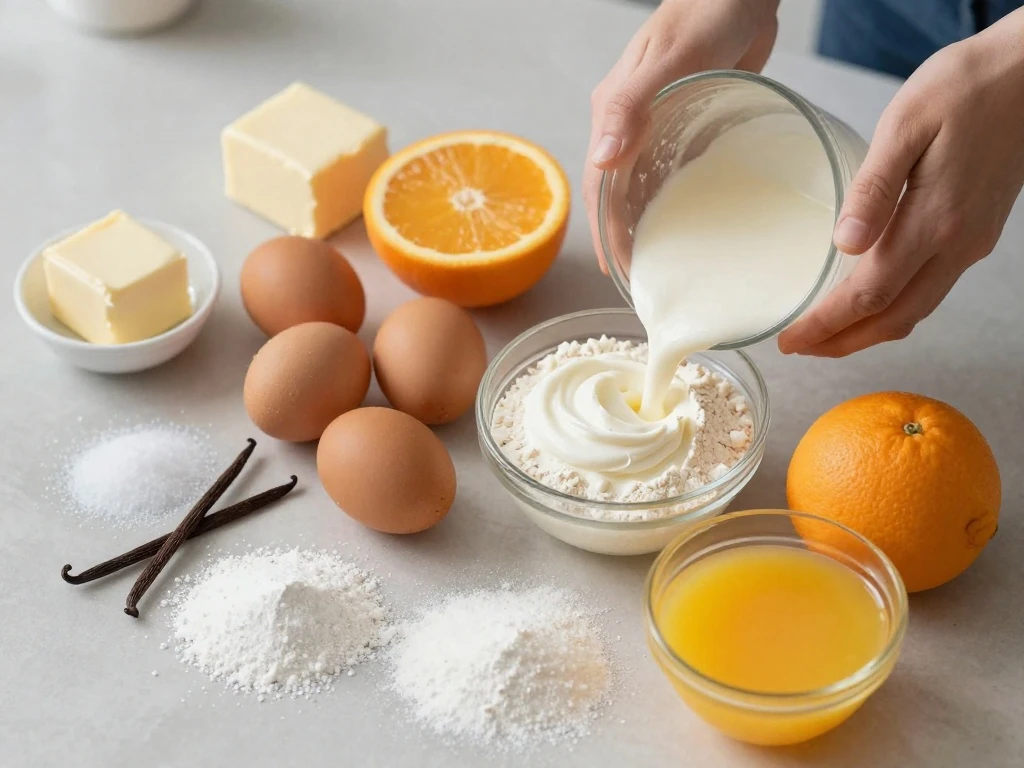
The ingredient list is familiar, but each item has an important role in the final crumb. Choose fresh citrus and full-fat dairy whenever possible for the fullest flavor and softest texture.
Butter: Use 1 1/2 cups of unsalted butter, softened to room temperature. It should be pliable but not melted.
Sugar: Three cups of granulated sugar sweeten the cake and help create a light, airy batter during creaming.
Eggs: Six large, room-temperature eggs provide structure, richness, and moisture.
Flour: Use 3 cups of all-purpose flour, approximately 360 to 375 grams. Measure by spooning it into a cup and leveling the top.
Citrus: Fresh juice and finely grated zest from two large oranges create a more vivid aroma than bottled juice.
Sour cream: Half a cup of sour cream or full-fat plain yogurt keeps the crumb tender without making the batter heavy.
Glaze: Confectioners’ sugar, fresh orange juice, and optional orange zest form a quick icing for the cooled cake.
Before mixing, zest the oranges while they are firm and clean, taking only the bright outer peel. Avoid the white pith underneath because it can taste bitter.
How to Make It Step-by-Step
Step 1: Heat the oven to 325°F (165°C), then prepare a 10-inch Bundt or tube pan. Grease and flour it thoroughly, including the center tube and all decorative grooves, because the rich batter needs a clear path when it is turned out.
Step 2: Whisk the flour, baking powder, and salt in a medium bowl. A quick, thorough whisk prevents a pocket of baking powder or salt from ending up in one part of the cake.
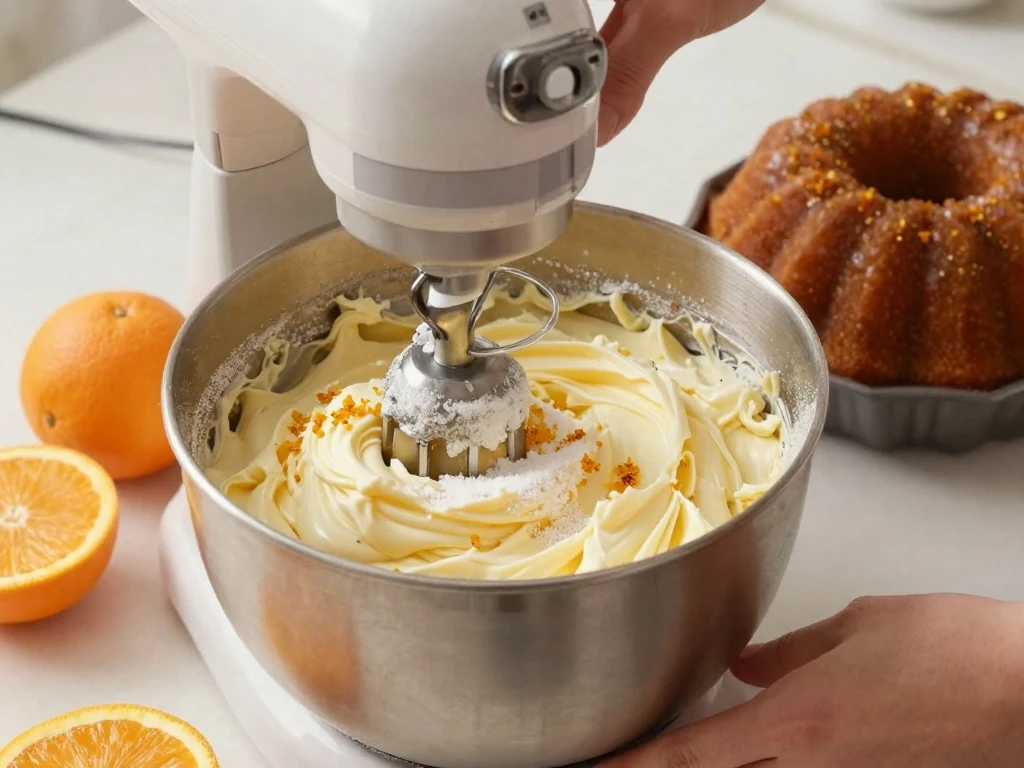
Step 3: Place the softened butter and sugar in a large mixing bowl and beat on medium speed for 4 to 6 minutes. Stop to scrape the bowl as needed, and continue until the mixture looks pale, fluffy, and noticeably increased in volume.
Step 4: Add the eggs one at a time, beating well after every addition. Room-temperature eggs blend more smoothly into the butter mixture, reducing the chance of a curdled-looking batter.
Step 5: Mix in the orange zest, orange juice, and vanilla extract. The zest carries fragrant citrus oils, so make sure it is evenly dispersed rather than clumped in one area.
Step 6: Add the dry ingredients in three additions, alternating with the sour cream in two additions. Begin and finish with the flour mixture, and mix only until no obvious streaks remain to protect the cake’s tender crumb.
Step 7: Spoon the batter into the prepared pan and smooth the top. If necessary, use a spatula to push batter into the ridges, then gently tap the pan once or twice to remove large air pockets.
Step 8: Bake for 70 to 85 minutes. Begin checking near the lower end of the range, but remember that Bundt pans and ovens vary; a skewer inserted into the thickest center area should come out clean or with a few moist crumbs.
Step 9: Let the cake cool in the pan for 10 to 15 minutes before turning it onto a rack. Cooling briefly helps it release while it is still warm, but leaving it in the pan too long can encourage sticking.
Step 10: Cool the cake completely, then whisk the confectioners’ sugar with enough orange juice to make a thick but pourable glaze. Drizzle it slowly over the top, allowing it to run naturally down the ridges.
Pro Tips for a Tender Orange Crumb
The creaming stage is the most important texture-building step. Four to six minutes may feel lengthy, but thoroughly beaten butter and sugar help produce the fine, even crumb associated with pound cake.
Room-temperature ingredients also matter. Cold eggs or sour cream can make the batter less uniform, while softened butter creams properly; set these ingredients out before you begin measuring.
Fresh orange zest gives this cake its most noticeable aroma. Squeeze the oranges after zesting, and strain out seeds before measuring the 1/2 cup of juice for the batter.
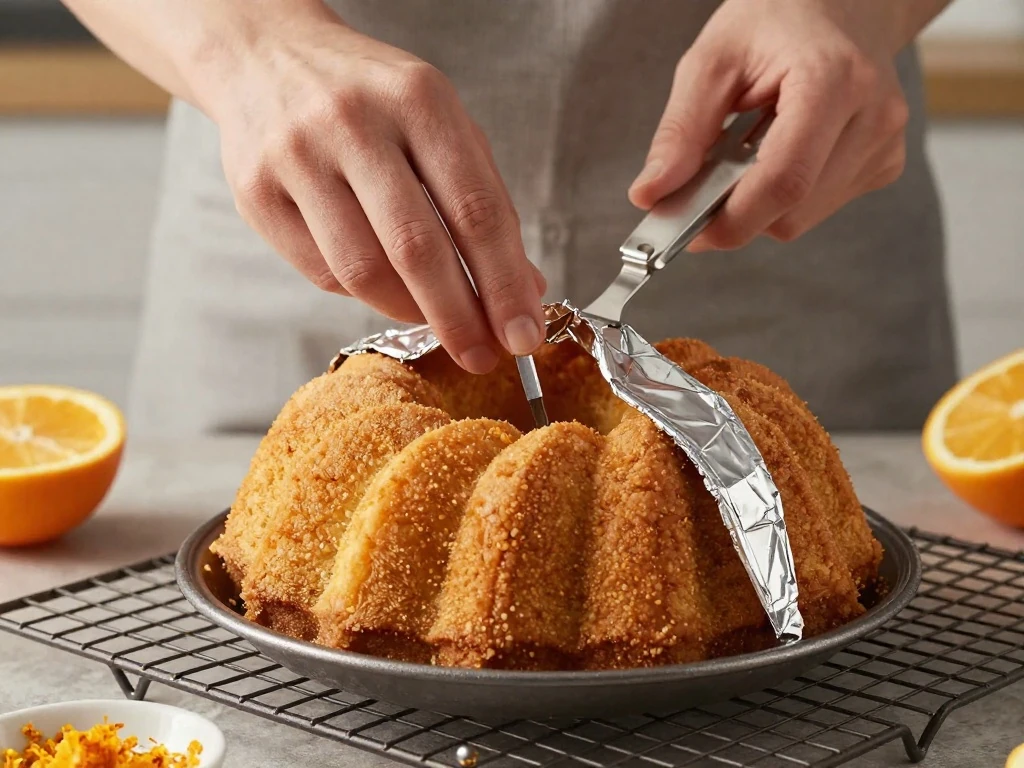
Do not judge doneness by the clock alone. If the top becomes dark before the center is baked, tent the cake loosely with foil and continue baking until the skewer test is successful.
If you enjoy comparing family-style versions of this dessert, this classic pound cake guide offers another useful point of reference for mixing and baking techniques.
Serving Ideas and Flavor Variations
Serve slices at room temperature so the butter flavor and orange fragrance are easy to appreciate. A small spoonful of lightly sweetened whipped cream or a few fresh orange segments makes a simple presentation feel special.
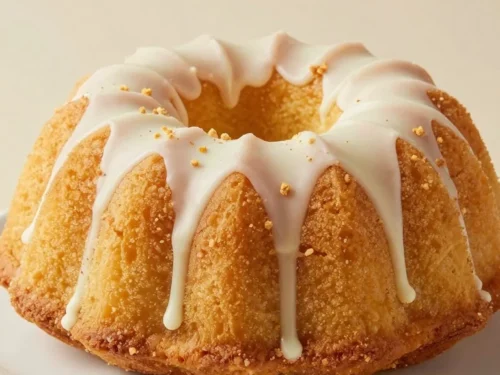
For a more pronounced citrus finish, add the optional teaspoon of orange zest to the glaze. The tiny flecks look attractive against the white icing and reinforce the flavor already built into the cake.
A traditional variation is to brush the hot cake with a simple orange syrup made by briefly simmering orange juice and sugar together, then glaze it after cooling. If you prefer a more grown-up note, some versions include 1 to 2 tablespoons of orange liqueur such as Grand Marnier or Cointreau.
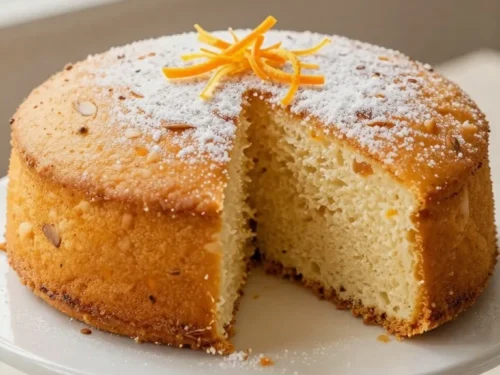
For a no-glaze presentation, dust the completely cooled cake with confectioners’ sugar. The cake remains flavorful on its own, especially when made with fragrant oranges.
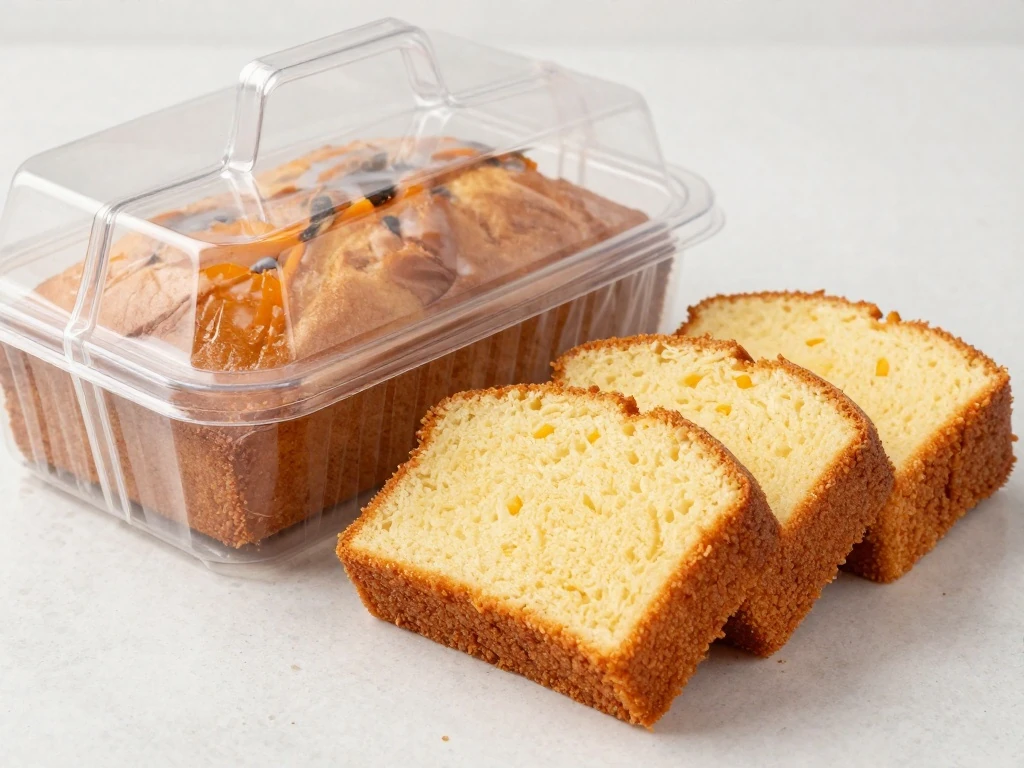
Keep the cooled, glazed cake covered at room temperature for up to several days. A cake keeper or loosely sealed container protects the crumb while preventing the glaze from being crushed.
For longer storage, wrap individual unglazed slices tightly and freeze them in an airtight container. Thaw slices at room temperature, then add glaze after thawing if you want the freshest-looking finish.
The cake can be baked a day ahead, which often makes serving day easier. Let it cool completely before covering, and wait to slice until you are ready to serve so the interior stays moist.
Orange Pound Cake Recipe
A traditional orange pound cake made with fresh citrus juice, orange zest, butter, sour cream, and a glossy orange glaze. It bakes in a 10-inch Bundt or tube pan and serves 12 to 16 people.
Heat the oven to 325°F (165°C). Grease and flour a 10-inch Bundt or tube pan thoroughly, making sure the center tube and every decorative groove are coated.
Whisk the all-purpose flour, baking powder, and salt together in a medium bowl. This distributes the leavening and salt evenly before they are added to the batter.
Beat the softened butter and granulated sugar on medium speed for 4 to 6 minutes, until the mixture is very light and fluffy. Scrape the bowl once or twice so the butter creams evenly.
Add the room-temperature eggs one at a time, beating well after each addition. Scrape down the sides of the bowl as needed before adding the next egg.
Mix in the orange zest, fresh orange juice, and vanilla extract until the citrus aroma is evenly distributed. The mixture may look slightly loose, which is fine.
Add the flour mixture in three additions, alternating with the sour cream in two additions. Mix only until the batter is combined, taking care not to overbeat once the flour goes in.
Transfer the batter to the prepared pan and smooth the top with a spatula. Gently tap the pan on the counter once or twice to release any large air pockets.
Bake for 70 to 85 minutes, checking the center with a skewer toward the end of the baking time. The skewer should come out clean or with a few moist crumbs, and the top should be deeply golden.
Cool the cake in the pan for 10 to 15 minutes, then carefully turn it out onto a wire rack. Let it cool completely before glazing so the icing stays thick and visible.
Whisk the confectioners’ sugar with 2 to 3 tablespoons of fresh orange juice, adding the juice gradually until the glaze is thick but pourable. Stir in the optional orange zest, then drizzle it over the cooled cake.
Notes
Use freshly squeezed juice and freshly grated zest for the strongest orange flavor. Bring the butter, eggs, and sour cream to room temperature, and test the cake in the center rather than relying only on the stated baking time. Tent the cake loosely with foil if the top browns too quickly.
Final Thoughts
This orange pound cake brings together everything that makes a classic fruit dessert memorable: a buttery crumb, fresh citrus fragrance, gentle tang from sour cream, and a simple glaze that catches the light. The method rewards patience, especially during the butter-and-sugar creaming stage and the final center-doneness check.
Prepare it for a weekend brunch, afternoon tea, a holiday buffet, or any gathering that calls for a dependable homemade cake. Once the glaze sets, slice it generously and serve it with coffee, tea, or a little whipped cream for a bright and comforting finish.