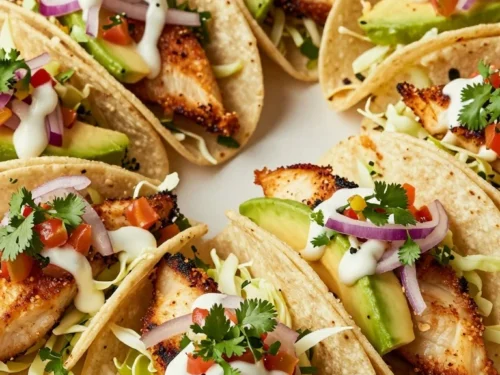
This crispy slow cooker carnitas recipe turns a 3- to 4-pound pork shoulder into tender, citrus-seasoned pork with deeply browned edges. Cook the seasoned pork on LOW for 8 to 10 hours or on HIGH for 4 to 5 hours, shred it, moisten it with the reserved cooking juices, and broil or pan-crisp it for 5 to 10 minutes before serving.
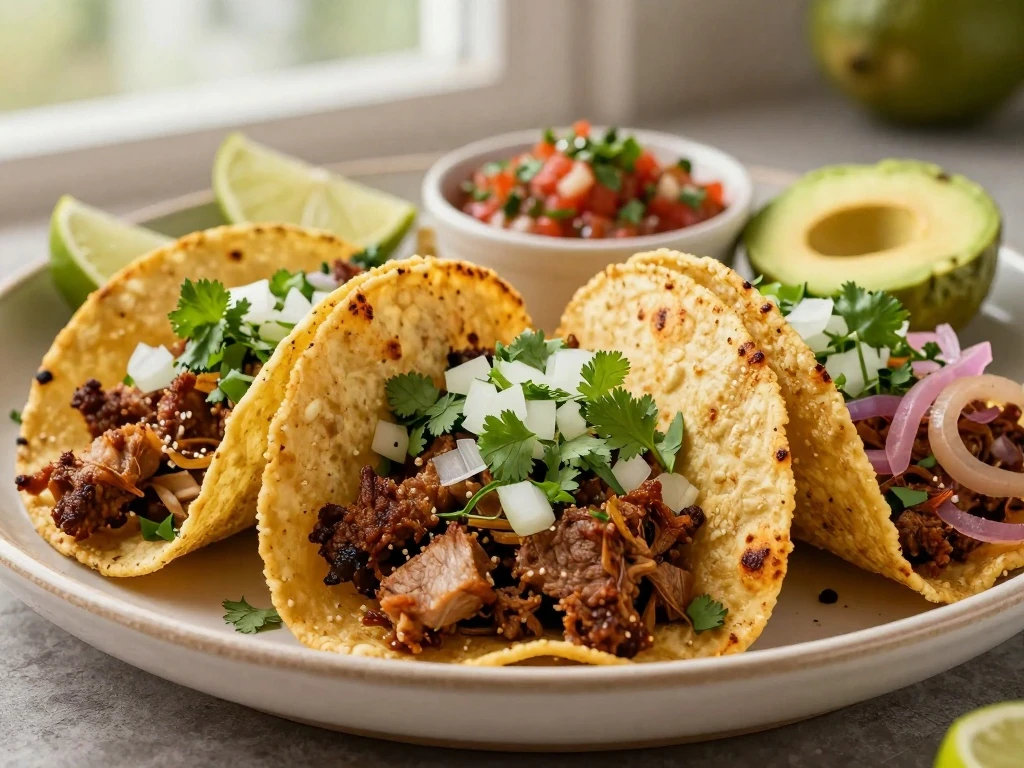
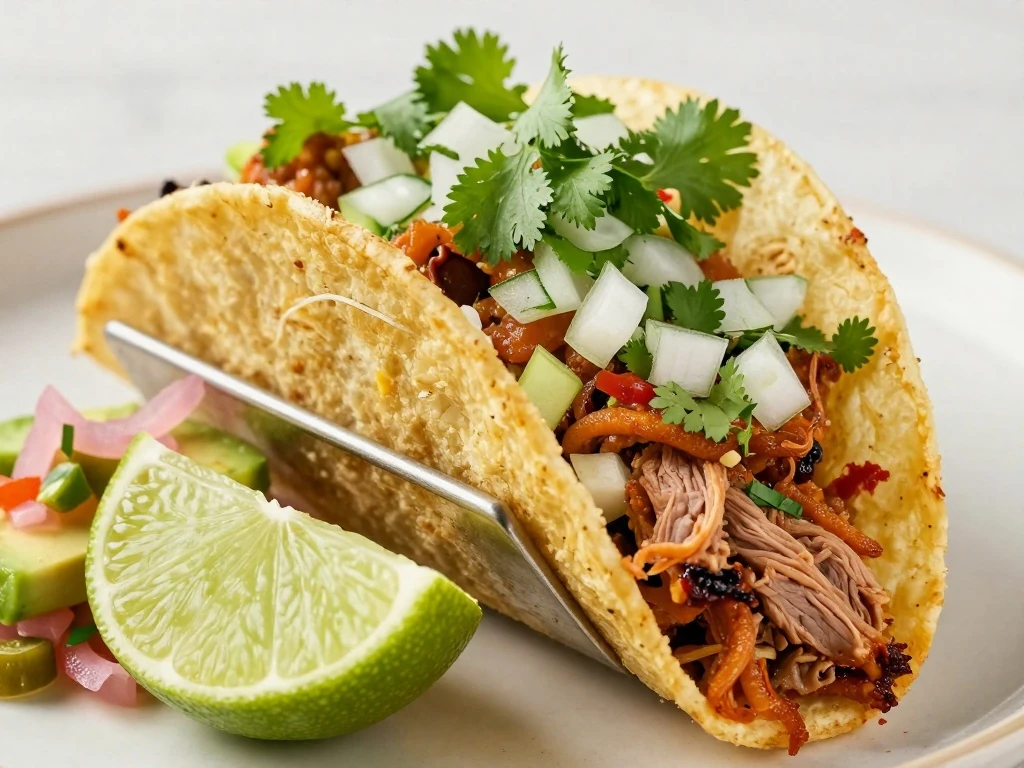
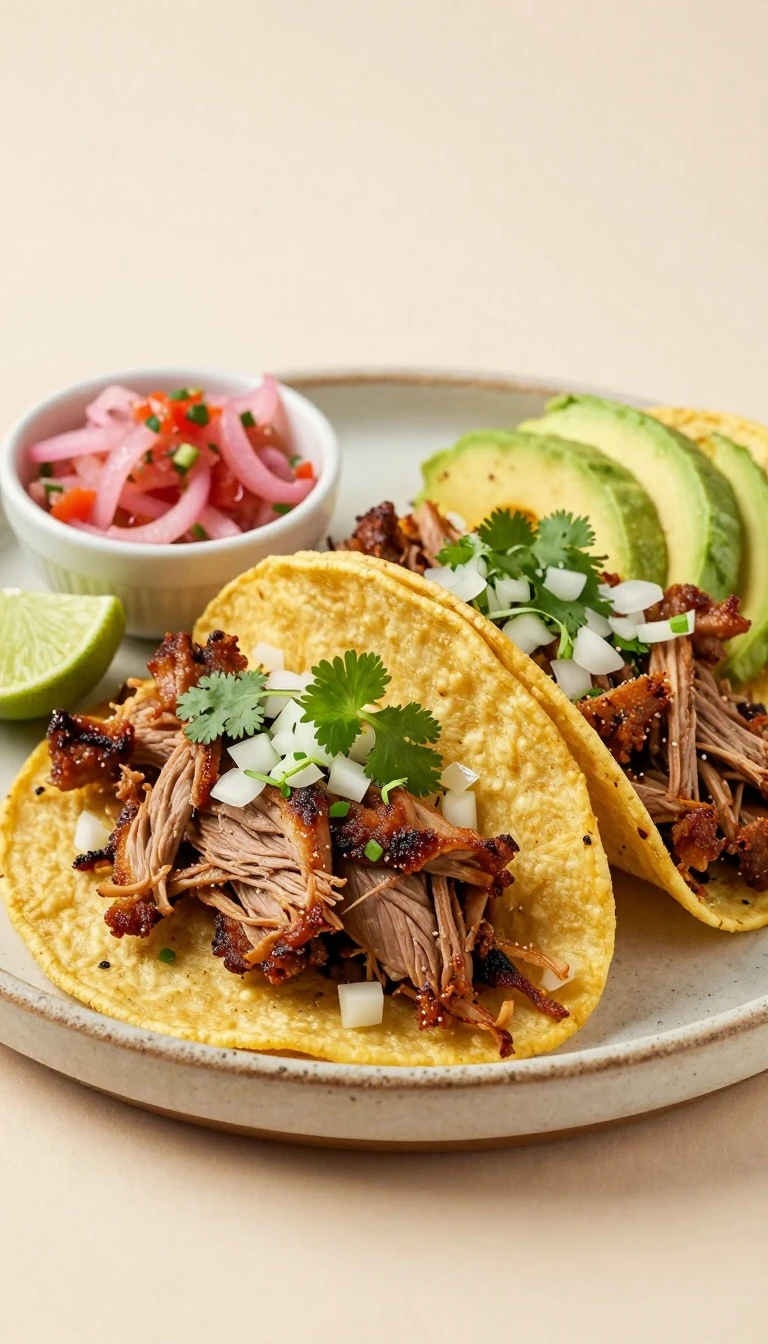
The finished carnitas are juicy in the center, crisp around the edges, and flavored with orange, lime, garlic, cumin, oregano, and onion. Serve them in corn tortillas with cilantro, diced onion, salsa, avocado, lime wedges, or pickled onions for an easy dinner that works beautifully for family meals, game-day gatherings, and casual celebrations.
These carnitas deliver the contrast that makes great taco filling so satisfying: soft, succulent pork beneath crackly, toasted edges. The slow cooker handles the long cooking time while citrus and aromatics create a savory broth that can be spooned back over the shredded meat.
This is also an excellent occasion recipe because most of the work can be done ahead. Cook and shred the pork earlier in the day, reserve the juices, and crisp the meat just before serving so guests get hot carnitas with fresh toppings.
Unlike pork loin, pork shoulder contains the fat and connective tissue needed for tender carnitas. Cutting the meat into large chunks helps the seasoning reach more surfaces and makes the pork easier to shred once it is fully cooked.
Ingredients You’ll Need
Choose a boneless pork shoulder or pork butt weighing 3 to 4 pounds. Trim away only excess surface fat; leaving some behind helps protect the meat during the long cook and gives the finished carnitas a rich, full flavor.
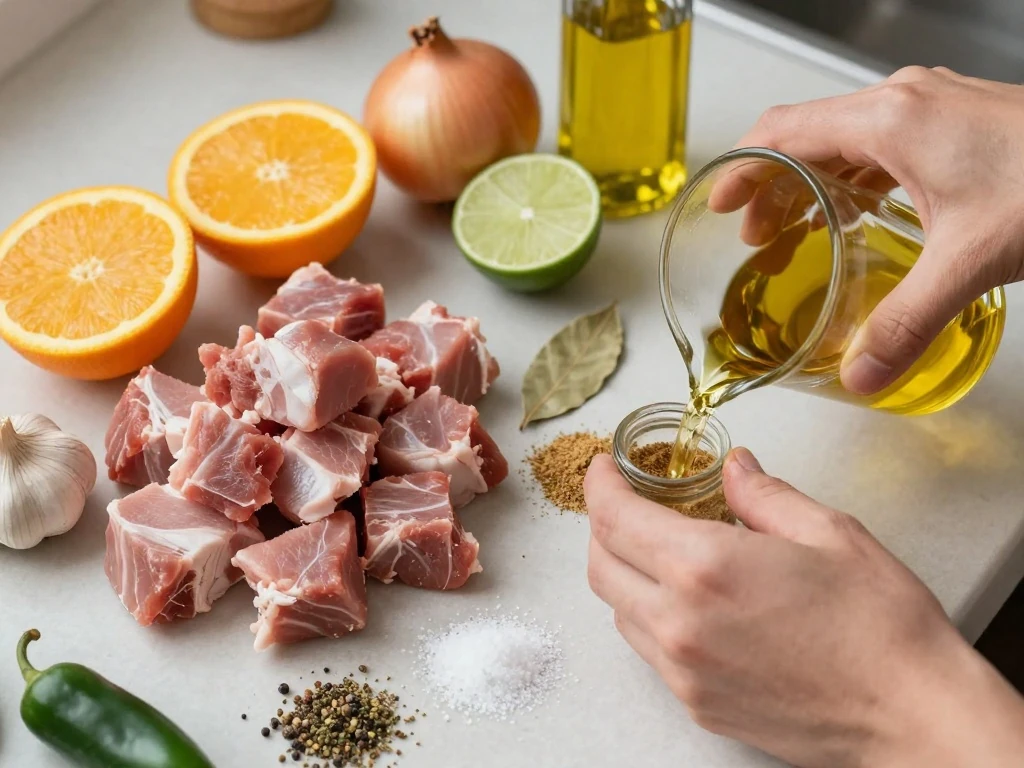
Pork: 3 to 4 pounds boneless pork shoulder or pork butt, cut into 2- to 3-inch chunks.
Seasoning: 2 teaspoons kosher salt, 1 to 2 teaspoons ground cumin, 1 teaspoon dried oregano, and 1 teaspoon black pepper.
Aromatics: One quartered yellow onion, four smashed or minced garlic cloves, two bay leaves, and one seeded chopped jalapeño if you want gentle heat.
Citrus: Juice from one large orange, about 1/3 cup, juice from one lime, about 2 tablespoons, and optional orange zest.
Liquid: Up to 1/2 cup chicken broth or water, only if needed for your slow cooker.
Crisping fat: One to 2 tablespoons vegetable oil or reserved pork fat for skillet cooking.
Mexican oregano has a bright, slightly citrusy character that fits this recipe especially well, but ordinary dried oregano also works. If your orange is especially fragrant, add the zest for an extra layer of citrus aroma.
How to Make It Step-by-Step
Step 1: Trim the pork shoulder, leaving a modest amount of fat in place, and cut it into 2- to 3-inch chunks. Smaller pieces season more evenly than one large roast and will pull apart readily after the slow cooking stage.
Step 2: Combine the kosher salt, cumin, oregano, and black pepper, then rub the mixture over every piece of pork. A thorough coating at this stage ensures the seasoning remains present after the meat is shredded.
Step 3: Place the onion, garlic, jalapeño, orange juice, lime juice, optional orange zest, and bay leaves in the slow cooker. Add the seasoned pork and up to 1/2 cup broth or water if your cooker needs extra liquid, but do not drown the meat.
Step 4: Cover the slow cooker and cook on LOW for 8 to 10 hours or HIGH for 4 to 5 hours. Check for doneness by pressing a fork into the pork; it should separate easily with very little resistance.
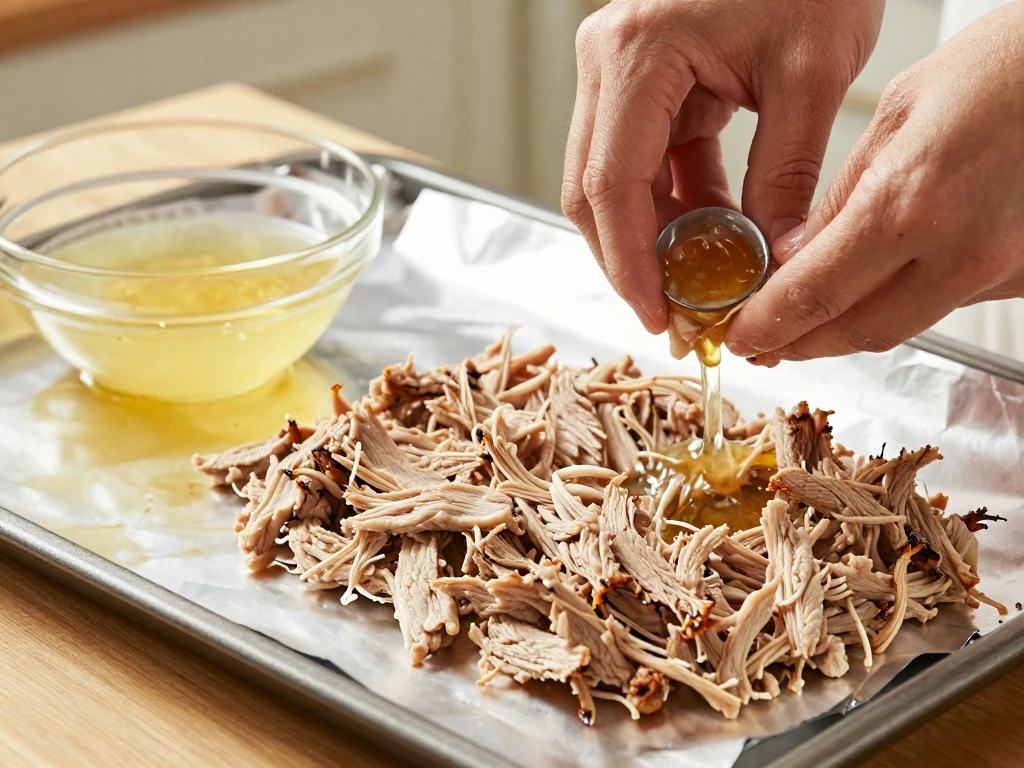
Step 5: Move the tender pork to a bowl or baking sheet and shred it into bite-sized strands. Pick out the bay leaves and remove large pieces of fat and onion, but keep the cooking liquid because it is essential for moist, flavorful crisping.
Step 6: Strain the cooking liquid into a bowl or measuring cup. Arrange the shredded pork in a single layer on a foil-lined baking sheet and spoon some of the liquid over the top, using enough to moisten without making the meat soupy.
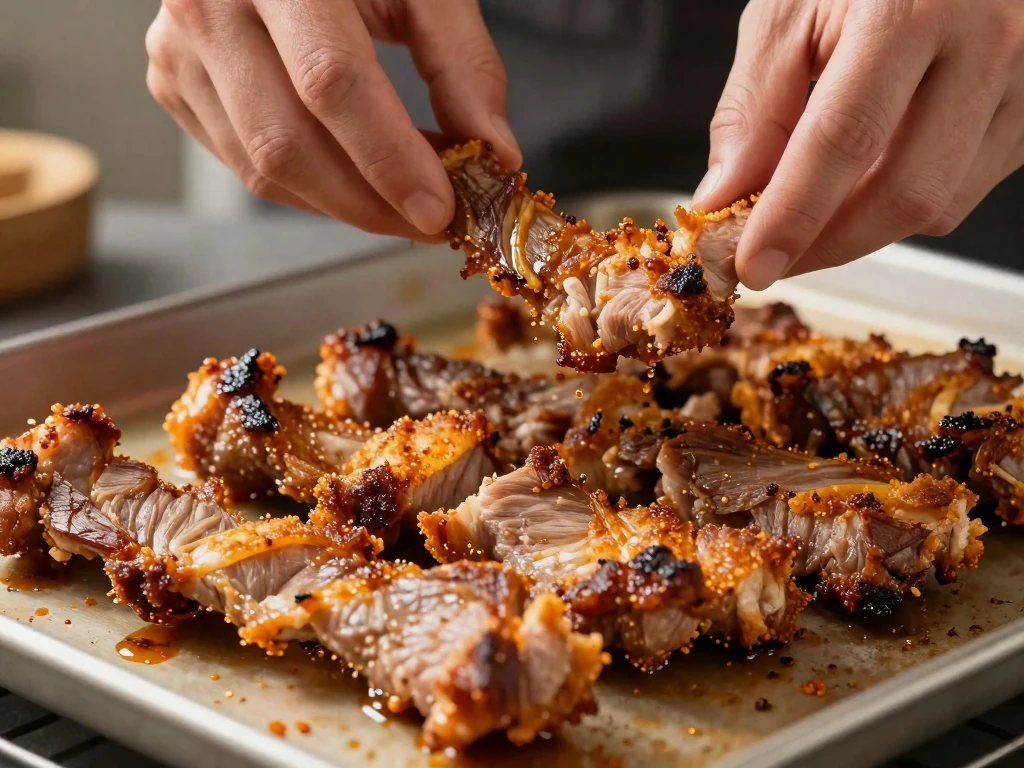
Step 7: Broil the pork 4 to 6 inches from the heat for 3 to 5 minutes, watching closely as the edges brown. Toss the meat, add a little more strained liquid, and broil for another 2 to 4 minutes until you have a mix of tender strands and crisp pieces.
Step 8: If you prefer a skillet, heat 1 to 2 tablespoons oil or reserved pork fat and crisp the pork in batches for 8 to 12 minutes. Leave the meat undisturbed for short periods so it can develop browned contact points, then turn it gently.
Step 9: Taste the hot carnitas and add a spoonful of reserved juice if needed. Serve immediately in warm corn tortillas or use the meat for rice bowls, nachos, salads, or loaded baked potatoes.
How to Get the Crispiest Edges
The final high-heat step is what separates ordinary shredded pork from carnitas with irresistible texture. Spread the meat in a single layer so the exposed surfaces brown instead of steaming.
If your baking sheet is crowded, work in batches. Add a little reserved juice after the first broil, not too much, because moisture helps the pork stay juicy but excess liquid can slow browning.
Keep a close eye on the broiler. The edges can move from beautifully bronzed to burnt quickly, especially when the pork is positioned close to the heat source.
For a skillet method, use medium-high to high heat and give the pork enough room to touch the pan. Reserved pork fat adds especially rich flavor, while vegetable oil offers a clean, dependable alternative.
Read More:easy cake balls for a simple dessert to serve after a casual taco gathering.
Serving Ideas for Any Occasion
Build a taco spread with warm corn tortillas, chopped cilantro, diced onion, lime wedges, salsa, avocado, and pickled onions. Set out the toppings separately so everyone can create a plate with the right balance of richness, acidity, heat, and freshness.
For a larger meal, serve carnitas with cilantro-lime rice, black beans, a crunchy cabbage salad, or roasted vegetables. The pork also makes an excellent filling for quesadillas and tortas, and crisp leftovers can be scattered over scrambled eggs.
A fresh salsa adds brightness, while creamy avocado balances the toasted pork edges. Lime should be added at the table rather than during the long cook, allowing its sharp flavor to remain lively.
For dessert, a fruit-forward option such as this raspberry cake brings a sweet, colorful finish to a festive Mexican-inspired dinner.
Storage, Reheating, and Make-Ahead Tips
Cool leftover carnitas promptly and store them in an airtight container with a little reserved cooking liquid. Refrigerated pork keeps well for up to 4 days, and the added juice helps prevent the shredded meat from drying out.
Reheat the pork in a hot skillet until warmed through and crisp at the edges. You can also spread it on a baking sheet and warm it in the oven, adding a small spoonful of cooking liquid before heating.
For entertaining, slow-cook and shred the pork several hours ahead. Keep it covered with some strained juices, then broil or skillet-crisp it shortly before serving so the texture is at its best.
If you are planning a dessert table, a colorful swirled marble cake can be prepared ahead while the carnitas cook.
Common Questions About Carnitas
Can I use pork loin? Pork shoulder is the better choice because its fat and connective tissue produce tender, flavorful meat during the long cooking time. Pork loin is much leaner and is more likely to turn dry.
Should the pork be browned first? It is not required for this method. The most important browning happens after shredding, when the meat is spread out and exposed to direct broiler heat or a hot skillet.
Why reserve the slow-cooker liquid? The juices carry citrus, garlic, onion, and pork flavor. Spoon them over the shredded meat before crisping to keep the inside juicy while the edges brown.
Can I leave the jalapeño out? Yes. The jalapeño is optional, so omit it for a mild batch or keep the seeds removed for a gentler level of heat.
Crispy Slow Cooker Carnitas
Pork shoulder cooks slowly with citrus, garlic, onion, cumin, oregano, and bay leaves until fork-tender, then gets shredded and crisped under the broiler or in a skillet. The reserved cooking juices keep every bite moist and flavorful.
Trim only excess surface fat from the pork shoulder, leaving some fat attached for flavor and tenderness. Cut the pork into 2- to 3-inch chunks, then season thoroughly with kosher salt, cumin, oregano, and black pepper.
Add the onion, garlic, jalapeño, orange juice, optional orange zest, lime juice, and bay leaves to the slow cooker. Add up to 1/2 cup chicken broth or water if the cooker needs additional liquid, then arrange the seasoned pork over the aromatics.
Cover and cook on LOW for 8 to 10 hours or on HIGH for 4 to 5 hours. The pork is ready when it is very tender and pulls apart easily with a fork.
Transfer the pork to a bowl or baking sheet and shred it with two forks. Remove large pieces of fat, the onion pieces, and both bay leaves, while keeping the flavorful cooking liquid in the slow cooker.
Strain the cooking liquid and reserve it. Spread the shredded pork in a single layer on a foil-lined baking sheet, then spoon some of the strained liquid over the meat so it stays juicy during crisping.
Broil the pork 4 to 6 inches from the heat until the edges are browned and crisp, usually 3 to 5 minutes. Toss the pork, add a little more cooking liquid, and broil again for 2 to 4 minutes.
For skillet crisping, heat 1 to 2 tablespoons vegetable oil or reserved pork fat in a hot skillet. Crisp the shredded pork in batches for 8 to 12 minutes, turning occasionally and avoiding overcrowding.
Serve the hot carnitas in corn tortillas with cilantro, diced onion, lime wedges, salsa, avocado, or pickled onions. Pass extra strained cooking juices at the table for spooning over tacos, bowls, or rice.
Notes
Do not discard the cooking juices; strain and use them to moisten the shredded pork before broiling or pan-crisping. Store leftovers with a little cooking liquid in an airtight container for up to 4 days, and reheat in a hot skillet or oven until warmed and crisp.
Final Thoughts
This crispy slow cooker carnitas recipe is a reliable way to make tender, flavorful pork for both weeknight dinners and relaxed gatherings. The slow cooker develops the flavor, the reserved juices protect the meat from drying out, and the final broil or skillet sear creates the browned edges everyone reaches for first.
Prepare plenty of tortillas and toppings, crisp the pork in batches, and let each person build their own tacos. With bright citrus, fragrant spices, juicy pork, and crunchy edges in every bite, this is the kind of occasion meal that feels special without demanding constant attention in the kitchen.