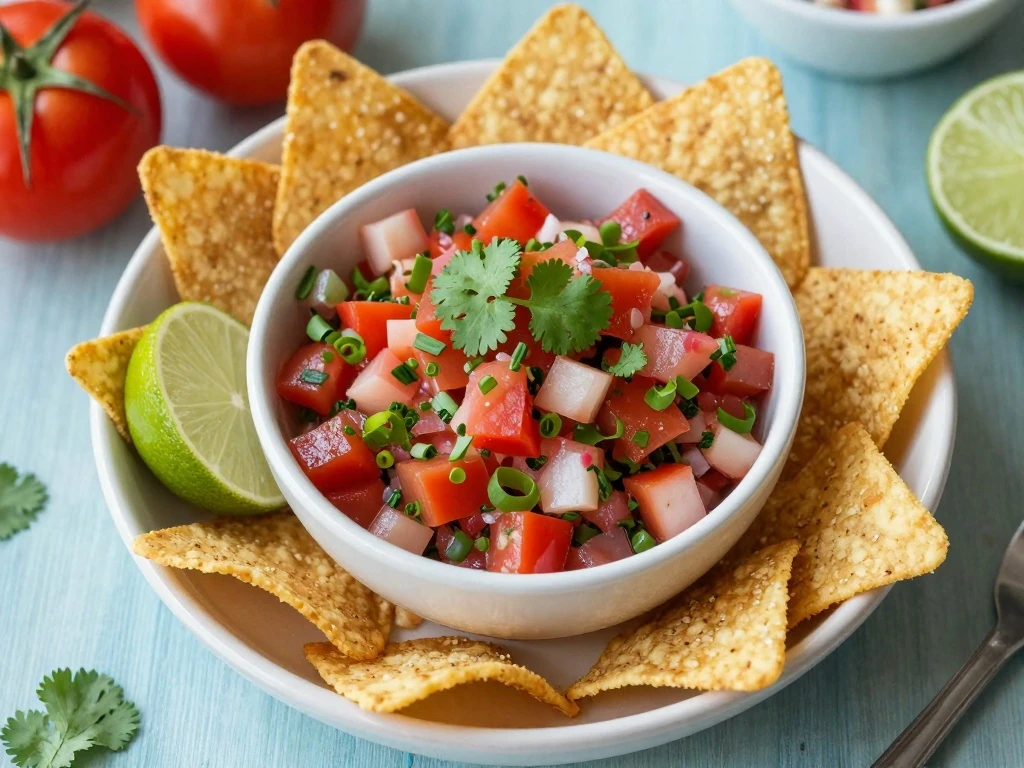
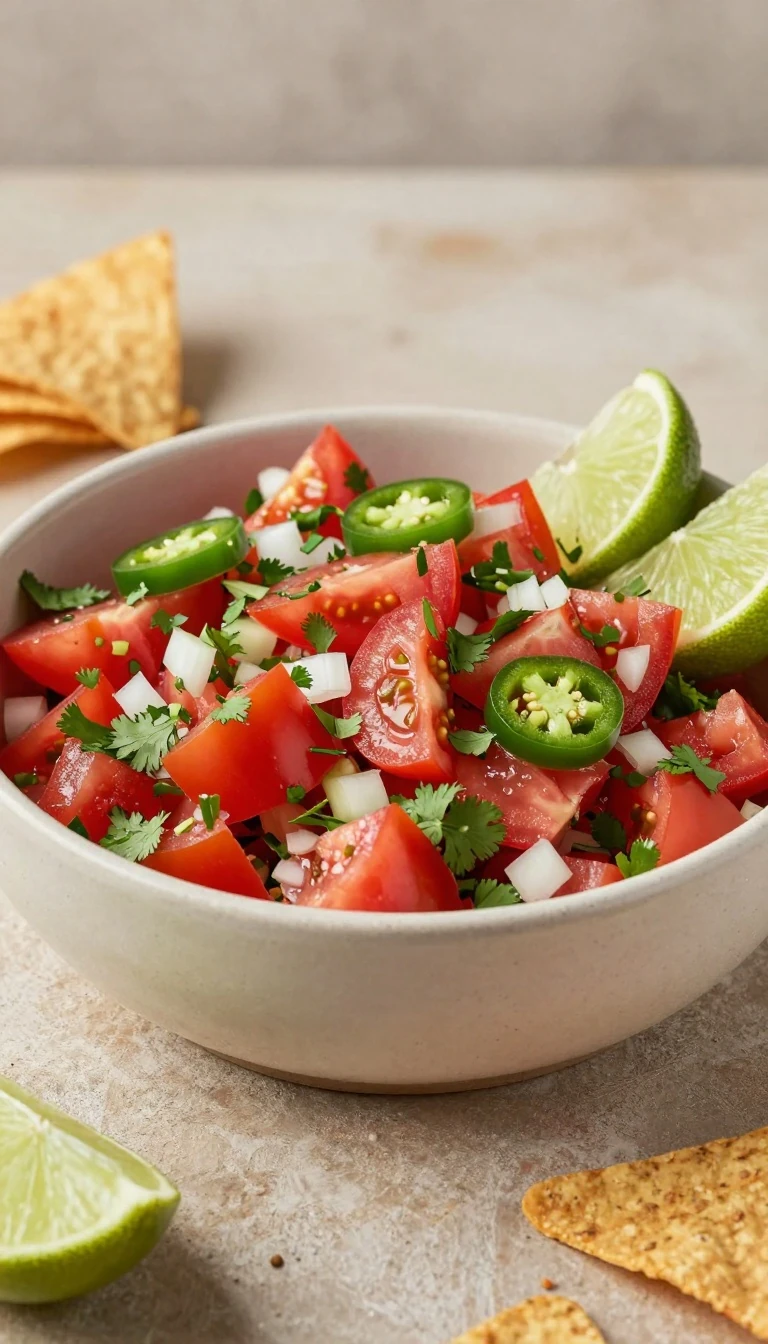
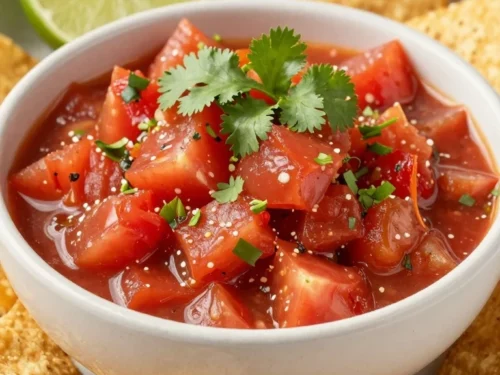
Steve’s Wonderful and Relatively Uncomplicated Pico de Gallo is a classic no-cook salsa made with five ripe tomatoes, onion, cilantro, jalapeño, lime juice, and salt. It takes about 15 to 20 minutes to prepare, needs no cooking, and tastes best after resting for 15 to 60 minutes so the fresh ingredients can mingle.
This pico de gallo is juicy, bright, crisp, and gently spicy, with enough lime to sharpen the sweetness of the tomatoes without hiding their flavor. Serve it with tortilla chips, spoon it over tacos, or use it as a fresh topping for grilled meats, beans, eggs, and rice; for another take on this style of salsa, you can also compare it with our classic pico recipe.
This is the kind of recipe that proves a short ingredient list can produce a memorable dish. Every component has a clear role: tomatoes bring sweetness and juice, onion adds a crisp savory bite, cilantro contributes herbal freshness, jalapeño supplies heat, lime provides brightness, and salt brings the whole bowl into focus.
There is no saucepan, blender, roasting tray, or complicated technique required. Once the vegetables are chopped, the salsa simply needs a gentle stir and a little time to rest.
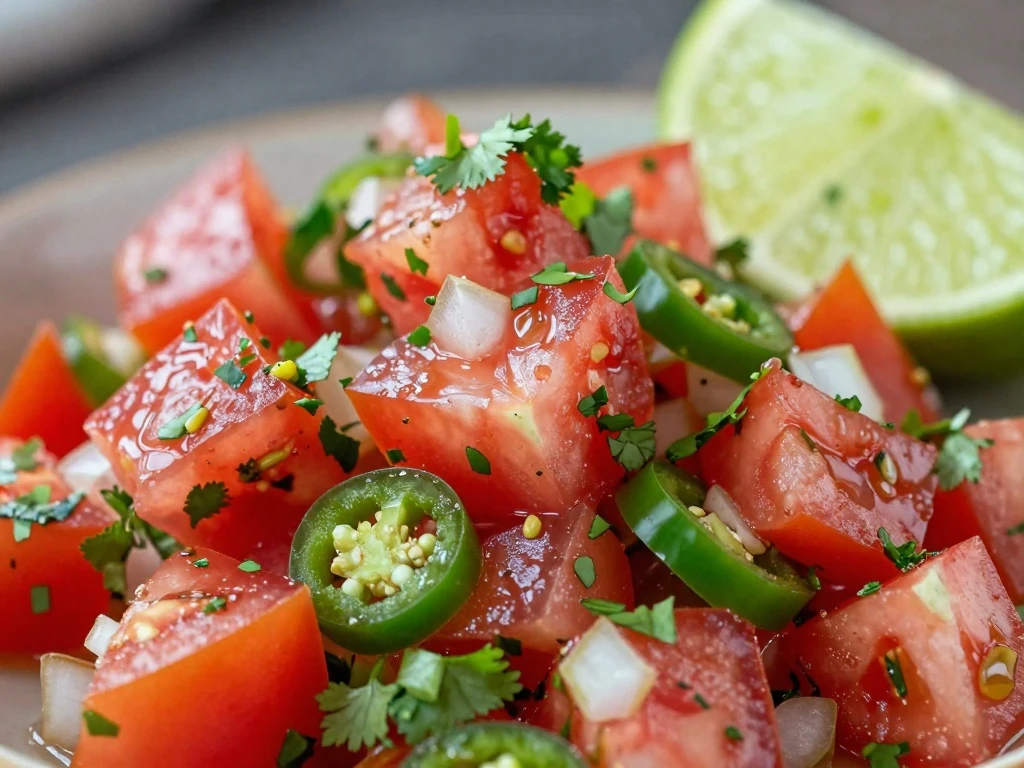
The texture is especially appealing because the tomatoes remain in small pieces rather than turning into a smooth purée. Each bite has a combination of tender tomato, crunchy onion, fragrant cilantro, and lively jalapeño.
For more inspiration from Cooldailyrecipes.com, serve this fresh salsa alongside other simple dishes that let colorful ingredients do the work.
Ingredients You’ll Need
Choose the ripest medium tomatoes you can find. They should feel firm enough to dice cleanly while still having a fragrant tomato aroma and a little give when pressed.
5 ripe medium tomatoes: Dice them into small, even pieces for a balanced texture.
1 medium white or yellow onion: Finely dice it so the onion does not overwhelm the tomato.
1/2 cup fresh cilantro: Chop the leaves and tender stems for a full, fresh flavor.
1 jalapeño: Seed and mince it for a milder salsa, or leave some of the membranes if you prefer more heat.
Juice of 1 lime: Add the fresh juice to brighten the mixture.
1 teaspoon salt: This seasons the vegetables and helps their natural flavors stand out.
Have a sharp knife, a cutting board, a medium mixing bowl, and a spoon ready. Since this is a no-cook preparation, clean cutting and thoughtful seasoning are the main tools for success.
How to Make It Step-by-Step
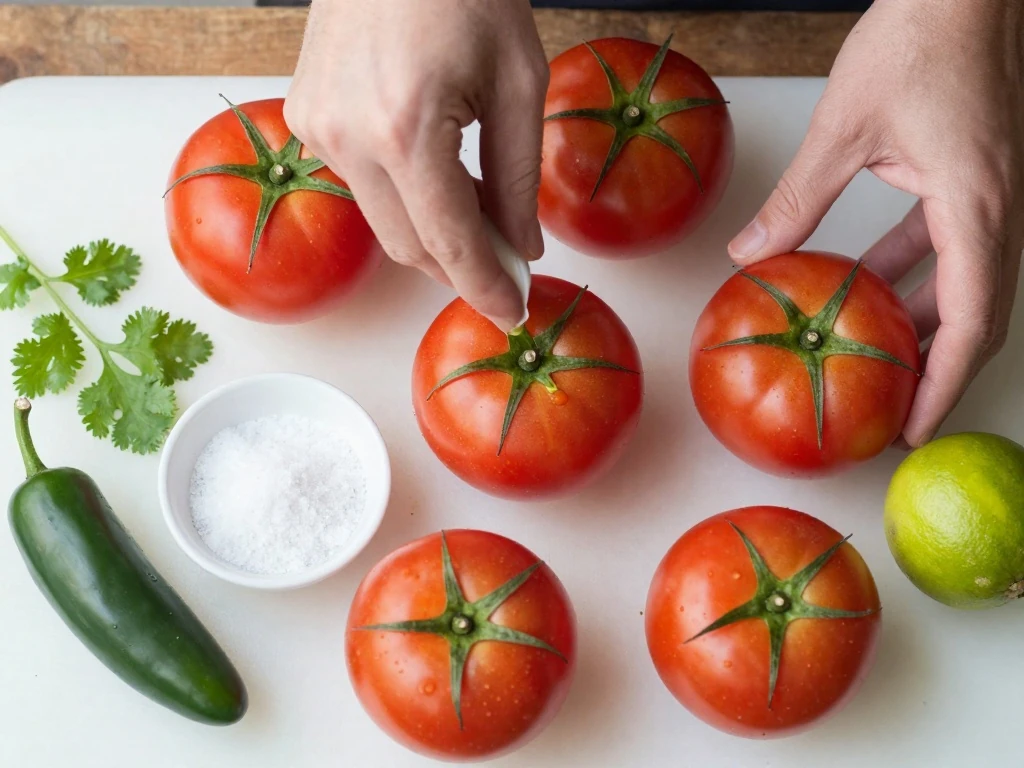
Step 1: Wash and dry the tomatoes, then dice them into small, even pieces. Consistent pieces make the salsa easier to scoop and ensure that tomato, onion, cilantro, and jalapeño appear together in each bite.
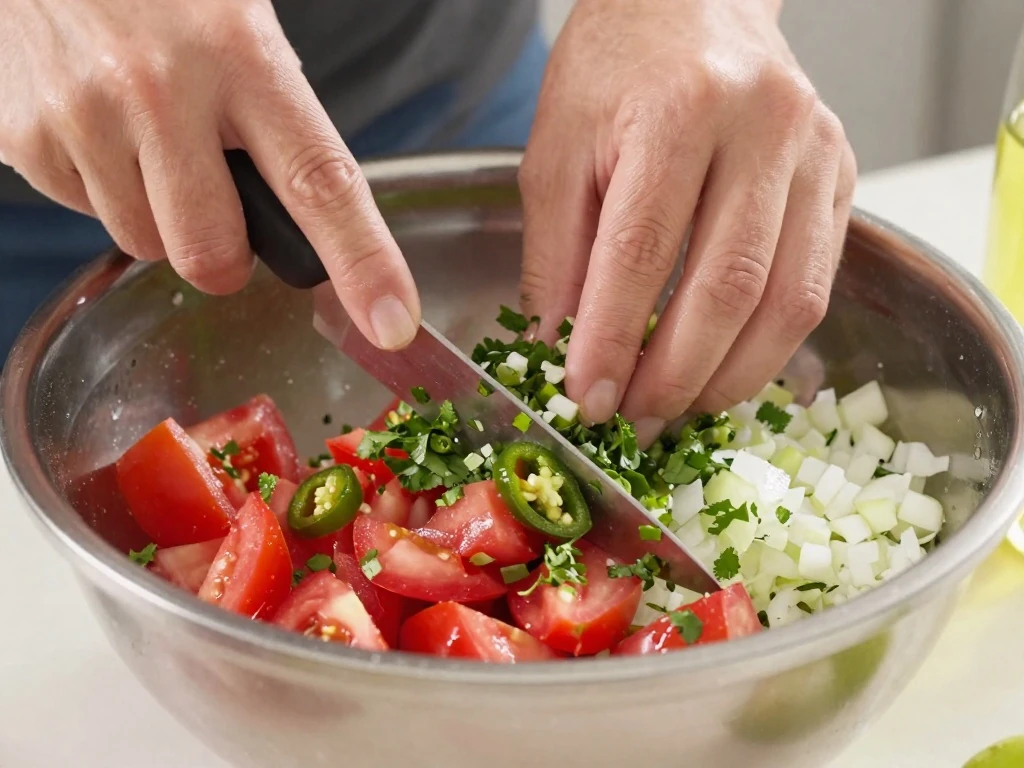
Step 2: Finely dice the white or yellow onion. A small dice keeps its crisp texture while allowing its savory flavor to blend with the tomato rather than dominating the bowl.
Step 3: Slice the jalapeño lengthwise and remove the seeds and membranes if you want a milder pico. Mince the pepper finely, taking care not to touch your eyes, and wash your hands and knife well afterward.
Step 4: Chop the fresh cilantro into small pieces. Include tender stems if you like their extra fragrance, but discard any tough lower stems before chopping.
Step 5: Combine the diced tomatoes, onion, cilantro, and minced jalapeño in a medium bowl. If your tomatoes are unusually watery, drain away some excess juice and seeds first so the finished salsa has a more scoopable consistency.
Step 6: Add the juice of one lime and one teaspoon of salt. Stir gently with a spoon, lifting from the bottom rather than crushing the tomatoes into a wet paste.
Step 7: Let the mixture stand for 15 to 60 minutes before serving. A rest of 15 to 30 minutes is often enough for the flavors to blend, while a longer rest gives the onion and jalapeño more time to season the tomato.
Step 8: Taste the pico near serving time and adjust the salt or lime if necessary. Because tomatoes release more liquid as they sit, this final check helps keep the flavor balanced and fresh.
Chef’s Tips for the Best Pico
The tomato is the foundation of this salsa, so freshness matters more than appearance. If the tomatoes are very ripe and full of juice, scoop out some seeds and drain the excess liquid before combining the ingredients.
Keep the knife cuts relatively small and similar in size. Large tomato chunks can make the salsa awkward to scoop, while uneven onion pieces may leave some bites sharply oniony and others without enough flavor.
Jalapeño heat can vary considerably. Removing both seeds and membranes creates a gentler salsa, while retaining some of the membrane gives you a hotter result without changing the ingredient list.
Be gentle when stirring. Pico de gallo should look freshly chopped, not mashed, and a light hand protects the clean contrast between the ingredients.
Season in stages only if needed, but remember that the recipe calls for one teaspoon of salt as the starting amount. Let the mixture rest before making a final adjustment because the flavors become more noticeable with time.
Use fresh lime juice rather than adding an unmeasured amount all at once. The juice of one lime is the stated quantity, but limes differ in size and juiciness, so tasting before serving is the best way to judge the final balance.
Ways to Serve This Fresh Salsa
The simplest serving idea is a bowl of pico alongside crisp tortilla chips. The juicy tomatoes cling to the chips, while the onion, cilantro, and jalapeño provide a fresh contrast to the salty crunch.
Spoon it over tacos, burrito bowls, quesadillas, grilled chicken, fish, or beans. It also works beautifully with scrambled eggs, baked potatoes, rice, and simple roasted vegetables.
For a casual meal, place the pico on the table with warm tortillas, seasoned beans, and a protein of your choice. Each person can add as much salsa as desired, making the bowl useful as both a topping and a bright side.
If you enjoy comparing fresh and more developed salsa styles, our Mexican salsa variation makes a useful companion for a salsa tasting spread.
Storage and Make-Ahead Advice
Pico de gallo is at its freshest shortly after the resting period, when the vegetables still have a lively texture. If you prepare it ahead, keep it covered and chilled until serving.
Tomatoes will continue releasing liquid as the mixture stands. Before serving leftovers, stir the salsa, taste it, and adjust the salt or lime if needed; you may also drain a little excess juice if the texture has become too wet.
This recipe is best made in a quantity you expect to enjoy within a short time because the vegetables gradually soften. A fresh batch is quick enough to prepare for the same meal, especially when the chopping is organized before mixing.
Common Questions
Can I make it less spicy? Yes. Remove the jalapeño seeds and membranes before mincing, and use the full pepper only if you want its fresh heat to be more noticeable.
Why did my pico become watery? Very ripe tomatoes naturally release juice, especially after lime and salt are added. Drain some tomato seeds and excess juice before mixing, then check the texture again after resting.
How long should it rest? Let it stand for 15 to 60 minutes. A 15 to 30 minute rest is a practical sweet spot, but taste it near serving time because the vegetables continue changing as they sit.
Can I use a food processor? Hand dicing is the better choice for this chunky preparation. A processor can quickly turn the tomatoes and onion into a watery, uneven mixture.
Steve's Wonderful and Relatively Uncomplicated Pico de Gallo
A fresh, no-cook pico de gallo with ripe tomatoes, onion, cilantro, jalapeño, lime, and salt. It is ready in minutes and becomes more flavorful after a short rest.
Dice the tomatoes and onion into small, even pieces. If the tomatoes are especially juicy, drain some excess juice and seeds for a thicker salsa.
Remove the jalapeño seeds and membranes for a milder result, then mince the pepper finely. Chop the cilantro and keep the pieces small enough to distribute throughout the salsa.
Combine the tomatoes, onion, cilantro, and jalapeño in a bowl. Add the lime juice and salt, then stir gently so the tomatoes keep their shape.
Let the pico de gallo stand for 15 to 60 minutes before serving so the flavors can blend. Taste near serving time and adjust the salt or lime if needed.
Notes
Drain excess tomato juice and seeds when using very ripe tomatoes. A 15–30 minute rest improves the flavor, but tomatoes release more liquid as they sit, so check the lime and salt again just before serving.
Final Thoughts
Steve’s Wonderful and Relatively Uncomplicated Pico de Gallo is a dependable classic because it keeps the preparation honest and the flavors fresh. With five ripe tomatoes, a crisp onion, cilantro, one jalapeño, lime, and salt, you can create a colorful bowl of salsa without turning on the stove.
Give the vegetables a careful dice, stir gently, and allow the mixture to rest before tasting. Drain excess tomato liquid when necessary, then make the final salt or lime adjustment just before serving.
Whether it is piled onto tortilla chips, spooned over tacos, or served beside a weeknight dinner, this bright salsa brings freshness and color to the table. It is uncomplicated enough for an ordinary meal and delicious enough to make again whenever ripe tomatoes are available.