This Rustic French Apple Cake is a moist, lightly sweet dessert packed with tender apple slices and just enough buttery batter to hold everything together. Made with four firm baking apples, melted butter, flour, eggs, vanilla, and optional dark rum or Calvados, it bakes in an 8- or 9-inch round pan at 350°F (175°C) for 45 to 60 minutes.
The result is a golden, apple-forward cake with delicate crisp edges, a soft center, and a rich French pastry-shop character without a heavy spice profile. Serve it warm or at room temperature with a light dusting of confectioners’ sugar for an easy dessert that feels equally appropriate after a family dinner or alongside an afternoon coffee.
Jump to RecipeWhy You’ll Love This Recipe
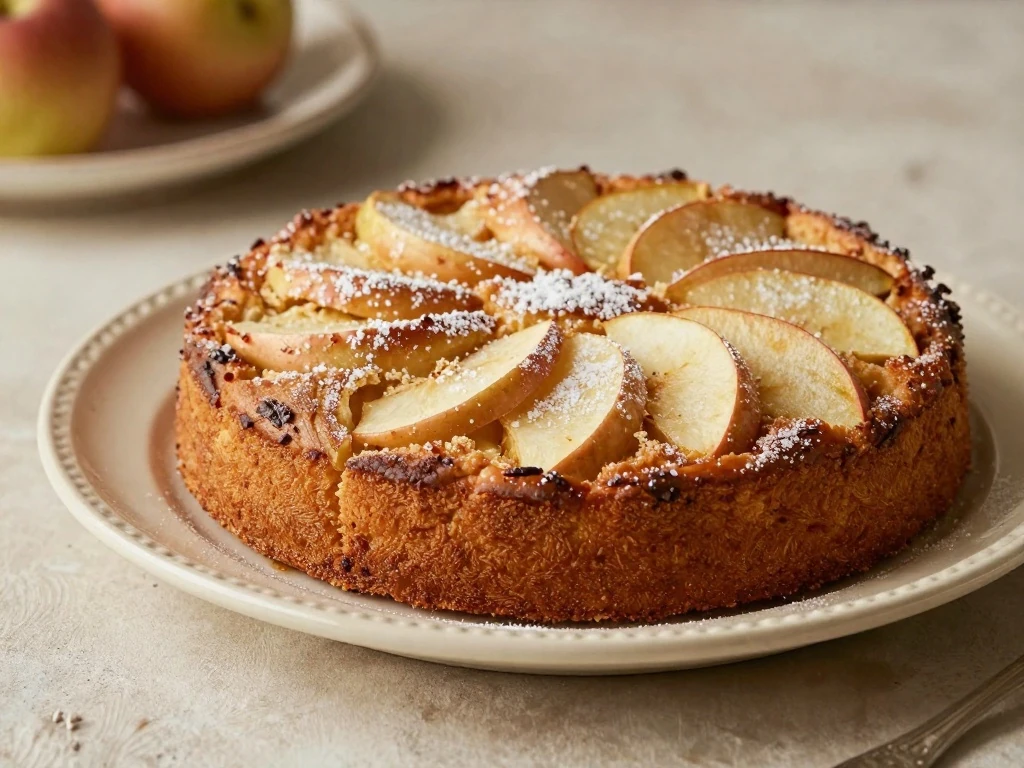
French apple cake is wonderfully different from a tall, fluffy American-style layer cake. It is deliberately fruit-heavy, with thin slices of apple folded into a modest amount of tender batter. Each bite gives you soft baked fruit first, followed by buttery cake and a faint vanilla fragrance.
The ingredient list is short, but the finished dessert tastes thoughtful and special. Melted butter provides richness, while two eggs give the cake enough structure to hold the apples without making it dense or dry. A tablespoon of dark rum or Calvados adds a traditional French note, though the cake remains delicious without alcohol.
This is also an excellent make-ahead dessert. It can cool while dinner is being served, then be sliced and dusted with confectioners’ sugar just before it reaches the table. If you enjoy simple fruit desserts, you may also like this easy one-bowl apple cake for another approachable option.
Ingredients You’ll Need
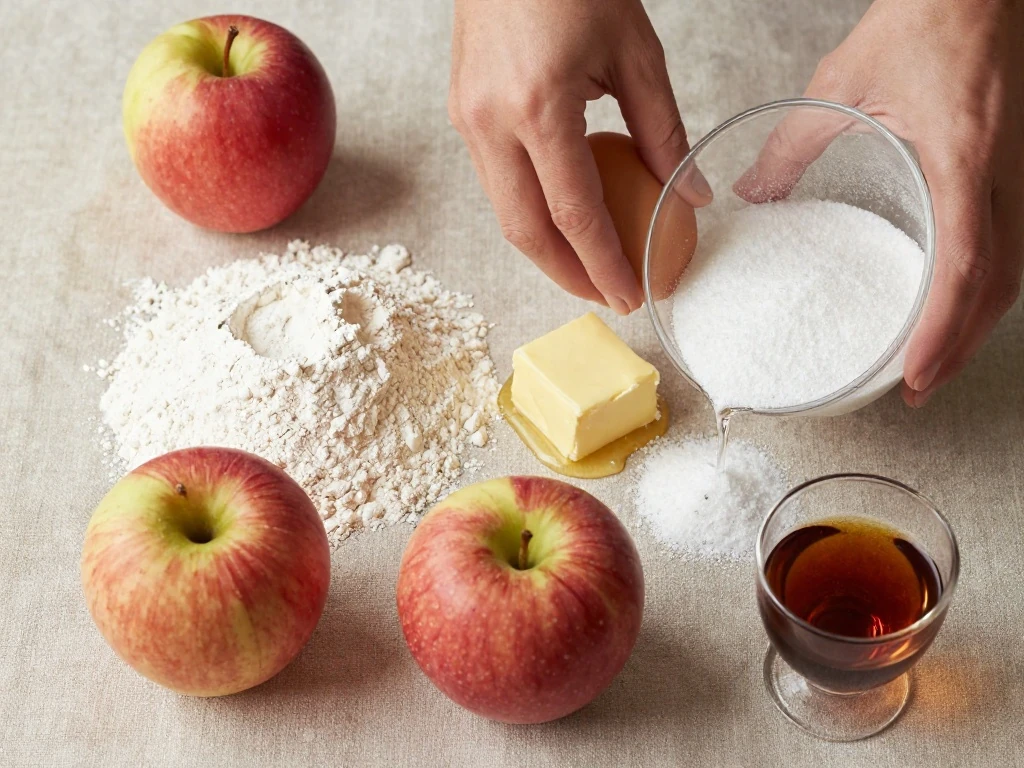
Four medium apples, weighing about 1 1/2 to 1 3/4 pounds total, form the heart of this recipe. Choose apples that remain distinct after baking rather than collapsing into purée. Honeycrisp, Braeburn, Pink Lady, Golden Delicious, and Granny Smith are all suitable, and combining a sweet apple with a tart one creates a pleasing balance.
- Flour: All-purpose flour creates a tender but sturdy base for the fruit.
- Leavening: One teaspoon of baking powder gives the cake modest lift without turning it into a high sponge.
- Butter: Melted unsalted butter brings moisture and a rich flavor throughout the crumb.
- Sugar: Two-thirds cup provides gentle sweetness while allowing the apples to remain the main flavor.
- Eggs and flavorings: Eggs bind the batter, while vanilla and optional rum or Calvados add warmth.
- Finishing sugar: Confectioners’ sugar supplies a pretty, delicate finish just before serving.
Have the pan buttered and lined with parchment before mixing. Because the batter comes together quickly, preparation is easier when every ingredient is measured and ready first.
Choosing and Preparing the Apples
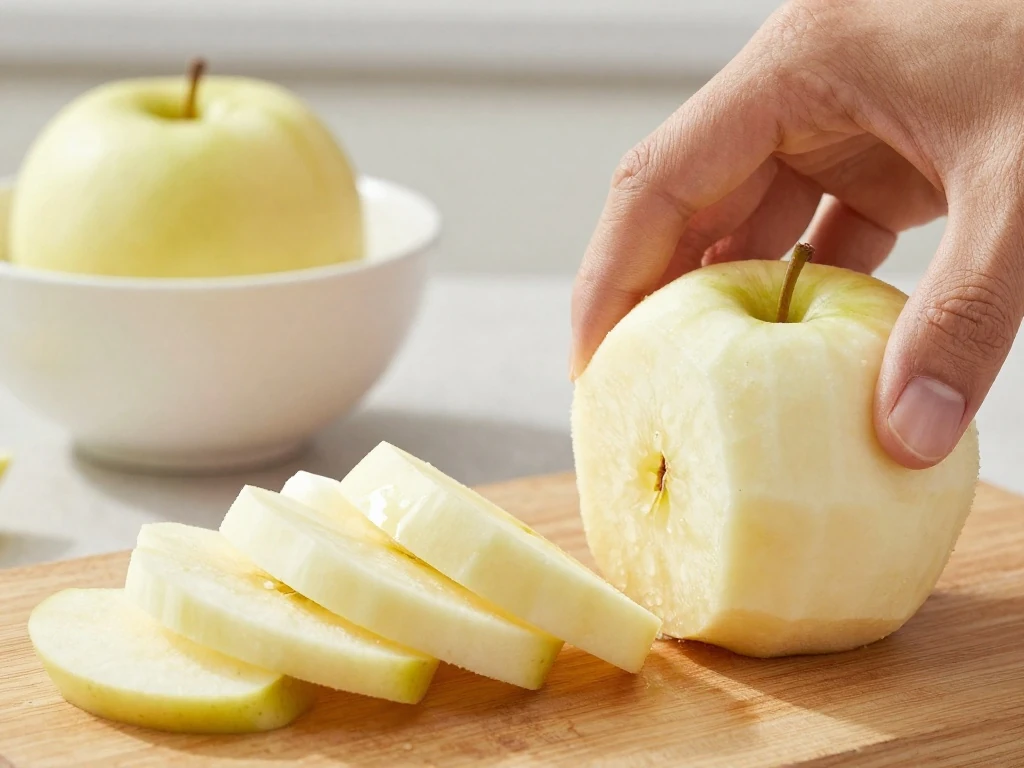
Peel, core, and cut the apples into thin, even wedges or slices. Thin pieces soften completely during the 45- to 60-minute bake, while uneven chunks can leave some parts firm and others overly soft.
Do not worry if the bowl appears to contain far more apples than batter. That is exactly the character of this cake: the mixture should lightly coat the fruit rather than surround it with a thick layer of dough.
If using a combination of apples, keep the slices similar in size so they finish baking at the same time. Granny Smith brings tartness, Golden Delicious contributes mellow sweetness, and Honeycrisp or Braeburn provides a pleasant firm texture.
How to Make It Step-by-Step
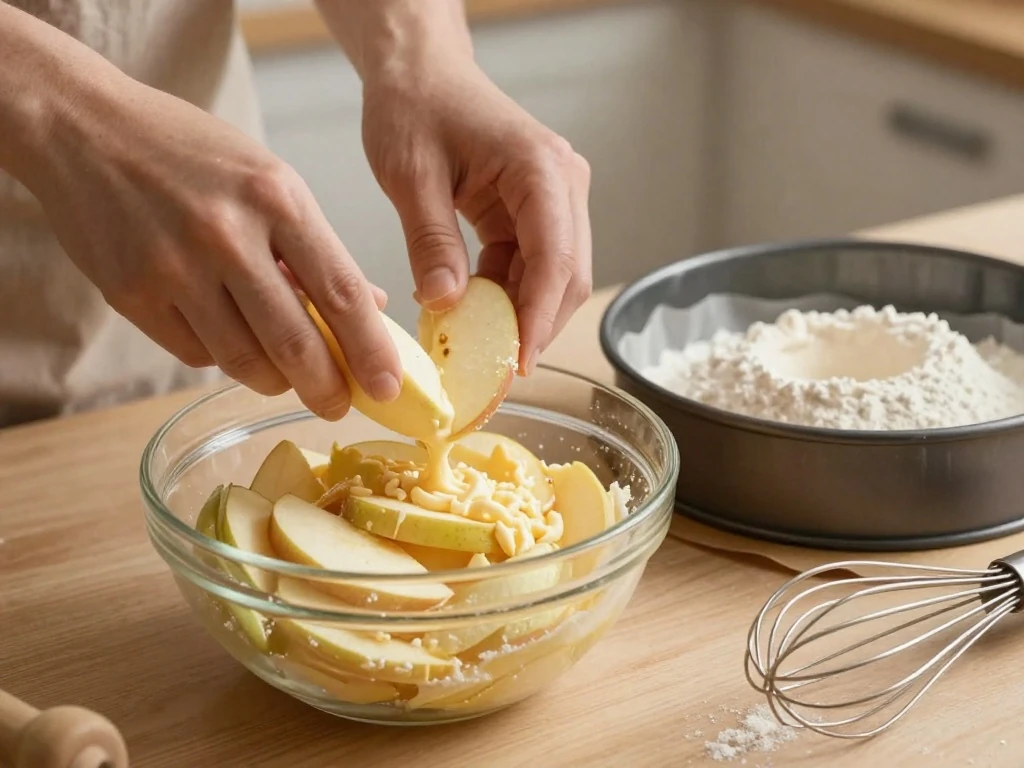
Step 1: Heat the oven to 350°F (175°C), then butter an 8- or 9-inch round cake pan or springform pan. Line the base with parchment, pressing it flat so the finished cake releases easily.
Step 2: Whisk the flour, baking powder, and fine salt together in a medium bowl. This distributes the leavening evenly and prevents salty or powdery pockets in the finished crumb.
Step 3: In a separate large bowl, whisk the melted butter and granulated sugar until blended. Make sure the butter has cooled slightly before adding the eggs, since hot butter can partially cook them.
Step 4: Beat in the eggs one at a time, mixing after each addition. Add the vanilla and dark rum or Calvados, if using, and whisk until the mixture looks smooth and glossy.
Step 5: Fold the dry ingredients into the butter mixture just until no obvious streaks of flour remain. Use a gentle motion and stop promptly, because overmixing can make the cake less tender.
Step 6: Add the peeled, cored, thinly sliced apples and fold until they are lightly coated. The fruit will dominate the bowl, and only a small amount of batter will cling to each slice.
Step 7: Transfer the apple mixture to the prepared pan and smooth the top as evenly as possible. A level surface helps the cake brown attractively and bake at a consistent rate.
Step 8: Bake for 45 to 60 minutes, checking toward the shorter end of the range. The cake is ready when golden brown, set in the center, and a skewer inserted into the batter comes out clean, although moist apple residue may cling to it.
Step 9: Cool the cake in the pan for at least 15 minutes before serving. Dust it lightly with confectioners’ sugar, or cool it fully if you want the cleanest slices.
Pro Tips for the Best Texture
The most important technique is controlling the apples. Thin, even slices soften into a silky texture while still retaining their identity. Apples that naturally collapse into purée can make the center wetter and heavier, so firm varieties are the safest choice.
Cooling the melted butter is another small detail with a large payoff. Butter that is still hot may begin cooking the eggs, which can create a lumpy batter and compromise the smooth texture.
Fold rather than stir aggressively once the flour is added. The batter needs only enough mixing to combine the ingredients; a few gentle turns are preferable to prolonged beating.
Watch the cake near the end of its baking time. Apple size, pan material, and apple moisture can affect the exact timing, so rely on the golden color, set center, and skewer test rather than the clock alone.
Cinnamon is not essential in this classic French-style version. Leaving it out keeps the dessert focused on butter, vanilla, and baked apple, while the optional rum or Calvados supplies a more traditional aromatic note.
Serving Suggestions
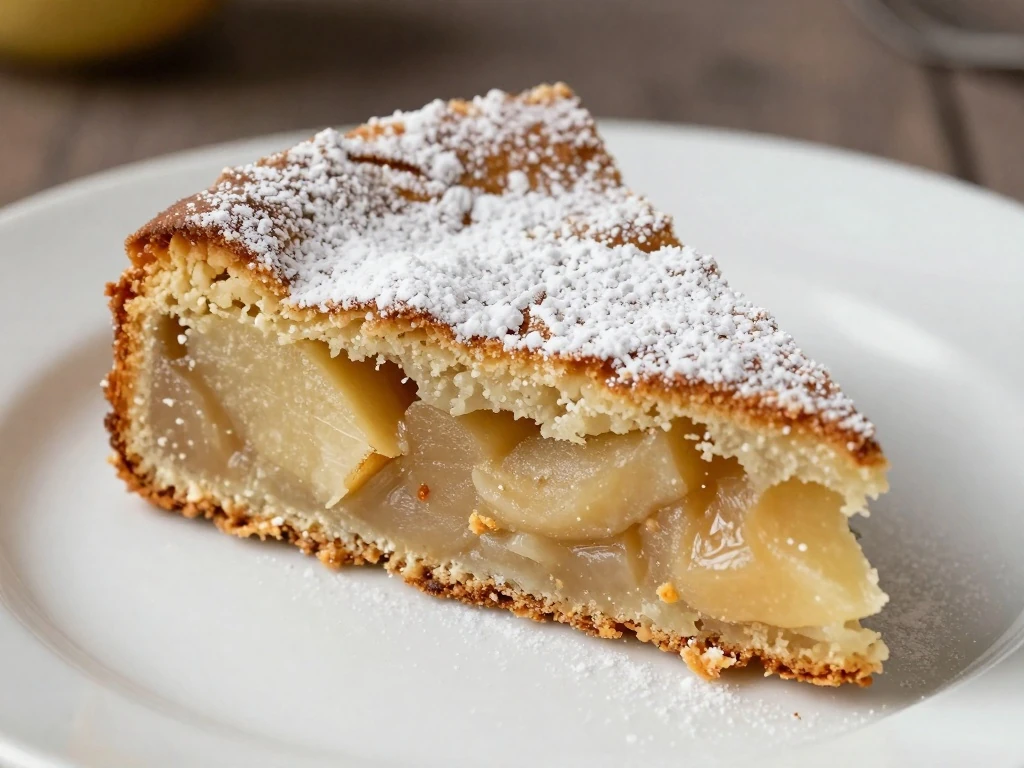
Serve this cake warm or at room temperature with nothing more than confectioners’ sugar. Its moist crumb and concentrated apple flavor are satisfying on their own, especially when paired with coffee, black tea, or a small glass of dessert wine.
For a dinner-party presentation, place each wedge on a simple plate and dust the sugar just before serving. A spoonful of softly whipped cream can be added if desired, but keep accompaniments restrained so the apples remain the focus.
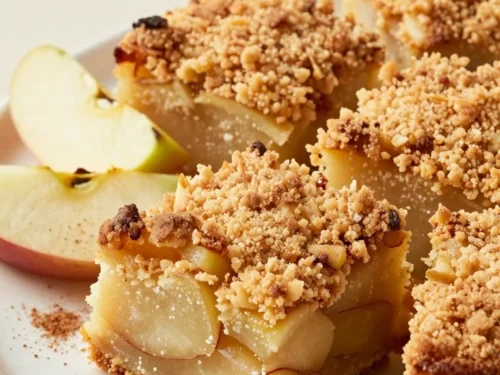
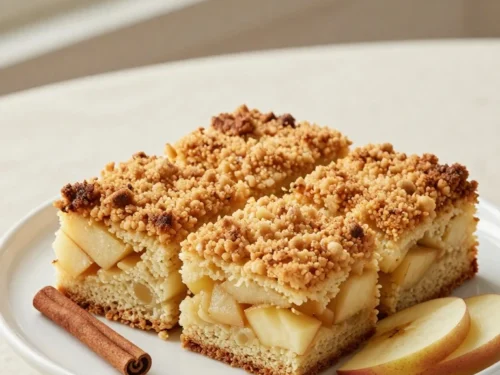
If you want another style of apple dessert for your baking list, compare this rustic cake with our apple crumb cake recipe, which brings a crisp crumb topping to the fruit.
Storage and Reheating
Store leftover cake covered at room temperature for a short period or refrigerate it when keeping it longer. The cake is especially pleasant the next day, when the apple juices have settled into the crumb.
Bring refrigerated slices toward room temperature before serving, or warm them gently until just heated through. Avoid overheating, which can dry the cake and make the apples lose their pleasant texture.
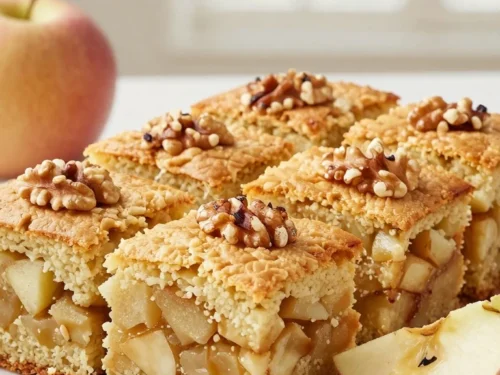
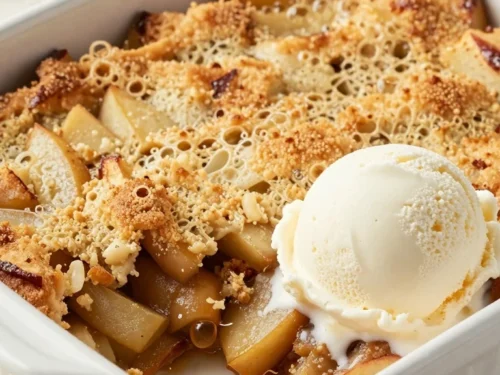
For a quicker dessert made with pantry convenience, you can also try this apple cake mix variation with cinnamon crumble. It has a different style, but it is useful when speed matters.
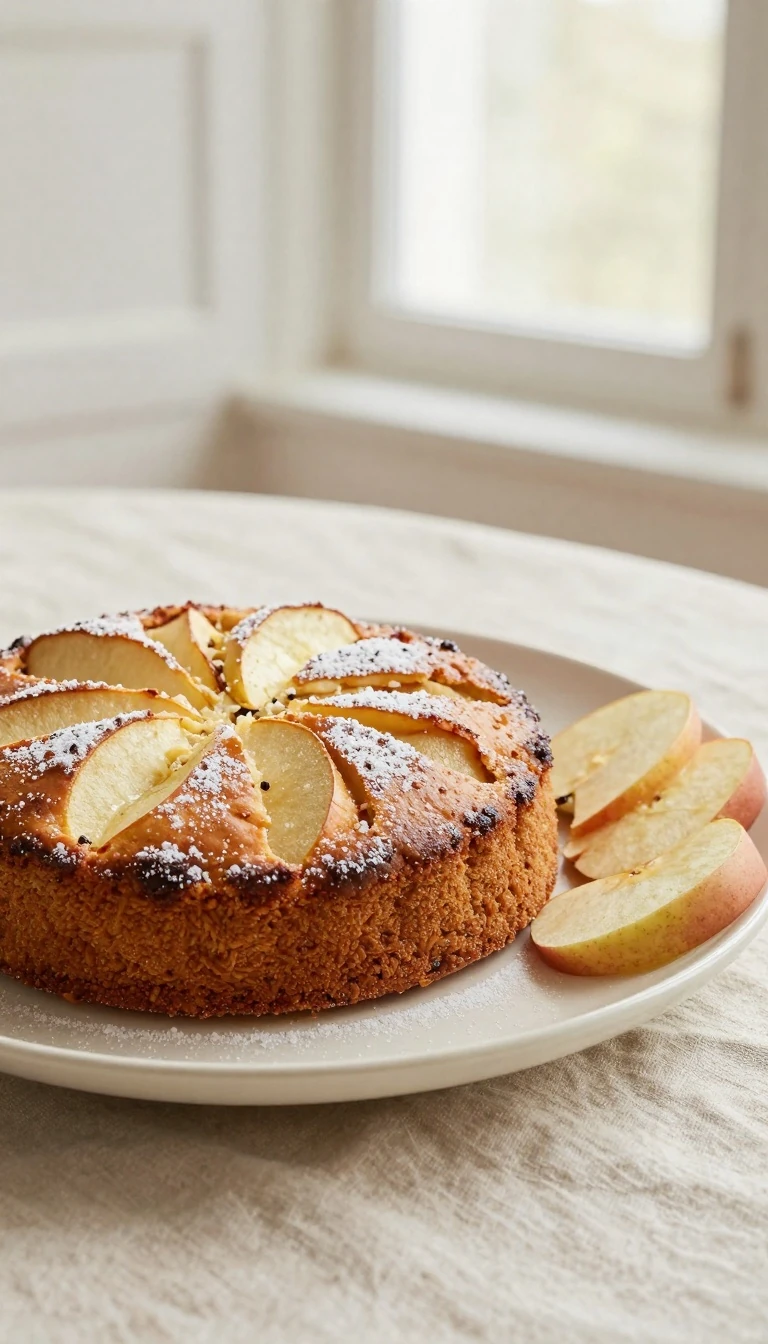
Rustic French Apple Cake
Ingredients
Method
- Heat the oven to 350°F (175°C). Butter an 8- or 9-inch round cake pan or springform pan, then line the base with parchment.
- Whisk the flour, baking powder, and fine salt together in a medium bowl.
- In a separate large bowl, whisk the melted butter and sugar. Beat in the eggs one at a time, then whisk in the vanilla and optional dark rum or Calvados.
- Fold the dry ingredients into the butter mixture just until combined. Do not overmix.
- Fold in the sliced apples. The mixture should contain a large amount of fruit with only enough batter to lightly coat the slices.
- Transfer the mixture to the prepared pan and smooth the top.
- Bake for 45 to 60 minutes, until golden brown and set in the center. A skewer inserted into the batter should come out clean, although visible apple moisture may cling to it.
- Cool the cake in the pan for at least 15 minutes. Serve warm or at room temperature, lightly dusted with confectioners’ sugar.
Notes
Final Thoughts
This Rustic French Apple Cake succeeds because it keeps the recipe simple and lets the fruit lead. Four firm apples, a buttery batter, and a gentle touch are all you need for a dessert that is moist, fragrant, and beautifully unfussy.
Give the apples a careful, even slice, cool the butter before mixing, and resist the urge to overwork the batter. After its brief rest in the pan, the cake is ready to serve warm with confectioners’ sugar or cool completely for neat, elegant wedges.
It is the kind of recipe worth returning to throughout apple season: easy enough for a weekday, charming enough for guests, and flavorful enough to make every slice feel homemade in the best possible way.