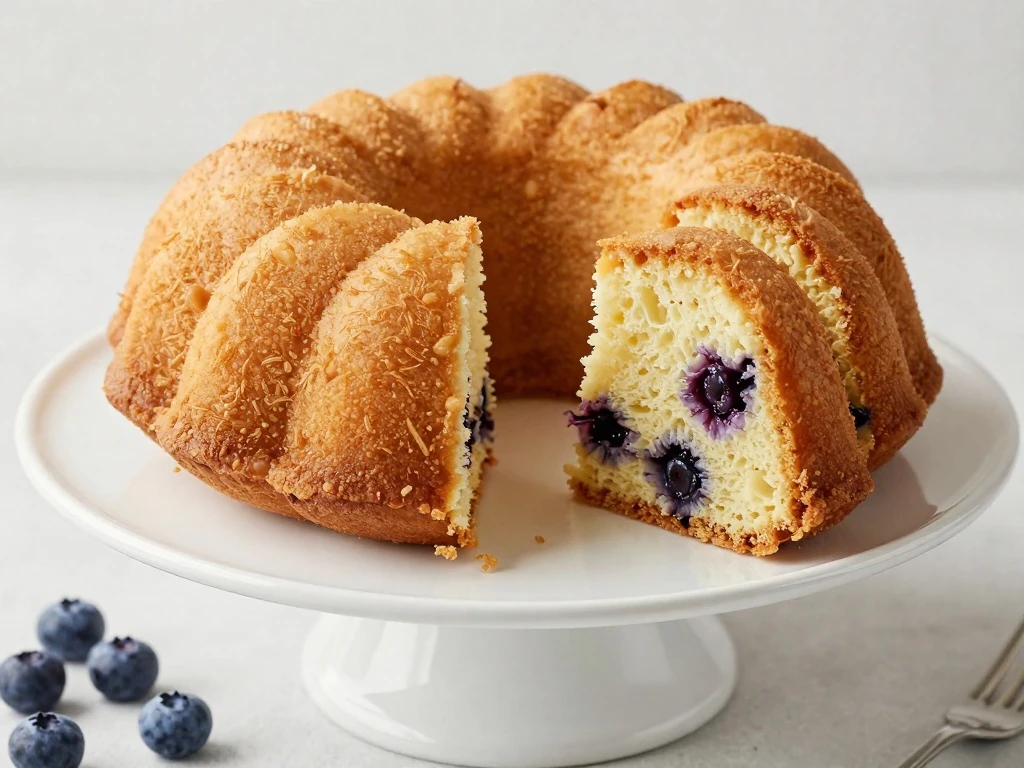
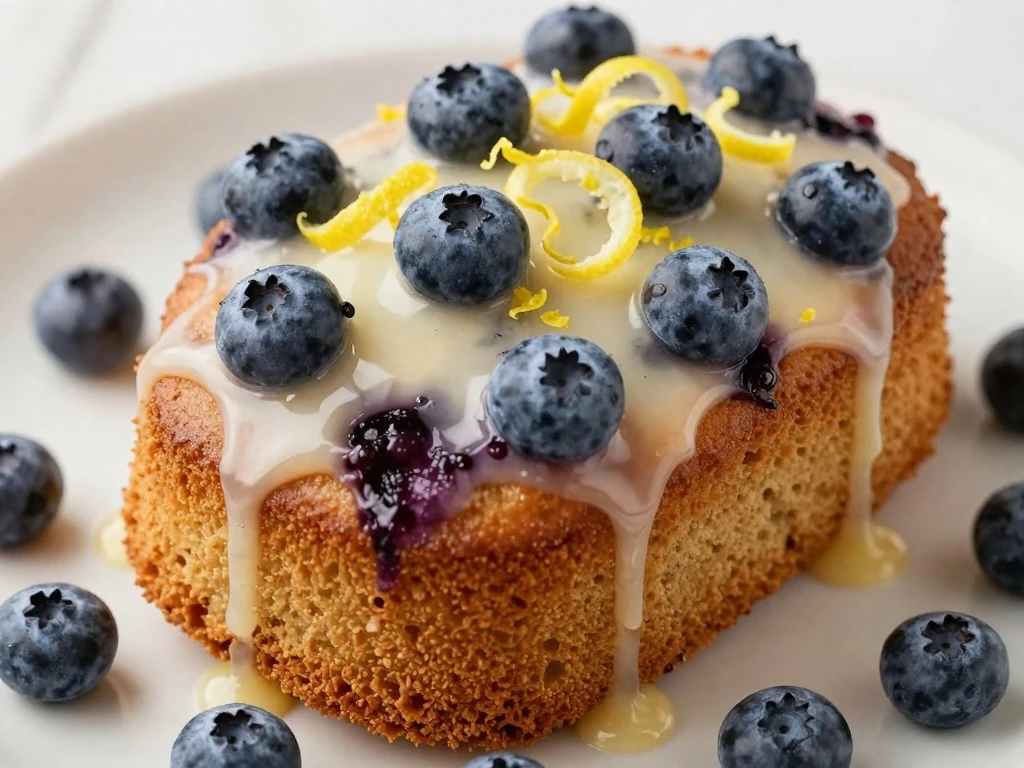
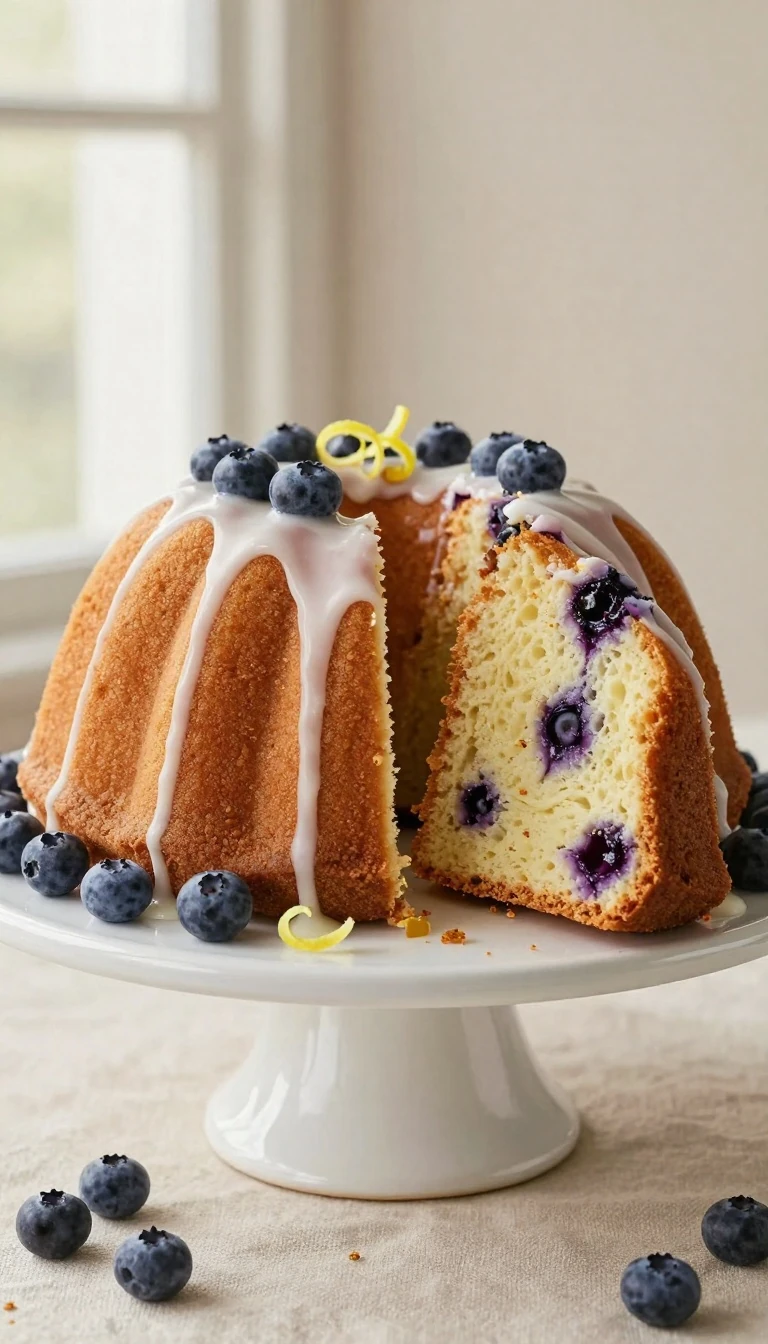
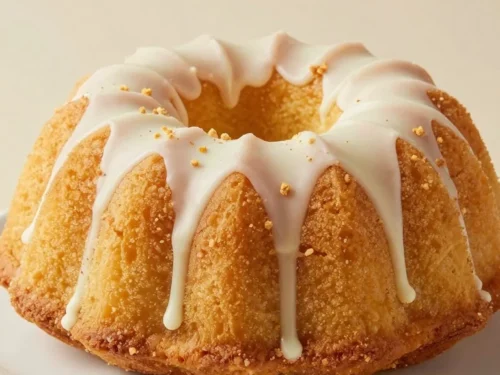
This blueberry pound cake recipe makes one generous 10-inch Bundt or tube cake with a buttery, tender crumb and juicy pockets of fresh blueberries. The cake takes about 25–30 minutes to prepare, bakes at 325°F for 65–75 minutes, and serves approximately 12 people.
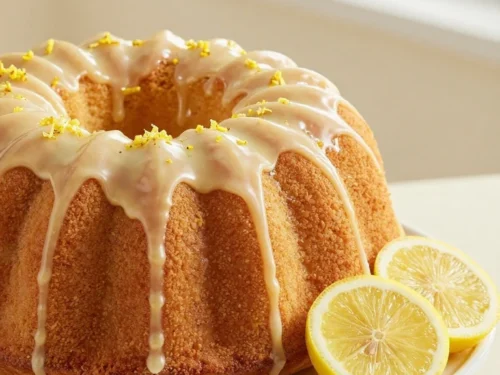
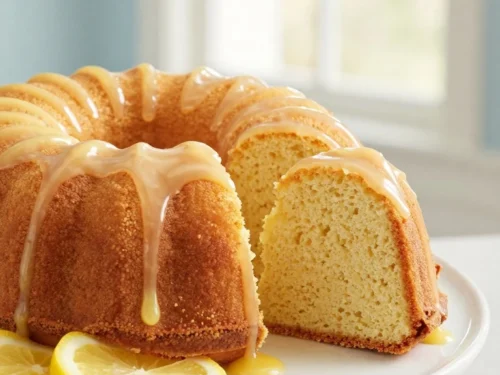
Thoroughly creamed butter and sugar give this fruit pound cake its classic texture, while whole milk keeps every slice moist. A simple lemon glaze adds a bright finish, though the cake is delicious plain with coffee, tea, or a scoop of vanilla ice cream.
This blueberry pound cake has the sturdy, buttery character of a traditional pound cake with the fresh flavor and color of summer berries. Each slice is rich enough for dessert but not overly sweet, especially when the optional lemon glaze is added in a thin drizzle.
The lower 325°F oven temperature is especially helpful for a large Bundt cake. It gives the center enough time to bake while reducing the chance that the ridges and crown become too dark before the middle is ready.
If you enjoy classic butter cakes, you may also like this classic pound cake recipe for another dependable dessert to keep in your baking rotation.
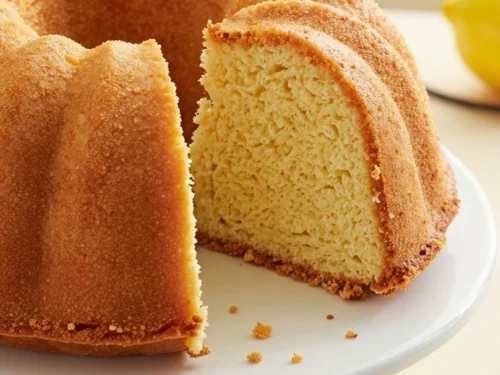
Texture: Moist, dense, and tender with a fine crumb.
Flavor: Buttery vanilla cake balanced by bright blueberries and optional lemon.
Serving: Excellent for brunch, afternoon tea, potlucks, birthdays, and summer gatherings.
Yield: One large Bundt or tube cake, providing about 12 servings.
Ingredients You’ll Need
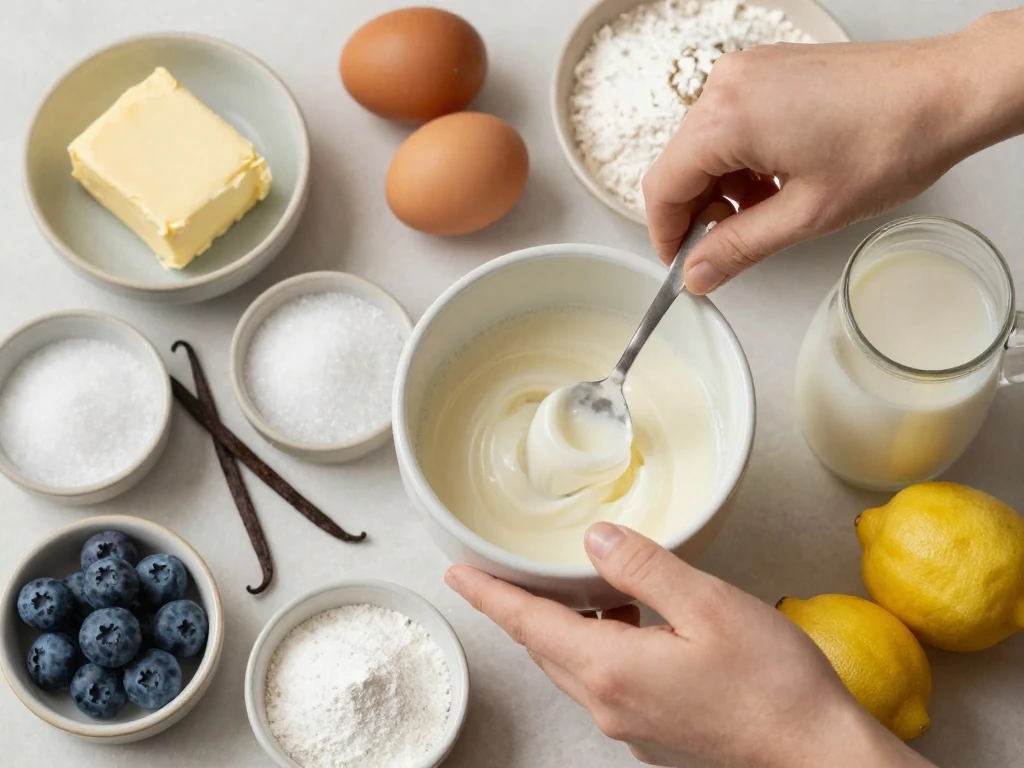
The foundation of this cake is simple: unsalted butter, sugar, eggs, flour, baking powder, salt, vanilla, and whole milk. Fresh blueberries provide the fruit flavor, while a small amount of flour helps them remain distributed through the batter instead of dropping heavily to the bottom.
Use butter that is soft enough to press easily with a fingertip but not oily or partially melted. Room-temperature eggs and milk are equally important because they blend into the creamed butter more smoothly, producing a cohesive batter.
For the optional glaze, confectioners’ sugar combines with lemon juice for a crisp, tangy finish. Milk creates a softer, creamier glaze, while a teaspoon of finely grated lemon zest adds extra fragrance without changing the cake’s structure.
Measure the flour carefully, preferably by weight, or spoon it into measuring cups and level the tops.
Choose firm, fresh blueberries with unbroken skins and no excess moisture.
Have the Bundt pan fully greased and floured before mixing the batter.
Keep all dairy and eggs at room temperature for the best batter consistency.
How to Make It Step-by-Step
Step 1: Heat the oven to 325°F (165°C), then grease and flour a 10-inch Bundt pan or 10-inch tube pan thoroughly. A careful coating is essential because the cake is rich and contains fruit, both of which can make release more difficult.
Step 2: Toss the fresh blueberries with 1 tablespoon of all-purpose flour and set them aside. Coat them just before folding so the flour remains light and useful rather than becoming gummy.
Step 3: Whisk the remaining flour with the baking powder and salt. Mixing these ingredients separately ensures that the baking powder and salt do not collect in one area of the finished cake.
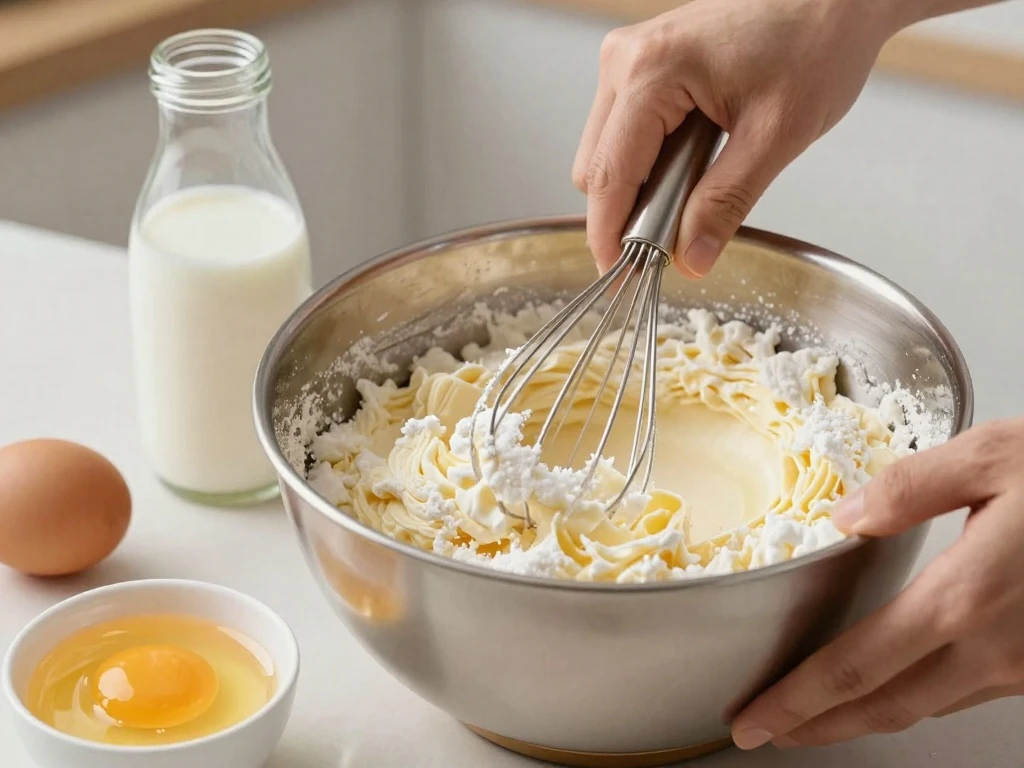
Step 4: Beat the softened butter and sugar on medium speed for 3–5 minutes, until pale and fluffy. This is one of the most important stages because the air incorporated during creaming supplies much of the cake’s lift.
Step 5: Add the eggs one at a time, beating well after each addition, then mix in the vanilla. If the mixture looks slightly curdled, continue mixing briefly; the dry ingredients will bring the batter together.
Step 6: Add the dry ingredients in three additions, alternating with the milk in two additions. Begin and end with the flour mixture, and stop mixing as soon as no obvious streaks of flour remain.
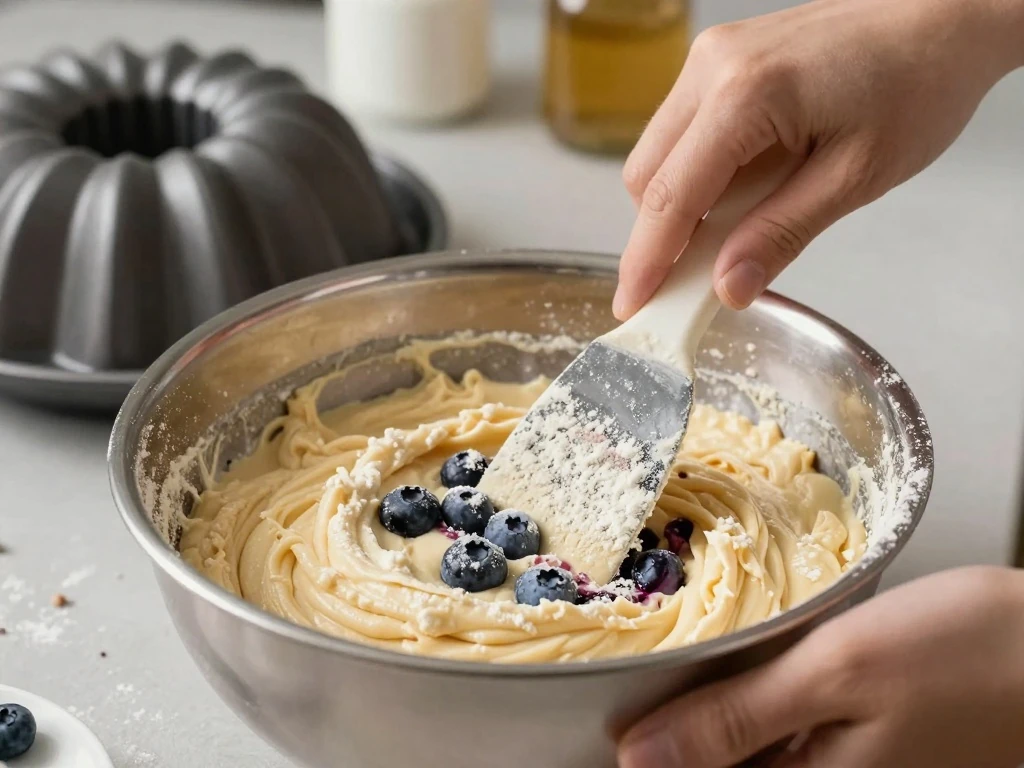
Step 7: Fold in the floured blueberries gently with a spatula. Avoid vigorous stirring, which can crush the berries and turn the batter more purple than necessary.
Step 8: Scrape the batter into the prepared pan and smooth the top. Spread it evenly around the center tube so the cake bakes at a consistent rate.
Step 9: Bake for 65–75 minutes. Test near the center with a skewer; it should come out clean or show only a few moist crumbs, and the center should be approximately 200–210°F (93–99°C).
Step 10: If the top is browning too quickly, loosely place foil over the cake during the final 15–20 minutes. Do not seal the foil tightly, since trapped steam can soften the crust.
Step 11: Let the cake cool in the pan for about 20 minutes before turning it out onto a rack. Cooling it briefly helps the structure settle, while leaving it in the pan too long can encourage sticking.
Step 12: Cool completely for at least 1 hour, then whisk the confectioners’ sugar with lemon juice or milk until pourable. Drizzle the glaze over the cake once it is cool so the icing remains visible instead of melting into the crumb.
Pro Tips for a Tender, Berry-Filled Cake
Do not rush the butter-and-sugar stage. Three to five minutes of mixing creates a pale, fluffy base, and that extra air matters because pound cake relies heavily on creaming for lift.
Fold the berries with patience. A spatula is preferable to a mixer at this stage, and a few gentle turns are enough to distribute them throughout the batter.
Frozen blueberries can be used when fresh berries are unavailable. Add them straight from the freezer without thawing, and expect a few purple streaks because the cold berries can release color as they are folded in.
For a lemon-blueberry version, add 1 tablespoon of lemon zest directly to the cake batter. You can also replace up to 1/2 cup of the milk with sour cream or buttermilk for a slightly richer, more tender crumb.
For another traditional approach to this style of cake, see these old-fashioned pound cake tips before your next baking day.
Cooling, Slicing, and Serving
Cooling is part of the recipe, not an optional pause. Let the cake rest in its pan for about 20 minutes, then invert it onto a rack and wait at least 1 hour before slicing so the crumb can finish setting.
Use a serrated knife or a long, sharp chef’s knife to cut neat slices. Wipe the blade between cuts if you want especially clean portions and clearly defined blueberry pockets.
Serve plain for a classic buttery breakfast cake.
Drizzle with the lemon glaze for a brighter dessert finish.
Add whipped cream or vanilla ice cream for a dinner-party presentation.
Pair with coffee, black tea, or a chilled glass of milk.
Once completely cool, keep the cake covered at room temperature for up to 3 days. A cake dome or tightly sealed container helps preserve the moist crumb without making the crust soggy.
If you plan to make it ahead, bake and cool the cake completely before wrapping it. Add the glaze shortly before serving when possible, since the fresh drizzle looks best and keeps its clean lemon flavor.
To protect individual pieces, place parchment between slices in an airtight container. Let refrigerated cake return toward room temperature before serving so the butter-based crumb softens and its flavor becomes more pronounced.
Blueberry Pound Cake Recipe
A rich, buttery Bundt cake packed with fresh blueberries and finished with an optional lemon glaze. This classic fruit dessert makes about 12 servings.
1tablespoonAll-purpose flour, for coating blueberries
Optional Glaze
1 1/2cups (170 g)Confectioners’ sugar
2–3tablespoonsLemon juice or milk
1teaspoon, optionalFinely grated lemon zest
Method
Step-by-Step
Heat the oven to 325°F (165°C). Thoroughly grease and flour a 10-inch Bundt pan or 10-inch tube pan, paying special attention to the center tube, ridges, and lower corners.
Toss the blueberries with 1 tablespoon of all-purpose flour immediately before using. Set them aside while you prepare the batter; this light coating helps limit sinking and excess moisture around the fruit.
Whisk the remaining flour with the baking powder and salt in a medium bowl. This distributes the leavening and seasoning evenly before the dry ingredients are added to the batter.
Beat the softened butter and granulated sugar on medium speed for 3–5 minutes, until the mixture is pale and fluffy. Scrape the bowl once or twice so the butter creams evenly.
Add the eggs one at a time, beating well after each addition. Mix in the vanilla extract, stopping to scrape the bowl if the batter begins collecting along the sides.
Add the flour mixture in three additions, alternating with the milk in two additions. Mix only until the batter is combined, since prolonged mixing can make the finished cake less tender.
Gently fold in the floured blueberries with a flexible spatula. Use slow, broad strokes to keep the berries whole and avoid crushing them into the batter.
Transfer the batter to the prepared pan and smooth the top. Tap the pan lightly on the counter once or twice to settle large air pockets, but do not knock out all the air created during creaming.
Bake for 65–75 minutes, or until a skewer inserted near the center comes out clean or with a few moist crumbs. If the top browns too quickly, loosely cover the cake with foil during the final 15–20 minutes.
Cool the cake in the pan for about 20 minutes, then carefully invert it onto a wire rack. Let it cool completely for at least 1 hour before glazing or slicing.
For the glaze, whisk the confectioners’ sugar with 2–3 tablespoons of lemon juice or milk until pourable, then stir in the optional lemon zest. Drizzle it over the completely cooled cake and allow it to set briefly before serving.
Notes
Room-temperature butter, eggs, and milk create a smoother batter. The cake is done at approximately 200–210°F (93–99°C) in the center, or when a tester shows only moist crumbs. Frozen blueberries may be used without thawing, although they can create purple streaks. Store the cooled cake covered at room temperature for up to 3 days.
Final Thoughts
This blueberry pound cake recipe is a reliable way to turn everyday baking ingredients and two cups of berries into a memorable dessert. The tender crumb, buttery vanilla flavor, and bright fruit make it suitable for both casual mornings and special celebrations.
Take your time with the creaming step, coat the blueberries lightly, and respect the cooling period. Those small details produce a beautifully shaped Bundt cake that slices cleanly, stays moist, and earns a place among your favorite fruit desserts.
Finish it with lemon glaze when you want extra brightness, or serve it plain and let the blueberries speak for themselves. Either way, each slice is a generous, homemade treat worth sharing.